 English
 русский
Qisheng
Qisheng
Qisheng
Qisheng
Qisheng
Qisheng
Qisheng
Qisheng
Qisheng
Table of Contents
- 1 What Defines a High Quality Drainage Robot?
- 2 Pumping Performance Must Be Rated for Real Conditions
- 3 Mobility and Terrain Adaptability
- 4 Control Intelligence and Situational Awareness
- 5 Reliability, Serviceability, and Power Integration
- 6 A Practical Evaluation Checklist for Buyers
- 7 Final Advice on Choosing a Drainage Robot
What Defines a High Quality Drainage Robot?
A municipal rescue crew arrives at a flooded underpass after a severe thunderstorm. The water is too deep for personnel to enter safely, and the nearest power supply is hundreds of metres away. Within minutes, they deploy a tracked drainage robot connected to a hydraulic power unit, and water starts moving through a large discharge hose. That result depends on a machine designed for the real world, not just for a brochure specification.
In our experience as a manufacturer of hydraulic equipment and intelligent drainage robots, a high quality drainage robot is not defined by any single number. It is a balanced combination of pumping performance, terrain capability, control intelligence, durability, and serviceability. The strongest machine demonstrates consistent performance across all of these areas.
Pumping Performance Must Be Rated for Real Conditions
Flow rate is the first number most buyers check, but it is not enough. A pump that reaches a high maximum flow only when discharging freely can disappoint when it has to push water up a slope and through a long hose. A high quality drainage robot should be rated for both flow and total head under operating conditions. Hydraulic drive systems are particularly effective here because they maintain torque when the pump is under load, unlike some electric drives that lose performance as battery voltage drops or as resistance increases.
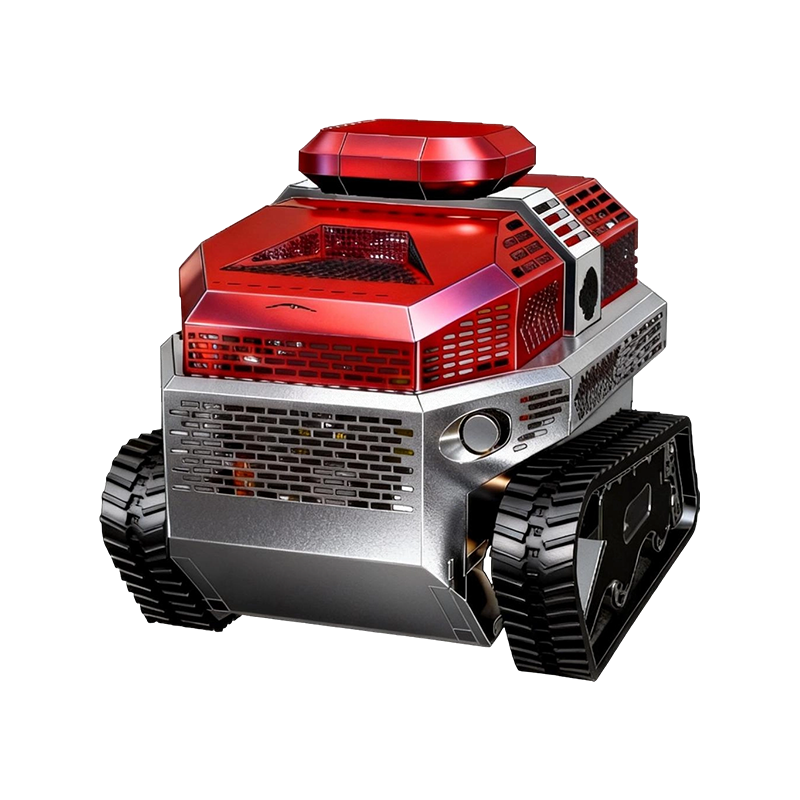
For larger flood events, the combination of a high-flow pump and a tracked chassis matters. For example, our tracked high-flow pumping robot is designed to move large volumes from car parks, tunnels, and open flood sites. It is not simply a pump set on wheels; the machine is balanced so it can stay stable while pushing water at high output.
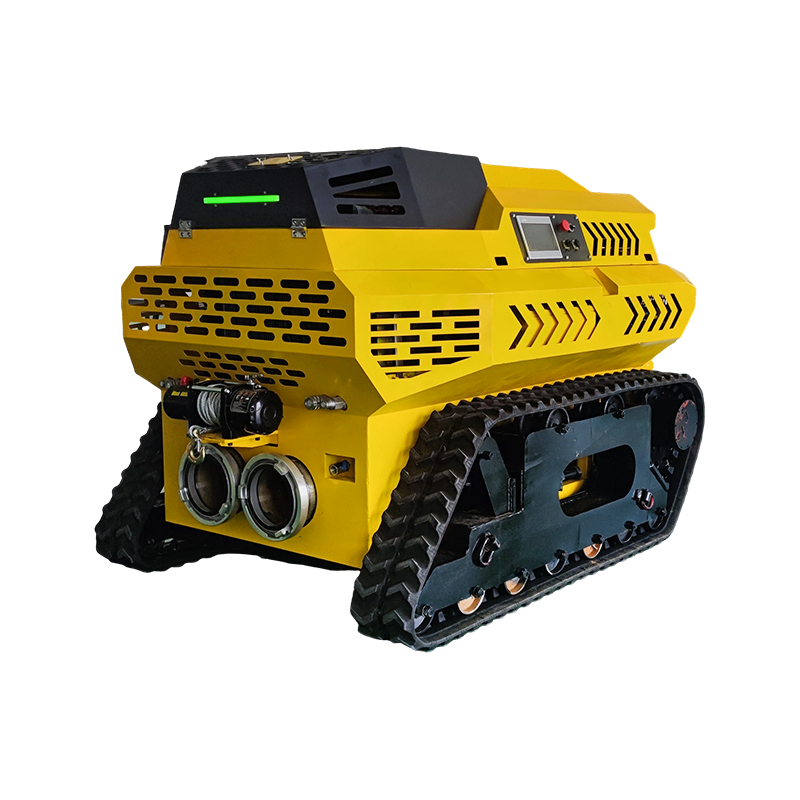 Wholesale Tracked HighFlow Pumping Robot (10001300 m³/h) Suppliers, Company, ExpWuhu Qisheng Intelligent Equipment Co., Ltd. Is China Wholesale Tracked HighFlow Pumping Robot (10001300 m³/h) Suppliers, Exporter, Compa...View Product →
Solids Handling and Debris Tolerance
Floodwater rarely looks like clean tap water. It carries sand, leaves, plastic, and other debris that can clog an impeller or damage a pump casing. A high quality drainage robot should have an impeller and volute design that can pass reasonable debris sizes without frequent blockages. Hardened wear components and replaceable wear plates also reduce the risk of erosion damage when pumping sandy water.
This is why our evaluation criteria for hydraulic drainage pumps always include flow rate and durability considerations together. An oversized pump that fails when solids enter the system is more expensive than a slightly smaller robot that keeps running.
Mobility and Terrain Adaptability
A high quality drainage robot needs to reach the water before it can pump it. A unit that is too heavy for soft ground, too wide for a narrow access point, or unable to climb a wet ramp will create delays when time is critical.
Tracked vs Amphibious Designs
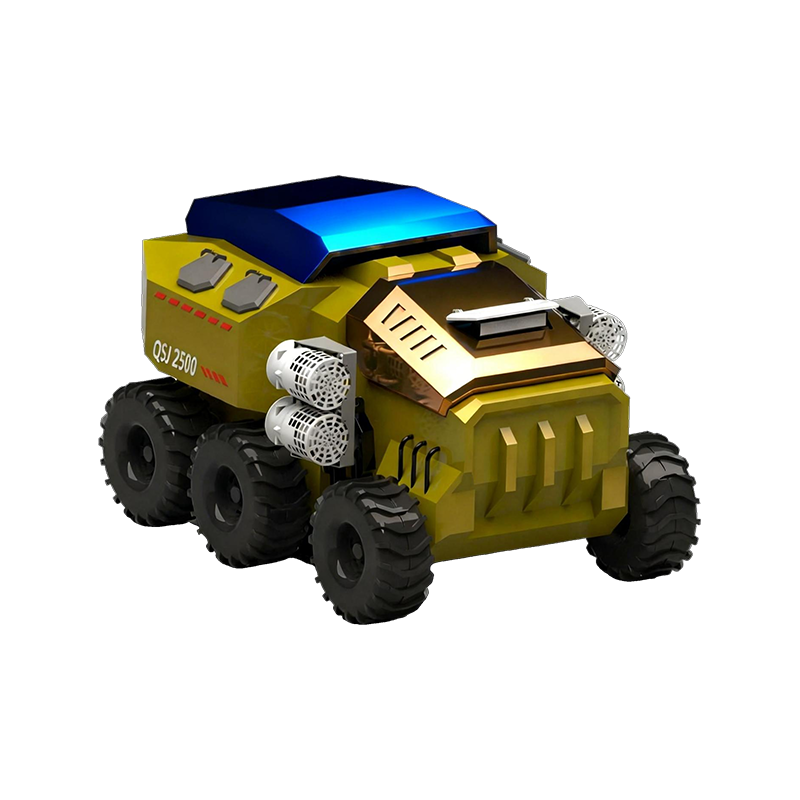
Tracked robots handle uneven surfaces, stairs, and muddy banks well. Amphibious designs can operate in shallow water and wetland environments, allowing operators to keep cables and hoses out of the deepest areas while the machine stays afloat or partially submerged. Our amphibious intelligent drainage robot is a practical example of this type. It combines buoyant chassis characteristics with pumping capability for semi-submerged operations, reducing the need for manual positioning.
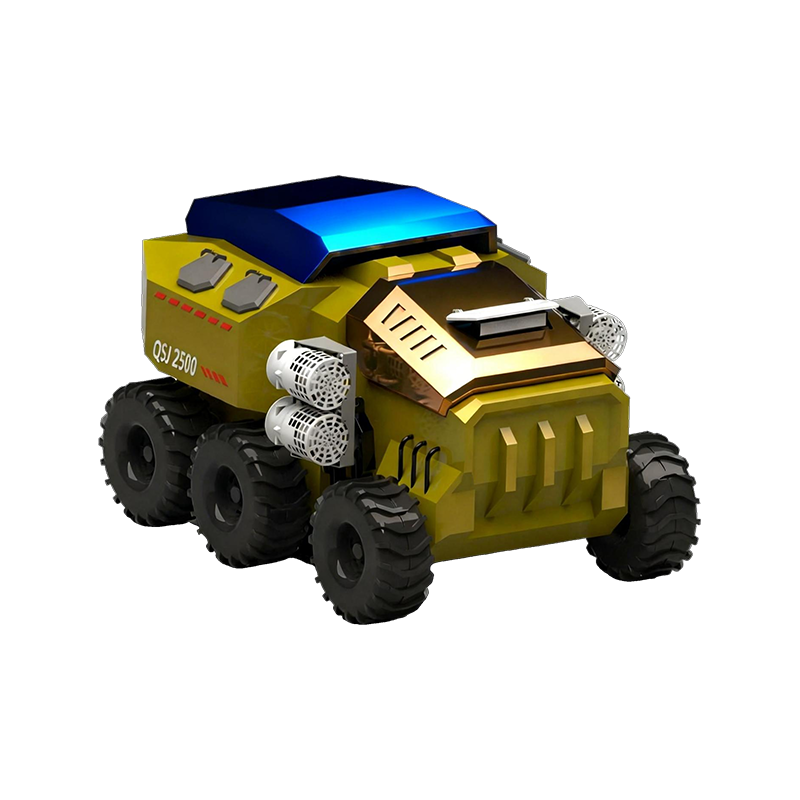 Wholesale Amphibious Intelligent Drainage Robot (20002500 m³/h) Suppliers, CompaWuhu Qisheng Intelligent Equipment Co., Ltd. Is China Wholesale Amphibious Intelligent Drainage Robot (20002500 m³/h) Suppliers, Exporter...View Product →
Size, Weight, and Confined Spaces
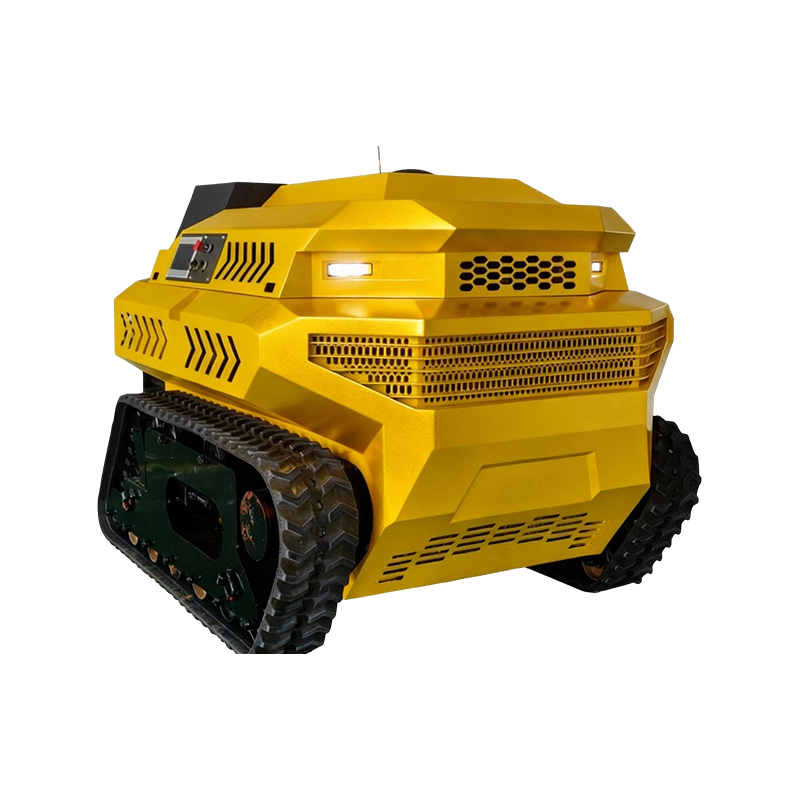
Mobility is not only about tracks and floats. Overall size and weight determine how the robot can be transported and launched. Compact tracked drainage robots are especially useful for underground car parks, pipe culverts, and narrow building entrances. A well-designed compact unit can be lifted by a small crane or carried on a trailer, avoiding the need for oversized recovery vehicles. When evaluating robots, check the machine's ground pressure, slope-climbing capability, and minimum turning radius, not just its maximum travel speed.
Control Intelligence and Situational Awareness
A drainage robot is most valuable when it allows the operator to stay out of harm's way. That requires a control system with predictable range, clear feedback, and enough intelligence to handle obstacles.
Remote Control Range and Obstacle Avoidance
A high quality robot should maintain signal integrity through the structures and interference commonly found on flood sites. Wireless remote controls are convenient, but buildings, concrete walls, and metal barriers can block radio signals. Some operators prefer a hybrid approach with both wired and wireless options. When assessing a machine, look at the specified remote control range and obstacle avoidance capability in real conditions, not ideal open-field conditions. We explain more about this in our guide to intelligent drainage robot control range and live data.
Visual Feedback and Sensor Integration
Modern drainage robots benefit from cameras, ultrasonic sensors, LiDAR, and water-level monitoring. A high quality control interface should show the operator what the robot sees and how the pump is performing, including pump speed, temperature, and discharge pressure. This data turns a blind pumping operation into a supervised process. It also helps the crew decide when to reposition the robot or clear the suction inlet.
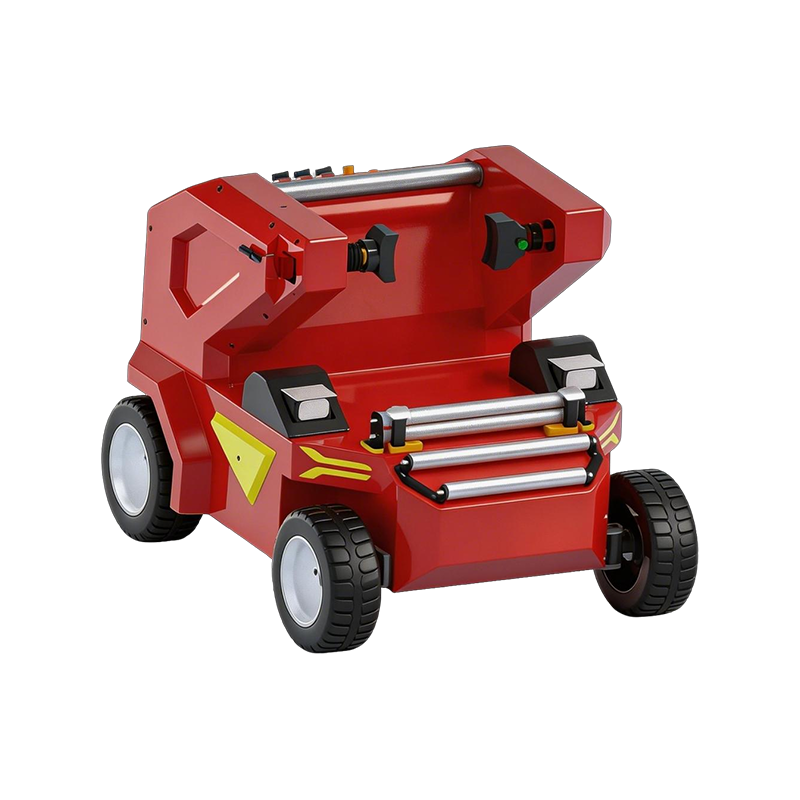
Hose handling is another part of situational awareness. A long discharge hose can be heavy and difficult to manage in the dark. An automatic hose rolling robot takes on this task by reeling and unreeling hose in a controlled manner, so the operator can focus on water flow and safety. While not every site needs this feature, it is a clear upgrade in deployment speed and crew productivity.
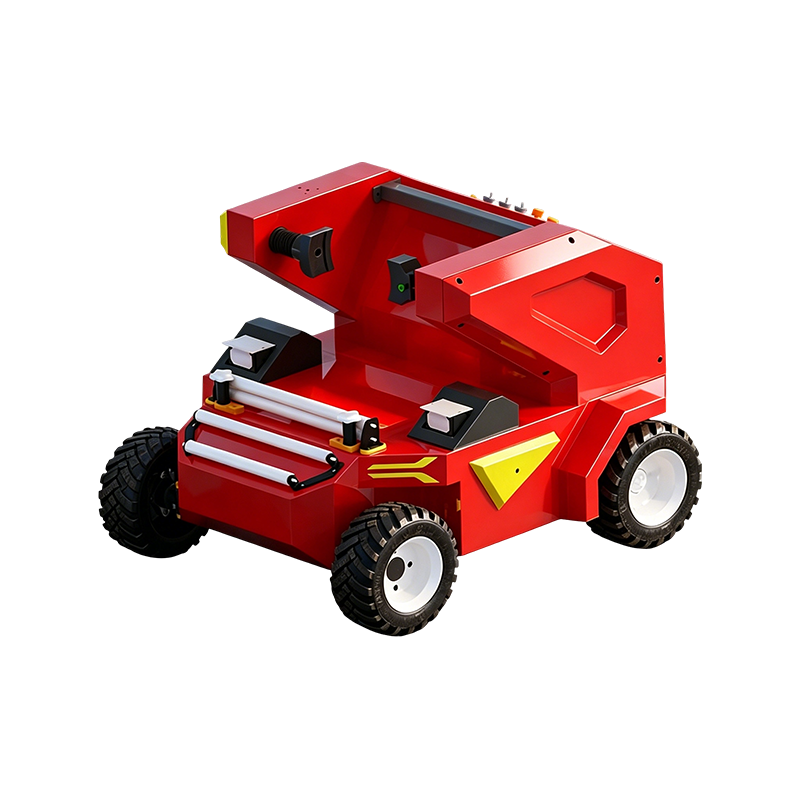 Wholesale Automatic Hose Rolling Robot Suppliers, Company, ExporterWuhu Qisheng Intelligent Equipment Co., Ltd. Is China Wholesale Automatic Hose Rolling Robot Suppliers, Exporter, Company, The Hose Recov...View Product →
Reliability, Serviceability, and Power Integration
High quality means the robot keeps working when the situation becomes messy. Downtime in a flood emergency is not just inconvenient; it can lead to additional property damage or safety risks.
Hydraulic Drive Advantages
One of the most important reliability decisions is the drive system. Hydraulic drive keeps high-voltage electricity out of the water, which is a major safety advantage. It also allows the robot to be powered by a separate hydraulic power unit, keeping the weight of the robot lower and making maintenance easier. When the pump meets resistance, a hydraulic system can maintain force without stalling in the same way that an electric motor can. This is why emergency rescue equipment often relies on hydraulic systems.
The power unit itself must be selected carefully. A robot that can pump large volumes is only as effective as the power source driving it. We recommend reviewing our guidance on choosing a high-flow portable hydraulic power unit to avoid mismatched flow and pressure. Some drainage robots can also be powered by larger stationary hydraulic power units in industrial applications, which extends their operating time.
Maintenance and Spare Parts
Look for accessible checkpoints, quick-release couplings, and modular components. In high quality designs, wear items such as impellers, mechanical seals, and filter screens can be replaced without stripping half the machine. The manufacturer should also offer clear technical documentation and be willing to support custom requirements. Because we design and build hydraulic equipment in-house, we can adapt pump intakes, controls, and power connections to match existing fleets and operating procedures.
A Practical Evaluation Checklist for Buyers
Before making a purchasing decision, compare robots against a structured checklist that reflects your expected operating conditions. The table below summarises the core parameters we use when helping customers choose drainage equipment.
| Parameter | What to Check | Why It Matters |
|---|---|---|
| Flow rate | Rated flow in m3/h at operating head | Confirms the robot can dewater the site within acceptable time |
| Total head | Maximum discharge head in metres | Ensures water can reach the outlet point |
| Solids handling | Maximum solid size and debris tolerance | Prevents clogging in stormwater and muddy floodwater |
| Mobility | Track or amphibious design, slope grade, ground pressure | Confirms the robot can access the flooded area |
| Control | Remote range, camera feedback, sensor inputs, obstacle avoidance | Keeps operators safe and improves decision-making |
| Serviceability | Quick couplings, access panels, spare parts availability | Reduces downtime and maintenance cost |
A few additional points worth verifying include:
- Spare parts availability and lead time for wear components.
- Training requirements and simplicity of operator controls.
- After-sales support for custom configurations or retrofit installations.
Final Advice on Choosing a Drainage Robot
Start from your worst-case scenario. Identify the site where you need the highest flow, the access point that is hardest to reach, and the water conditions most likely to damage equipment. Then compare robots against those situations, not against the most favourable conditions.
A high quality drainage robot is a combination of honest specifications, rugged construction, intelligent control, and service support. When those elements come together, the machine becomes a reliable tool for emergency teams, municipalities, and industrial operators. If you evaluate each of the areas described above, you will be far more likely to buy a robot that performs as expected when the next flood arrives.