
 English
 русский
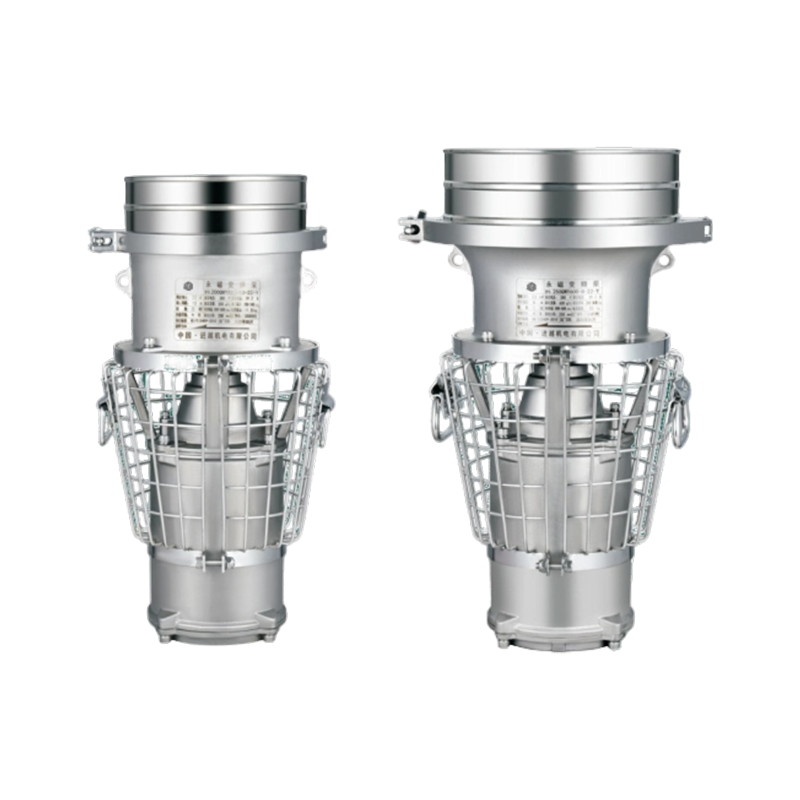

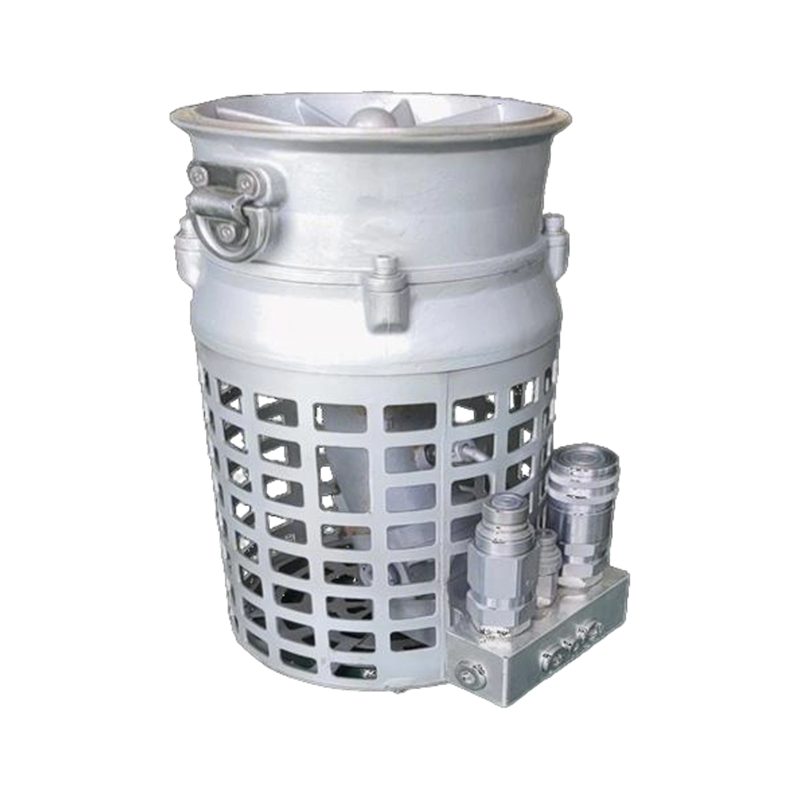
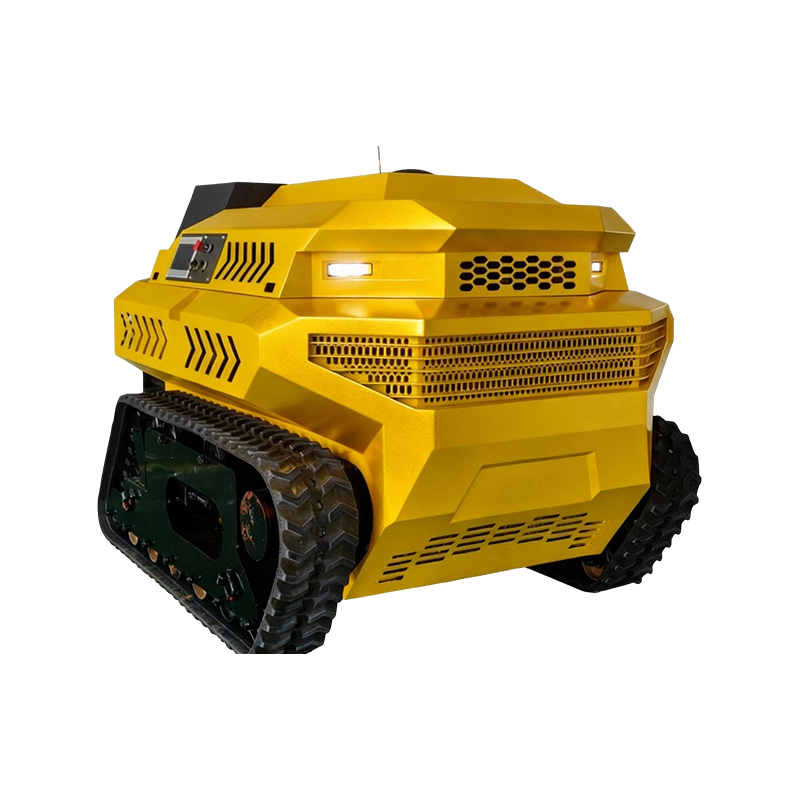
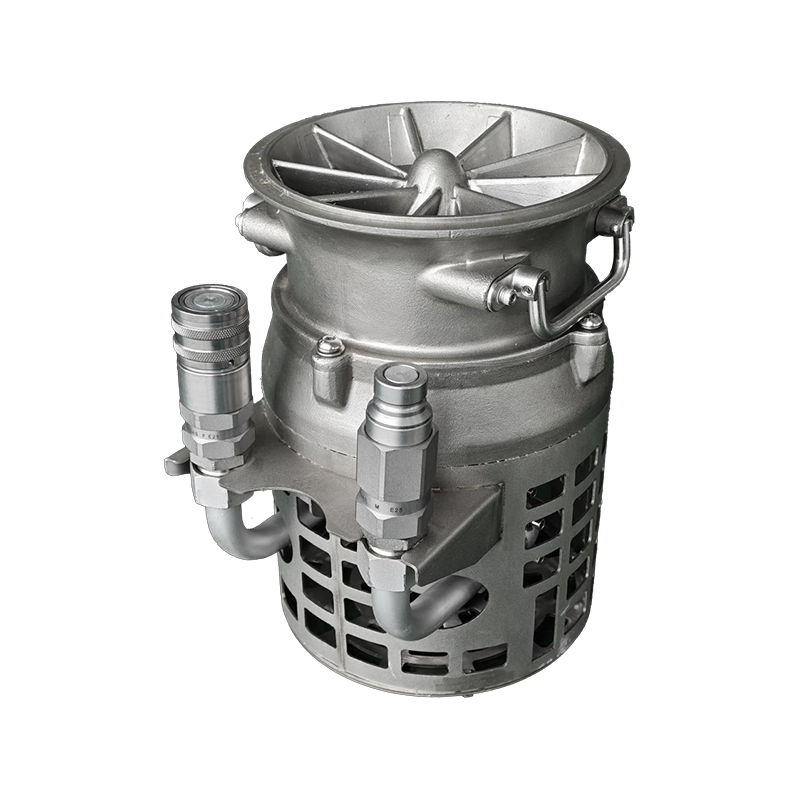
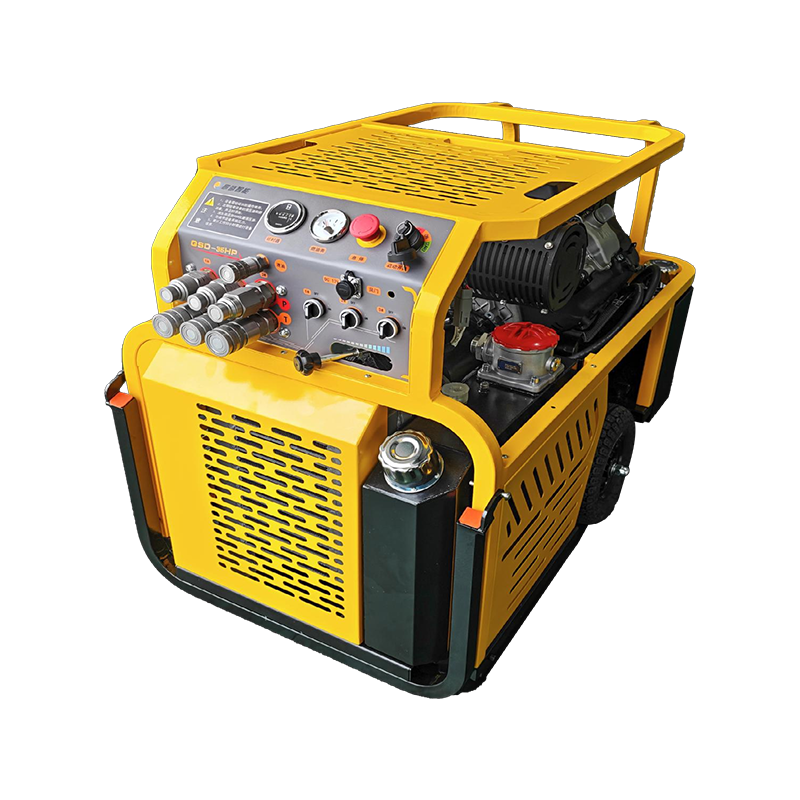
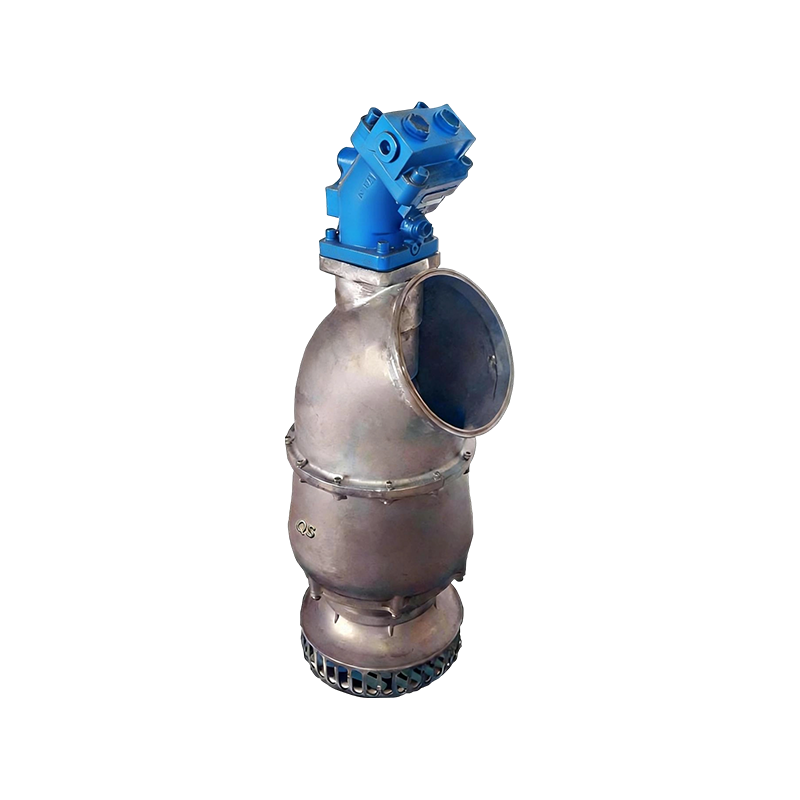
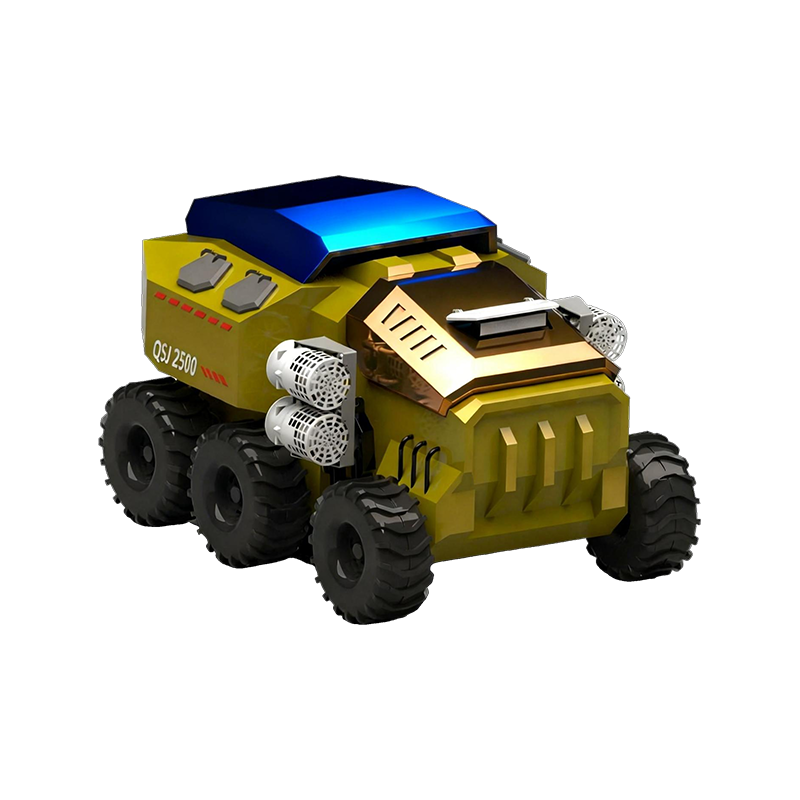
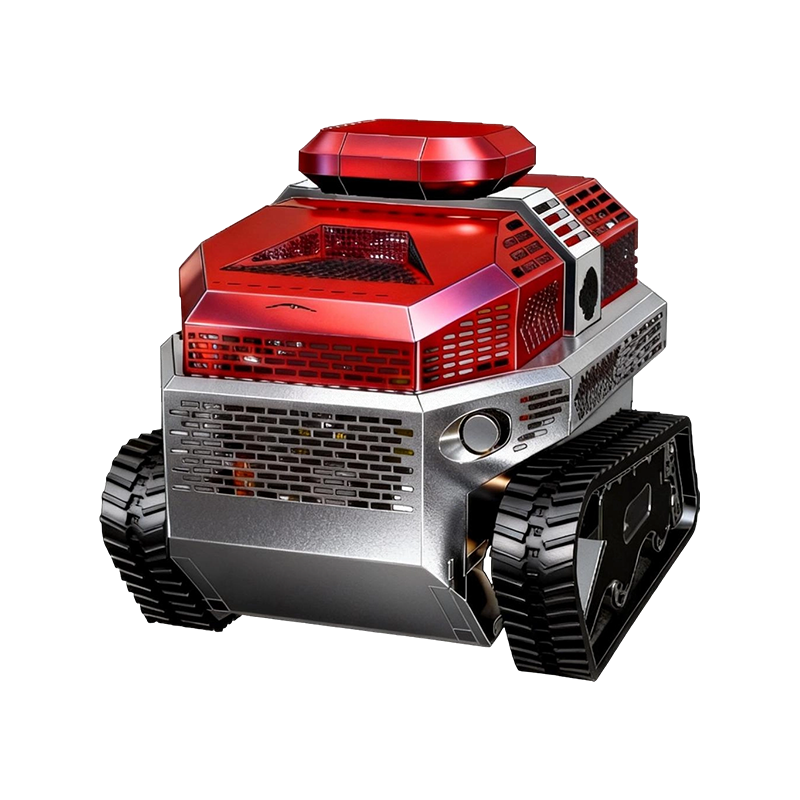
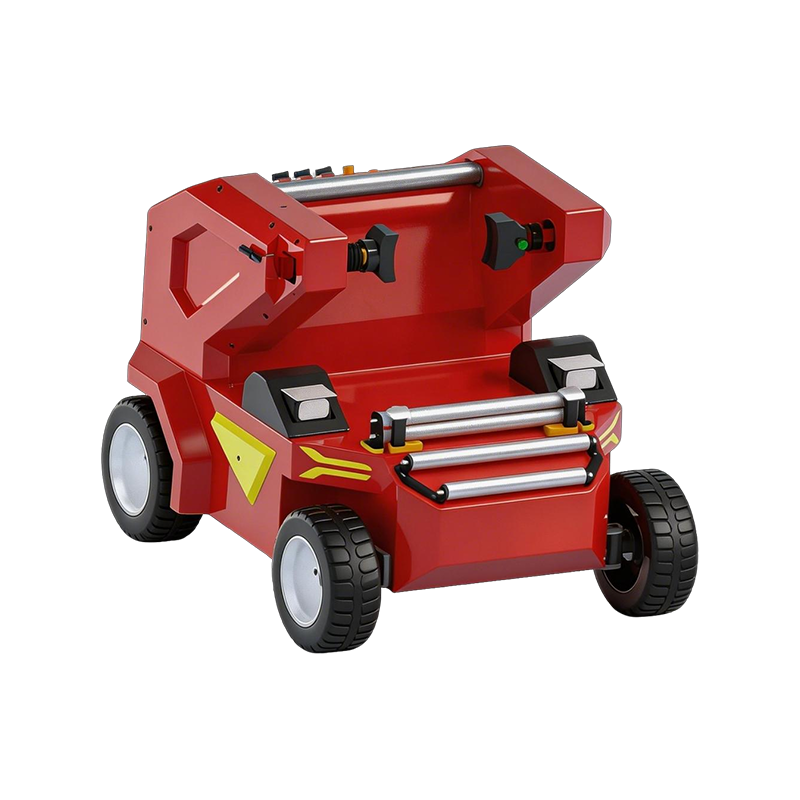
High Flow Emergency Drainage Pump
Rapid-deployment high-capacity pumping system for flood response, emergency dewatering, and disaster recovery operations in urban and industrial environments
The High Flow Emergency Drainage Pump is a self-priming, diesel-driven pumping system engineered for rapid response to flooding events and emergency water removal. The unit delivers up to 600 m³/h at 25 meters of head through a 200 mm discharge outlet, with a solids handling capacity of 75 mm. The integrated diesel engine provides independent operation without reliance on electrical infrastructure, making the system suitable for disaster zones and remote locations. The pump is mounted on a road-towable trailer with integrated lifting points for helicopter or crane deployment. A self-priming mechanism achieves full output within 90 seconds of immersion, and the unit can run dry without damage for extended periods. The system includes a 6-meter suction hose, a 20-meter discharge hose, and a control panel with automatic start and stop based on float switch input.
The self-priming mechanism achieves full output within 90 seconds of the suction strainer being immersed. The priming chamber retains sufficient fluid for immediate re-priming after shutdown. For extended dry run periods, the mechanical seal and wear rings are designed to withstand operation without water for up to 15 minutes without damage.
The pump passes solids up to 75 mm in diameter through the impeller and discharge outlet. This includes sand, gravel, small stones, organic debris, and fibrous materials. For sites with larger objects or heavy debris loads, a basket strainer with 100 mm openings is available as an optional accessory to prevent blockage of the suction line.
Yes. With the automatic float switch option, the pump starts and stops based on water level, enabling unattended operation for extended periods. The 90-liter fuel tank provides approximately 8 hours of continuous running at full load. For longer duration, the unit can be connected to an external fuel supply or refueled during operation. Safety shutdowns protect the engine in case of low oil pressure or high coolant temperature.
The unit is mounted on a road-towable trailer with a 50 mm ball or DIN tow eye, suitable for towing behind a standard pickup truck or SUV at speeds up to 80 km/h. For sites inaccessible by road, a four-point lifting frame enables crane or helicopter transport. The total dry weight is 1,850 kg, within the lifting capacity of most medium-lift helicopters.
After each deployment, flush the pump casing and suction line with clean water to remove sediment. Inspect the impeller and wear rings for erosion. Check the suction and discharge hoses for damage. Verify engine oil and coolant levels. Test the float switch operation. For units in standby, run the engine for 15 minutes monthly to maintain battery charge and lubricate internal components.