
 English
 русский
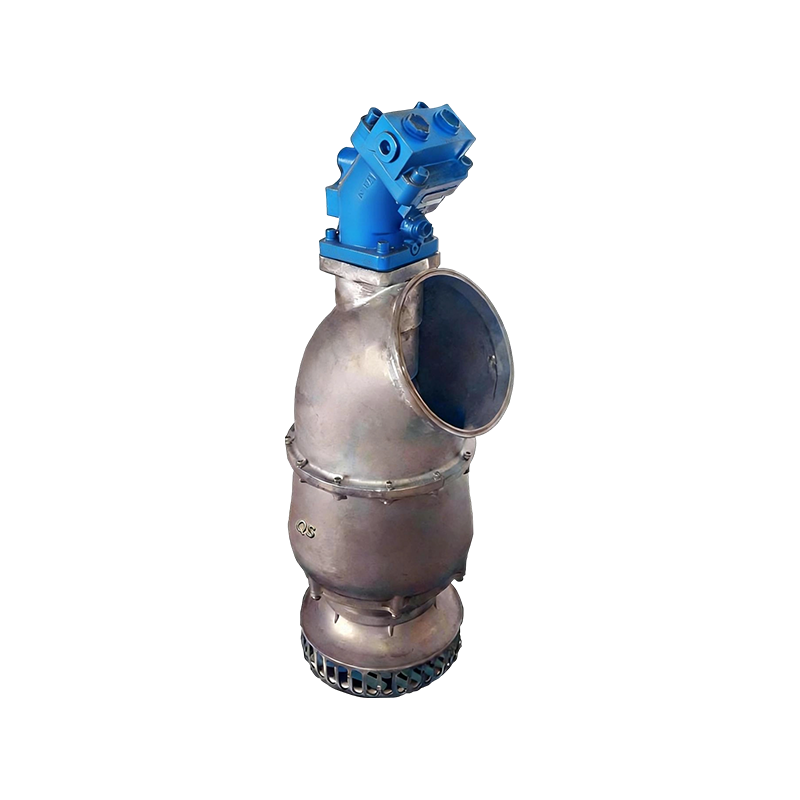

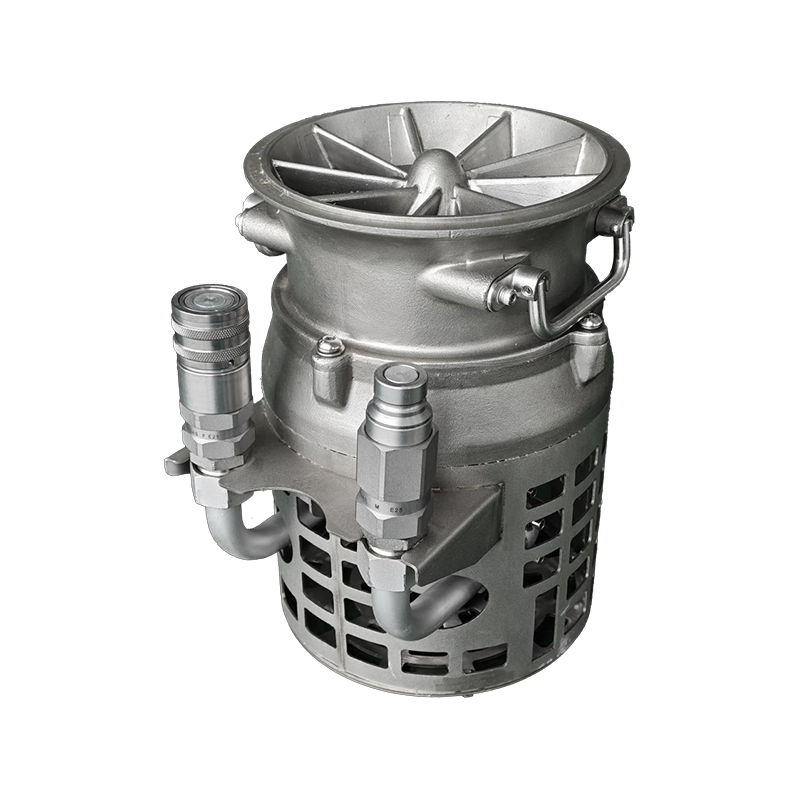
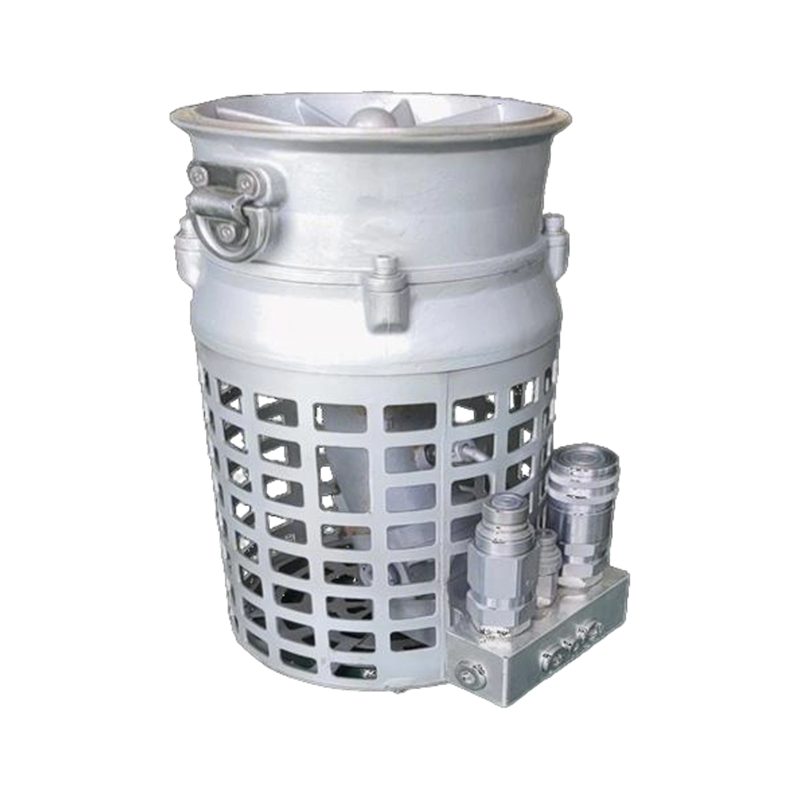

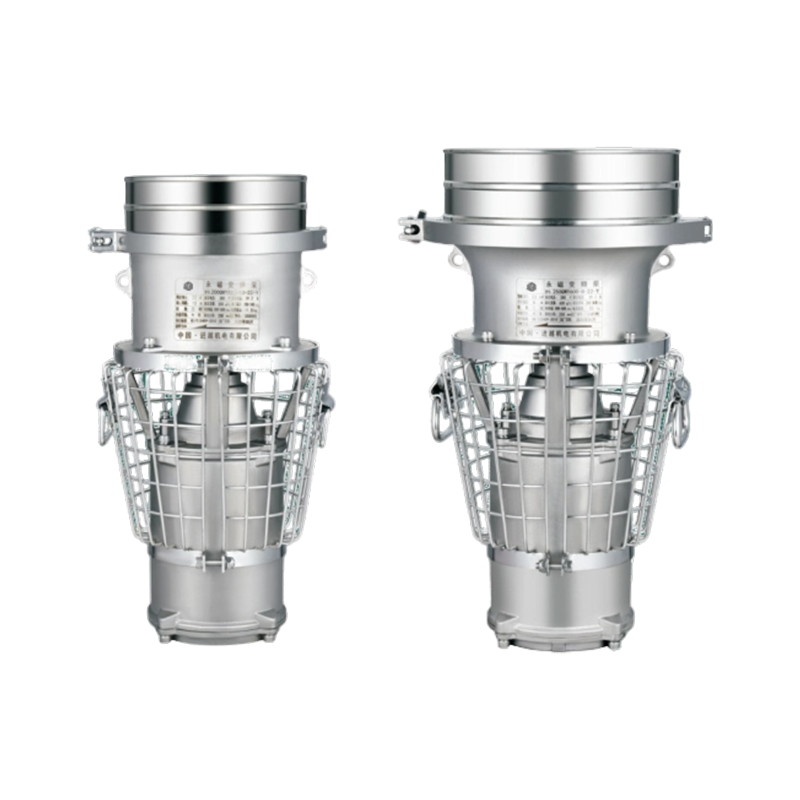


Hydraulic Axial Flow Pump
Hydraulically driven axial flow pump engineered for high-volume low-head water transfer in flood control, irrigation, and industrial circulation systems where flow capacity takes priority over discharge pressure
The Hydraulic Axial Flow Pump is a hydraulically driven propeller pump designed for moving large volumes of water at low head. Unlike centrifugal pumps that rely on radial flow, the axial flow design draws water in along the shaft axis and discharges it in the same direction through a propeller-style impeller. This configuration delivers high flow rates up to 2,800 m³/h at heads up to 12 meters, making the pump suitable for floodwater transfer, irrigation distribution, cooling water circulation, and large-scale water movement where head requirements are modest. The pump is driven by a hydraulic motor supplied from an external power unit, removing electrical components from the submerged or wet-end assembly. The impeller is a cast stainless steel propeller with adjustable blade pitch, and the casing is fabricated steel with a replaceable wear ring. The unit is suited to project-based procurement by municipal water authorities, irrigation districts, and industrial plants requiring high-volume circulation.
Axial flow pumps are selected when high flow is required at low head, typically below 12 meters. Centrifugal pumps are selected when higher head is required, even at lower flow. For a duty point of 2,000 m³/h at 6 meters, an axial flow pump is the appropriate choice and will require less power than a centrifugal pump achieving the same flow. For a duty point of 500 m³/h at 60 meters, a centrifugal or multistage pump is required. Buyers should provide both the required flow and the actual system head so the pump type can be confirmed.
Axial flow pumps are not designed for solids-laden water. The propeller blade tip clearance and wear ring are relatively tight, and sand or gravel passing through the pump will accelerate wear and reduce efficiency. For floodwater containing debris, a trash pump or slurry pump should be specified instead. If the water source is generally clean but may contain occasional fine silt, a pre-screen at the inlet and more frequent wear ring inspection should be planned. Buyers should confirm the water quality at inquiry stage.
The propeller blade pitch is set during assembly based on the flow and head specified at order. A steeper pitch moves more water at lower head, while a shallower pitch suits higher head at lower flow. Buyers should provide the required flow at the actual system head, and if the operating range varies, indicate the primary duty point. The blade pitch setting is recorded on the pump documentation so that repeat orders can be matched to the same specification.
The pump can be mounted vertically or horizontally, but the support arrangement must be designed for the chosen orientation. In vertical lift station installation, the pump is typically supported by a discharge pipe column or a guide rail system, and the hydraulic hoses are routed to the surface power unit. Buyers should provide the intended orientation, the available chamber dimensions, and the discharge pipe configuration so the mounting arrangement can be confirmed before order.
The primary maintenance item affecting efficiency is the impeller tip clearance and wear ring condition. Clearance should be measured periodically, and the wear ring replaced when clearance exceeds the specified limit. The mechanical seal should be inspected for leakage, and the hydraulic circuit checked for pressure and flow stability. For continuous duty installations, an annual inspection of blade condition, wear ring clearance, and seal integrity is recommended, with the wear ring replaced as required.
Matching requires the power pack hydraulic flow in liters per minute, maximum pressure in bar, and relief valve setting, together with the required flow and head at the duty point. The pump's hydraulic motor displacement is selected so the available flow produces the required impeller speed. If the power unit model is known but flow figures are not, the supplier can typically match the motor from the model number. Confirmation of the final match should be obtained before ordering, as axial flow duty is sensitive to impeller speed.
A complete inquiry should include: required flow rate in cubic meters per hour at the actual system head; required head in meters; water source and quality, including whether sand or debris is present; intended installation orientation, vertical or horizontal; available chamber or pipe dimensions; power pack hydraulic flow in liters per minute and maximum pressure in bar; relief valve setting; required discharge outlet size; and duty hours per day. For project orders, indicate the estimated quantity and whether the specification must remain fixed across repeat orders. This allows the supplier to quote a matched configuration rather than a generic model.