
 English
 русский
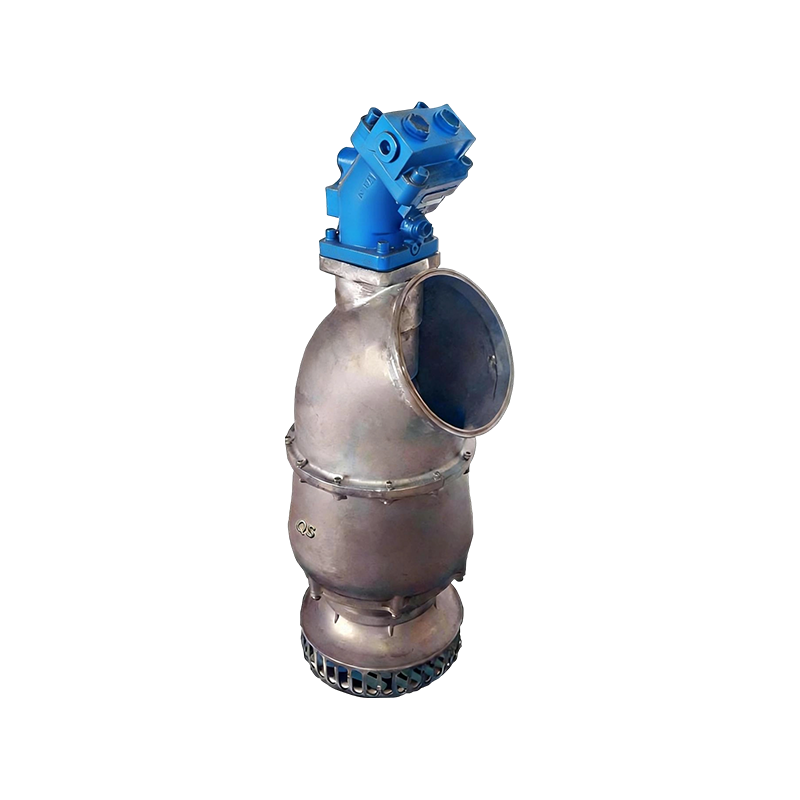


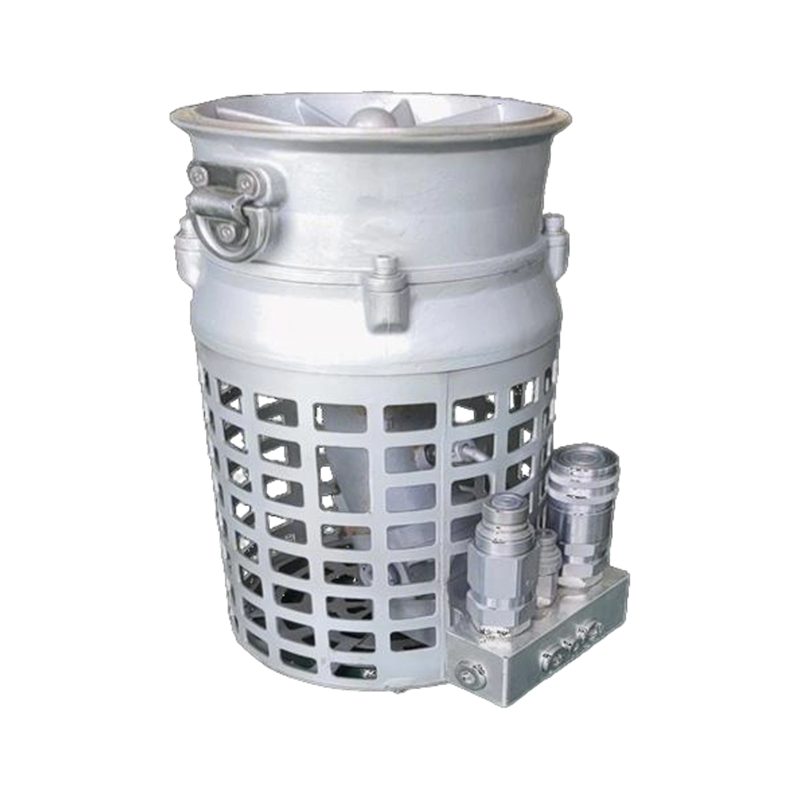
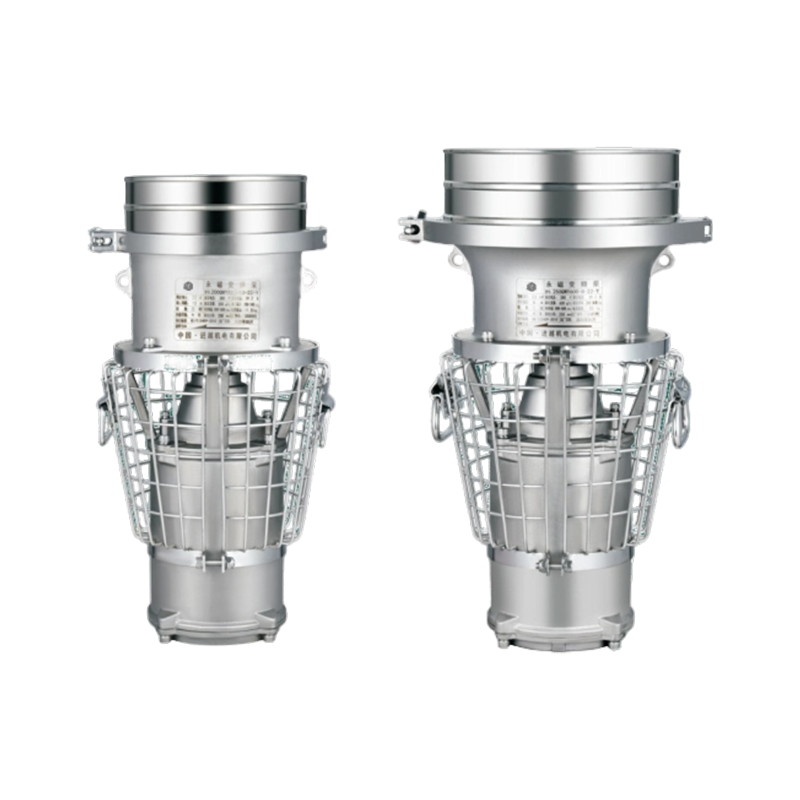
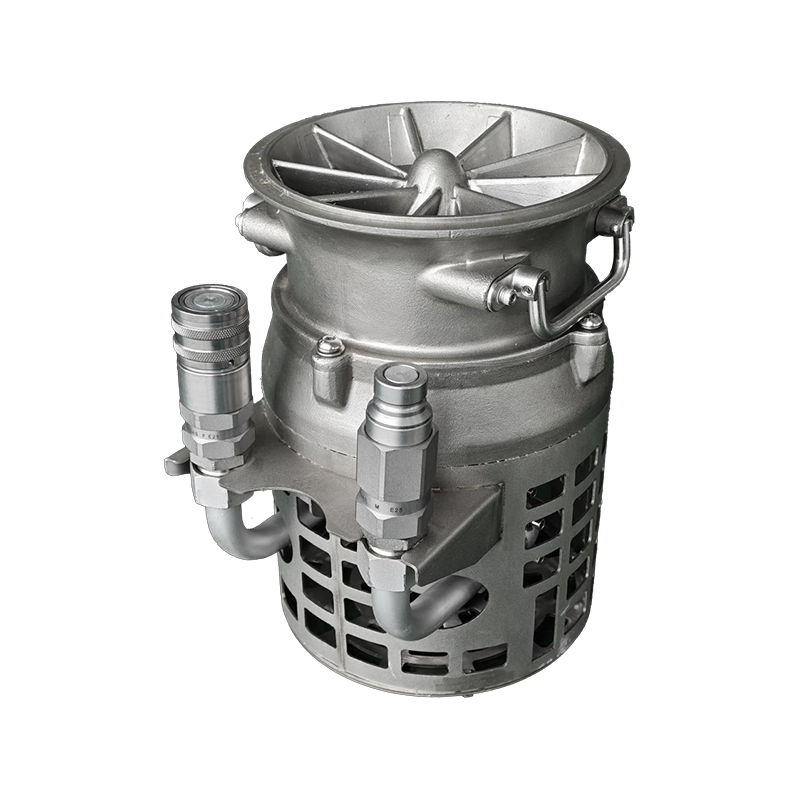
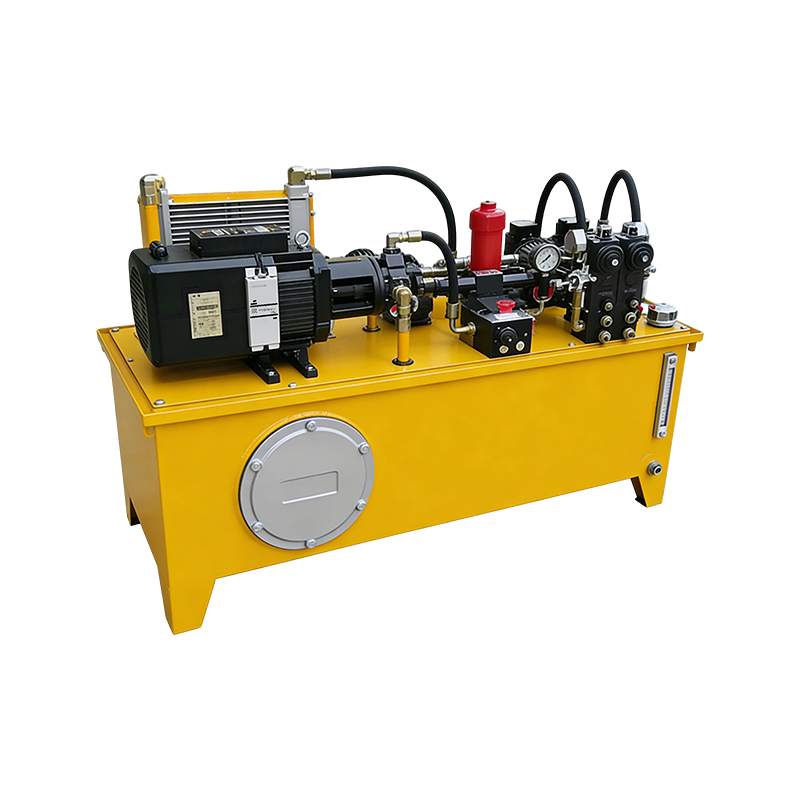
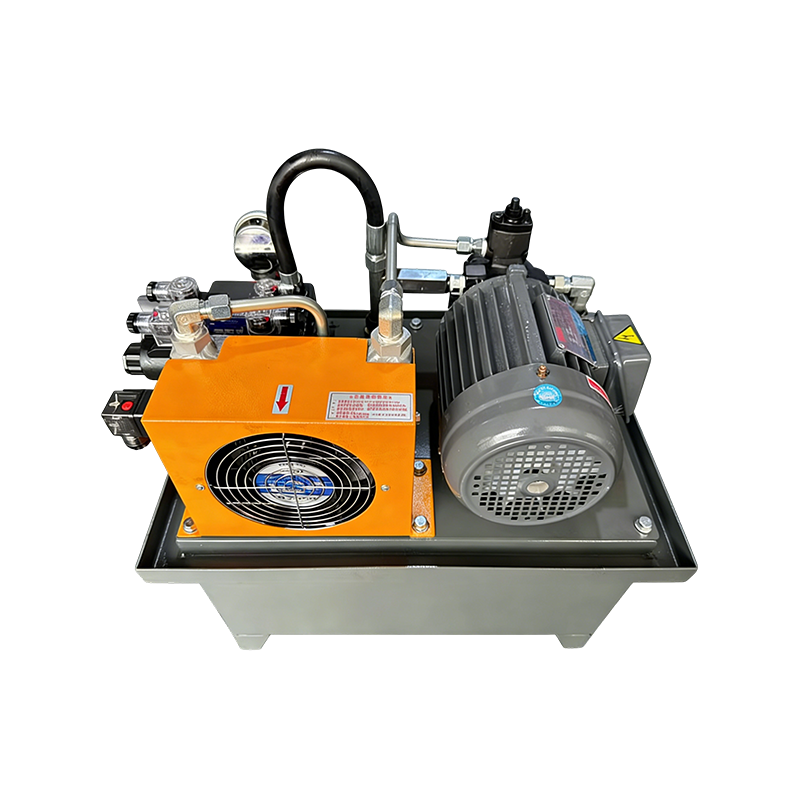
Hydraulic Slurry Drainage Pump
Hydraulically driven submersible slurry pump engineered for high-density solids, abrasive tailings, and thickened sludge where clear-water pumps fail under load
The Hydraulic Slurry Drainage Pump is a hydraulically driven submersible centrifugal pump designed for moving liquids with high solids concentration and abrasive content. The pump handles slurries with a specific gravity up to 1.6 and passes solids up to 65 mm through a wide-passage impeller and casing configuration. Power is supplied by an external hydraulic power unit through hoses, with the hydraulic motor integrated into the sealed pump housing. No electric motor or wiring is submerged, allowing operation in tailings ponds, settling basins, and sludge pits where electrical submersibles present safety and reliability issues. The casing is cast iron with a thick replaceable wear liner, and the impeller is high-chrome alloy for abrasive resistance. The unit is suited to batch procurement by mining operators, wastewater treatment facilities, and industrial plants handling thickened solids on a continuous or campaign basis.
The pump is configured to handle slurries with specific gravity up to 1.6, depending on hydraulic supply and model. Beyond this density, the hydraulic motor may not deliver sufficient torque to maintain impeller speed, and the discharge head will fall below the rated value. Buyers should provide the expected slurry SG and solids concentration at inquiry stage so the hydraulic motor displacement and power pack relief setting can be matched. For slurries above 1.6 SG, dilution upstream or a higher-capacity power unit should be considered.
Increased slurry density raises both the hydraulic power required to move the fluid and the wear rate on the impeller and liner. A slurry at 1.6 SG requires approximately 60 percent more power than water at the same flow and head. The hydraulic motor and power pack must be sized accordingly, and the relief valve setting should account for the higher pressure generated at dense slurry conditions. Buyers should not assume that a pump rated for water duty will achieve the same head on dense slurry without confirming hydraulic supply capacity.
For continuous abrasive slurry duty, the recommended inventory includes one wear liner and one impeller per pump head, plus a mechanical seal cartridge for every three pump heads. This ratio is higher than for clear-water duty because abrasive slurry accelerates liner and impeller wear. Buyers should confirm the supplier's wear part lead time before finalizing plant or fleet quantities, as replenishment delays directly affect pump availability. For particularly abrasive tailings, more frequent liner replacement should be anticipated.
The pump can operate in settling ponds where slurry density varies with depth and location. Because output is regulated by hydraulic oil supply, the operator can reduce flow when the pump is drawing denser material and increase it when the slurry is thinner. However, the hydraulic motor and power pack must be sized for the maximum expected density, not the average. For pond duty where density varies significantly, a power pack with adjustable flow and pressure compensation is recommended to prevent stalling in dense zones.
The pump passes solids up to 65 mm in diameter through a wide-passage impeller and casing. This covers sand, gravel, mineral fines, and small stones typical of tailings and dredging applications. For slurries containing larger objects or fibrous material, a strainer with larger openings or a pre-screening arrangement may be specified. Buyers should confirm the particle size distribution of the slurry at inquiry stage, as oversized particles can block the impeller passage and require manual clearing.
Matching requires the power pack hydraulic flow in liters per minute, maximum pressure in bar, and relief valve setting, together with the required discharge head, flow, and maximum slurry density. The pump's hydraulic motor displacement is selected so the available flow produces the required impeller speed under the specified slurry load. If the power unit model is known but flow figures are not, the supplier can typically match the motor from the model number. Confirmation of the final match should be obtained before ordering, particularly for slurry duty where under-sizing leads to stalling.
Each pump head is pressure tested on the hydraulic circuit to verify seal integrity and joint tightness. Impeller and wear liner clearances are measured and recorded. A test run confirms free rotation of the shaft assembly. Buyers requiring witnessed testing, third-party inspection certificates, or specific documentation for mining or wastewater site approval should specify these at the inquiry stage, as such arrangements affect production scheduling and lead time.
A complete inquiry should include: required discharge flow in cubic meters per hour; required head in meters; maximum slurry specific gravity; solids concentration and particle size distribution; power pack hydraulic flow in liters per minute and maximum pressure in bar; relief valve setting; required discharge outlet size; hose length and pressure rating; expected submersion depth; and duty hours per day. For plant or fleet orders, indicate the estimated annual quantity and whether the specification must remain fixed across repeat orders. This allows the supplier to quote a matched configuration rather than a generic model.