
 English
 русский
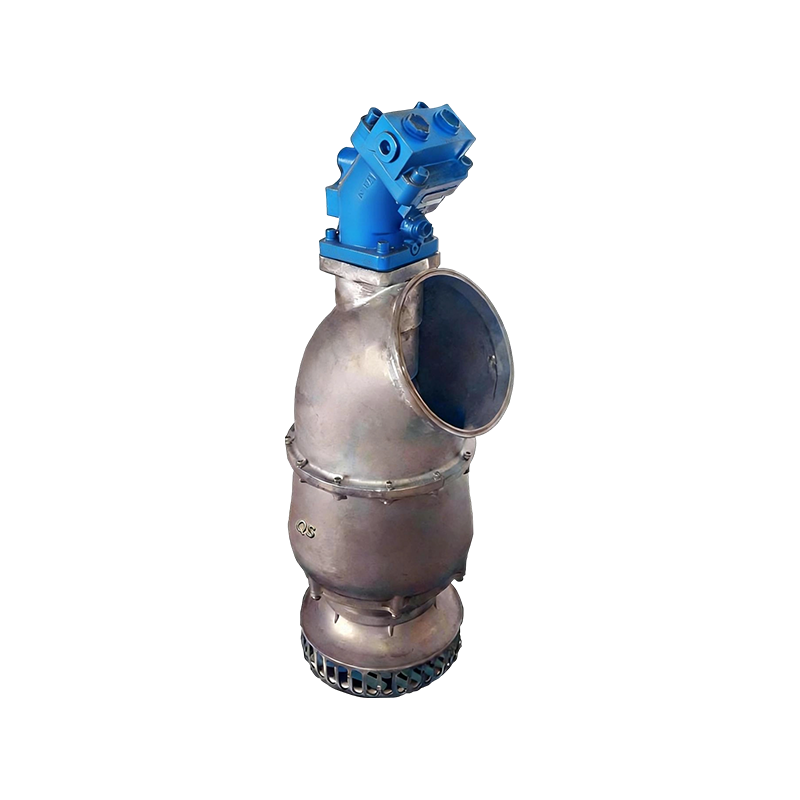


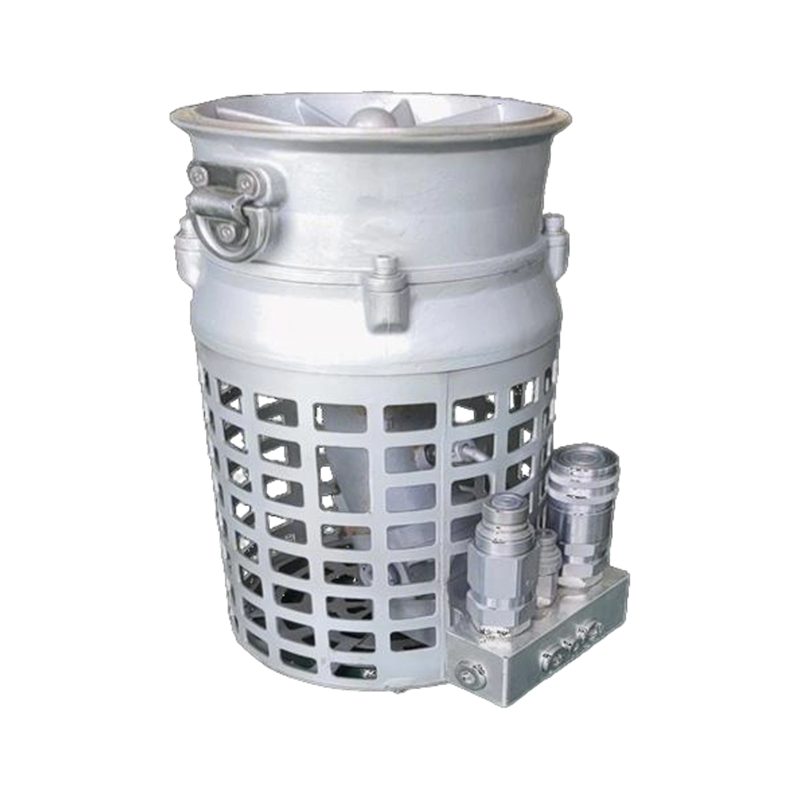
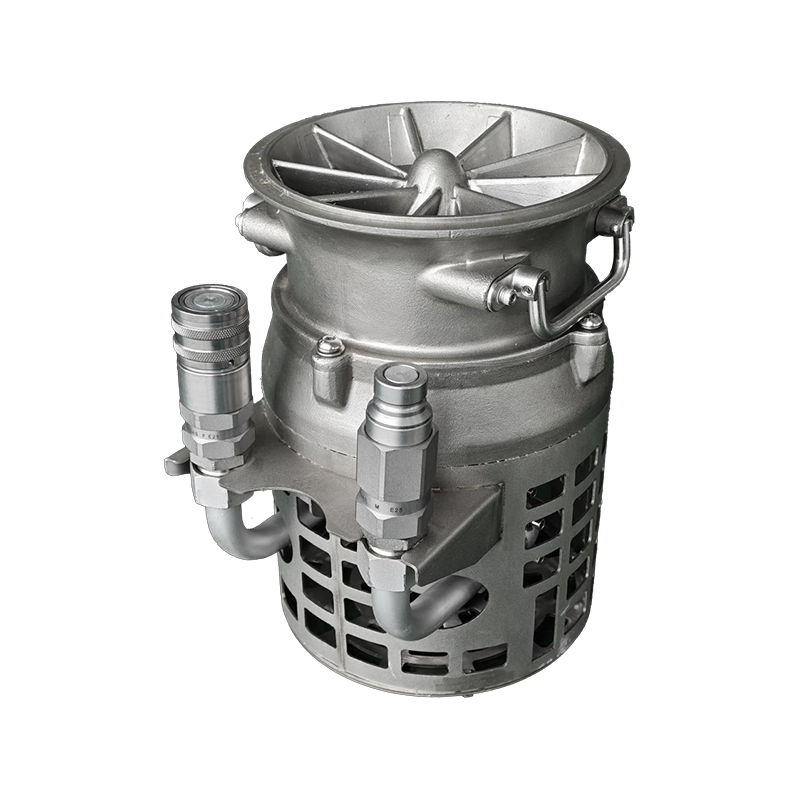
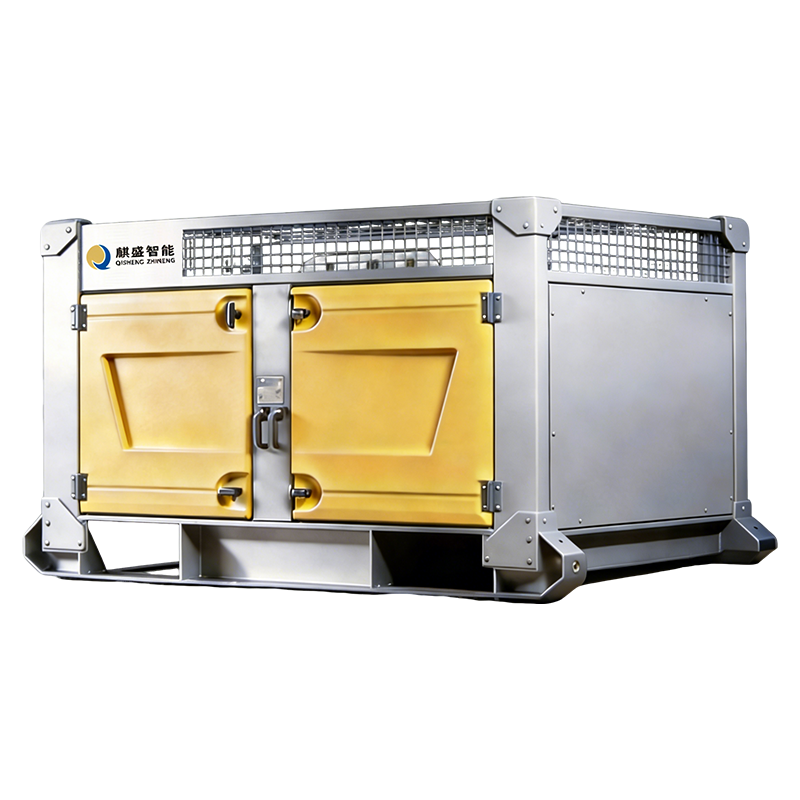

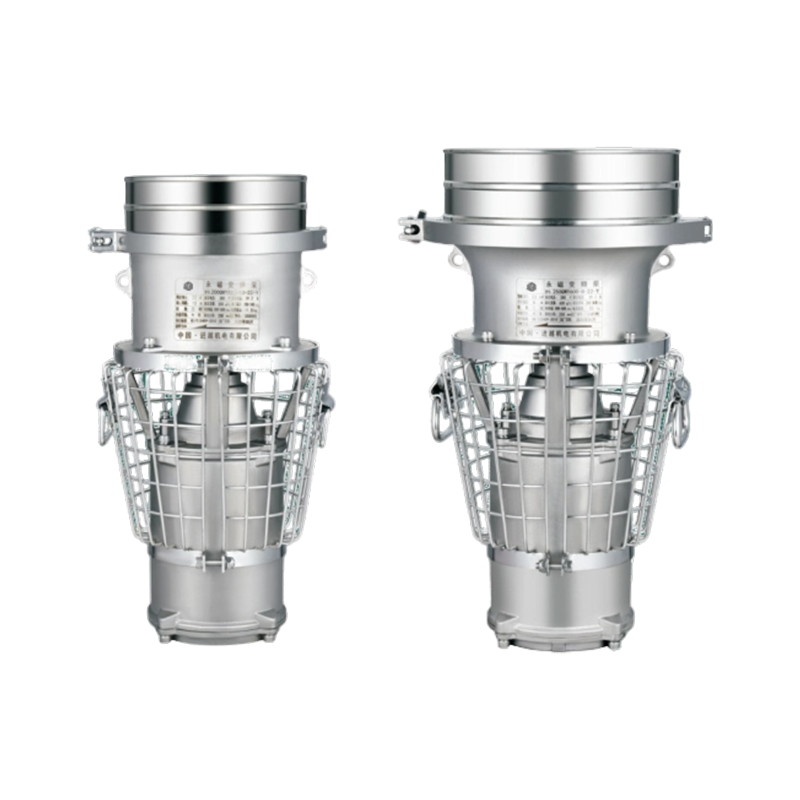
Hydraulic Self Priming Water Pump
Hydraulically driven self-priming pump for sump drainage and water transfer where the pump must draw water from below the impeller level without manual priming
The Hydraulic Self Priming Water Pump is a hydraulically driven centrifugal pump with an integrated priming chamber that allows it to draw water from a suction source below the impeller level without manual filling. The pump uses a liquid-ring priming principle: a small volume of water remains in the chamber after shutdown, and when the hydraulic motor starts, this retained water forms a seal that allows the impeller to evacuate air from the suction line and establish flow. This configuration suits sumps, tanks, and pits where the water level fluctuates and the pump cannot remain submerged. The pump delivers up to 280 m³/h at heads up to 38 meters, with a maximum suction lift of 7.5 meters. The casing is cast iron with a replaceable wear plate, and the impeller is cast iron with a semi-open design passing solids up to 40 mm. The hydraulic motor is integrated into the pump housing and supplied from an external power unit, removing electrical components from the wet end.
The pump has a priming chamber that retains a small volume of water after shutdown. When the hydraulic motor starts, the impeller rotates and the retained water forms a liquid ring that seals the impeller passages. This allows the impeller to evacuate air from the suction line and create a vacuum, drawing water up from the source. Once water reaches the impeller eye, the pump transitions to normal pumping. The process repeats automatically on each start, provided water remains in the priming chamber and the suction line is airtight.
The maximum suction lift is 7.5 meters with a fully primed chamber and an airtight suction line. Actual suction lift is reduced by air leaks in the suction pipe, a worn foot valve, high water temperature, and excessive suction line length or fittings. Buyers should keep the suction line as short and straight as possible, use a foot valve in good condition, and confirm that all joints are sealed. If the actual lift approaches 7.5 meters, a larger priming chamber or a different suction arrangement may be required.
If the water source drops below the suction inlet and the pump draws air, the priming chamber may lose its retained water over time. The pump can run dry without immediate bearing failure because the hydraulic motor and bearings are lubricated by the hydraulic circuit, but the mechanical seal relies on water for cooling. For applications where water level fluctuates, a level control valve or float switch on the power pack circuit is recommended to stop the pump when water falls below the suction inlet, preserving the priming chamber charge for the next start.
The semi-open impeller passes solids up to 40 mm in diameter, including sand, silt, and small debris. For applications with fibrous material or larger objects, a strainer with larger openings or a trash pump should be specified. Buyers should confirm the expected solids profile at inquiry stage so the impeller and suction strainer configuration can be matched to the application.
Matching requires three inputs from the power pack: hydraulic flow in liters per minute, maximum pressure in bar, and relief valve setting. The pump's hydraulic motor displacement is selected so that the available flow produces the required impeller speed. Providing these figures along with the required discharge head, flow, and suction lift allows the supplier to specify the correct motor. If the power unit model is known but the flow figures are not, the supplier can typically match the motor from the model number.
The priming chamber should be inspected periodically for debris accumulation and check valve condition. The check valve must seal properly to retain water between cycles; a worn or dirty valve will reduce priming performance. The chamber should be drained and cleaned if sediment accumulates. The foot valve on the suction line should also be inspected, as a leaking foot valve allows water to drain back and defeats the priming function. For units in intermittent duty, a monthly check of priming performance is recommended.
A complete inquiry should include: required discharge flow in cubic meters per hour; required head in meters; vertical suction lift in meters; suction pipe diameter, length, and material; water source and expected solids content; power pack hydraulic flow in liters per minute and maximum pressure in bar; relief valve setting; required discharge outlet size; and duty hours per day. For fleet orders, indicate the estimated annual quantity and whether the specification must remain fixed across repeat orders. This allows the supplier to quote a matched configuration rather than a generic model.