
Equipment Data Sheet HCD Series
Hydraulic Drive Submersible
Revision 3.1
Centrifugal Drainage Equipment

Hydraulic Centrifugal Drainage Pump

Hydraulically driven centrifugal pump for general dewatering, sump drainage, and water transfer where electrical submersibles are unsuitable and moderate solids tolerance is required

45 m Max Head
350 m³/h Flow Rate
35 mm Solid Passage
Product Introduction

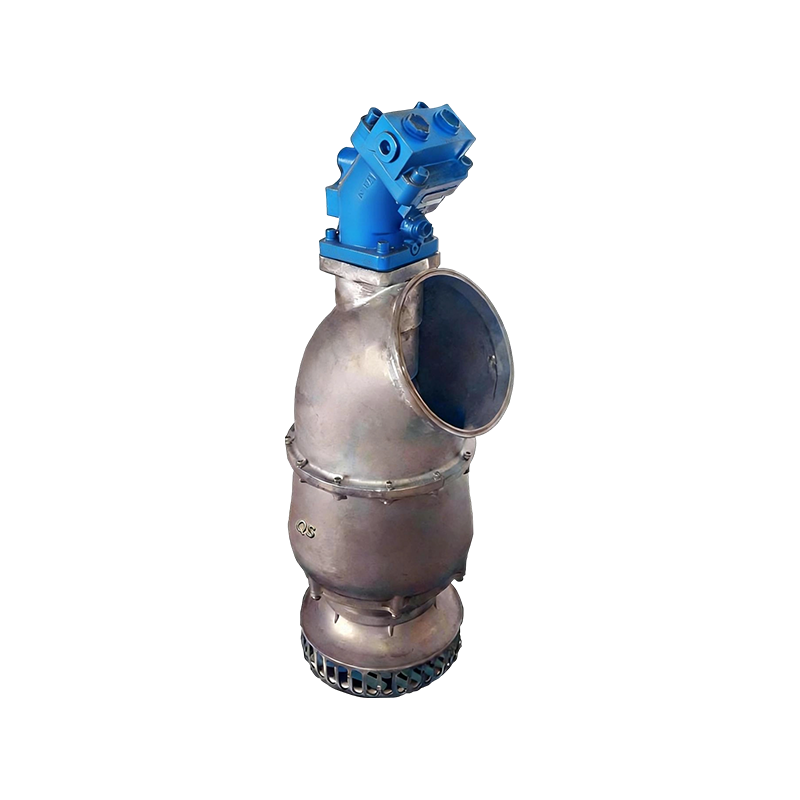
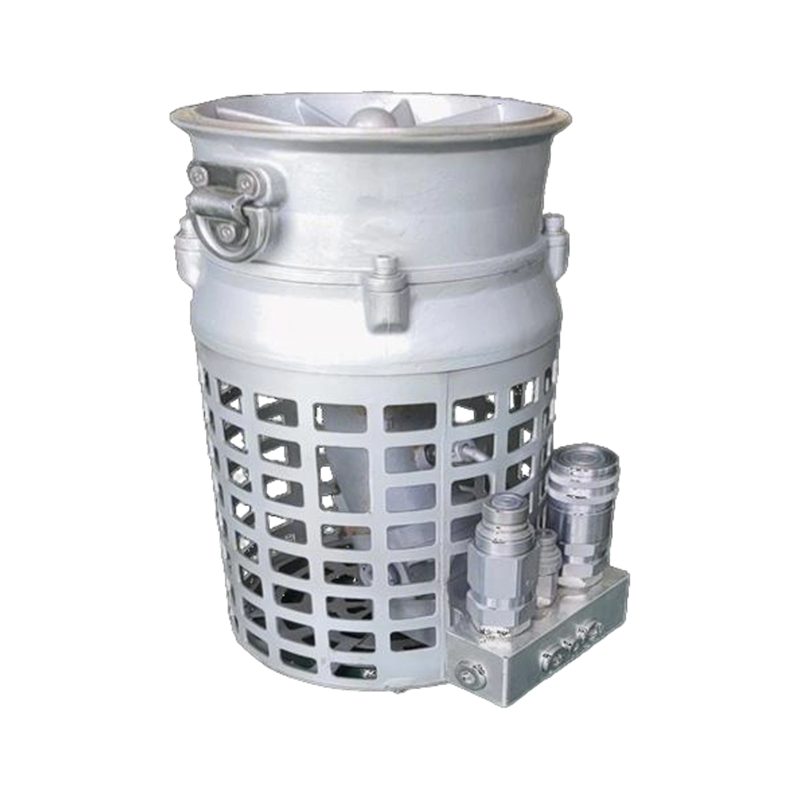
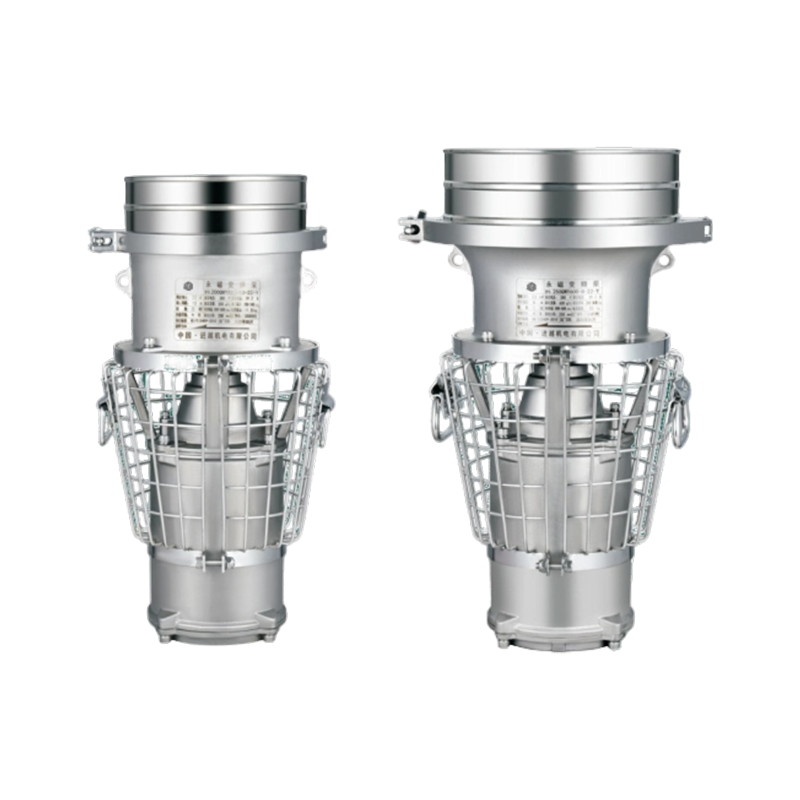
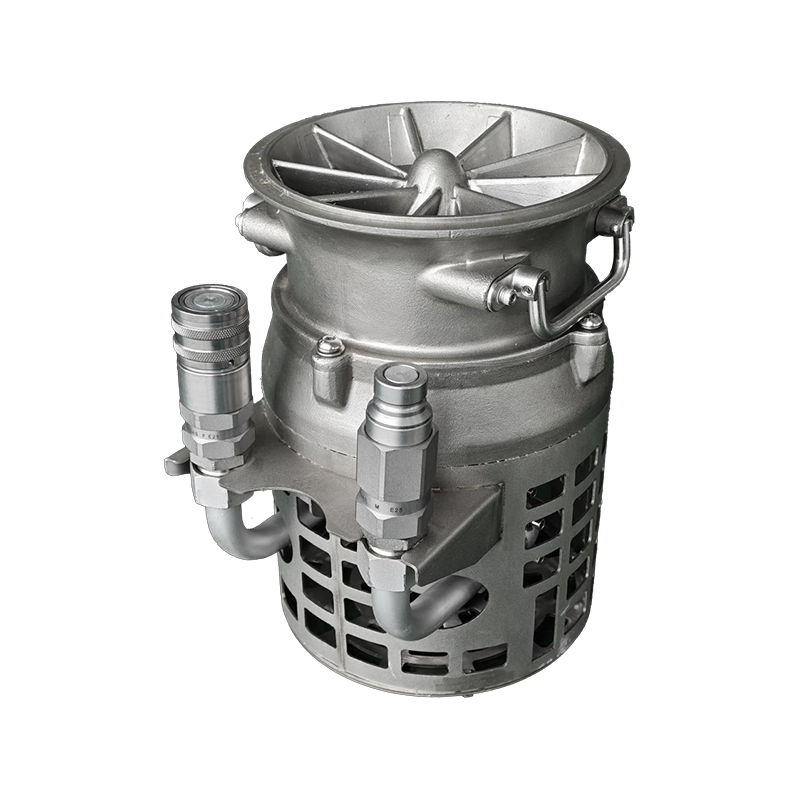
The Hydraulic Centrifugal Drainage Pump is a hydraulically driven submersible centrifugal pump designed for general dewatering and water transfer duties. The pump uses a semi-open impeller and volute casing to generate head through radial flow, delivering up to 350 m³/h at heads up to 45 meters. Power is supplied by an external hydraulic power unit through hoses, with the hydraulic motor integrated into the sealed pump housing. No electrical motor or cable is submerged, simplifying safety management in wet sumps, tanks, and excavations. The pump passes solids up to 35 mm, making it suitable for water containing sand, silt, and small debris. The casing is cast iron with a replaceable wear plate, and the impeller is cast iron with a hardened leading edge. The unit is suited to batch procurement by contractors, municipal maintenance departments, and industrial plants requiring a general-purpose hydraulic dewatering pump.

Technical Parameters
Pump type Hydraulically driven centrifugal, submersible
Maximum head Up to 45 m depending on hydraulic supply and model
Maximum flow Up to 350 m³/h depending on outlet size and head
Solid passage 35 mm through semi-open impeller
Discharge outlet 100 mm (4 inch) or 150 mm (6 inch) flange options
Impeller material Cast iron, semi-open design with hardened leading edge
Casing material Cast iron with replaceable wear plate
Shaft seal Mechanical seal, silicon carbide faces, cartridge type
Hydraulic supply External power pack required; flow and pressure to be confirmed against power unit
Submersion depth Up to 20 m, model dependent
Dry weight Approximately 48 kg for 100 mm model, to be confirmed
Core Advantages
General-Purpose Dewatering Capability The centrifugal volute design delivers a balanced flow and head range suitable for sump drainage, tank emptying, and excavation dewatering. It covers duties between compact portable pumps and large high-flow units, making it a practical choice for mixed-project contractors.
Moderate Solids Tolerance The semi-open impeller passes solids up to 35 mm, covering sand, silt, and small debris that would clog closed-impeller clear-water pumps. This reduces pre-screening requirements in typical construction and municipal sump conditions.
Electrical Isolation at the Pump The submerged unit contains no electrical motor or cable entry. Hydraulic power is transmitted from a surface-mounted power pack, removing the risk of cable damage and seal failure flooding the motor in wet conditions.
Output Adjustable at the Power Pack Flow and head are regulated by varying hydraulic oil supply rather than by changing impeller diameter or electrical speed control. This allows output to be matched to changing water levels and discharge line conditions during operation.
Shared Power Infrastructure A single hydraulic power unit can drive multiple pump heads, including clear-water, trash, and slurry variants. For operators already using hydraulic dewatering equipment, this pump can be added to the existing power inventory without new electrical installations.
Application Scenarios
A1 Construction Site Dewatering Removal of groundwater and rainwater from foundation pits, trenches, and excavation sumps. The moderate solids tolerance handles water carrying soil and fine aggregate without frequent cleaning.
A2 Municipal Sump and Manhole Pumping Dewatering of sewer sumps, stormwater chambers, and maintenance holes during inspection or repair. The compact submerged profile allows lowering through standard access openings.
A3 Industrial Tank and Pit Drainage Emptying of washdown pits, cooling water basins, and process tanks where hydraulic power is already available on site. The pump can share the existing hydraulic circuit.
A4 Floodwater Transfer and Removal Transfer of standing floodwater from low-lying areas, underpasses, and basements. The 35 mm solids passage accommodates the sand and debris typically present in first-flush floodwater.
A5 Rental Fleet Standardization Rental companies procure one power pack model with multiple pump heads, covering dewatering duties from small sumps to moderate-flow bypass work without maintaining multiple electric pump variants.
A6 Emergency Response Stockholding Agencies maintain hydraulic pump heads in stock for rapid deployment with existing power units, avoiding the need to store and maintain multiple electric pump variants.
Manufacturing and Supply Capabilities
Casting and machining Casing and impeller produced through casting with subsequent machining of sealing faces, wear plate seat, and bearing bores. Casting source and machining tolerance capability to be confirmed with the factory.
Hydraulic motor integration Hydraulic motor assembled into the pump housing with sealed shaft coupling. Motor displacement selected according to the buyer's power pack flow, pressure, and relief valve setting.
Wear part supply Replaceable wear plates and impellers supplied as service parts. Wear part inventory levels and replenishment lead times to be confirmed.
Custom configuration Discharge outlet size, hydraulic motor specification, hose length, and coupler type can be adjusted to match existing power pack inventories. Minimum order quantity for custom configurations to be confirmed.
Batch production Production scheduling accommodates repeat orders for fleet replacement and stock replenishment. Batch sizes and production cycle times to be confirmed against current factory capacity.
Quality inspection Inspection covers hydraulic circuit pressure testing, seal integrity verification, impeller clearance measurement, and free rotation check of the shaft assembly. Test records and third-party inspection arrangements to be confirmed.
Export packaging Pump heads packed in wooden cases with hydraulic ports capped and hoses coiled separately. Packaging configuration for sea freight and buyer branding requirements to be confirmed.
Technical documentation Dimensional drawings, hydraulic connection diagrams, and wear part lists available. Availability of pressure test certificates and material declarations to be confirmed at inquiry stage.
B2B Buyer Considerations
Power Pack Matching The hydraulic motor displacement must match the buyer's power pack flow rate to achieve the required impeller speed. Buyers should provide the power unit model, flow in liters per minute, and relief valve setting at inquiry stage. This is the primary technical gate before model selection.
Discharge Outlet and Hose Inventory Outlet size determines the discharge hose and coupling inventory the buyer must hold. Buyers with existing 100 mm hose stocks will specify 100 mm models, while higher-flow duties require 150 mm. Hose length and coupler type should be confirmed at order stage.
Wear Part Stocking In sandy or silty water, wear plates and impellers require periodic replacement. Fleet buyers should confirm the supplier's service parts stocking policy and replenishment lead time before committing to quantities. A recommended wear part ratio per pump head should be agreed.
Specification Consistency Across Repeat Orders Distributors and rental operators require consistent hydraulic motor specification and impeller profile across production batches. Buyers should confirm that the supplier can hold the agreed configuration across repeat orders before committing to a fleet schedule.
Documentation for Site Approval Contractors deploying pumps on regulated sites may require hydraulic pressure test certificates, material declarations, and dimensional drawings for site safety documentation. Availability of these documents should be confirmed during the inquiry.
Frequently Asked Questions

The semi-open impeller passes solids up to 35 mm in diameter, including sand, silt, and small debris. This covers typical construction site and municipal sump conditions. For applications with fibrous material or larger objects, a strainer with larger openings or a trash pump should be specified. Buyers should confirm the expected solids profile at inquiry stage so the impeller and strainer configuration can be matched to the application.

Matching requires three inputs from the power pack: hydraulic flow in liters per minute, maximum pressure in bar, and relief valve setting. The pump's hydraulic motor displacement is selected so that the available flow produces the required impeller speed. Providing these figures along with the required discharge head and flow allows the supplier to specify the correct motor. If the power unit model is known but the flow figures are not, the supplier can typically match the motor from the model number.

The hydraulic motor and shaft bearings are lubricated by the hydraulic circuit rather than the pumped water, so the pump can run dry without the immediate bearing failure associated with electric submersibles. However, the mechanical seal relies on the pumped medium for cooling, and extended dry running accelerates seal face wear. For applications where water level fluctuates, a level control valve or float switch on the power pack circuit is recommended.

The discharge outlet size is determined by the casing casting and is not field-changeable on a standard unit. Buyers requiring 150 mm outlet must specify this at order stage. For buyers holding existing 100 mm hose and coupling inventory, the 100 mm model is the standard configuration. Custom outlet configurations may be available subject to minimum order quantity, which should be confirmed with the supplier.

For fleet operators, the recommended wear part inventory includes one wear plate and one impeller per pump head, plus a mechanical seal cartridge for every four pump heads. This ratio reflects typical wear rates in sandy and silty service. Buyers should confirm the supplier's service parts lead time before finalizing fleet quantities, as replenishment delays directly affect pump availability.

Each pump head is pressure tested on the hydraulic circuit to verify seal integrity and joint tightness. The impeller clearance is measured and recorded. A test run confirms free rotation of the shaft assembly. Buyers requiring witnessed testing, third-party inspection certificates, or specific documentation for site approval should specify these at the inquiry stage.

A complete inquiry should include: required discharge flow in cubic meters per hour; required head in meters; power pack hydraulic flow in liters per minute and maximum pressure in bar; relief valve setting; required discharge outlet size; hose length and coupler type; expected submersion depth; and the expected solids content of the water. For fleet orders, indicate the estimated annual quantity and whether the specification must remain fixed across repeat orders.

Est. 2014 high-end hydraulic
Wuhu Qisheng
Intelligent Equipment

Professional China designer & custom manufacturer, suppliers of Hydraulic Centrifugal Drainage Pump for emergency, rescue, agricultural water conservancy, and environmental protection.

Deeply engaged

We keep up with industry trends and empower efficient operations with professional strength.

Senior R&D engineers Technical pain point solutions Efficient production system Rapid market response
200+
projects delivered
98%
on‑time delivery
emergency rescue environmental agricultural water
Engineering excellence

Deeply engaged in the hydraulic equipment industry, we keep up with trends and empower efficient operations with professional strength. Our core competitiveness lies in strong technological and production capabilities.

We have a team of senior R&D engineers with rich practical experience. Accurately grasping technical pain points and demand directions, we provide solid support for product innovation.

Our engineers work closely with clients to translate operational challenges into precise technical specifications, ensuring every solution is fit for purpose.

Production & agility

Equipped with an efficient production system, we realize seamless connection between R&D and production, quickly respond to market changes, meet diverse customer needs, and ensure delivery efficiency and product stability.

Rapid prototyping & testing
Flexible manufacturing capacity
Just-in-time inventory management
End-to-end quality control
Lean production workflows
Automated assembly lines
24/7technical support
100+custom solutions
48hrapid response
99%quality pass rate
Product portfolio

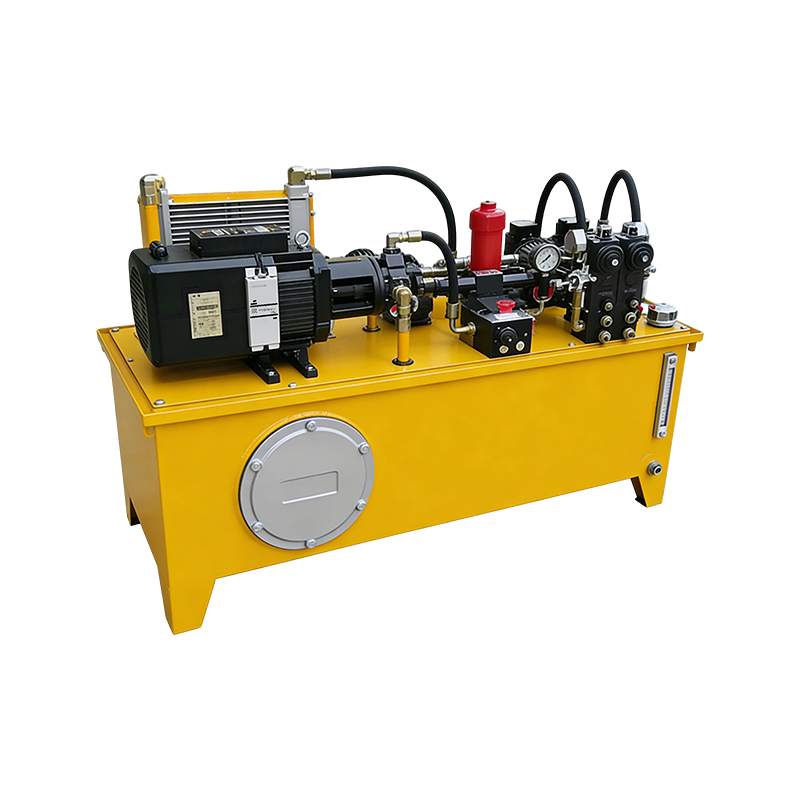
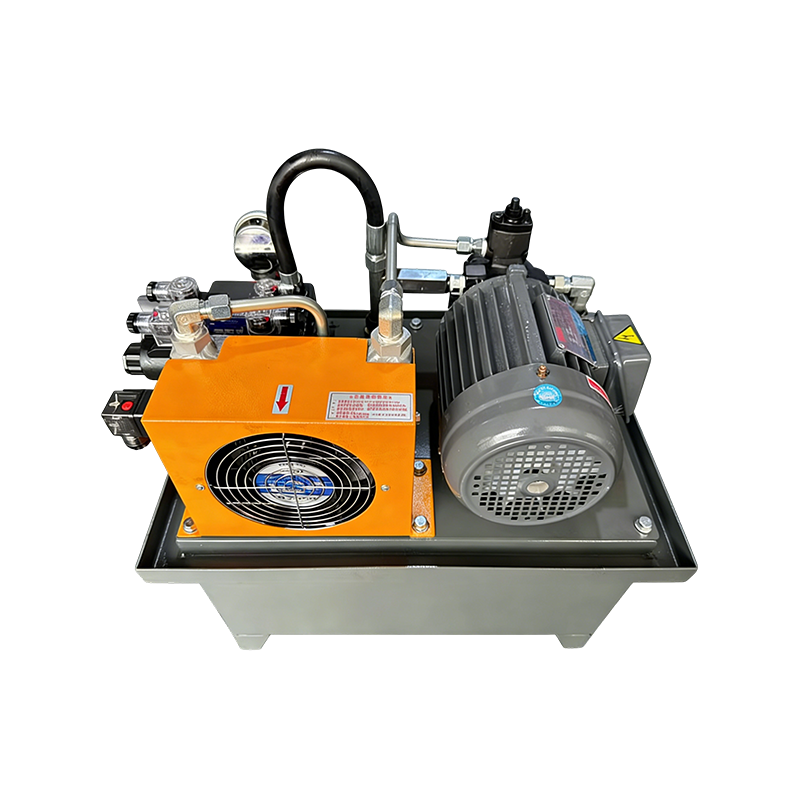
Our products cover multiple categories including hydraulic power stations, slurry pumps, integrated and portable water pump equipment, and hydraulic breakers — for drainage, dredging, forest fire fighting, cutting, drilling, and sand suction.

With comprehensive functions, our products can be widely used in various scenarios such as drainage, dredging, forest fire fighting, cutting, drilling, and sand suction, adapting to the actual operation needs of core fields such as emergency rescue and environmental construction.

Non‑electric drive

Safe operation in hazardous environments, high lift, strong wear resistance, easy mobility — hardcore equipment under complex working conditions.

Customized R&D

Full‑process tailored solutions to solve your personalized operation problems. We design exclusive hydraulic equipment for your specific needs.

200+
projects delivered
98%
on‑time delivery
24/7
technical support
100+
custom solutions
Development philosophy
“Promoting the development of emergency rescue hydraulic equipment and leading the technological innovation of the industry.”

We adhere to the original intention of quality, focus on customers' core demands, and are committed to providing high‑quality, highly competitive products, customized solutions and comprehensive services.

Strategic partner
Reliable · professional · sustainable
Core fields
Emergency rescue Agricultural water Environmental protection Forest fire fighting
R&D driven custom solutions quality first

Get in touch