
Underground Works Equipment HTD-Drainage Series
Specification Available

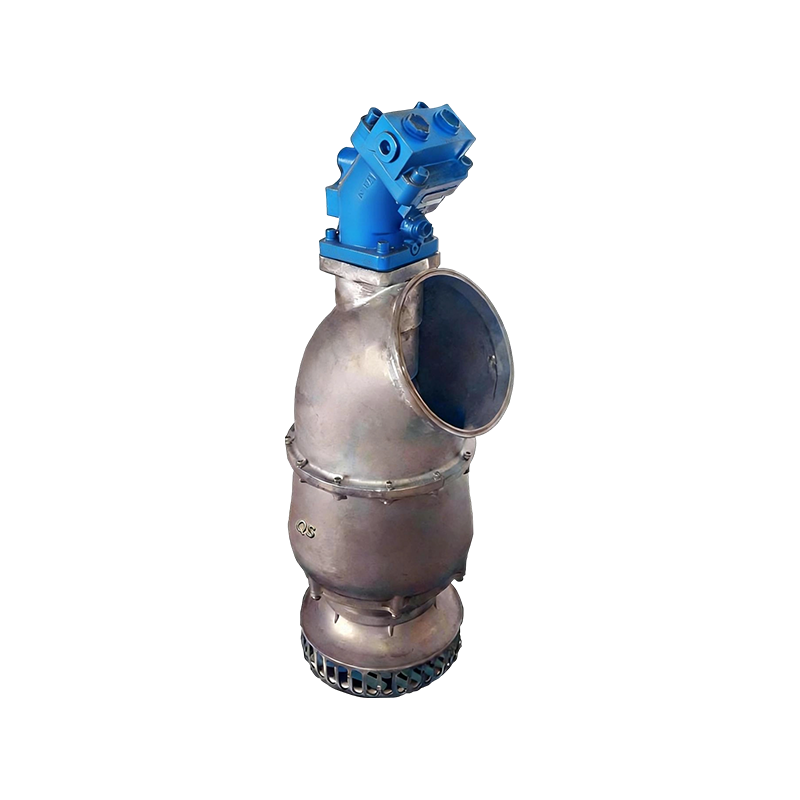
Hydraulic Pump for Tunnel Drainage

Hydraulically driven drainage pump for tunnel sumps, invert drainage, and construction water removal where electrical equipment in wet headings is restricted

Tunnel Installation Section
Crown
Invert Sump
Hydraulic Hose
320 m³/h Max Discharge
55 m Max Head
45 mm Solid Passage
IP68 Submersion Rating
Product Introduction

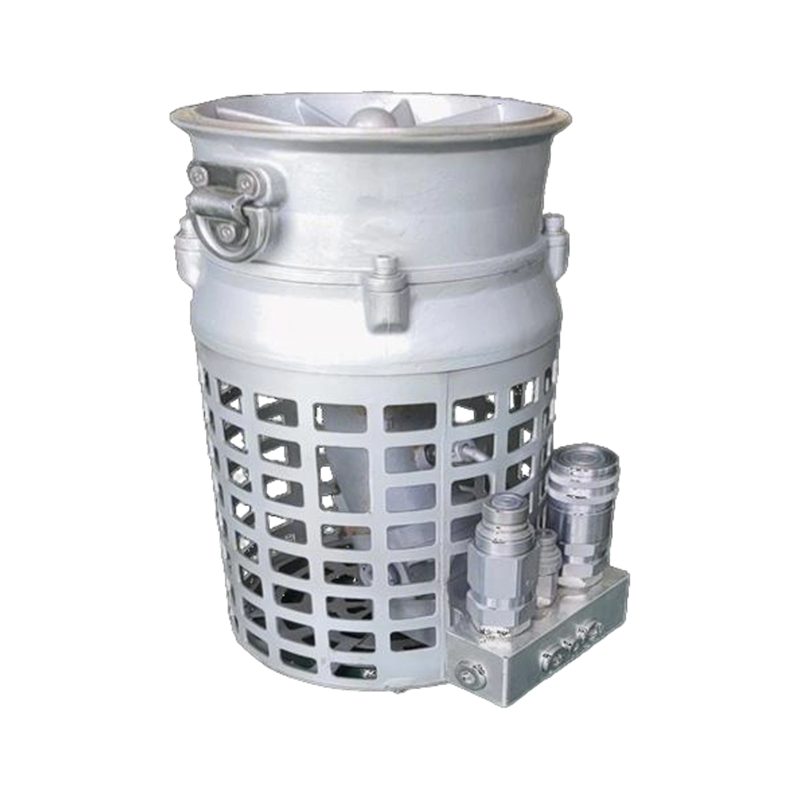
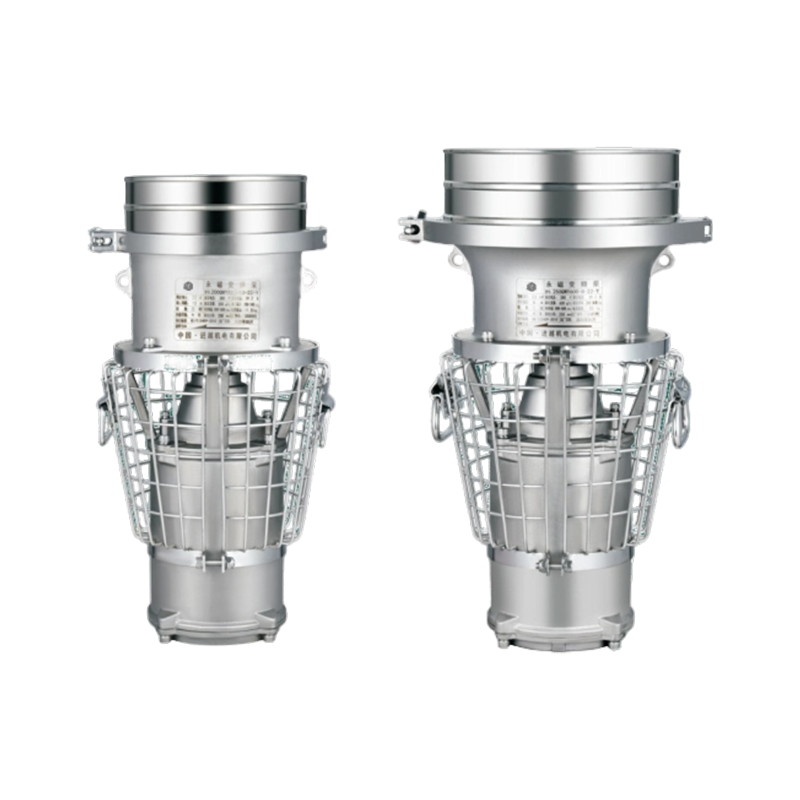
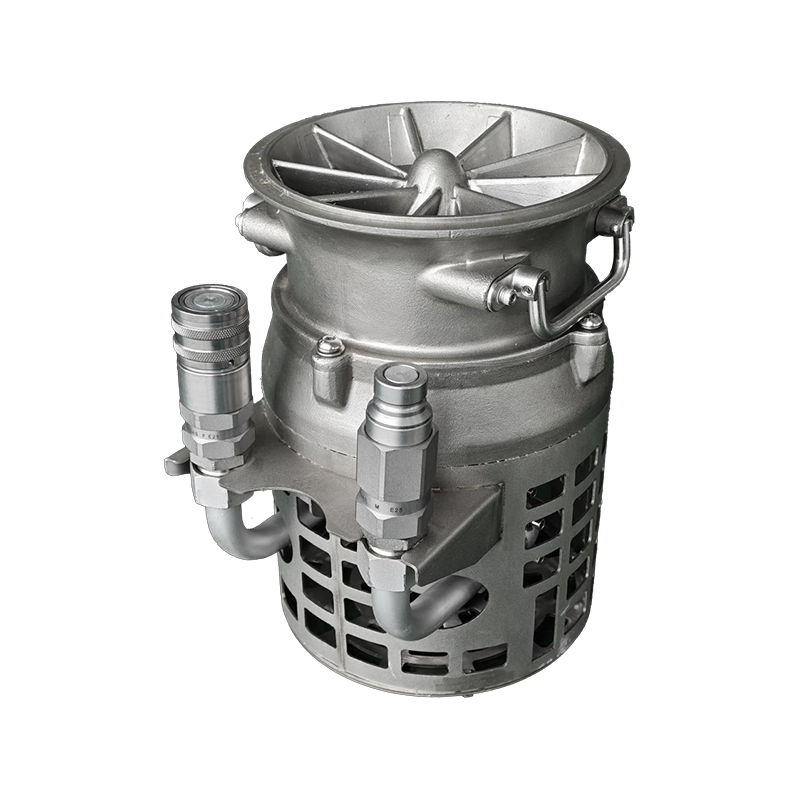
The Hydraulic Pump for Tunnel Drainage is a hydraulically driven submersible pump designed for water removal from tunnel sumps, invert drains, and construction headings. The pump operates from an external hydraulic power unit, with no electrical motor or cable in the submerged assembly, which suits tunnel environments where wet conditions, confined access, and restricted electrical installation make electric submersibles difficult to deploy. The unit delivers up to 320 m³/h at heads up to 55 meters, sufficient to lift water from invert sumps to surface discharge points. The 45 mm solids passage handles water carrying drill fines, shotcrete residue, and small rock fragments. The pump body is cast iron with a replaceable wear plate, and the impeller is semi-open cast iron. The compact submerged profile allows lowering through narrow access shafts and into sump openings, and the hydraulic couplers permit connection to a tunnel power unit or locomotive hydraulic circuit.

Technical Parameters
Pump type Hydraulically driven centrifugal, submersible
Maximum discharge 320 m³/h
Maximum head 55 m
Solid passage 45 mm
Discharge outlet 100 mm (4 inch) or 150 mm (6 inch) flange
Submersion rating IP68, continuous submersion
Maximum submersion depth Up to 25 m, model dependent
Impeller material Cast iron, semi-open design
Casing material Cast iron with replaceable wear plate
Hydraulic connection Flat-face quick couplers, hose length to be specified
Hydraulic supply External power pack or tunnel locomotive circuit; flow and pressure to be confirmed
Dry weight Approximately 56 kg for 100 mm model, to be confirmed
Core Advantages
01
No Electrical Equipment in the Heading The pump contains no electrical motor, cable, or junction box in the submerged assembly. Hydraulic power is supplied through hoses from a power unit positioned outside the wet zone, which simplifies electrical safety management in tunnel headings where moisture and confined access restrict electrical installation.
02
High Head for Invert-to-Surface Lift At heads up to 55 meters, the pump can lift water from deep invert sumps to surface discharge points through a single stage, avoiding relay pumping arrangements that would require additional pumps and hose runs in the tunnel.
03
Drill Fines and Shotcrete Residue Tolerance The 45 mm solids passage accommodates drill fines, shotcrete rebound, and small rock fragments typical of tunnel construction water. The replaceable wear plate allows the impeller clearance to be restored as abrasive wear occurs.
04
Compact Profile for Narrow Access Without an integral electric motor housing, the pump body is shorter than an equivalent electric submersible. This allows lowering through narrow access shafts, sump openings, and confined invert spaces where larger units cannot be positioned.
05
Output Adjustable at the Power Unit Flow and head are regulated by varying hydraulic oil supply rather than by electrical speed control. This allows the pump output to be matched to changing water inflow rates and discharge line lengths as the tunnel advances.
06
Shared Hydraulic Infrastructure A single power unit can drive multiple pump heads positioned at different sumps along the tunnel alignment. For contractors already operating hydraulic equipment on site, drainage pumps can be added to the existing power inventory without new electrical installations.
Deployment Scenarios
T1
Tunnel Invert Sump Drainage Removal of accumulated water from invert sumps during excavation and lining works. The pump is lowered into the sump and connected to a hydraulic power unit positioned outside the wet zone.
T2
Construction Heading Water Removal Dewatering of the working face and floor during drilling, blasting, and mucking operations. The pump handles water carrying drill fines and shotcrete residue without frequent clogging.
T3
Tunnel Drainage Gallery Maintenance Dewatering of drainage galleries and collection chambers during inspection and repair. The compact profile allows access through narrow gallery openings.
T4
Cross-Passage and Shaft Dewatering Removal of water from cross-passages, adits, and vertical shafts where access is restricted. The pump can be lowered by hose or winch and operates from a surface or portal power unit.
T5
Tunnel Emergency Flood Response Rapid water removal following water ingress events or pump station failures. The hydraulic drive allows deployment without waiting for electrical isolation and connection.
T6
Contractor Fleet and Rental Deployment Tunnelling contractors and equipment rental companies procure hydraulic pump heads to operate with existing power units across multiple headings, avoiding the need to hold separate electric pump variants for each location.
Manufacturing and Supply Capabilities
Casting and machining Casing and impeller produced through casting with subsequent machining of sealing faces, wear plate seat, and bearing bores. Casting source and machining tolerance capability to be confirmed with the factory.
Hydraulic motor integration Hydraulic motor assembled into the sealed pump housing with shaft coupling. Motor displacement selected according to the tunnel power unit flow, pressure, and relief valve setting.
Wear part supply Replaceable wear plates, impellers, and mechanical seal cartridges supplied as service parts. Wear part inventory levels and replenishment lead times to be confirmed.
Custom configuration Discharge outlet size, hydraulic motor specification, hose length, and coupler type can be adjusted to match tunnel power units and locomotive hydraulic circuits. Minimum order quantity for custom configurations to be confirmed.
Batch production Production scheduling accommodates repeat orders for project phases and fleet replacement. Batch sizes and production cycle times to be confirmed against current factory capacity.
Quality inspection Inspection covers hydraulic circuit pressure testing, seal integrity verification, submersion rating check, impeller clearance measurement, and free rotation check of the shaft assembly. Test records and third-party inspection arrangements to be confirmed.
Export packaging Pump heads packed in wooden cases with hydraulic ports capped and hoses coiled separately. Packaging configuration for sea freight and contractor branding requirements to be confirmed.
Technical documentation Dimensional drawings, hydraulic connection diagrams, wear part lists, and installation guidance for tunnel sump arrangements available. Availability of pressure test certificates and material declarations to be confirmed at inquiry stage.
B2B Buyer Considerations
Tunnel Power Unit Matching The pump's hydraulic motor must be matched to the flow and pressure available from the tunnel power unit or locomotive hydraulic circuit. Contractors should provide the power unit model, flow in liters per minute, maximum pressure, and relief valve setting. Coupler type must also be confirmed to ensure direct connection without adapters.
Invert Sump Geometry and Access The pump must fit through the available access opening and sit within the sump dimensions. Buyers should provide the sump depth, opening size, and the vertical lift required from the sump floor to the discharge point. This determines the pump model, submersion depth rating, and discharge head requirement.
Wear Part Planning for Abrasive Tunnel Water Tunnel water often carries drill fines and shotcrete particles that accelerate wear. Contractors should confirm the supplier's wear plate and impeller availability, and hold a spare wear part kit per pump head for project continuity. Replacement intervals depend on the abrasive content of the water and the duty hours.
Hose Routing and Protection Hydraulic hoses run from the pump in the sump to the power unit outside the wet zone, and may cross traffic areas or pass through restricted openings. Buyers should plan hose routing with protection against abrasion and impact, and confirm the required hose length at order stage.
Documentation for Project Approval Tunnel projects often require technical datasheets, pressure test certificates, and material declarations for method statements and safety documentation. Availability of these documents, and the supplier's ability to provide them consistently across project phases, should be confirmed during the inquiry.
Frequently Asked Questions

Yes, provided the locomotive hydraulic flow and pressure are matched to the pump's hydraulic motor specification. Tunnel locomotives often supply hydraulic flow for auxiliary equipment, and the pump's motor displacement can be selected to operate within that flow range. Contractors should provide the locomotive model, flow in liters per minute, maximum pressure, and relief valve setting at inquiry stage, along with the coupler type used on the locomotive circuit.

The required head is the vertical distance from the sump water level to the discharge point, plus friction losses in the discharge hose or pipe. For a 40-meter vertical lift with 100 meters of discharge hose, the total head requirement is typically 45 to 50 meters. The pump's maximum head of 55 meters provides margin for friction losses and discharge pressure. Buyers should provide the vertical lift and discharge line length so the required head can be confirmed.

The semi-open impeller passes solids up to 45 mm in diameter, covering drill fines, shotcrete rebound, small rock fragments, and sand. For water containing larger rock pieces or heavy fibrous material, a strainer with larger openings or a trash pump should be specified. Contractors should confirm the expected solids profile at inquiry stage so the impeller and strainer configuration can be matched to the tunnel conditions.

The pump can be lowered by hydraulic hose or by a winch line attached to the lifting point on the pump body. The compact profile allows passage through sump openings and narrow access shafts. The hydraulic hoses are connected before lowering, and the pump is positioned on the sump floor with the suction inlet clear of sediment. Contractors should confirm the sump opening dimensions and the available lifting arrangement before ordering.

After each dewatering cycle, flush the pump casing and impeller with clean water to remove drill fines and sediment. Inspect the hydraulic couplers and hoses for abrasion or damage. Check the impeller and wear plate condition, and replace worn parts as needed. Verify that the pump rotates freely. For units in standby, run the pump briefly each week to confirm operation and prevent seal sticking.

A complete inquiry should include: required discharge flow in cubic meters per hour; vertical lift from sump to discharge point in meters; discharge line length and diameter; tunnel power unit hydraulic flow in liters per minute and maximum pressure in bar; relief valve setting; coupler type; sump opening dimensions and sump depth; expected solids content of the water; and the number of sumps to be served. For project procurement, indicate the supply schedule across construction phases and whether the specification must remain fixed across repeat orders.

Est. 2014 high-end hydraulic
Wuhu Qisheng
Intelligent Equipment

Professional China designer & custom manufacturer, suppliers of Hydraulic Pump for Tunnel Drainage for emergency, rescue, agricultural water conservancy, and environmental protection.

Deeply engaged

We keep up with industry trends and empower efficient operations with professional strength.

Senior R&D engineers Technical pain point solutions Efficient production system Rapid market response
200+
projects delivered
98%
on‑time delivery
emergency rescue environmental agricultural water
Engineering excellence

Deeply engaged in the hydraulic equipment industry, we keep up with trends and empower efficient operations with professional strength. Our core competitiveness lies in strong technological and production capabilities.

We have a team of senior R&D engineers with rich practical experience. Accurately grasping technical pain points and demand directions, we provide solid support for product innovation.

Our engineers work closely with clients to translate operational challenges into precise technical specifications, ensuring every solution is fit for purpose.

Production & agility

Equipped with an efficient production system, we realize seamless connection between R&D and production, quickly respond to market changes, meet diverse customer needs, and ensure delivery efficiency and product stability.

Rapid prototyping & testing
Flexible manufacturing capacity
Just-in-time inventory management
End-to-end quality control
Lean production workflows
Automated assembly lines
24/7technical support
100+custom solutions
48hrapid response
99%quality pass rate
Product portfolio

Our products cover multiple categories including hydraulic power stations, slurry pumps, integrated and portable water pump equipment, and hydraulic breakers — for drainage, dredging, forest fire fighting, cutting, drilling, and sand suction.

With comprehensive functions, our products can be widely used in various scenarios such as drainage, dredging, forest fire fighting, cutting, drilling, and sand suction, adapting to the actual operation needs of core fields such as emergency rescue and environmental construction.

Non‑electric drive

Safe operation in hazardous environments, high lift, strong wear resistance, easy mobility — hardcore equipment under complex working conditions.

Customized R&D

Full‑process tailored solutions to solve your personalized operation problems. We design exclusive hydraulic equipment for your specific needs.

200+
projects delivered
98%
on‑time delivery
24/7
technical support
100+
custom solutions
Development philosophy
“Promoting the development of emergency rescue hydraulic equipment and leading the technological innovation of the industry.”

We adhere to the original intention of quality, focus on customers' core demands, and are committed to providing high‑quality, highly competitive products, customized solutions and comprehensive services.

Strategic partner
Reliable · professional · sustainable
Core fields
Emergency rescue Agricultural water Environmental protection Forest fire fighting
R&D driven custom solutions quality first

Get in touch