
 English
 русский



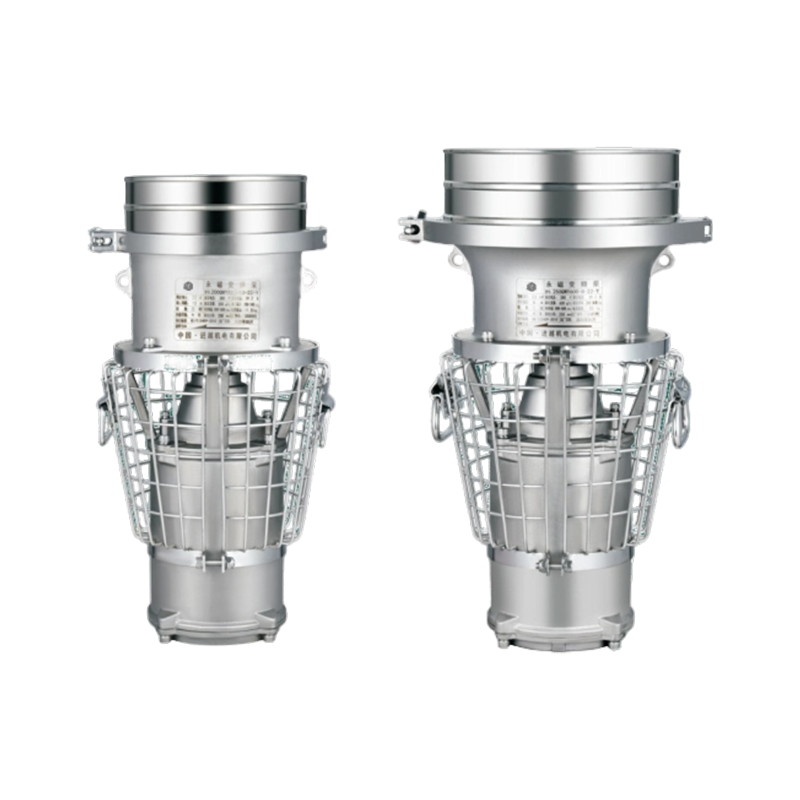
Hydraulic Submersible Water Pump
Hydraulically driven submersible pump for continuous dewatering in municipal, industrial, and construction environments where electrical submersible units are unsuitable or prohibited
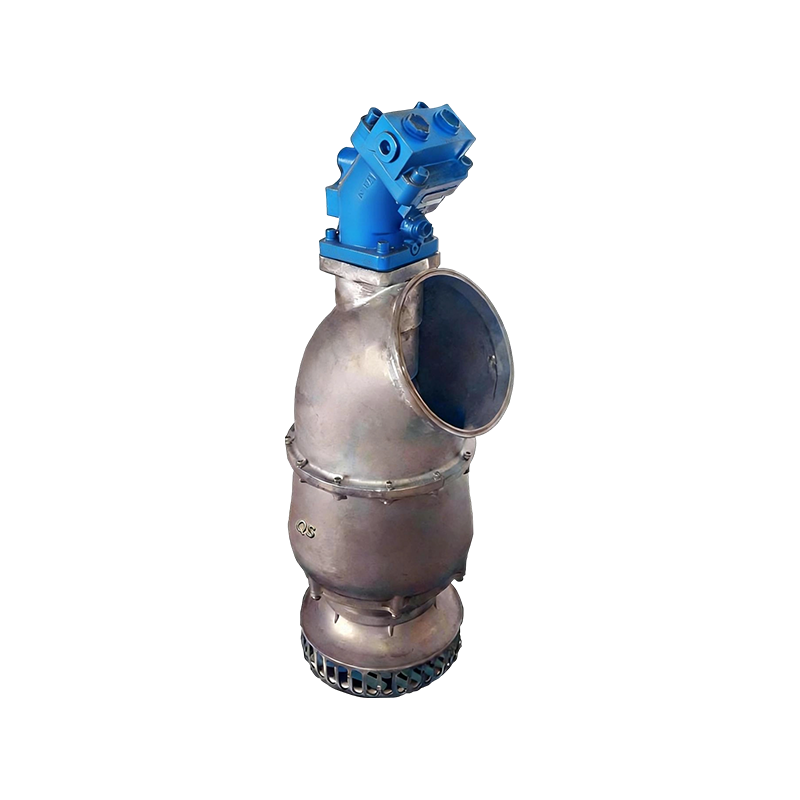
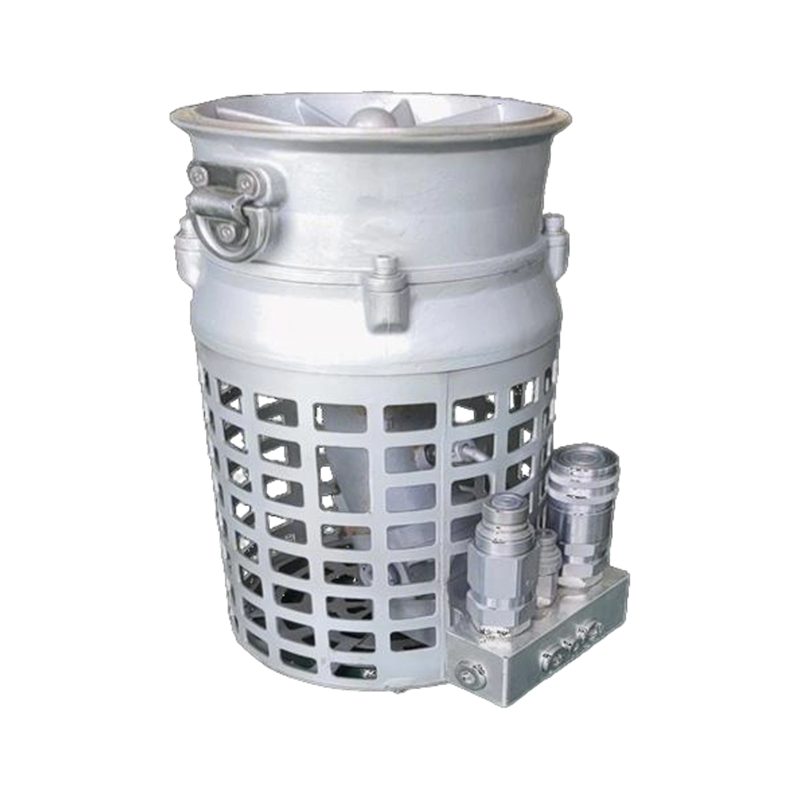
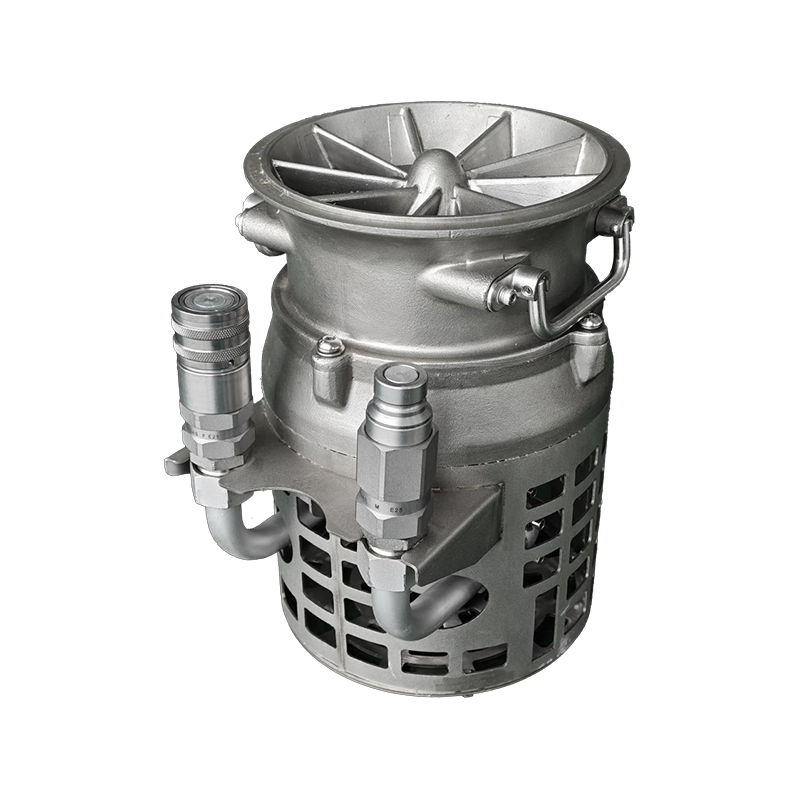
The Hydraulic Submersible Water Pump is a hydraulically driven centrifugal pump designed for submersion in water, wastewater, and sediment-laden liquids. The pump operates without an onboard electric motor; instead, hydraulic oil flow from an external power unit drives a sealed hydraulic motor integrated into the pump housing. This configuration allows operation in flooded excavations, sumps, and tanks without electrical connections in the water, reducing shock risk and eliminating motor winding failures caused by moisture ingress. The pump body is constructed from cast iron with a hardened wear plate, and the impeller is a semi-open design capable of passing solids up to 50 mm. The unit is supplied with hydraulic hoses and quick couplers for connection to a compatible power pack. It is suited to batch procurement for dewatering fleets, rental fleets, and municipal maintenance departments requiring interchangeable pump heads across multiple sites.
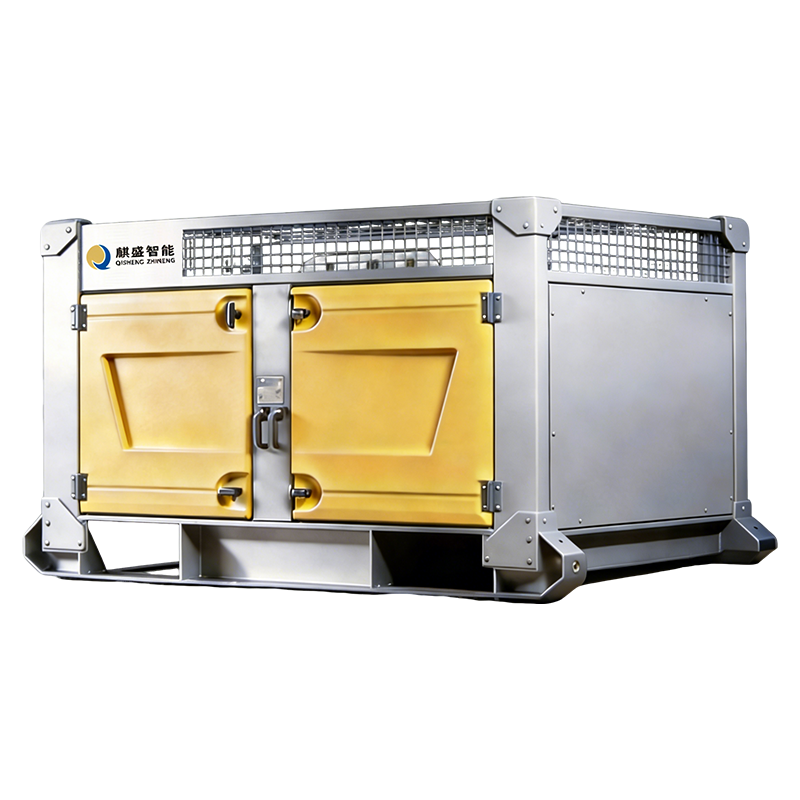
Model selection depends on three inputs from the power pack: hydraulic flow rate in liters per minute, maximum pressure in bar, and the relief valve setting. The pump head's hydraulic motor displacement must be matched to the available flow to achieve the required impeller speed. Providing these figures along with the required discharge head and flow allows the supplier to recommend a model. If the power pack specification is not known, the hydraulic motor can be sized after the buyer provides the power unit model number.
The hydraulic motor and shaft bearings are lubricated by the hydraulic circuit, so the pump can run dry without the immediate bearing failure associated with electric submersibles. However, the mechanical seal relies on the pumped medium for cooling and lubrication. Extended dry running will accelerate seal face wear. For applications where water level fluctuates, a level control valve or float switch on the power pack circuit is recommended to stop the pump when water falls below the suction inlet.
The semi-open impeller passes solids up to 50 mm in diameter, including sand, gravel, drilling fines, and organic debris. For applications with fibrous material or larger objects, a suction strainer with 60 mm openings can be supplied. Buyers handling heavy sediment loads should confirm the wear plate material specification, as abrasive solids accelerate wear and affect the service interval.
Discharge outlet size is determined by the pump casing casting and is not field-changeable on a standard unit. Buyers requiring 150 mm outlet must specify this at the order stage. For buyers holding existing 100 mm hose inventory, the 100 mm model is the standard configuration. Custom outlet configurations may be available subject to minimum order quantity, which should be confirmed with the supplier.
For fleet operators, the recommended wear part inventory includes one wear plate and one impeller per pump head, plus a mechanical seal cartridge for every four pump heads. This ratio reflects typical wear rates in sediment-laden service. Buyers should confirm the supplier's service parts lead time before finalizing fleet quantities, as replenishment delays directly affect fleet availability.
Each pump head is pressure tested on the hydraulic circuit to verify seal integrity and joint tightness. The impeller clearance is measured and recorded. A test run is performed to confirm free rotation of the shaft assembly. Buyers requiring witnessed testing or third-party inspection certificates should specify this at the inquiry stage, as these arrangements affect production scheduling and lead time.
A complete inquiry should include: required discharge flow in cubic meters per hour, required head in meters, power pack hydraulic flow and pressure, required discharge outlet size, hose length and coupler type, submersion depth, and expected solids content. For batch orders, indicate the estimated annual quantity and whether the specification must remain fixed across repeat orders. This information allows the supplier to quote a matched configuration rather than a generic model.