
 English
 русский



Hydraulic Pump for Municipal Drainage
Hydraulically driven drainage pump for municipal sewer chambers, stormwater sumps, and public utility pits where electrical equipment in wet conditions is restricted by site safety procedures
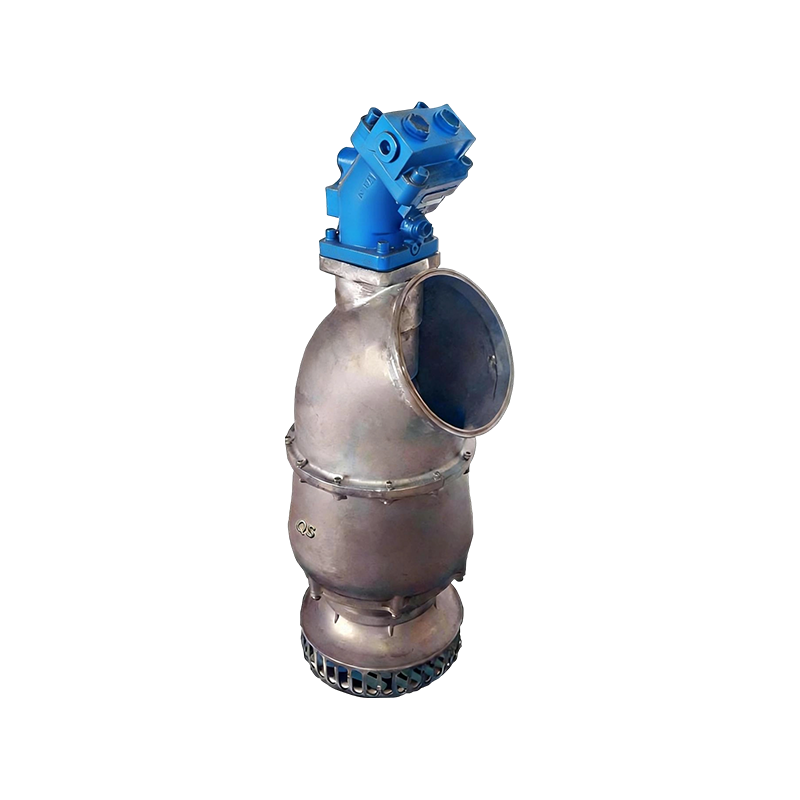
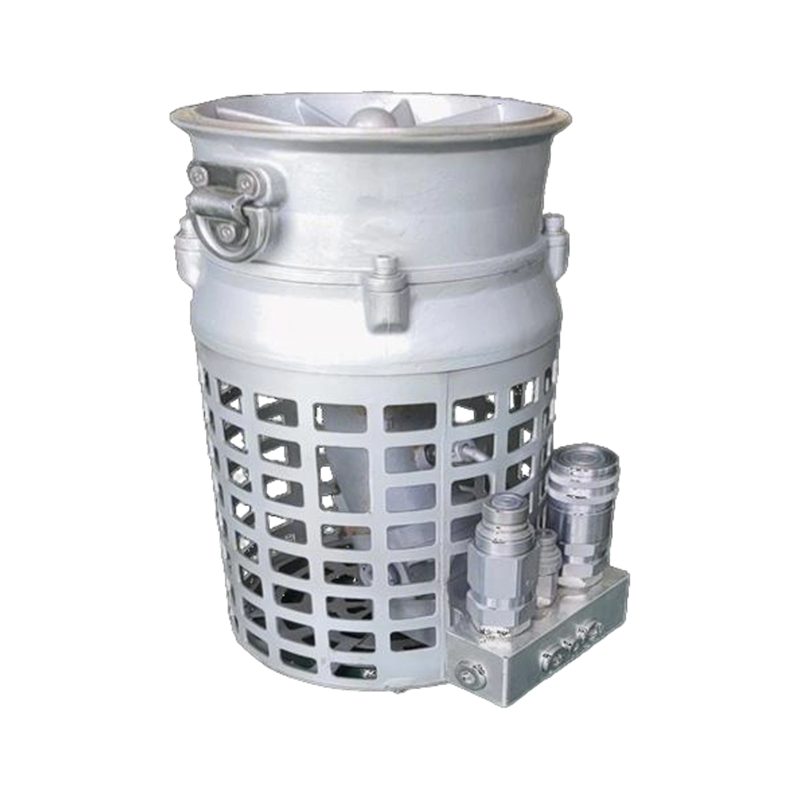
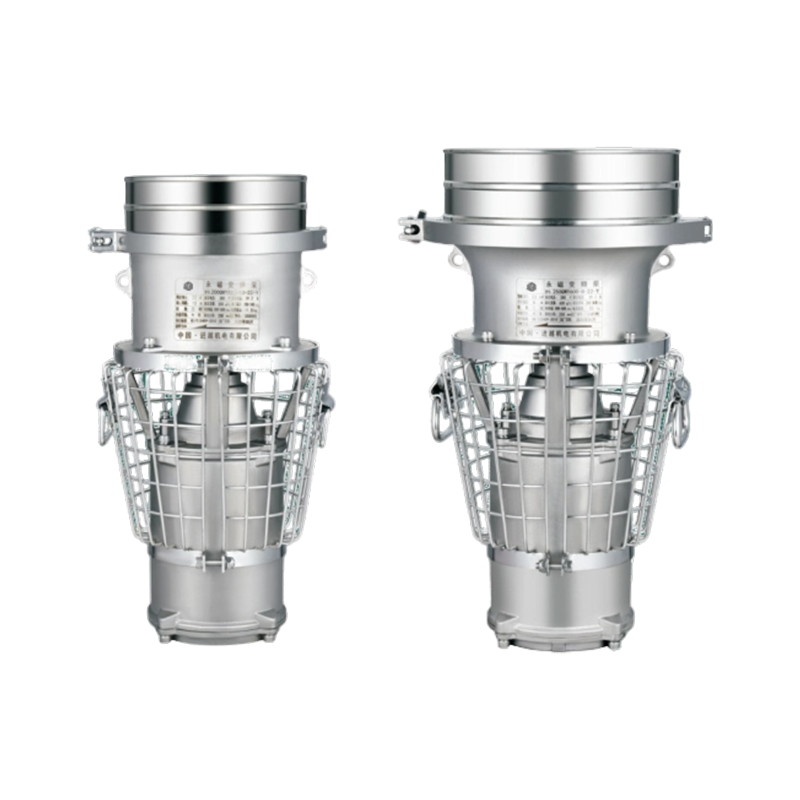
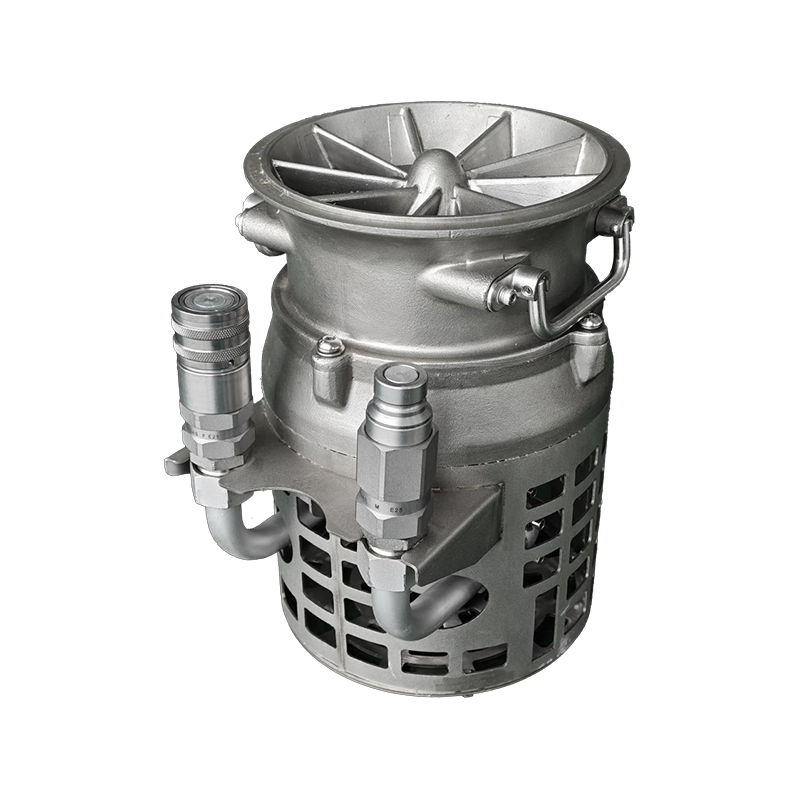
The Hydraulic Pump for Municipal Drainage is a hydraulically driven submersible pump designed for water removal from municipal sewer chambers, stormwater sumps, and public utility pits. The pump operates from an external hydraulic power unit, with no electrical motor or cable in the submerged assembly, which suits municipal drainage work where wet conditions and confined access make electric submersibles difficult to deploy under site safety procedures. The unit delivers up to 280 m³/h at heads up to 48 meters, sufficient to lift water from chamber sumps to surface discharge points. The 38 mm solids passage handles water carrying silt, grit, and small debris accumulated in drainage systems. The pump body is cast iron with a replaceable wear plate, and the impeller is semi-open cast iron. The compact submerged profile allows lowering through standard manhole openings, and the hydraulic couplers permit connection to a surface power unit or truck-mounted hydraulic circuit. The unit is suited to procurement by municipal drainage departments, utility maintenance fleets, and contractors working under public works frameworks.
Yes, provided the truck's hydraulic flow and pressure are matched to the pump's hydraulic motor specification. Municipal maintenance trucks often supply hydraulic flow for tools and equipment, and the pump's motor displacement can be selected to operate within that flow range. Departments should provide the truck model, flow in liters per minute, maximum pressure, and relief valve setting at inquiry stage, along with the coupler type used on the truck circuit.
The pump body is compact enough to pass through standard manhole openings, provided the discharge outlet and hydraulic couplers are positioned correctly during lowering. Departments should provide the manhole opening dimensions and the chamber depth at inquiry stage. For openings narrower than the discharge flange diameter, a flanged discharge connection can be supplied with a removable flange for lowering, then reconnected at the pump body.
The semi-open impeller passes solids up to 38 mm in diameter, covering silt, grit, small stones, and debris typical of municipal drainage systems. For water containing larger objects or fibrous material, a strainer with larger openings or a trash pump should be specified. Departments should confirm the expected solids profile at inquiry stage so the impeller and strainer configuration can be matched to the application.
Matching requires three inputs from the power unit: hydraulic flow in liters per minute, maximum pressure in bar, and relief valve setting. The pump's hydraulic motor displacement is selected so that the available flow produces the required impeller speed. Providing these figures along with the required discharge head, flow, and vertical lift allows the supplier to specify the correct motor. If the power unit model is known but the flow figures are not, the supplier can typically match the motor from the model number.
The required head is the vertical distance from the sump water level to the discharge point, plus friction losses in the discharge hose or pipe. For a 25-meter vertical lift with 60 meters of discharge hose, the total head requirement is typically 30 to 35 meters. The pump's maximum head of 48 meters provides margin for friction losses and discharge pressure. Departments should provide the vertical lift and discharge line length so the required head can be confirmed.
After each dewatering cycle, flush the pump casing and impeller with clean water to remove silt and grit. Inspect the hydraulic couplers and hoses for abrasion or damage. Check the impeller and wear plate condition, and replace worn parts as needed. Verify that the pump rotates freely. For units in standby, run the pump briefly each month to confirm operation and prevent seal sticking.
A complete inquiry should include: required discharge flow in cubic meters per hour; vertical lift from sump to discharge point in meters; discharge line length and diameter; truck or power unit hydraulic flow in liters per minute and maximum pressure in bar; relief valve setting; coupler type; manhole opening dimensions and sump depth; expected solids content of the water; and the number of chambers to be served. For municipal fleet procurement, indicate the estimated annual quantity and whether the specification must remain fixed across repeat orders.