 English
 русский
Qisheng
Qisheng
Qisheng
Qisheng
Qisheng
Qisheng
Qisheng
Qisheng
Qisheng

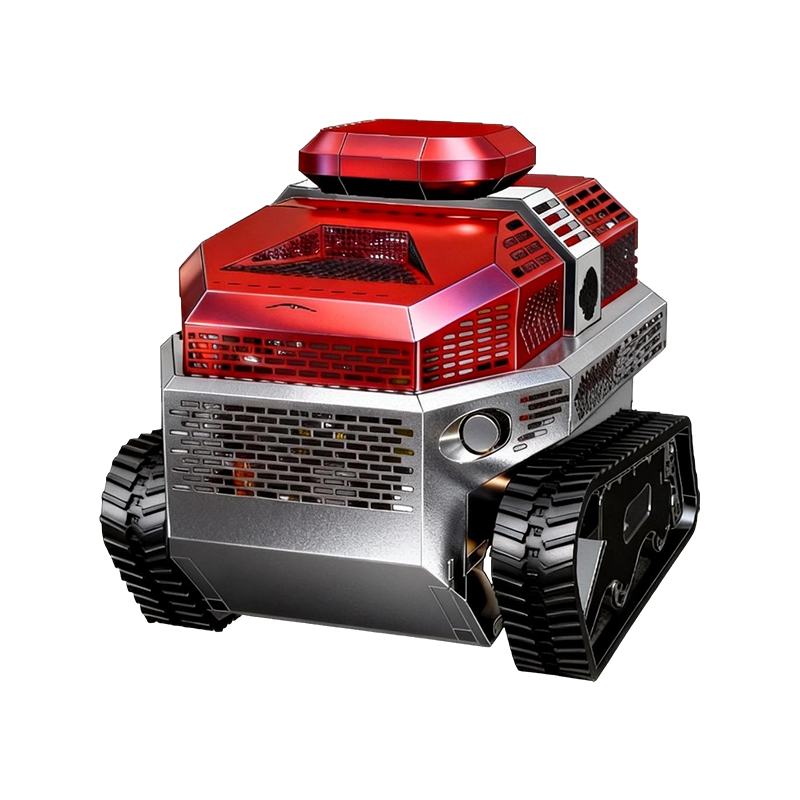
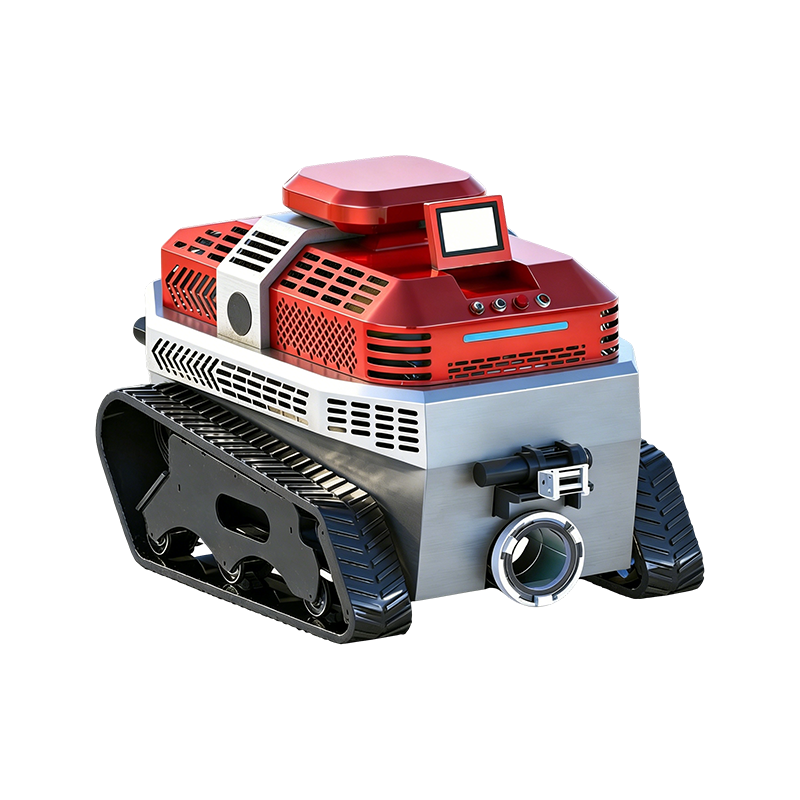
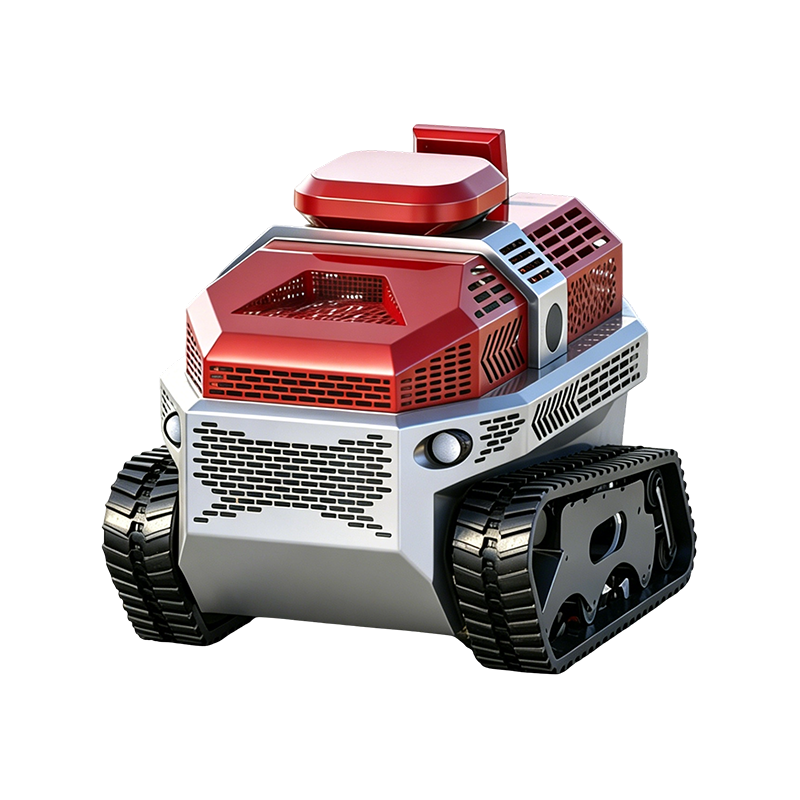
Compact Tracked Intelligent Drainage Robot (600m³/h)
Product Model: QSJ600W
The QSJ600W is a compact tracked drainage robot engineered for confined-space emergency water removal. With overall dimensions of 1820×1225×1200 mm, its streamlined design allows access through standard doorways and narrow passages found in underground structures and urban environments. The unit is powered by a 35 kW diesel or gasoline engine and features a single high-flow hydraulic pump with a rated capacity of 600 m³/h, making it suitable for medium-scale flooding scenarios. Equipped with a wireless remote control system, operators can maneuver the machine and control the pump from a safe distance. Auxiliary hydraulic ports (4080 Lpm) are available to power additional hydraulic tools, enhancing the machine's versatility on site.
- Product Details
- About Qisheng
- Contact Us
QSJ600W compact drainage robot
Space‑Efficient · Agile · Single‑Pump High Output
600 m³/h
≤900 kg
35 kW
1225 mm
01
Key Strengths
- Space‑Efficient Design — 1225 mm width, 1200 mm height, fits basements, mezzanines, narrow alleys.
- Agile Maneuverability — ≤900 kg, tracked drive, small turning radius in dense environments.
- Single‑Pump High Output — up to 600 m³/h capacity within a compact footprint.
- Confined Area Access — navigates tight spaces where standard equipment cannot operate.
- Hydraulic Power Source — built‑in auxiliary hydraulics power breakers or cutters.
02
Product Features
- Power System — 35 kW diesel or gasoline engine, grid‑independent.
- Pumping Performance — one high‑flow pump, 500‑600 m³/h discharge.
- Hydraulic System — auxiliary flow 40‑80 Lpm at 170 bar.
- Mobility — tracked undercarriage, lightweight frame, low ground pressure.
- Remote Control — wireless for movement, steering, pump activation.
- Optional Equipment — work lights, winches for enhanced field use.
- Endurance — 35 L fuel, 35 L hydraulic tank.
- Dimensions — 1820×1225×1200 mm, ≤900 kg.
03
Typical Applications
- Subterranean Drainage — basements, underground garages, civil defense shelters.
- Confined Municipal Works — small culverts, underpasses, pipeline maintenance.
- Urban Flood Response — narrow lanes, low‑lying courtyards.
- Rescue Operations — mobile pumping and hydraulic power in disaster scenarios.
| Engine Power | Hydraulic Output Port (Lpm) | Overall Dimensions (mm) | Working Pressure (bar) | Weight (kg) | Fuel Tank Capacity (L) | Hydraulic Oil Tank Capacity (L) | Displacement (m³/h) |
| 35kw Diesel/Gasoline | 40-80 | 1820*1225*1200 | 170 | ≤900 | 35 | 35 | 500-600 |
| Maximum Head (m) | Number of Water Pumps | Travel Mode | Climbing Angle | Travel Speed (km/h) | Obstacle Crossing Height (mm) | Ground Clearance (mm) | Wading Depth (mm) |
| 12 | 1 | Crawler | 35° | 2.5km | 200 | 200 | 550 |
| Wading Alarm | Liquid Level Alarm | Temperature Alarm | Winch (lb) | Water Pump Lifting | Lighting Lamp | Remote Control Distance (m) | Continuous Running Time (h) |
| Yes | Yes | Yes | Yes | Yes | Yes | 300 | 8 |
Wuhu Qisheng Intelligent Equipment Co., Ltd. is a professional designer and manufacturer of high-end hydraulic equipment focusing on emergency, rescue, agricultural water conservancy, environmental protection and other fields. Deeply engaged in the hydraulic equipment industry, we keep up with the industry development trend and empower efficient operations in various fields with professional strength to promote high-quality industrial development. The company's core competitiveness lies in its strong technological and production capabilities. We have a team of senior professional R&D engineers, all of whom have rich practical experience in industry development. Deeply rooted in the R&D field of hydraulic equipment, they accurately grasp the industry's technical pain points and demand directions, providing solid support for product innovation and upgrading. At the same time, the company is equipped with an efficient production system, realizing the efficient connection between R&D and production, which can quickly respond to market changes, timely meet the diverse needs of different customers, and ensure delivery efficiency and product stability.
In terms of product layout, the company focuses on the core field of emergency rescue hydraulic equipment. The developed products cover multiple categories such as hydraulic power stations, slurry pumps, integrated and portable water pump equipment, and hydraulic breakers. With comprehensive functions, the products can be widely used in various scenarios such as drainage, dredging, forest fire fighting, cutting, drilling, and sand suction, adapting to the actual operation needs of core fields such as emergency rescue and environmental construction. With the advantages of non-electric drive, high lift, strong wear resistance and easy mobility, they have become "hardcore equipment" under complex working conditions. Relying on strong design and development capabilities, the company not only provides high-quality standardized products, but also deeply understands customers' specific working condition needs, provides full-process customized R&D solutions, and tailors exclusive hydraulic equipment to effectively solve customers' personalized operation problems.
Upholding the development philosophy of "promoting the development of emergency rescue hydraulic equipment and leading the technological innovation of the industry", the company always adheres to the original intention of quality, focuses on customers' core demands, and is committed to providing customers with high-quality, highly competitive products, customized solutions and comprehensive services. With reliable product performance and professional service guarantee, we create sustainable value for customers, deeply cultivate the industry, forge ahead steadily, and strive to become a trusted strategic partner of customers in the high-end hydraulic equipment field.
Hot Products
-
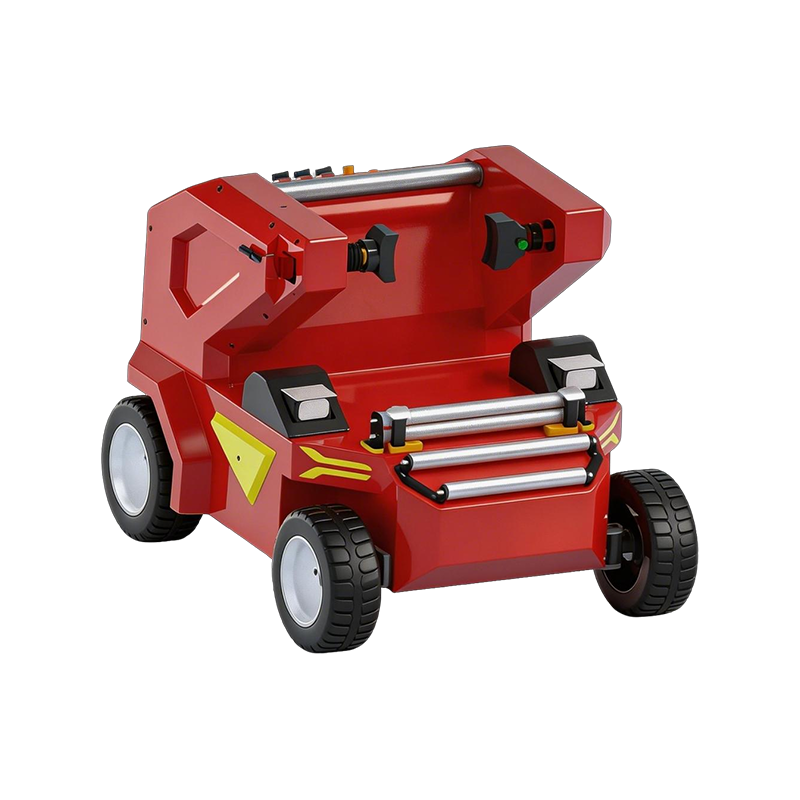

Intelligent Drainage Robot With Automatic Hose Rolling
-
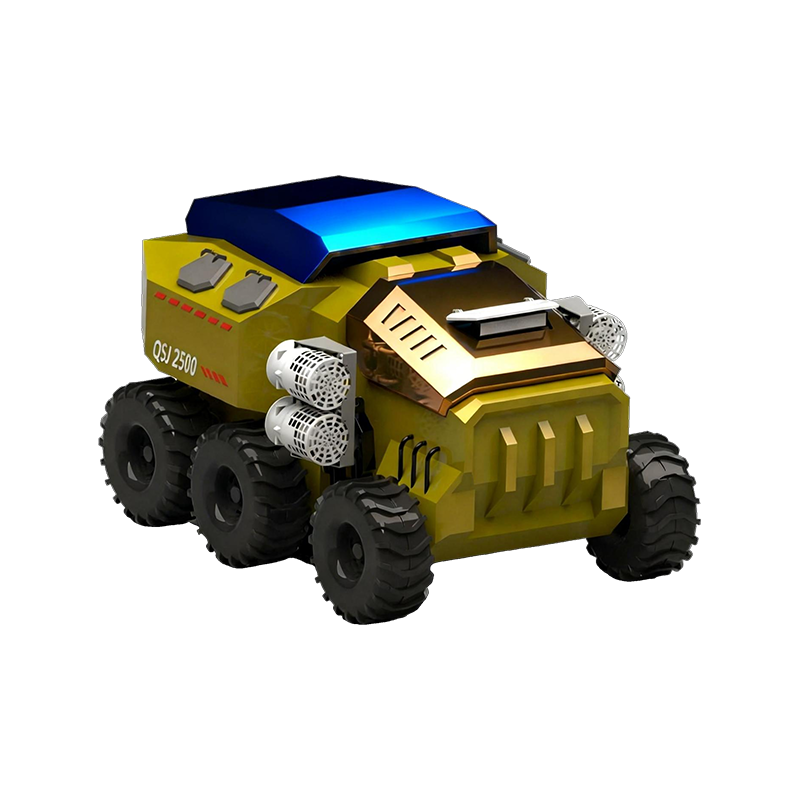
Amphibious Intelligent Drainage Robot (20002500 m³/h)
-
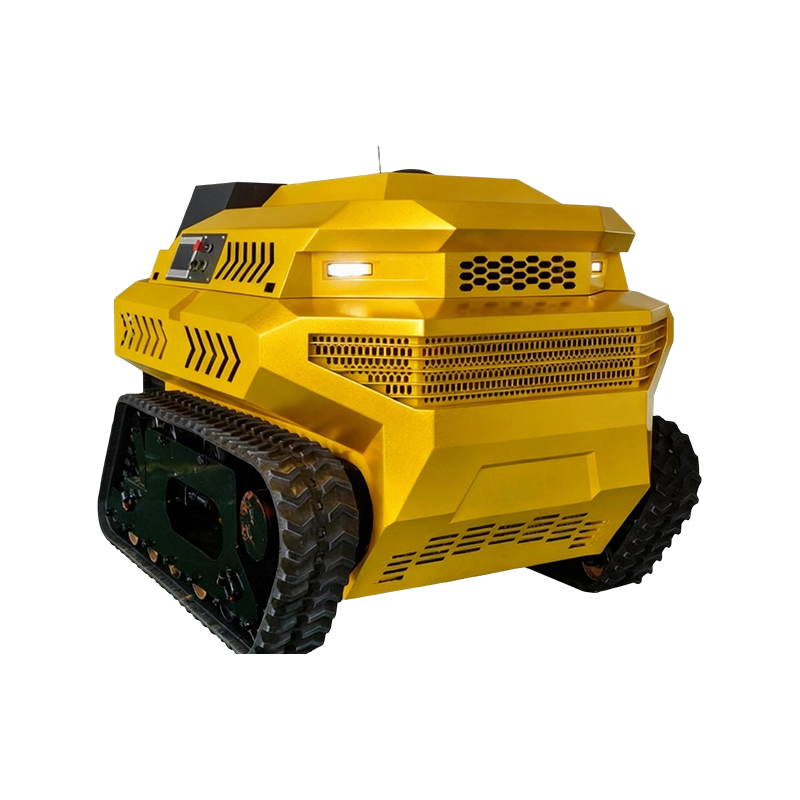
Tracked HighFlow Pumping Robot (10001300 m³/h)
-
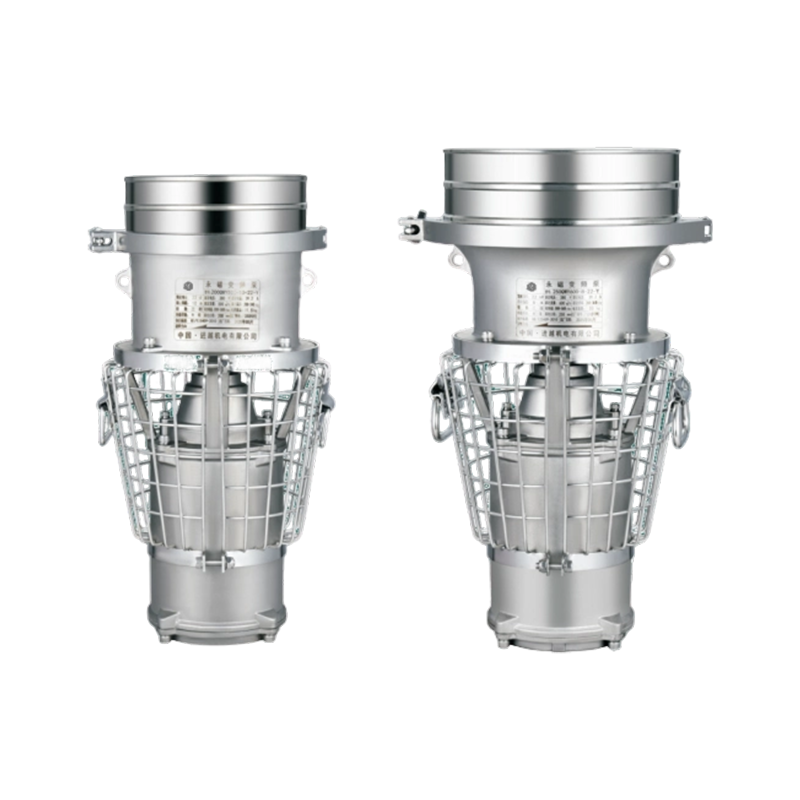
Stainless Steel HighFlow Electric Drainage Pumps (4inch-14inch)
-
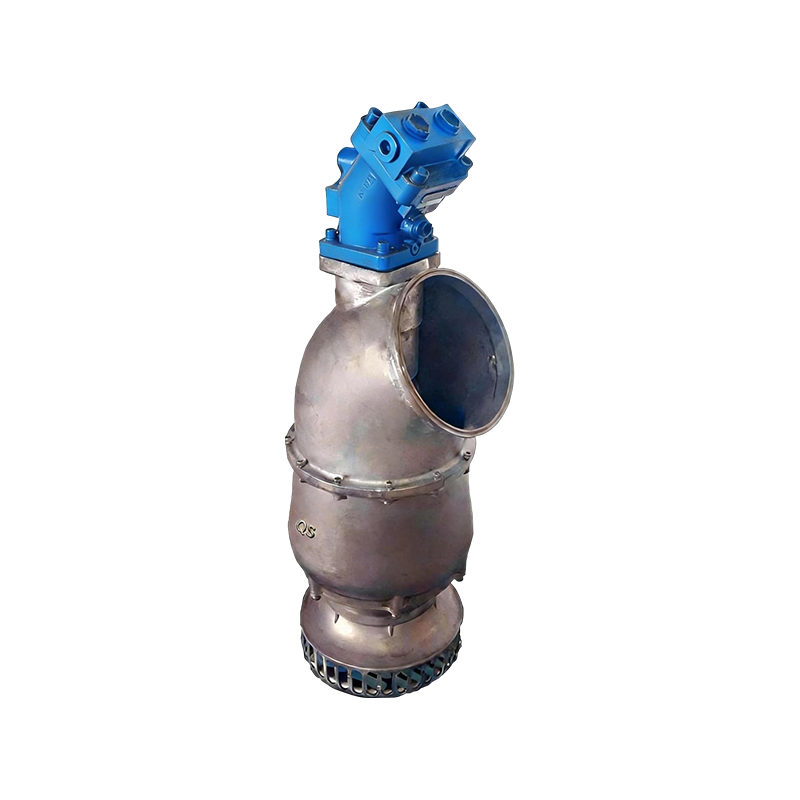
Hydraulic Driven Axial Flow Flood Pump (12inch)
-
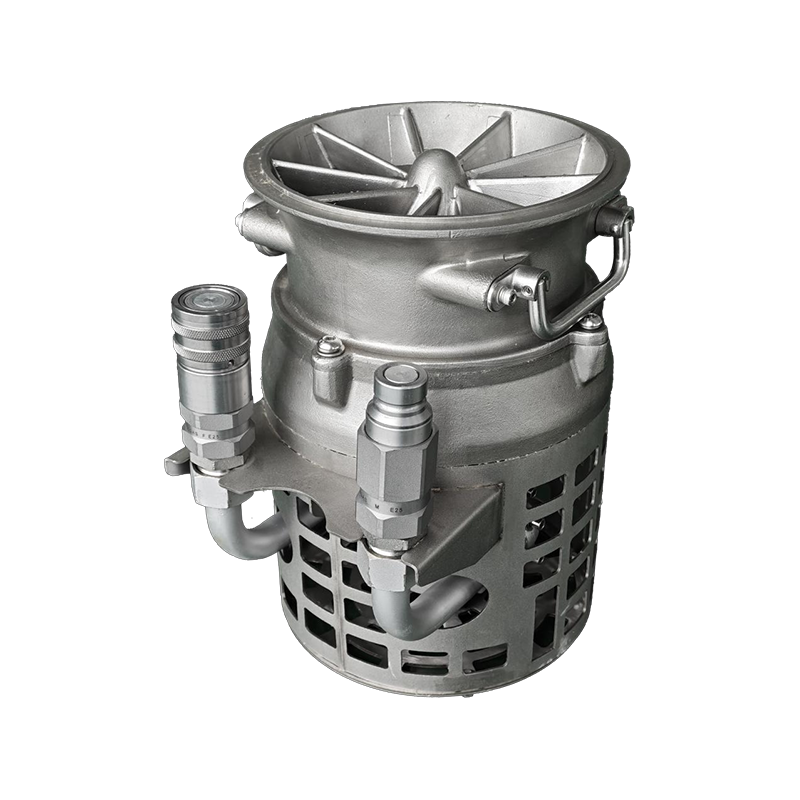
8inch HighFlow Hydraulic Axial Flow Pump
About Qisheng
Wuhu Qisheng Intelligent Equipment Co., Ltd.
Wuhu Qisheng Intelligent Equipment Co., Ltd. is a professional designer and manufacturer of high-end hydraulic equipment for emergency, rescue, agriculture, and environmental protection. Our core competitiveness lies in a senior R&D team with deep industry expertise and an efficient production system that ensures rapid market response and product stability.
We are China Compact Tracked Intelligent Drainage Robot (600m³/h) Suppliers and Wholesale Compact Tracked Intelligent Drainage Robot (600m³/h) Exporter, Company.
Focusing on emergency rescue, our product range includes hydraulic power stations, slurry pumps, portable water pumps, and breakers. These "hardcore" tools feature non-electric drive, high lift, and wear resistance, making them ideal for drainage, dredging, and forest firefighting. Beyond standardized products, we provide full-process customized R&D solutions to solve specific operational challenges.
Upholding the philosophy of leading technological innovation, we prioritize quality and customer demands. We are committed to delivering high-performance products and professional services, striving to be a trusted strategic partner in the high-end hydraulic equipment field.
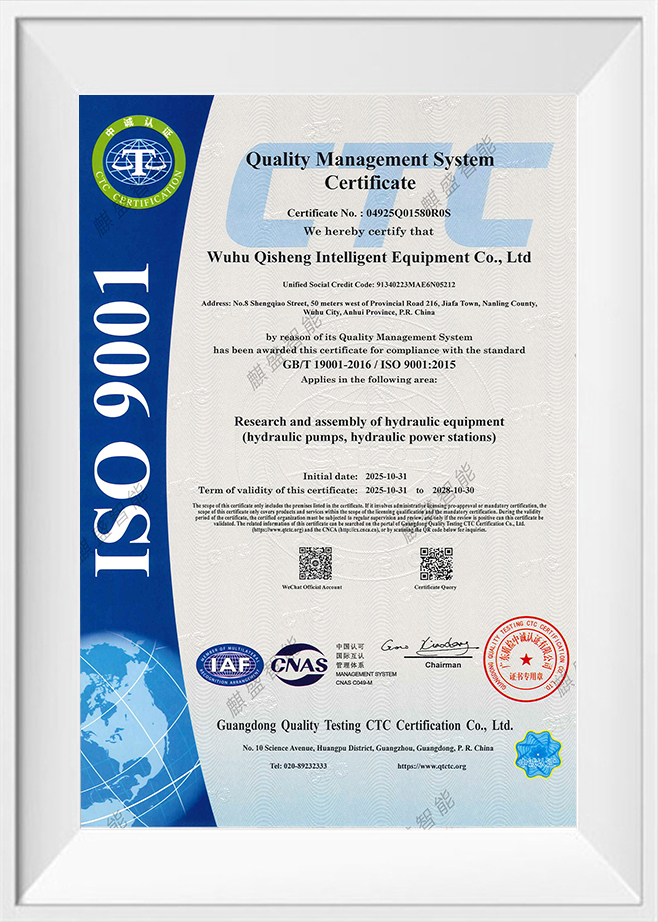
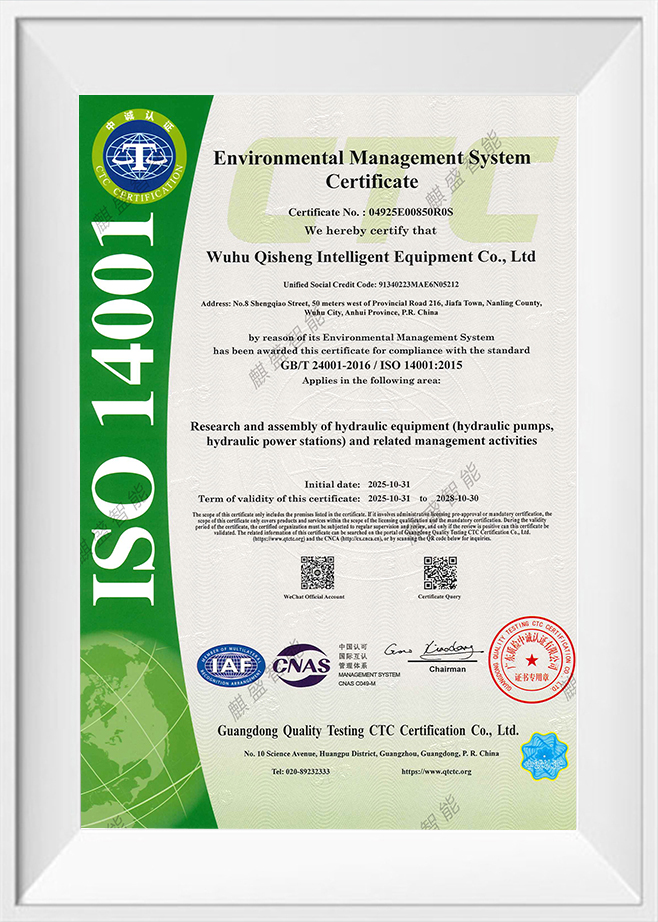
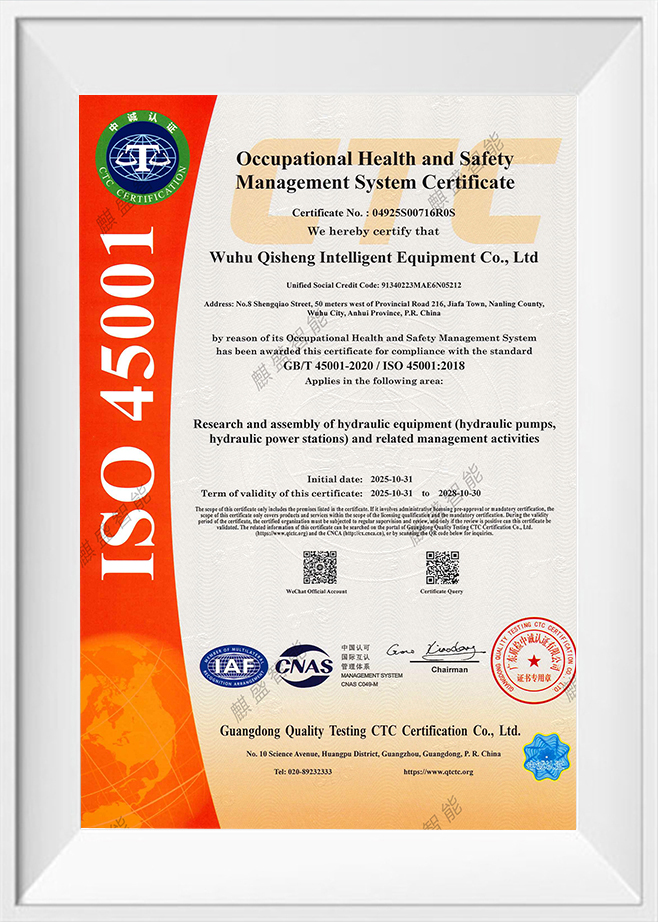
Certificate Of Honor
Latest Updates
-

 Industry News
 2026.09.18
A drainage failure rarely announces itself. Water climbs through a culvert for hours before it reaches a road surface, and by the time a crew is dispatched, the event has usually become twice as expensive to handle. Automated drainage robots change that seque...
2026.09.18
A drainage failure rarely announces itself. Water climbs through a culvert for hours before it reaches a road surface, and by the time a crew is dispatched, the event has usually become twice as expensive to handle. Automated drainage robots change that seque... -
Industry News
2026.09.16
Two drainage robots with identical spec sheets can deliver discharge figures 30 percent apart on the same site. Our application team has seen this in field comparisons more than once. The machines were not faulty. The acceptance procedure was incomplete. Per...
-
Industry News
2026.09.14
At 2 a.m., a flooded underpass on Route 9 rises past the bumper line after the pump station loses power. The standard response involves a crane, a generator, and two crew members handling cable in the rain. An intelligent drainage robot replaces that setup w...
Compact Tracked Intelligent Drainage Robot (600m³/h) Industry knowledge
How does the battery life compare in compact vs. large robots?
Introduction to compact tracked drainage robots
The compact tracked intelligent drainage robot represents a significant advancement in urban and confined-space flood control solutions. Designed to operate in restricted environments such as basements, tunnels, culverts, and narrow alleyways, these machines offer a combination of agility, maneuverability, and high-performance pumping capability. Unlike larger robotic pumping units, compact tracked intelligent drainage robots prioritize accessibility and rapid deployment while maintaining operational efficiency. The compact footprint, measuring 1820×1225×1200 mm, allows these robots to navigate through standard doorways and confined passages, ensuring timely response during emergency drainage operations.
Powered by a 35 kW diesel or gasoline engine and equipped with a single high-flow hydraulic pump capable of delivering 600 m³/h, these machines balance size, mobility, and pumping efficiency. Operators can control movement, steering, and pump activation via a wireless remote control system, enhancing safety in hazardous conditions. Moreover, auxiliary hydraulic ports with a capacity of 4080 Lpm enable the unit to serve as a mobile power source for additional hydraulic tools, increasing versatility during rescue, municipal maintenance, and urban flood mitigation tasks.
Battery life considerations in compact robots
Although the QSJ600W and similar compact tracked intelligent drainage robots are powered primarily by internal combustion engines rather than batteries, the concept of operational endurance in terms of energy reserves is critical. The design of compact robots emphasizes efficiency and extended mission duration through optimal fuel consumption, lightweight construction, and low friction track systems. With a 35-liter fuel tank and 35-liter hydraulic oil capacity, the unit is capable of sustained operation without frequent refueling or maintenance interruptions, which is functionally analogous to maximizing battery life in electric-powered systems.
In comparison to larger robotic units, compact machines benefit from reduced mass and a smaller hydraulic system. This design results in lower energy demands for propulsion and pumping, effectively extending the operational window before refueling or recharging is required. The streamlined structure also reduces unnecessary power loss due to ground friction and maneuvering resistance, ensuring that the available energy is efficiently directed towards drainage performance and mobility. This is particularly advantageous in subterranean or urban environments where rapid deployment and continuous operation are crucial.
Comparison with larger robots in terms of energy efficiency
Large-scale tracked or wheeled drainage robots, while capable of handling high-volume floodwaters, typically have greater mass, larger hydraulic pumps, and increased power consumption. These factors result in higher fuel or battery usage and necessitate more frequent stops for refueling or recharging. In contrast, a compact tracked intelligent drainage robot leverages its smaller footprint and optimized hydraulics to deliver a high flow rate relative to its size while minimizing energy consumption. Consequently, compact robots achieve longer operational intervals in confined spaces where energy efficiency and maneuverability outweigh absolute pumping capacity.
The energy efficiency of compact robots can be further analyzed in terms of the ratio between pump output and fuel or battery usage. Smaller machines often have a favorable ratio due to the reduced mechanical load required to move the unit and the streamlined hydraulic circuits. In practical scenarios, this means operators can deploy a compact tracked intelligent drainage robot to maintain continuous water removal for extended periods without the logistical complexity associated with larger units.
Operational endurance and remote control integration
The integration of wireless remote control systems in compact drainage robots enhances operational safety and efficiency. Operators can control the robot from a safe distance, reducing exposure to hazardous floodwaters or unstable surfaces. This capability, combined with the optimized power consumption of the compact unit, effectively prolongs operational endurance. While larger robots may offer automated navigation features, their increased weight and hydraulic load often diminish the effective duration of battery or fuel reserves, especially in confined or densely structured environments.
Additionally, the auxiliary hydraulic ports available in compact robots allow operators to power external tools without compromising the primary drainage function. This multifunctionality reduces the need for additional equipment, thereby conserving energy and simplifying mission planning. The ability to serve as a mobile hydraulic station further enhances the operational lifespan of the robot during critical emergency response scenarios, highlighting the advantage of compact design in energy management and battery-like endurance.
Mobility and its impact on energy consumption
The tracked undercarriage of compact robots not only enables precise maneuvering but also contributes to energy efficiency. Tracks distribute weight evenly and minimize ground pressure, allowing the robot to traverse soft or uneven surfaces with minimal power draw. Larger robots often face higher rolling resistance and require more energy to negotiate confined passages or obstacles. The compact tracked intelligent drainage robot's lightweight design (≤900 kg) ensures that a greater proportion of engine output is allocated to pumping and tool operation rather than overcoming locomotion inefficiencies. This characteristic is critical when operating in urban flood scenarios, basements, and underground facilities where space is constrained and frequent directional adjustments are necessary.
Maintenance considerations and energy retention
Another factor influencing operational endurance and "battery life" equivalence is maintenance efficiency. Compact robots are designed with accessible components, allowing rapid inspection and minimal downtime. The reduced hydraulic and mechanical complexity compared to larger units ensures that energy is not lost due to friction, leakage, or auxiliary system inefficiencies. Regular maintenance routines are simplified, enabling operators to sustain performance over longer intervals, akin to extending battery life through optimized system health in electric systems.
Application scenarios and energy optimization
In real-world applications, compact tracked intelligent drainage robots excel in subterranean drainage, confined municipal works, urban flood response, and rescue operations. The smaller size ensures that energy or fuel is used primarily for meaningful work rather than overcoming logistical limitations of the environment. In contrast, larger robots may require additional support vehicles, energy-intensive navigation assistance, or complex setup procedures, leading to lower effective operational efficiency. Compact units maintain high performance while reducing auxiliary energy expenditure, making them suitable for rapid, medium-scale floodwater removal.
Technical specifications and efficiency overview
| Specification | Compact Tracked Intelligent Drainage Robot | Typical Large Robot |
|---|---|---|
| Engine Power | 35 kW diesel or gasoline | 50-100 kW diesel or gasoline |
| Hydraulic Pump Flow Rate | 600 m³/h | 1000-2000 m³/h |
| Weight | ≤900 kg | 3000-5000 kg |
| Operational Duration | Extended due to optimized energy use | Shorter due to higher consumption |
| Maneuverability | Excellent in confined spaces | Limited in narrow passages |
Advantages of compact design for energy and endurance
- Space-efficient operation: The robot's small dimensions allow for access in areas unreachable by larger machines, ensuring energy is utilized for work rather than navigation constraints.
- Optimized power allocation: Reduced hydraulic and mechanical load enhances energy retention, increasing operational endurance.
- Multifunctionality: Auxiliary hydraulic ports provide power for additional tools without additional energy expenditure, improving mission efficiency.
- Low maintenance requirements: Simplified systems decrease energy loss due to friction and leakage, maintaining high efficiency over prolonged operations.
- Remote control capability: Operators can manage the robot safely and effectively, reducing operational risk and energy wastage during manual adjustments in hazardous conditions.
Integration with Wuhu Qisheng Intelligent Equipment Co., Ltd.
Compact tracked intelligent drainage robots are a core product of Wuhu Qisheng Intelligent Equipment Co., Ltd., a professional designer and manufacturer of high-end hydraulic equipment. The company's focus on emergency, rescue, agricultural water conservancy, and environmental protection has driven the development of high-performance, mobile, and multifunctional drainage robots. With a strong R&D team and efficient production system, Wuhu Qisheng ensures that each unit delivers reliable energy efficiency, long operational endurance, and high adaptability to confined-space conditions. The company's emphasis on non-electric drive systems, high lift, and ease of mobility aligns perfectly with the design philosophy of compact robots, making them highly suitable for emergency deployment and sustained operations.
By incorporating strong technological capabilities and comprehensive field knowledge, Wuhu Qisheng Intelligent Equipment Co., Ltd. has created compact tracked intelligent drainage robots that combine high-flow pumping, agile maneuvering, and energy optimization. The integration of hydraulic power stations, auxiliary tool support, and remote control systems further enhances operational efficiency, effectively extending the equivalent "battery life" for prolonged missions. The company's focus on customizing solutions for specific operational environments ensures that each compact unit is tailored for maximum endurance and reliable performance, demonstrating the benefits of compact design in modern flood control and emergency response scenarios.
Conclusion
In conclusion, while large robots provide high-volume pumping capabilities, compact tracked intelligent drainage robots offer superior operational efficiency and extended endurance in confined environments. Their reduced weight, streamlined hydraulic systems, and energy-conscious design result in effective utilization of fuel or energy reserves, mirroring the benefits of extended battery life in electric-powered systems. Combined with remote control functionality, multifunctional hydraulic ports, and optimized maintenance requirements, compact robots deliver reliable and versatile solutions for emergency drainage, urban flood response, and rescue operations. The professional engineering and production standards upheld by Wuhu Qisheng Intelligent Equipment Co., Ltd. ensure that these machines consistently meet the demands of complex environments while maintaining efficient energy use and operational readiness.
FAQ
Q1: What environments are best suited for compact tracked intelligent drainage robots?
The robot is ideal for confined spaces such as basements, underground garages, tunnels, culverts, and narrow urban passages. Its small size and tracked design allow it to navigate areas inaccessible to larger pumping units.
Q2: How does the robot maintain long operational endurance?
The robot's lightweight frame, optimized hydraulic system, and efficient fuel consumption enable extended operation. Auxiliary hydraulic ports allow additional tools to be powered without compromising the main pump, further extending effective operational duration.
Q3: Can the compact robot operate in hazardous flood conditions?
Yes, the wireless remote control system allows operators to maneuver and control the pump from a safe distance, minimizing exposure to dangerous water levels and unstable surfaces.
Q4: What is the pumping capacity of the compact tracked intelligent drainage robot?
The robot features a high-flow hydraulic pump capable of discharging up to 600 m³/h, providing rapid drainage for medium-scale flooding scenarios in confined spaces.
Q5: How does the compact robot compare to larger units in energy efficiency?
Due to its smaller weight and optimized hydraulics, the compact robot consumes less fuel for similar pumping tasks in confined areas. Large robots may offer higher flow rates but require significantly more energy for mobility and operation, reducing overall operational efficiency.
Contact us
-

-

+ 86 - 553 7652 528
-

Shengqiao Street, Jiafa Town, Nanling County, Wuhu City, Anhui Province, China

Copyright © Wuhu Qisheng Intelligent Equipment Co., Ltd. Rights Reserved. Privacy Wholesale Compact Tracked Intelligent Drainage Robot (600m³/h) Suppliers
