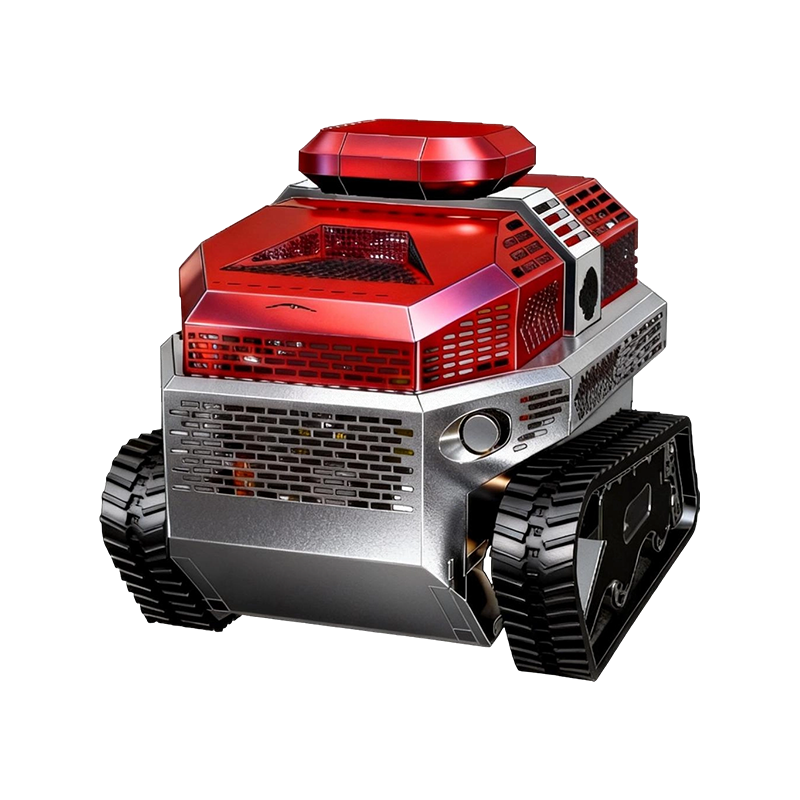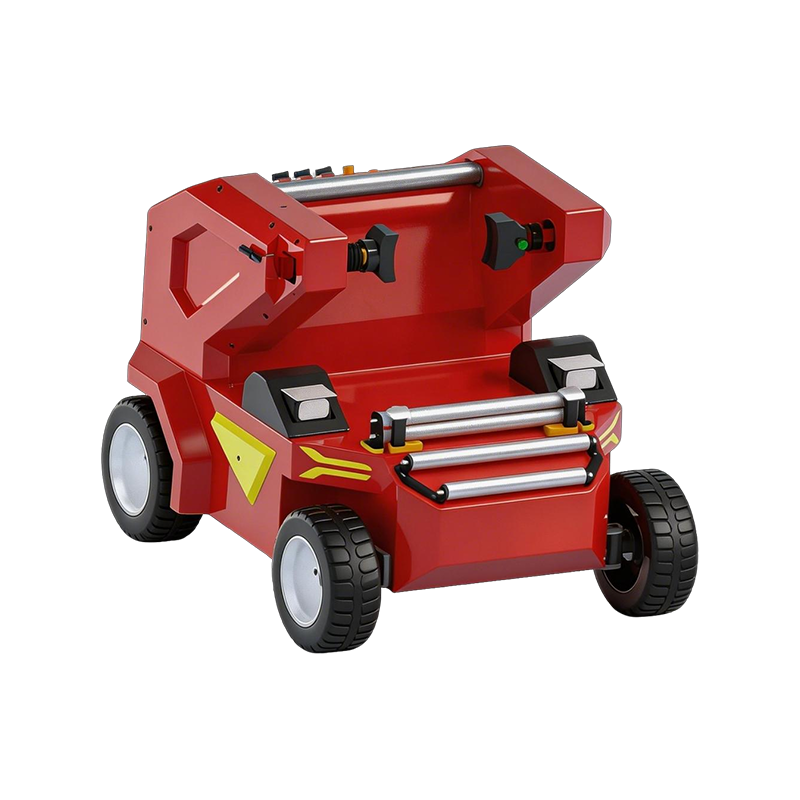
 English
 русский
Qisheng
Qisheng
Qisheng
Qisheng
Qisheng
Qisheng
Qisheng
Qisheng
Qisheng
Table of Contents
- 1 What Defines a Drainage Robot for Industrial Water Management
- 2 Core Capabilities: Flow Rate, Control Range, and Obstacle Avoidance
- 3 Amphibious vs Tracked Platforms: Matching Locomotion to Terrain
- 4 Power and Hydraulic Integration: Matching the Robot to the Power Unit
- 5 Selection Criteria: What to Specify Before You Buy
- 6 Operational Efficiency: Hose Management and Live Data
- 7 Frequently Asked Questions
A drainage operation at an industrial plant rarely fails because the pump lacks power. It fails because the pump cannot reach the water, cannot be positioned safely, or cannot keep running on unstable ground. Drainage robots for industrial water management carry high-flow pumping capacity into the hazard zone while the operator stays at a safe distance. Wuhu Qisheng Intelligent Equipment Co., Ltd. builds amphibious and tracked drainage robots that pair hydraulic pump technology with remote mobility. This guide covers the capabilities that matter and the specifications to check before purchase.
What Defines a Drainage Robot for Industrial Water Management
A drainage robot for industrial water management is a remotely operated, self-propelled platform that combines a high-flow pump, hose connection, and terrain-capable chassis for removing water where fixed pumps or personnel cannot work safely.
Core definition: a drainage robot is an unmanned mobile pumping system, usually radio-controlled, that integrates an industrial-grade pump with amphibious or tracked locomotion so water removal can continue in flooded tunnels, sludge fields, retention basins, and other hazardous environments.
The category covers a family of machines rather than one configuration. Some units float on amphibious hulls for open water; others use steel tracks to climb wet slopes and push through mud. All share a hydraulic power interface, a remote control system, and a pump rated in hundreds or thousands of cubic meters per hour.
- Pump capacity from 600 m3/h on compact models to 2,500 m3/h on amphibious platforms
- Remote control with obstacle avoidance and live status feedback
- Amphibious or tracked locomotion matched to site conditions
- Quick hose coupling and automatic hose handling on large models
- Compatibility with external hydraulic power units and portable power packs
Time-to-dry benchmark: a robot rated at 2,500 m3/h removes a 500 m3 industrial basin in about 12 minutes of continuous pumping.
Core Capabilities: Flow Rate, Control Range, and Obstacle Avoidance
Flow rate decides how fast a site clears, control range decides how far the operator stands from the hazard, and obstacle avoidance decides whether the robot keeps moving or stops until a crew intervenes.
Rated values such as 600 m3/h, 1,000-1,300 m3/h, and 2,000-2,500 m3/h describe maximum output under ideal conditions. Real duty depends on discharge head, hose diameter, suction depth, and solids content. For industrial planning, assume 70-85 percent of rated flow in practical layouts and check the pump curve against the head at your site.
Maximum rated flow by drainage robot platform.
Control range and obstacle avoidance set the safe working distance between operator and water. Modern systems use radio remote control with sensor feedback and live telemetry covering pump pressure, engine status, and water level. The operational guidance in our article on intelligent drainage robot control range and obstacle avoidance applies directly to industrial plants.
| Platform | Maximum Flow | Chassis | Typical Deployment |
| Amphibious Intelligent Drainage Robot | 2,000-2,500 m3/h | Amphibious hull | Open basins, canals, deep flooded areas |
| Tracked High-Flow Pumping Robot | 1,000-1,300 m3/h | Steel tracks | Mud, sewer outfalls, construction slopes |
| Compact Tracked Drainage Robot | 600 m3/h | Compact tracks | Tunnels, plant basements, narrow channels |
Planning rule: size the robot at roughly double the average inflow. If a sump receives 400 m3/h of ingress, a 1,000 m3/h robot leaves margin for head loss, hose friction, and occasional blockages.
Amphibious vs Tracked Platforms: Matching Locomotion to Terrain
Choose the chassis first, because it decides where the robot can work: amphibious hulls float in open water, while tracked platforms climb slopes and cross soft ground that wheels cannot handle.
Amphibious Platforms
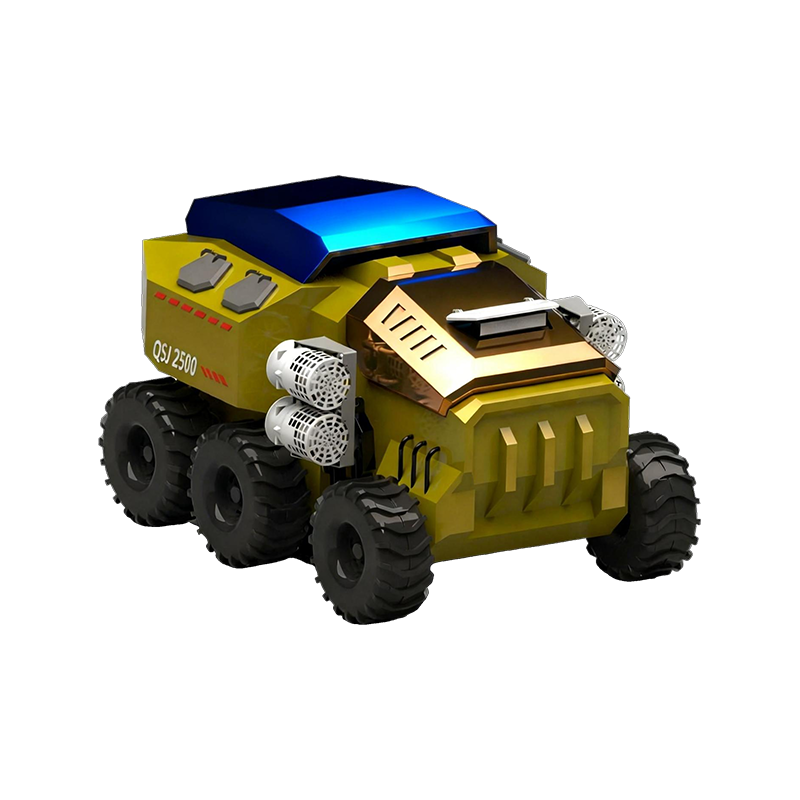
Amphibious machines suit flooded basements, retention ponds, canals, and open basins where water depth exceeds one to two meters. The hull floats, so the unit cannot sink, and the operator steers it across the surface to the deepest point. The largest amphibious systems deliver 2,000-2,500 m3/h. Consider Wuhu Qisheng's Amphibious Intelligent Drainage Robot for open-water work at high volume.
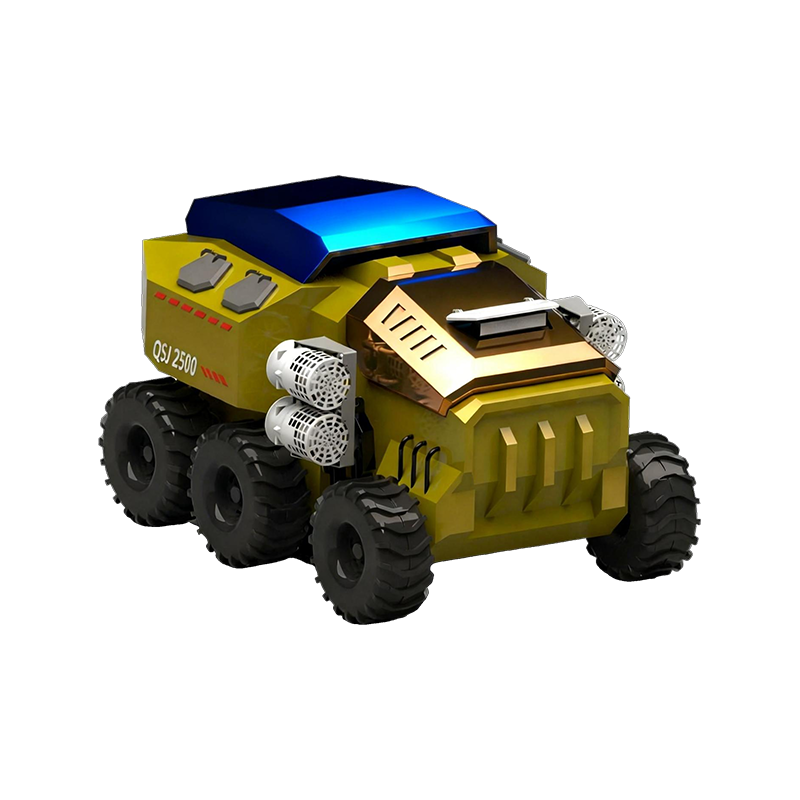 Wholesale Amphibious Intelligent Drainage Robot (20002500 m³/h) Suppliers, CompaWuhu Qisheng Intelligent Equipment Co., Ltd. Is China Wholesale Amphibious Intelligent Drainage Robot (20002500 m³/h) Suppliers, Exporter...View Product →
Tracked Platforms
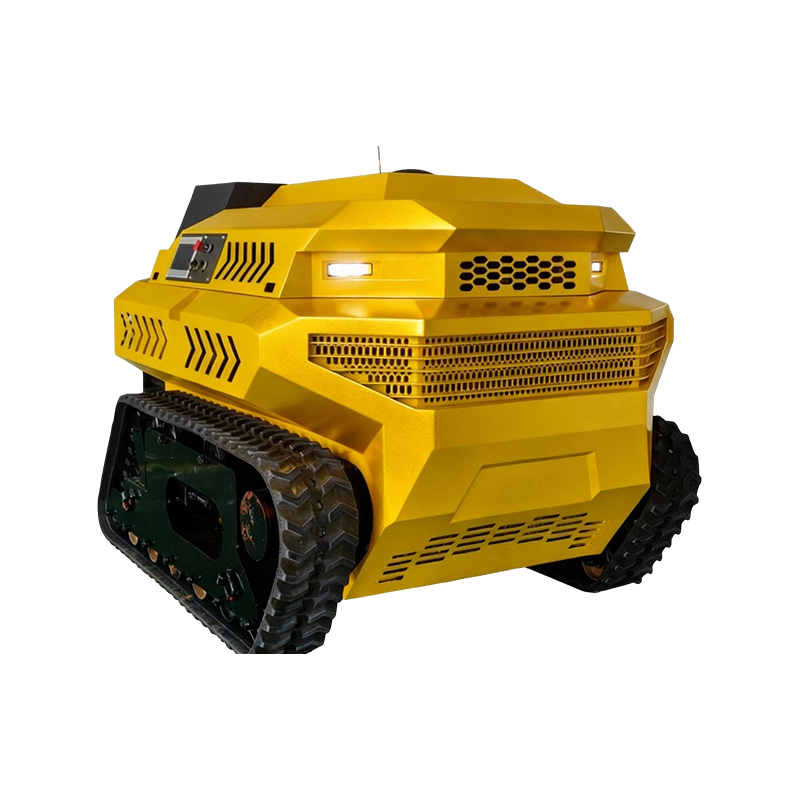
Tracked machines suit mud, sewers, construction slopes, and semi-dry channels where traction matters more than flotation. Steel tracks bite into soft ground, and compact versions pass through doorways and plant corridors. The Tracked High-Flow Pumping Robot covers the 1,000-1,300 m3/h class for heavy mud and sewage operations.
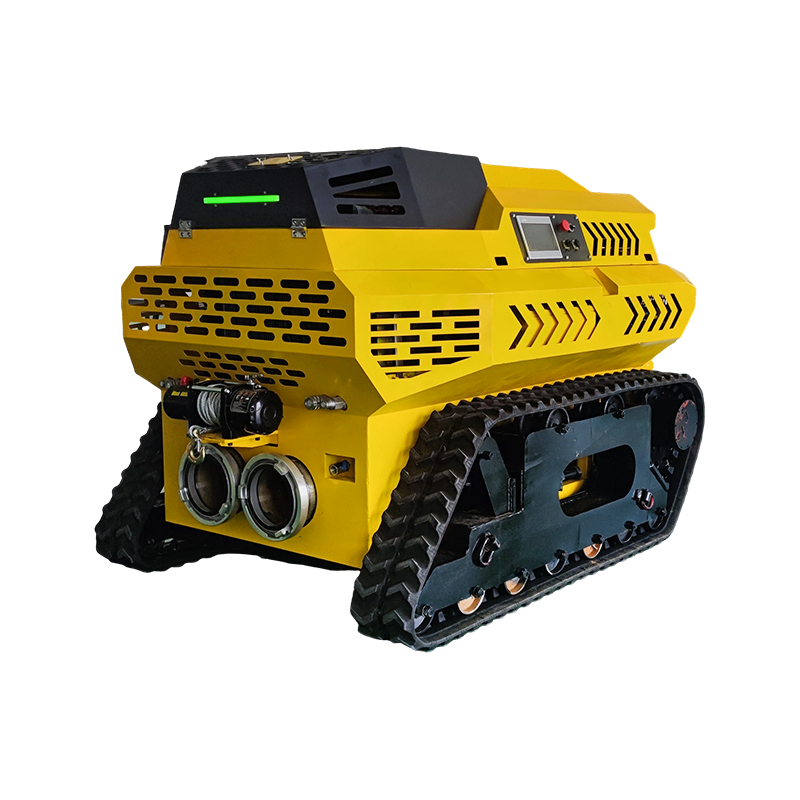 Wholesale Tracked HighFlow Pumping Robot (10001300 m³/h) Suppliers, Company, ExpWuhu Qisheng Intelligent Equipment Co., Ltd. Is China Wholesale Tracked HighFlow Pumping Robot (10001300 m³/h) Suppliers, Exporter, Compa...View Product →
Selection shortcut: deep open water means amphibious; unstable ground with shallow water means tracked; doorways and narrow channels mean a compact tracked unit is the only realistic option.
Power and Hydraulic Integration: Matching the Robot to the Power Unit
Every hydraulic drainage robot depends on an external power source, so the robot, hoses, and hydraulic power unit must be specified as one system rather than separate purchases.
Hydraulic-driven robots remove the need for electrical power at the pump location, which matters in explosive atmospheres, flooded substations, and remote terrain where grid power has failed. The power unit stays on dry ground or on a trailer while the robot works in the water. Sizing must cover the flow and pressure demand of the robot hydraulic motor plus auxiliary loads such as hose reels. The flow rate and durability guidance for hydraulic drainage pumps applies to robot-mounted pumps as well.
- Match the power unit flow (L/min) and pressure (bar) to the robot motor
- Confirm the maximum hose length between power unit and robot
- Verify oil cooling for continuous multi-hour operation
- Choose a portable gasoline power pack for mobile response or an electric HPU for fixed installation
Non-electric drive is why hydraulic robots work where electric pumps cannot: no cable in the water, no shock risk, and no dependence on a live grid.
Selection Criteria: What to Specify Before You Buy
Define the water volume, terrain, access route, and operator safe position before comparing models, because these four factors eliminate most unsuitable robots immediately.
Work through the selection in a fixed order so that powerful specifications do not mask a mismatch in chassis or control.
- Calculate the required flow rate: divide the flooded volume by the target clearance time.
- Map the terrain and access route, including slopes, door widths, and ground bearing capacity.
- Set the control distance and line of sight between operator and work area.
- Match the hydraulic power unit to the robot flow and pressure demand.
- Plan hose management: coupling size, hose length, and recovery after pumping.
For tunnels and confined plant areas, the Compact Tracked Intelligent Drainage Robot, rated at 600 m3/h, fits through standard doorways.
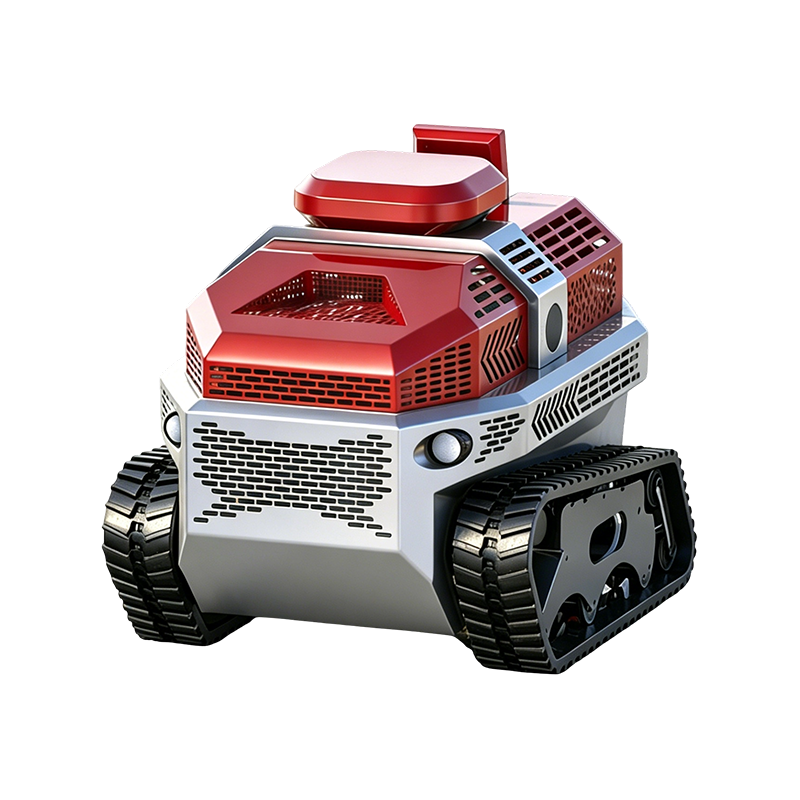 Wholesale Compact Tracked Intelligent Drainage Robot (600m³/h) Suppliers, CompanWuhu Qisheng Intelligent Equipment Co., Ltd. Is China Wholesale Compact Tracked Intelligent Drainage Robot (600m³/h) Suppliers, Exporter,...View Product →
Seven-value shortlist: rated flow, maximum head, control range, chassis type, hose coupling size, power unit connection, and total system weight. If a supplier cannot state all seven in writing, treat the quote as incomplete.
Operational Efficiency: Hose Management and Live Data
A drainage robot only delivers value when its hose and control systems keep pace with the pump.
Pumping at 2,000 m3/h through one delivery hose creates strong reaction forces and requires frequent repositioning. Larger robots integrate automatic hose rolling to pay out and recover hoses, which reduces crew size and shortens changeover between pump positions. Live telemetry changes operator behavior as well: instead of guessing water levels in darkness, the operator watches pump pressure and position on a control panel and adjusts without entering the hazard zone.
The same logic applies to municipal drainage networks, where confined access and response speed dominate the outcome. The efficiency gains described in our review of drainage robots in urban sewer systems carry over directly to industrial water management.
Operational benchmark: measure time-to-dry, not pump rating. The interval from arrival to a dry floor is what crews notice, and automatic hose handling plus live telemetry shorten it more than a larger pump on a static skid.
Frequently Asked Questions
What is a drainage robot for industrial water management?
It is a remotely controlled, self-propelled platform that carries a high-flow pump into flooded or hazardous industrial areas while the operator works from a safe distance.
What flow rates can drainage robots achieve?
Compact tracked models deliver about 600 m3/h, tracked high-flow platforms reach 1,000-1,300 m3/h, and amphibious models reach 2,000-2,500 m3/h under ideal conditions.
Do drainage robots need electricity at the pump location?
No. Hydraulic-driven drainage robots are powered by an external hydraulic power unit, which can be gasoline or electric driven. This keeps electrical equipment away from water and maintains operation when the grid is down.
How far can an operator control a drainage robot?
Control range depends on radio conditions, antenna placement, and obstacles on site. Verify the rated range against your plant geometry and use live data feedback to extend the safe working distance.