 English
 русский
Qisheng
Qisheng
Qisheng
Qisheng
Qisheng
Qisheng
Qisheng
Qisheng
Qisheng
Table of Contents
- 1 SEC_01What is an intelligent drainage robot and how does it work in water management systems?
- 2 SEC_02What are the main types of drainage robots?
- 3 SEC_03Where are intelligent drainage robots commonly used?
- 4 SEC_04What performance features should an intelligent drainage robot provide?
- 5 SEC_05How is an intelligent drainage robot designed and manufactured?
- 6 SEC_06How do intelligent drainage robots compare with manual sewer maintenance?
- 7 SEC_07What are common problems or limitations of drainage robots?
- 8 SEC_08What is the future trend of intelligent drainage robot technology?
- 9 FAQ
Sewer and stormwater pipelines are hard to inspect and harder to clean safely by hand. An intelligent drainage robot replaces that manual entry work with a remotely operated or autonomous unit that travels through the pipe itself, carrying cameras, sensors, and sometimes cleaning tools to the point where the work actually needs to happen.
A pipeline that once required a worker to enter a confined space can now be inspected end to end by a drainage robot operated entirely from street level.
SEC_01What is an intelligent drainage robot and how does it work in water management systems?
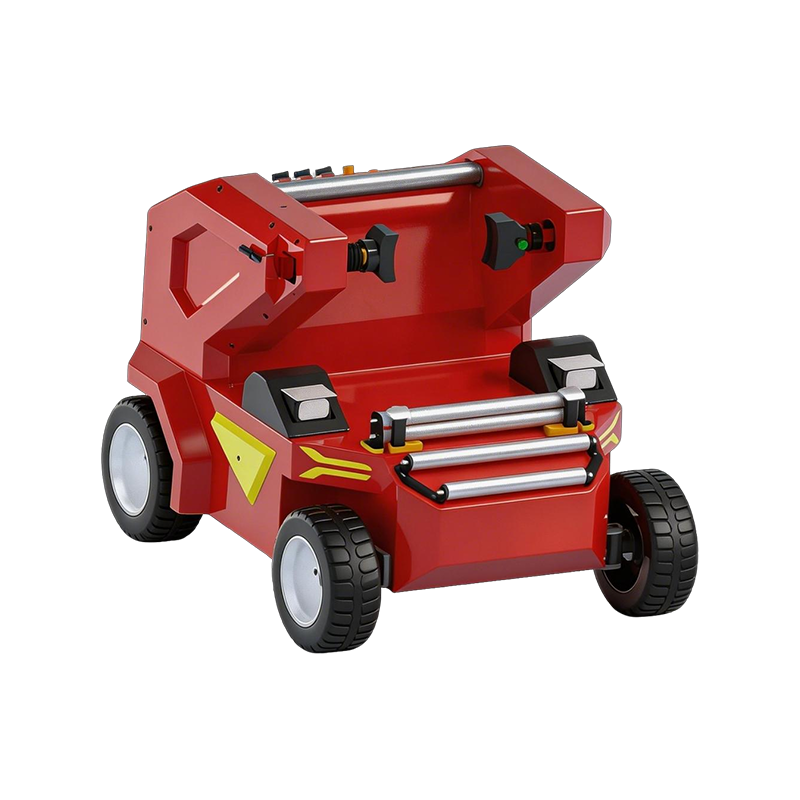
A drainage inspection robot is built around a waterproof chassis carrying a camera, lighting, and sensor package, connected back to an operator through a tether or wireless link. A sewer cleaning robot system extends this same platform with tools such as high-pressure jets or cutting heads to clear blockages directly inside the pipe. Smart flood control equipment uses similar robotic platforms to inspect stormwater infrastructure before seasonal flood risk periods.
A pipeline maintenance robot moves through the pipe on tracks or wheels suited to the pipe diameter and surface condition, streaming live video back to the operator as it travels. An autonomous drainage machine takes this further, using onboard navigation to move through mapped sections of pipe with reduced operator input, though most current systems still rely on an operator to review footage and confirm findings.
SEC_02What are the main types of drainage robots?
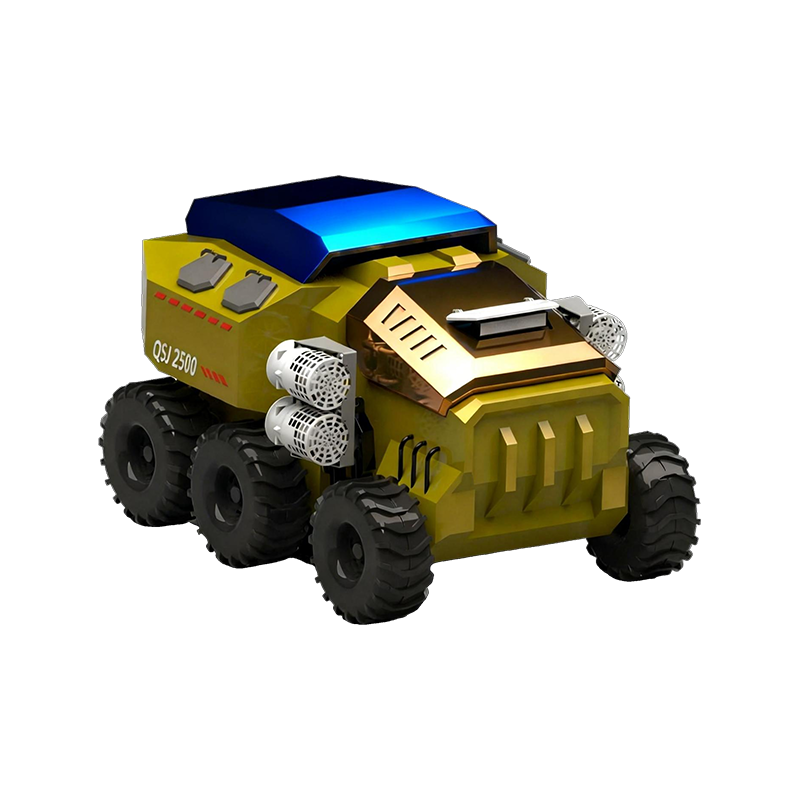
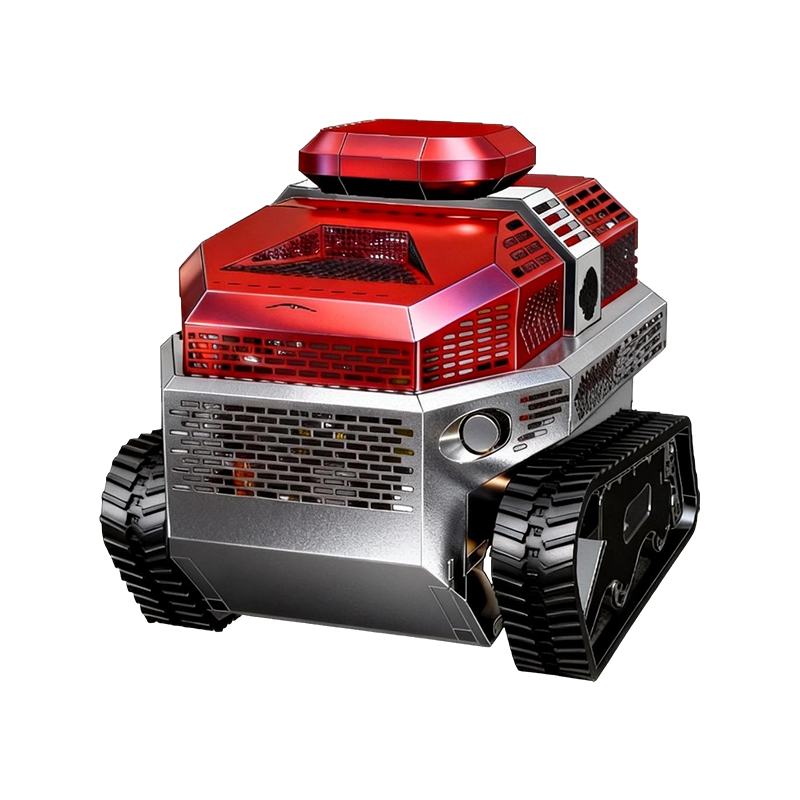
Different drainage tasks call for different robot platforms. A crawler sewer robot moves on tracked wheels, suited to a wide range of pipe diameters and surface conditions. A pipe inspection robot is built primarily around its camera and sensor package, with less emphasis on cleaning capability. A remote controlled drainage robot is directly operated by a technician in real time, useful for complex blockages that need constant judgment calls. An autonomous underwater drainage robot is designed for fully submerged pipeline sections, propelling itself through standing water rather than crawling along a pipe floor. A modular pipeline cleaning robot allows different tool heads to be swapped depending on whether the job calls for inspection, jetting, or debris removal.
Crawler sewer robotTracked mobility across varied pipe surfaces
Pipe inspection robotCamera and sensor focused platform
Remote controlled robotDirect operator control in real time
Autonomous underwater robotPropulsion through submerged sections
Modular cleaning robotSwappable tool heads by task
SEC_03Where are intelligent drainage robots commonly used?
Drainage robots are deployed anywhere underground water infrastructure needs regular inspection or clearing. Municipal sewer systems use them for routine condition assessments across aging pipe networks. Urban stormwater drainage networks rely on robotic inspection ahead of and after major rain events. Industrial wastewater pipelines use similar platforms adapted for the specific chemical and debris conditions found in industrial discharge. Tunnel drainage systems, often difficult to access by other means, benefit from robots that can travel long distances through confined channels. Construction site water control also uses drainage robots to verify temporary drainage installations before and during active building work.
MunicipalSewer systems
UrbanStormwater networks
IndustrialWastewater pipelines
InfrastructureTunnel drainage
SEC_04What performance features should an intelligent drainage robot provide?
Field reliability comes down to a specific set of physical and functional traits. A high mobility crawler chassis needs to handle uneven pipe surfaces, debris, and changes in pipe diameter without getting stuck. A waterproof sealed robotic body keeps electronics protected from constant exposure to water and corrosive waste material. A real time video inspection system lets the operator identify cracks, blockages, or root intrusion as the robot travels rather than only after the fact. High pressure cleaning capability, where equipped, needs enough force to clear compacted debris without damaging the pipe wall. Long distance remote control operation determines how far into a pipeline network the robot can travel before signal or tether limitations force it to turn back.
AMobility across uneven pipe surfaces
BSealed protection against water exposure
CLive video feed during inspection
DSufficient cleaning force for debris
EExtended remote operating range
SEC_05How is an intelligent drainage robot designed and manufactured?
Building a drainage robot follows a sequence that blends mechanical, electronic, and software engineering.
Waterproof robotic housing design shapes and seals the chassis that will protect all internal components from constant water exposure.
1Embedded control system integration installs the onboard processing that manages motor control, navigation, and data transmission.
2Camera and sensor installation adds the vision and detection hardware that lets the robot capture pipe condition data as it travels.
3Motor drive system assembly fits the propulsion components matched to the crawler or propulsion design chosen for the platform.
4Industrial robotics testing process runs the finished unit through simulated pipe conditions before it is approved for field deployment.
5SEC_06How do intelligent drainage robots compare with manual sewer maintenance?
Manual cleaning vs robotic inspection is the central comparison in modern drainage maintenance planning. Safety improvement automation systems reduce or eliminate the need for a worker to physically enter a confined pipe space. Efficiency comparison maintenance methods generally favor robotic inspection for covering long pipe distances in a single pass. Cost reduction robotic systems can lower long-term maintenance costs by catching problems earlier through more frequent inspection. Hazard exposure reduction workers is one of the most significant benefits, since confined space entry carries real safety risk that robotic inspection avoids entirely.
Robotic Inspection
- No worker enters the confined pipe space
- Continuous video record of pipe condition
- Covers long distances in a single deployment
Manual Maintenance
- Requires confined space entry protocols
- Findings depend on worker observation
- Slower coverage of long pipe sections
SEC_07What are common problems or limitations of drainage robots?
Robotic drainage systems face a recurring set of operational challenges. Signal loss underground environments can interrupt control or video feed, particularly in long pipe runs or areas with heavy interference. Battery life limitation robots restricts how long a fully wireless unit can operate before needing to return for a recharge. Blockage navigation difficulty arises when debris or structural damage blocks the robot's path entirely, requiring a different clearing approach before inspection can continue. A high equipment cost investment remains a barrier for smaller municipalities weighing robotic systems against traditional manual methods. Maintenance of waterproof systems is an ongoing requirement, since seals and housings degrade with repeated exposure to waste material and moisture.
SEC_08What is the future trend of intelligent drainage robot technology?
AI powered inspection systems are increasingly used to automatically flag cracks, blockages, or root intrusion from video footage rather than relying solely on operator review. Autonomous navigation sewer robots are advancing toward mapped, self-guided routes through known pipe sections. Smart city infrastructure integration is connecting drainage robot data directly into broader municipal asset management systems. 5G remote control robotics is extending the practical operating range and video quality available to remote operators. Predictive maintenance pipeline systems are emerging as inspection data accumulates over time, allowing maintenance to be scheduled based on observed pipe condition trends rather than fixed calendar intervals.
The direction of this technology is clear: less time spent underground, more time spent reviewing the data a robot already collected.
FAQ
What is an intelligent drainage robot?
It is a robotic platform designed to travel through sewer or stormwater pipes, carrying cameras, sensors, and sometimes cleaning tools to inspect or maintain the pipeline.
How do sewer robots work?
They move through the pipe on tracks, wheels, or propulsion systems while streaming video and sensor data back to an operator monitoring the inspection.
Are drainage robots fully autonomous?
Most current systems combine remote operator control with some autonomous navigation features, rather than operating entirely without human input.
What industries use drainage robots?
Municipal water utilities, industrial wastewater operators, and construction site managers all use drainage robots for inspection and maintenance work.
Can drainage robots clean pipes?
Many platforms include or support attachments such as high-pressure jetting tools specifically for clearing blockages during a maintenance pass.
How much do drainage robots cost?
Cost varies significantly based on platform capability, sensor package, and cleaning tool options, and is generally weighed against the cost and risk of manual confined space work.