
 English
 русский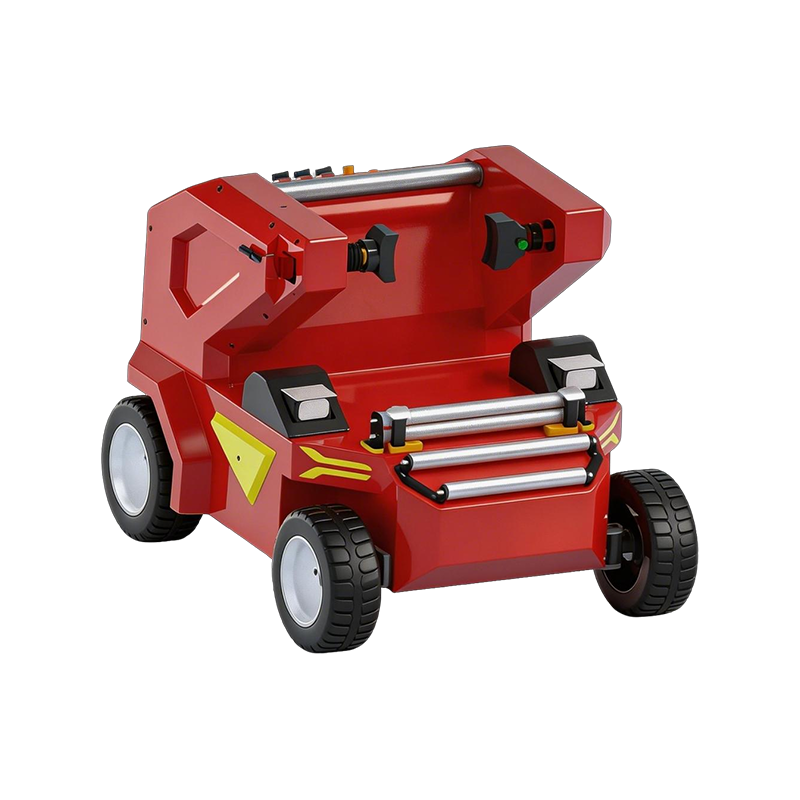

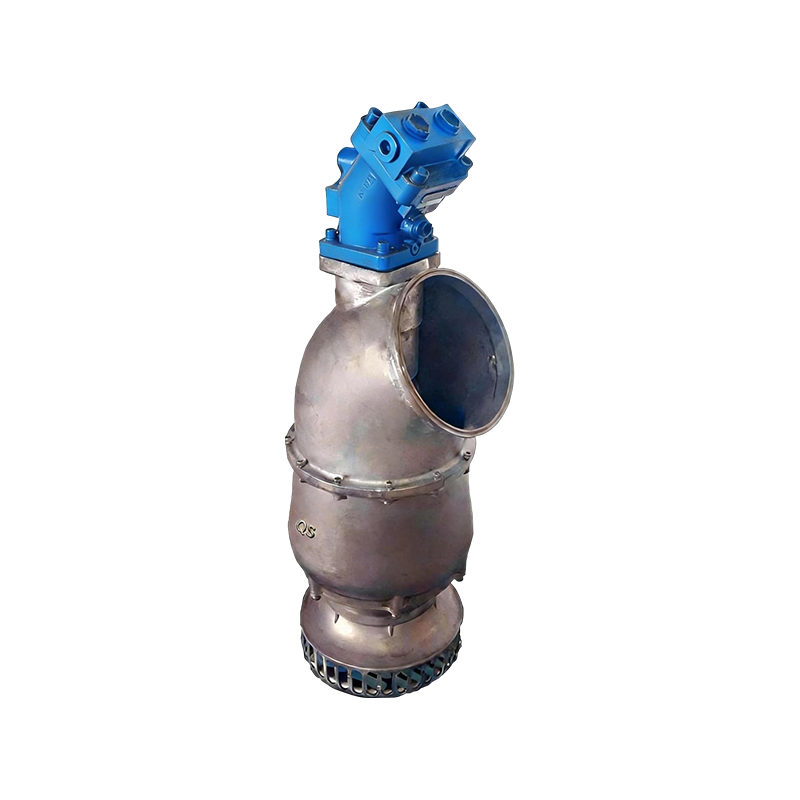
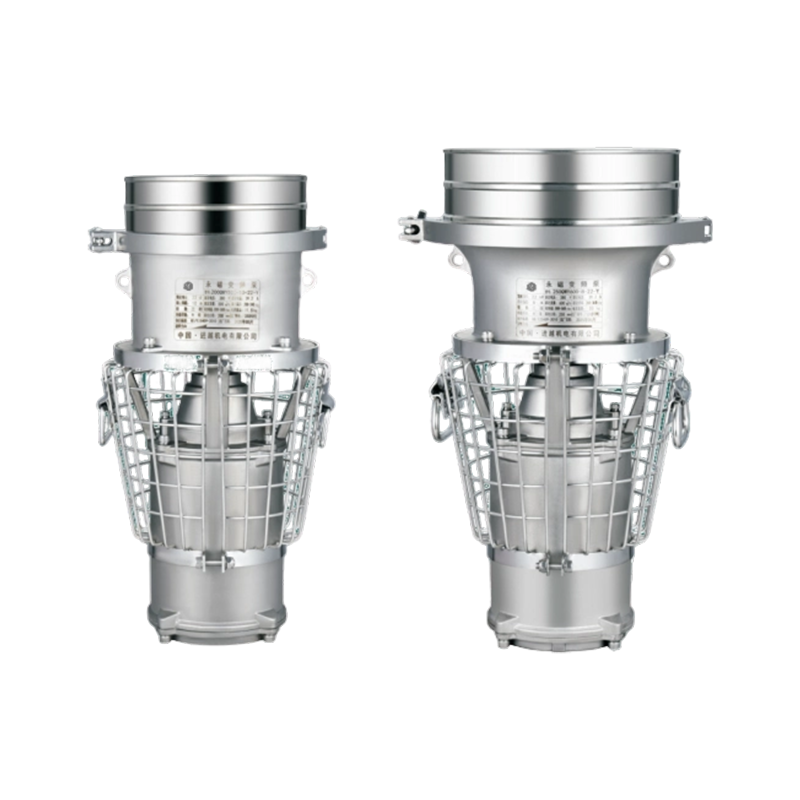
Intelligent Drainage Robot For Urban Flood Control
Product Overview
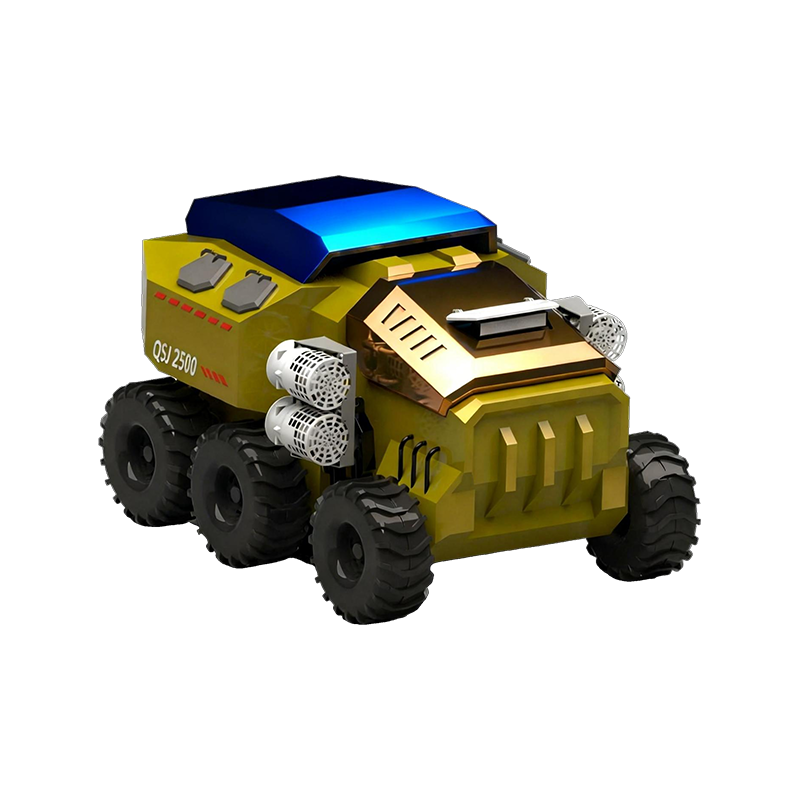
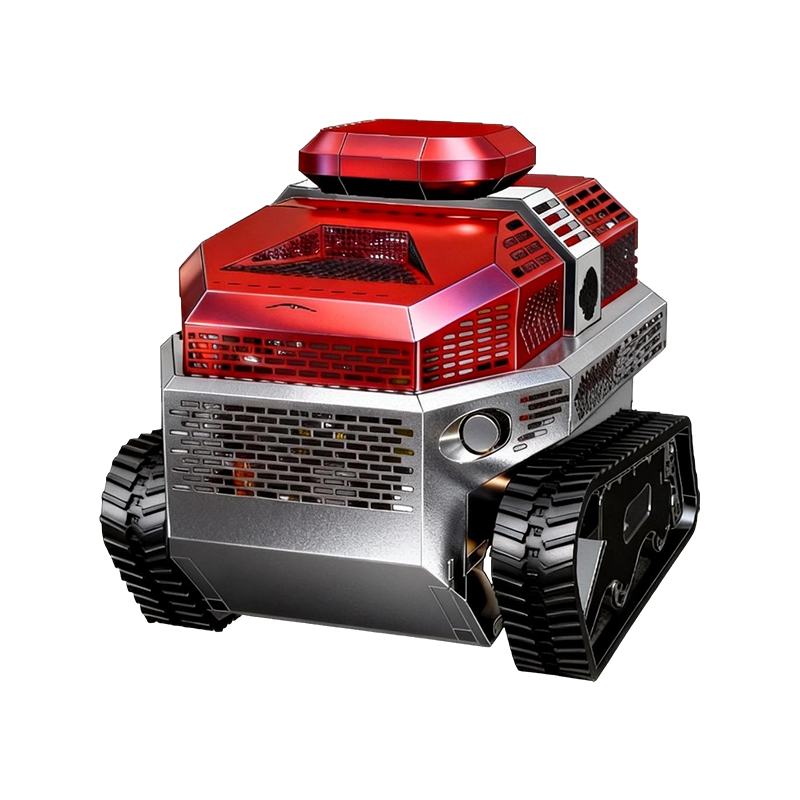
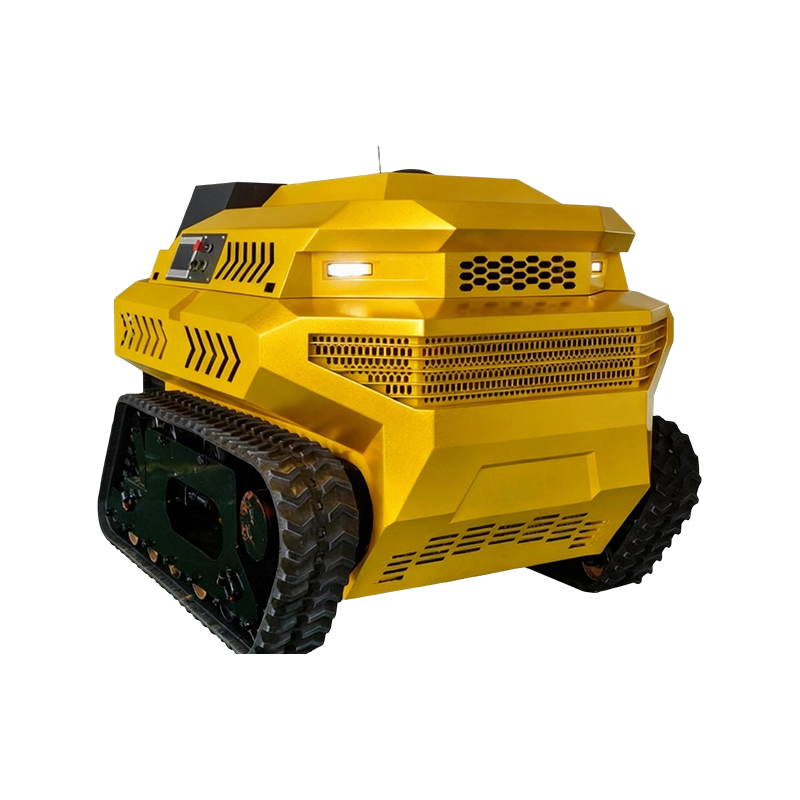
The Intelligent Drainage Robot is an autonomous electromechanical system engineered for subsurface stormwater networks. It integrates multi-spectral imaging, laser ranging, and flow velocity sensors to conduct real-time inspections of pipelines ranging from DN 300 to DN 2000. The robot operates in submerged conditions up to 5 meters depth, transmitting georeferenced data to a central management platform. Its modular traction system adapts to sediment layers, debris, and variable pipe inclinations, enabling continuous monitoring without manual entry. The unit logs structural defects, blockages, and hydraulic anomalies, providing baseline data for predictive maintenance models in urban drainage infrastructure.
Core Advantages
- Real-time multisensor data fusion (visual, thermal, acoustic) for anomaly detection.
- Autonomous navigation with obstacle avoidance in confined, low-visibility conduits.
- Adaptive traction force (up to 1200 N) for steep gradients and viscous sediments.
- IP68-rated enclosure for continuous submersion and debris-laden flows.
- Edge computing for on-board preprocessing, reducing central server load.
Product Characteristics
| Operational depth | 0.5 – 5.0 m (submerged) |
| Pipe diameter range | DN 300 – DN 2000 |
| Maximum forward speed | 0.8 m/s (survey) / 1.5 m/s (transit) |
| Sensor payload | 4K RGB, 640×512 thermal, 360° laser profilometer |
| Data interface | Ethernet / 4G / LoRaWAN (selectable) |
| Battery runtime | 6 hours (continuous) |
| Chassis material | Aluminium alloy 6061 with ceramic coating |
Application Scenarios
- Pre-flood inspection of trunk sewers and stormwater outfalls.
- Rapid damage assessment after extreme rainfall events.
- Routine condition monitoring of combined sewer overflow (CSO) chambers.
- Sediment thickness mapping and blockage localization in large-diameter pipes.
- Integration with SCADA systems for real-time flood warning triggers.
Frequently Asked Questions & Solutions
- How does the robot handle debris or floating objects?
- The front grille and dual-stage filtration system deflect particles larger than 30 mm. For entangled materials, the tracks reverse momentarily to shed accumulated debris, an action controlled by torque feedback.
- Is the system compatible with existing GIS databases?
- Yes. Outputs include GeoJSON and CSV formats with pipe ID, GPS coordinates, and timestamps. The robot syncs with commonly used municipal asset management platforms.
- What maintenance intervals are recommended?
- After every 50 operational hours, inspect sealing rings and clean optical windows. Battery health checks are advised quarterly using the built-in diagnostic routine.
- Can it operate in chemically aggressive environments?
- Standard configuration resists pH 5–9. For high-sulphide or saline conditions, an optional fluoroelastomer seal kit and passivated fasteners are available.
Operational Notes
- Pre-deployment calibration of inertial sensors is required for gradient accuracy below 1°.
- Maximum cable tether length is 150 m; beyond that, wireless relay nodes are necessary.
- Ambient water temperature range: 2 °C to 45 °C.
- Do not operate in flows exceeding 3.5 m/s without the high-flow stabilizer fin accessory.
- Recovery procedure: engage the tether winch at reduced speed to prevent suction against manhole walls.