 English
 русский
Qisheng
Qisheng
Qisheng
Qisheng
Qisheng
Qisheng
Qisheng
Qisheng
Qisheng
Table of Contents
Urban flooding and emergency water buildup move faster than manual crews can respond. An intelligent drainage robot closes that gap by combining automated navigation, real-time monitoring, and high-efficiency pumping in a single unit that deploys without a full manual setup crew.
Built for rapid response
Automated deployment, remote operation, and live monitoring replace the manual setup that traditional drainage pumps require.
What is an intelligent drainage robot?
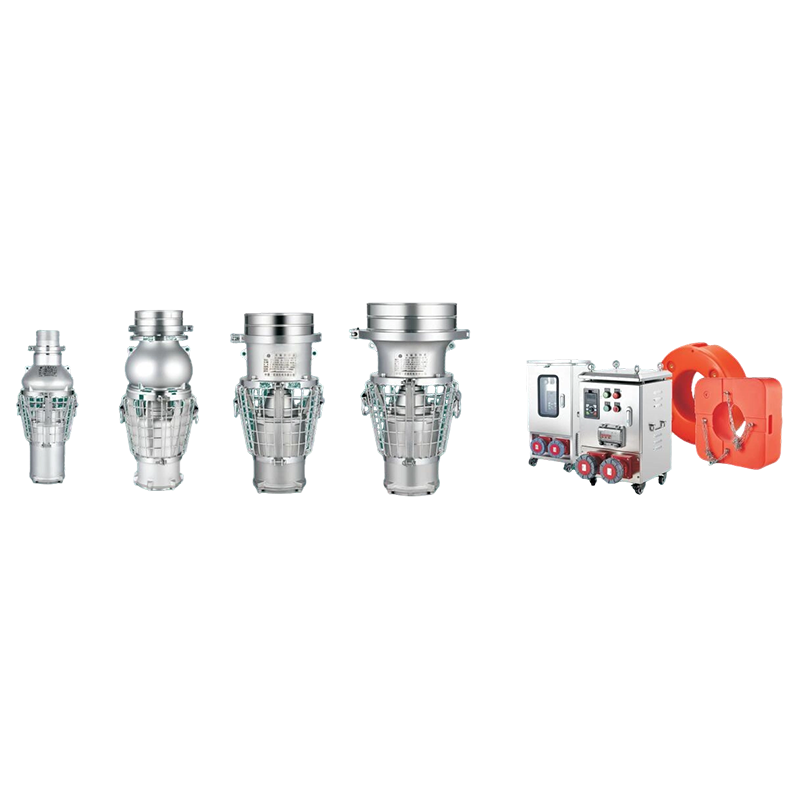
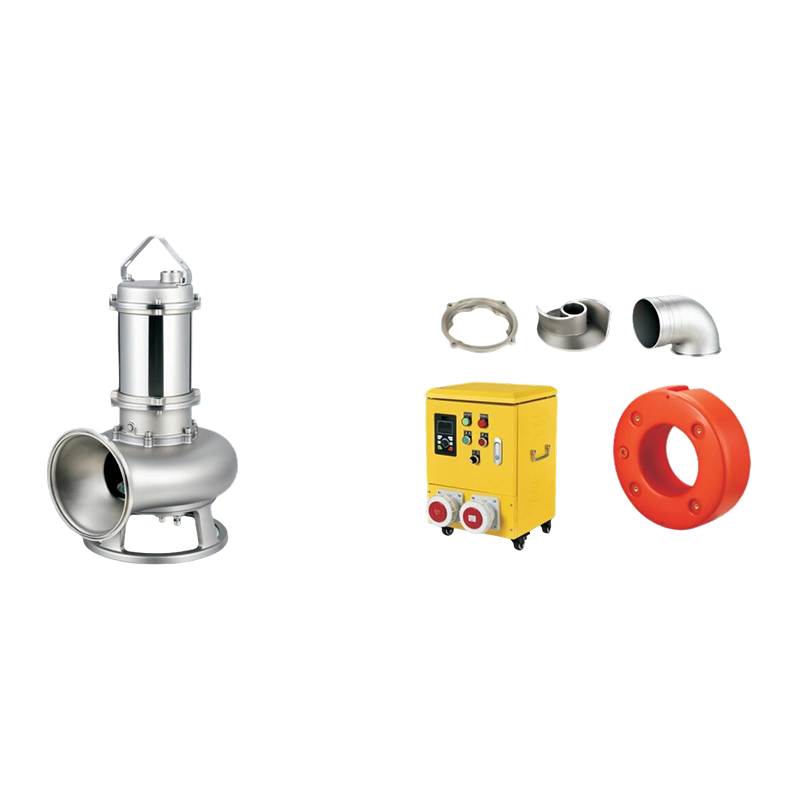
An intelligent drainage robot is an automated device that performs water removal with minimal human intervention, combining control systems, sensors, automatic navigation, and remote operation into one platform.
- Detects and moves to water accumulation areas without manual guidance
- Pumps and removes water while monitoring operating conditions
- Sends real-time operation data back to a remote operator
Why are intelligent drainage robots becoming more important?
Across the metrics that matter most in an emergency, automated systems consistently outperform manual drainage setups.
Section 03Intelligent drainage robot vs traditional drainage equipment
| Factor | Intelligent Drainage Robot | Traditional Equipment |
| Operation | Automated or remote | Mainly manual |
| Response speed | Rapid deployment | Requires manual setup |
| Safety | Reduces worker exposure | Higher operational risk |
| Monitoring | Real-time data feedback | Limited feedback |
| Best fit | Complex environments | Standard drainage tasks |
Flooded environments often carry electrical hazards, contaminated water, and unstable structures. Keeping an operator at a safe distance is often the single biggest safety gain a drainage robot delivers.
Where are intelligent drainage robots used?
Cities deploy them for street flooding and underground drainage during storm events. Subway stations, underground parking, and utility tunnels rely on them where manual drainage is slow and risky. Factories and warehouses use them to remove accumulated water without halting production, and construction sites use them for foundation pits and excavation areas that flood temporarily during a project.
Section 05What to consider when choosing an intelligent drainage robot
- Pumping performance, water removal speed, and continuous operation capability
- Working environment, including indoor or outdoor use and space limitations
- Automation features such as remote control, sensor integration, and intelligent monitoring
- Waterproof performance, corrosion resistance, and mechanical durability
- Supplier support for customization, testing, and after-sales service
 |
 |
FAQ
What is an intelligent drainage robot?
An automated device that removes water using smart control systems, sensors, and pumping technology, with minimal need for manual operation.
What are the advantages of intelligent drainage robots?
Faster emergency response, reduced labor requirements, improved worker safety, and higher drainage efficiency compared with manual equipment.
Where are intelligent drainage robots used?
Urban flood control, underground facilities, industrial plants, construction sites, and emergency drainage operations.
How do intelligent drainage robots differ from traditional pumps?
Traditional pumps usually need manual setup and monitoring, while an intelligent drainage robot operates and reports data with far less direct human involvement.