 English
 русский
Qisheng
Qisheng
Qisheng
Qisheng
Qisheng
Qisheng
Qisheng
Qisheng
Qisheng
Table of Contents
- 1 What Intelligent Drainage Robot Maintenance Actually Covers
- 2 Pre-Deployment Inspection Checklist
- 3 Hydraulic System Service: Oil, Hoses, and Filters
- 4 Pump and Impeller Care
- 5 Track, Chassis, and Float Maintenance
- 6 Control, Telemetry, and Safety System Checks
- 7 Storage, Seasonal Care, and Documentation
- 8 Frequently Asked Questions
At dawn in a flooded subway underpass, a track-mounted drainage robot refused to start. The hydraulic oil had not been changed in two years, the intake strainer was packed with silt, and the remote transmitter was at 4 percent charge. The rescue crew spent three hours repairing problems that a ten-minute pre-deployment check would have caught the previous day. That sequence repeats at flood sites every year, and it is entirely preventable.
What Intelligent Drainage Robot Maintenance Actually Covers
Intelligent drainage robot maintenance is the systematic inspection, servicing, and repair of the four subsystems that keep a drainage robot deployable: the hydraulic power unit, the pump assembly, the chassis and traction system, and the remote control and telemetry package. This definition matters because it tells technicians where to look first when output drops or the robot stops responding.
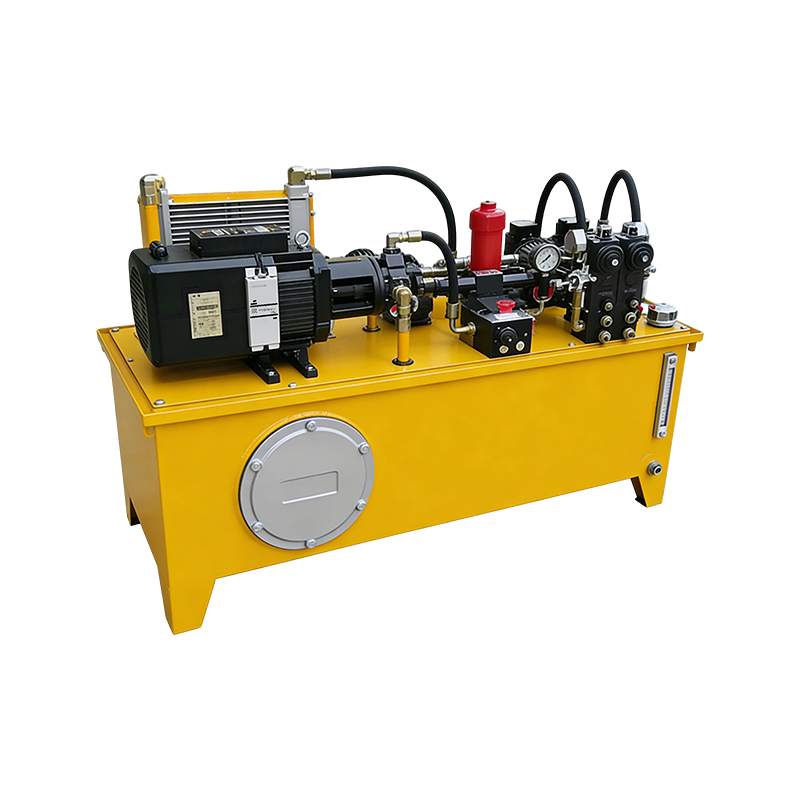
Wuhu Qisheng Intelligent Equipment Co., Ltd. builds drainage robots around one design principle: the pump is driven by a hydraulic power unit, not by onboard electric motors. That makes the hydraulic circuit the first place to investigate whenever performance degrades. A drainage robot is a mobile hydraulic pumping station, and it fails the way hydraulic equipment fails: contaminated oil, worn seals, damaged hoses, and filters that were not replaced on schedule.
Hydraulic drive
Power unit, oil tank, hoses, and valves that drive both pump and chassis.
Pump assembly
Impeller, intake strainer, wear plate, and discharge outlet sized to the flow rating.
Traction system
Tracked or amphibious chassis with drive motors, tracks, seals, and idler bearings.
Control package
Remote transmitter, receiver, batteries, and sensors that report flow and position.
Pre-Deployment Inspection Checklist
Every deployment should begin with a nine-point inspection that takes less than ten minutes. Skipping it sharply increases the probability of mid-operation failure, because the defects that disable robots in the field are almost always visible before the unit enters the water.
| Item | What to check | Action if worn |
| Hydraulic oil level | Oil at or near the full mark on the sight glass | Top up with specified grade |
| Intake strainer | No debris, silt, or clogging | Clean with water or compressed air |
| Hydraulic hoses | Cuts, bulges, abrasions, or loose fittings | Replace before deployment |
| Track tension | No excessive sag or tightness | Adjust idler or replace tensioner |
| Remote battery | Charge level above 30 percent | Charge or swap battery |
| Control link | Response within 1 second of command | Re-pair transmitter and receiver |
| Discharge outlet | Coupling secure, no leaks | Tighten or replace gasket |
| Lifting points | No deformation or missing pins | Repair before sling use |
| Safety shutdown | Emergency stop functions correctly | Service control panel |
Hydraulic System Service: Oil, Hoses, and Filters
Hydraulic oil is the robot's circulatory fluid, and degraded oil is the most common cause of lost performance. Drainage robots operate in dirty water, mud, and sewer environments, so any breach in a hose or seal pulls particulate contamination directly into the hydraulic circuit.
Use the oil grade specified by the manufacturer, typically ISO VG 46 or VG 68 for mobile equipment in this class. Check the level before each shift and inspect the color. Cloudy oil signals water ingress; dark oil signals overheating or suspended wear particles.
- Change hydraulic oil every 500 operating hours or annually, whichever comes first.
- Replace the return filter element at 250 hours, or sooner if the pressure gauge indicates blockage.
- Inspect hoses for chafing where they pass through the chassis; most failures occur within 150 mm of a fitting.
500 hr
Oil change interval
250 hr
Filter replacement
10 min
Daily pre-check
Service Life Expectation by Component, in Operating Hours
Typical replacement intervals for drainage robot components under normal sewer and flood duty
The connection between hydraulic system health and pump output is covered in detail in our hydraulic drainage pumps flow rate and durability guide.
Pump and Impeller Care
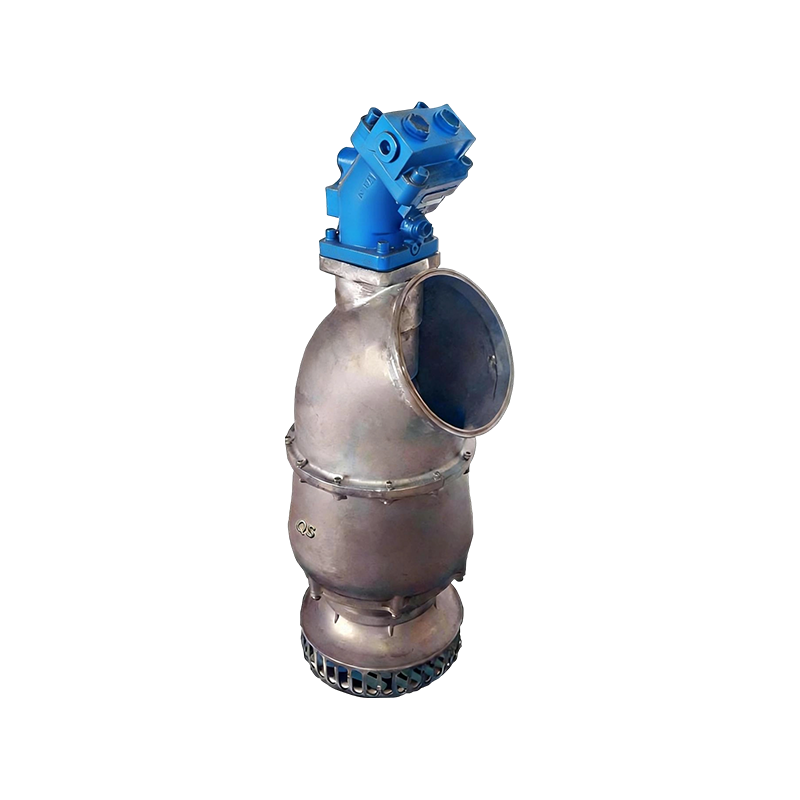
The pump assembly is the robot's working end, and it absorbs the most abuse. Intake strainers clog with rags, vegetation, and silt; impellers erode against suspended sand; and shaft seals fail after running dry or ingesting grit.
After each deployment, flush the pump with clean water for two to three minutes, then inspect the impeller and the wear plate. Grooves cut into the wear plate reduce efficiency by 10 to 20 percent, which lowers flow and overloads the hydraulic unit. Cracked or bent impeller blades must be replaced, never straightened.
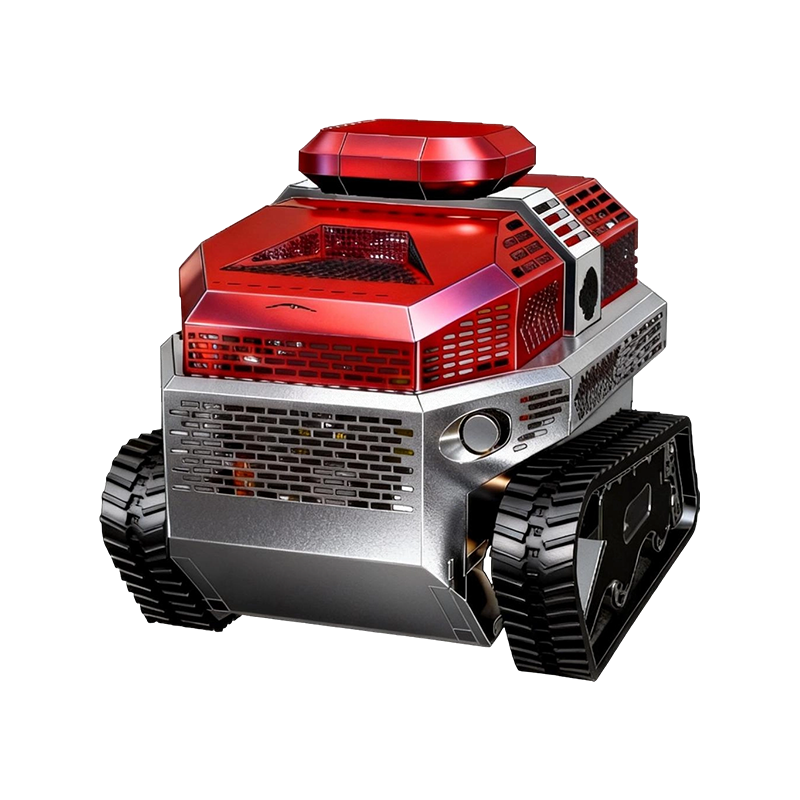
High-flow machines wear faster. The tracked high-flow pumping robot, for example, runs near the top of its operating envelope during flood response, so its impeller should be inspected after every deployment rather than on a weekly basis.
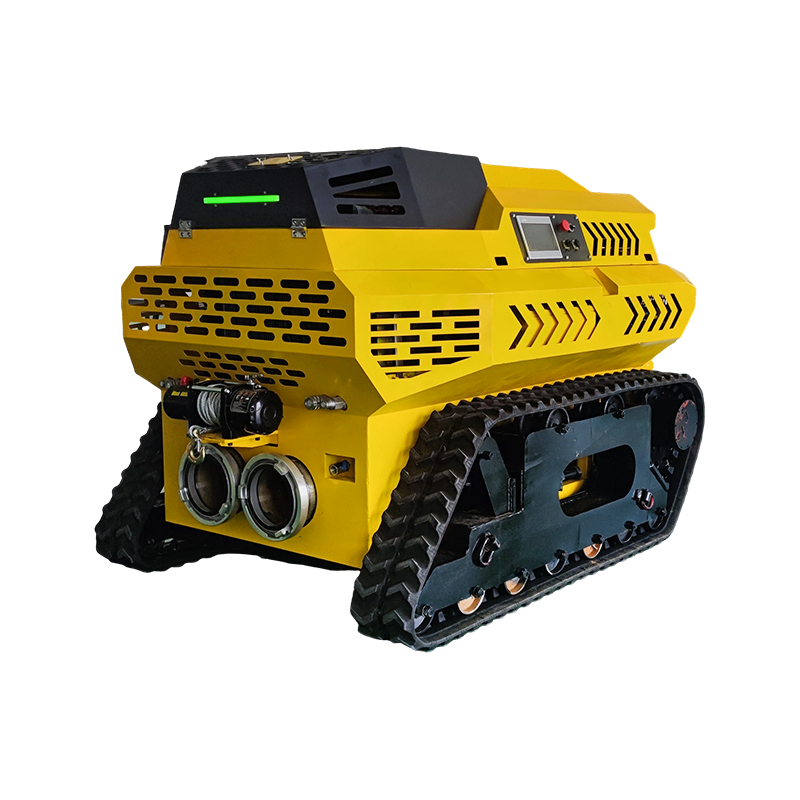 Wholesale Tracked HighFlow Pumping Robot (10001300 m³/h) Suppliers, Company, ExpWuhu Qisheng Intelligent Equipment Co., Ltd. Is China Wholesale Tracked HighFlow Pumping Robot (10001300 m³/h) Suppliers, Exporter, Compa...View Product →
Field data on debris-related failures and sewer operation is summarized in our article on drainage robot efficiency in urban sewer systems.
Track, Chassis, and Float Maintenance
Traction failures rarely stop the pump, but they strand the robot in a flooded shaft or sewer. Tracked robots depend on correct track tension, clean sprockets, and intact seals on the drive motors.
- Check track tension weekly; loose tracks skip sprocket teeth, and over-tensioned tracks overheat drive bearings.
- Clean mud and debris from the track frame after every mission; dried mud solidifies and locks idler wheels.
- Inspect rubber or steel track lugs for cracks and worn grip surfaces before deployments on wet concrete or sludge.
- On amphibious units, examine float seals and hull penetrations before every water entry.
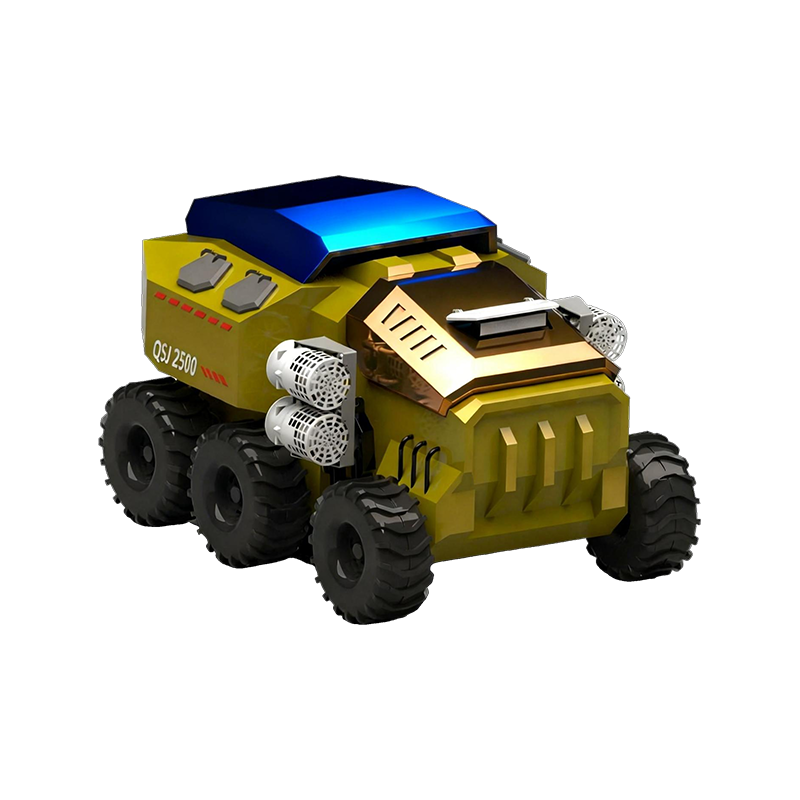
Compact machines such as the compact tracked intelligent drainage robot are especially sensitive to track tension because their shorter tracks amplify misalignment. On amphibious models such as the amphibious intelligent drainage robot, a minor seal leak becomes a flooded hull within minutes of water entry.
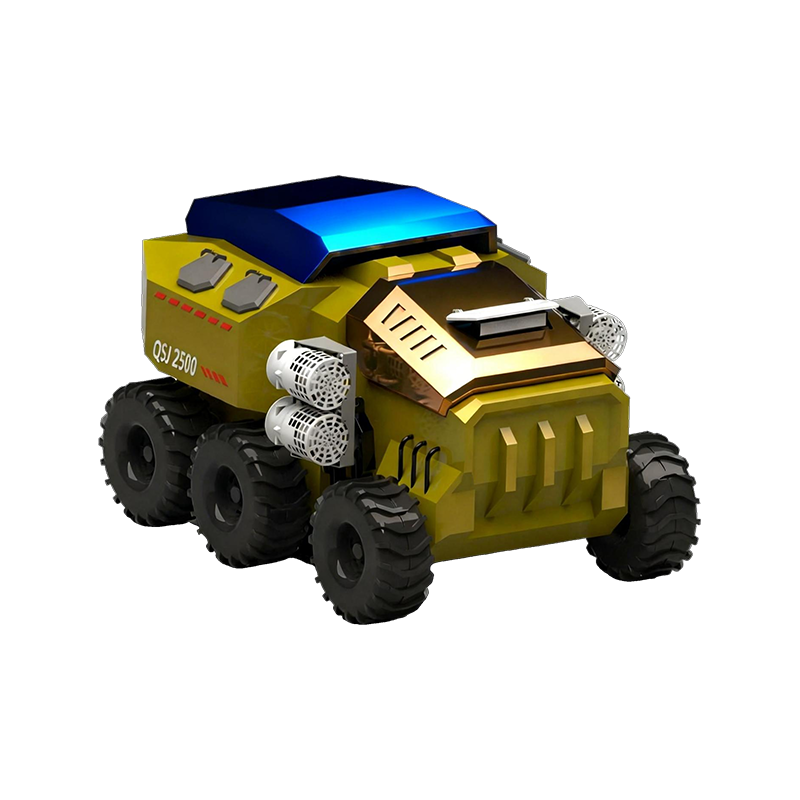 Wholesale Amphibious Intelligent Drainage Robot (20002500 m³/h) Suppliers, CompaWuhu Qisheng Intelligent Equipment Co., Ltd. Is China Wholesale Amphibious Intelligent Drainage Robot (20002500 m³/h) Suppliers, Exporter...View Product →
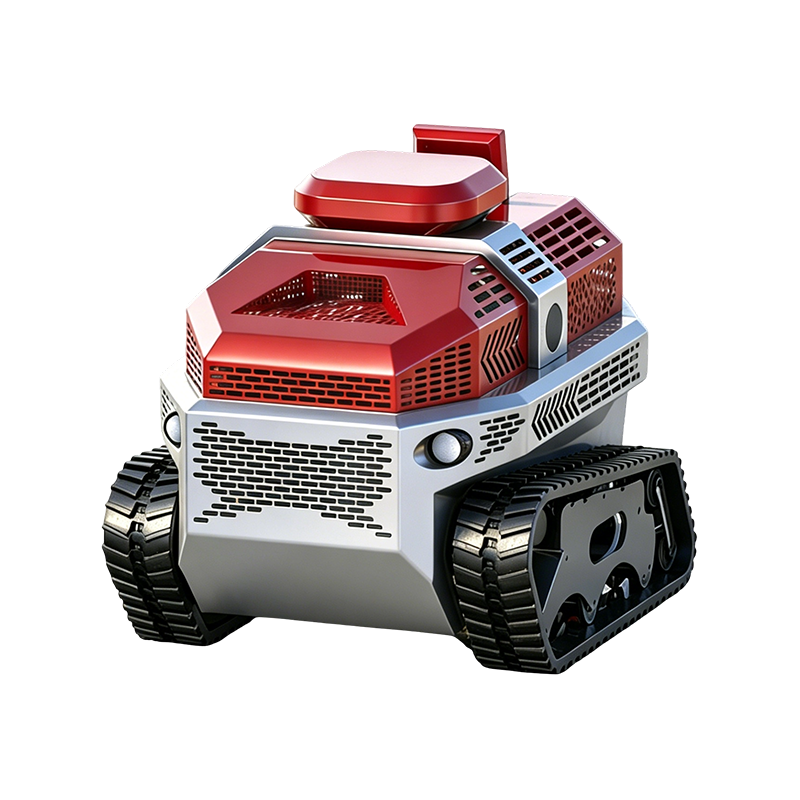 Wholesale Compact Tracked Intelligent Drainage Robot (600m³/h) Suppliers, CompanWuhu Qisheng Intelligent Equipment Co., Ltd. Is China Wholesale Compact Tracked Intelligent Drainage Robot (600m³/h) Suppliers, Exporter,...View Product →
Control, Telemetry, and Safety System Checks
The remote control package is the operator's only window into the robot's state, and its maintenance is mostly about power integrity and signal reliability.
- Keep transmitter and receiver batteries above 30 percent charge during storage; run a full charge-discharge cycle monthly.
- Test the emergency stop at the start of each shift; it must shut down the hydraulic power unit within one second.
- Verify the telemetry display against a reference gauge so flow and pressure readings remain trustworthy.
Storage, Seasonal Care, and Documentation
Robots that sit idle degrade faster than robots used weekly. Hydraulic oil absorbs moisture from the air, seals dry and crack, batteries self-discharge, and track rubber weathers under stored UV exposure.
- Store indoors or under cover, off the ground so tracks and tires are not under constant load.
- Run the hydraulic system for five minutes every 30 days to circulate oil and lubricate seals.
- Maintain a logbook with operating hours, oil changes, filter replacements, and repair actions. Without a log, you cannot know when the next service is due.
Frequently Asked Questions
How often should hydraulic oil be changed on an intelligent drainage robot?
Change the hydraulic oil every 500 operating hours or once a year, whichever comes first. In flood or sewer duty, inspect the oil every 100 hours for cloudiness or darkening, and change it sooner if contamination is visible.
Can drainage robots handle debris such as rags and silt?
Drainage robots with intake strainers and open-style impellers handle soft debris and suspended silt, but exposure accelerates wear. Rags can wrap around the impeller and cut flow. Clean the strainer after each deployment and inspect the impeller for wrapped material.
What causes remote control failure on drainage robots?
The most common causes are a low transmitter battery, damaged receiver antenna, radio interference near metal structures, and a failed relay on the control board. Check power and antenna first, then test the emergency stop and movement commands before the robot enters the water.
Should we choose a tracked or an amphibious drainage robot for sewer maintenance?
Tracked robots offer better stability in dry sewers and moderate flows, while amphibious or float-based robots are safer on flooded or unstable terrain. The correct choice depends on the typical environment at your site, not on the peak specification.