 English
 русский
Qisheng
Qisheng
Qisheng
Qisheng
Qisheng
Qisheng
Qisheng
Qisheng
Qisheng
Table of Contents
During a flood event, the speed at which pumping equipment goes from the truck to the water often decides how much property is lost. An intelligent drainage robot works by combining a remote-controlled tracked or amphibious carrier, a high-flow pump, a power source, and a sensing and control suite into one mobile unit, so a single operator can deploy a full pumping setup without entering the water. That capability is why municipal teams and industrial crews are shifting from manual pump placement to robot-assisted drainage.
Before purchase, it helps to understand how these machines actually operate. They differ sharply in flow capacity, control range, hose management, and terrain capability, and those differences determine whether a specific robot will outperform a conventional pump or simply add cost.
What an Intelligent Drainage Robot Actually Is
An intelligent drainage robot is a self-propelled, remotely operated pumping unit designed for flood water removal, sewer maintenance, and industrial sump drainage. It differs from a conventional submersible pump in three specific ways:
- It carries its own mobility system, so it travels to the water instead of being carried there.
- It provides live telemetry—water level, pump status, system pressure—to the operator in real time.
- It integrates auxiliary functions such as automatic hose reels and obstacle detection, reducing setup time and the number of people required on site.
None of these features replaces the pump itself. What the robot adds is a layer of deployment speed and operational safety, which is exactly where conventional fixed pumps lose time during an emergency.
Core System Architecture: How the Robot Is Engineered
The Carrier Platform: Tracked and Amphibious Designs
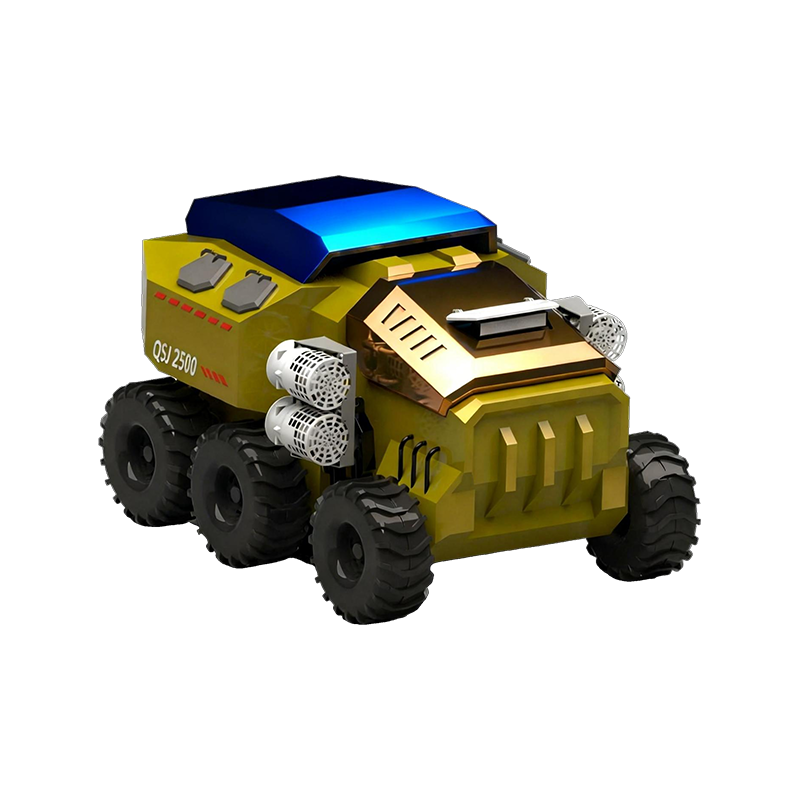
The carrier is the foundation of the whole machine. Tracked designs use steel or rubber tracks to climb curbs, gravel, mud, and debris that would stop a wheeled cart. Amphibious versions add sealed buoyancy and propulsion so the robot can enter floodwater and reach the lowest point of a site, where the pump intake can be fully submerged. This is the scenario where the amphibious intelligent drainage robot is designed to operate: it crosses dry land, enters the water, and positions its own intake without personnel stepping into the flood zone.
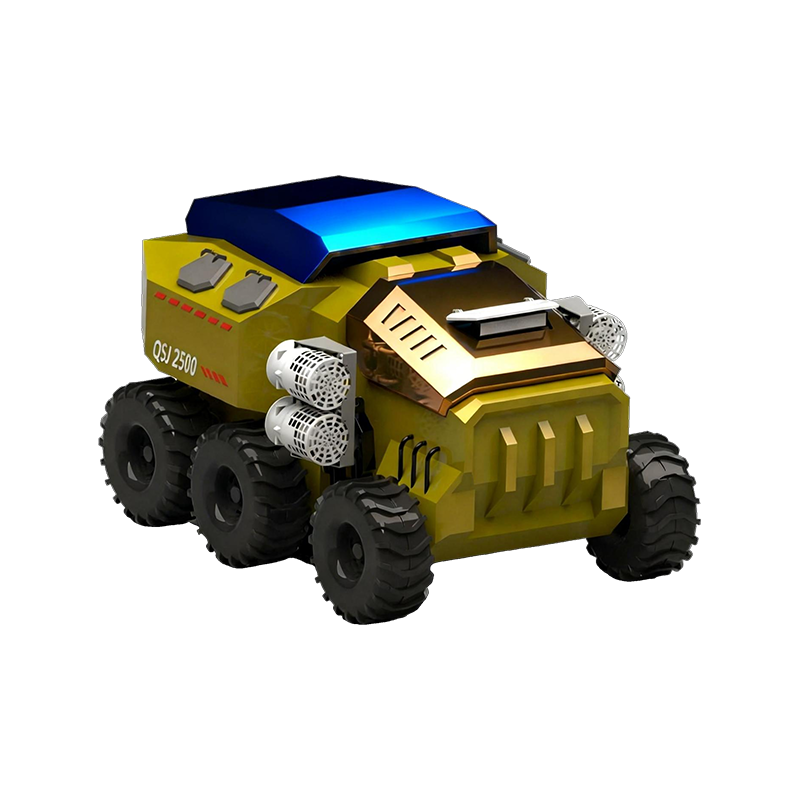 Wholesale Amphibious Intelligent Drainage Robot (20002500 m³/h) Suppliers, CompaWuhu Qisheng Intelligent Equipment Co., Ltd. Is China Wholesale Amphibious Intelligent Drainage Robot (20002500 m³/h) Suppliers, Exporter...View Product →
The Pump Assembly: Matching Flow Rate and Solids Handling
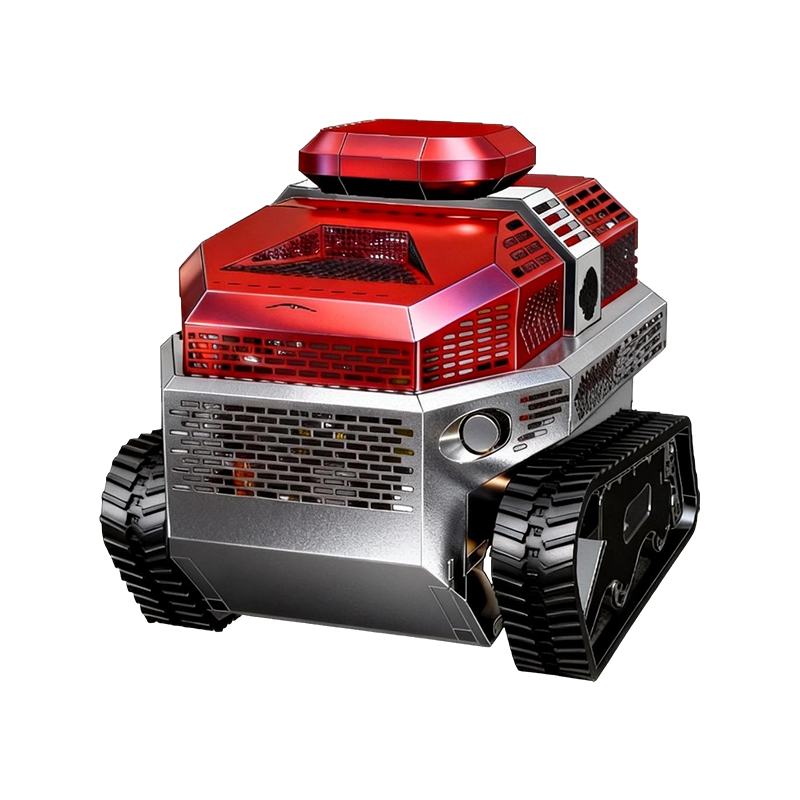
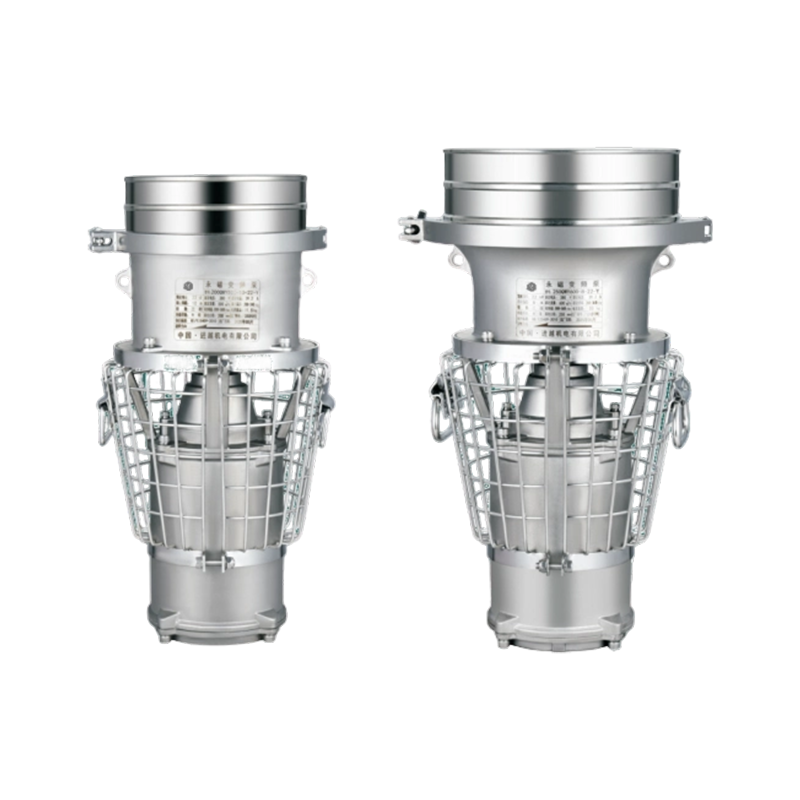
The pump is the component that actually removes the water. Most drainage robots use axial-flow or mixed-flow hydraulic submersible pumps because these tolerate sand, silt, and small solids better than standard centrifugal pumps. The two numbers that matter are flow rate, which tells you how much water the robot can move per hour, and head, which tells you how high or far the discharge can be pushed. A heavy-duty model such as the tracked high-flow pumping robot is built around this principle: pump capacity is fixed first, and the chassis is then sized to carry it. When comparing systems, the same logic applies as with any standalone pump, which is why a review of flow rate and durability in hydraulic drainage pumps is a useful first step before evaluating the robot as a whole.
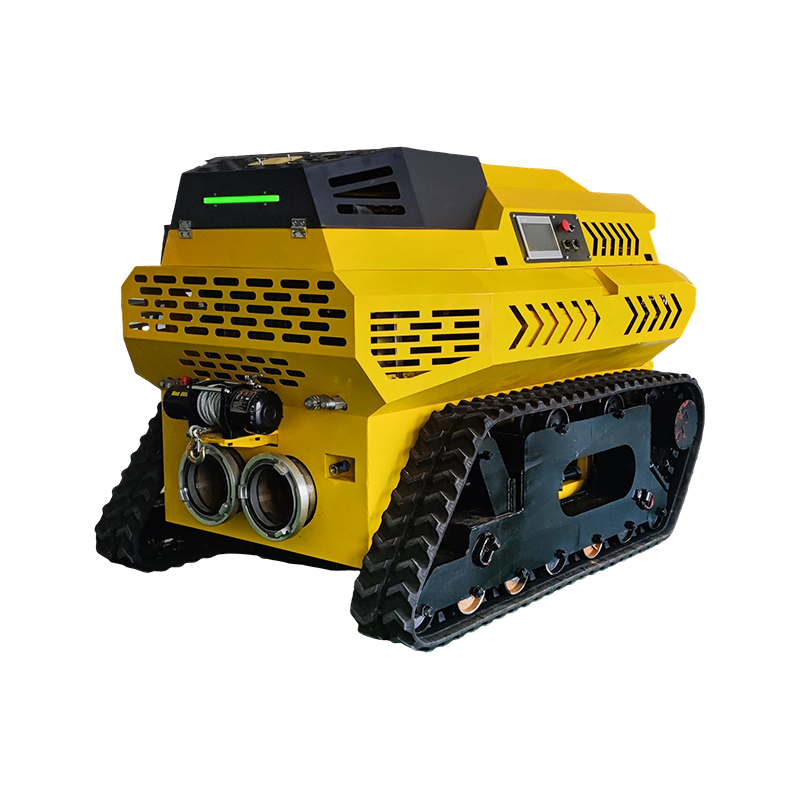 Wholesale Tracked HighFlow Pumping Robot (10001300 m³/h) Suppliers, Company, ExpWuhu Qisheng Intelligent Equipment Co., Ltd. Is China Wholesale Tracked HighFlow Pumping Robot (10001300 m³/h) Suppliers, Exporter, Compa...View Product →
Hydraulic Versus Electric Drive: Why It Matters Near Water
Power delivery is a key design decision. Hydraulic drive uses pressurized oil from a power unit to turn the pump motor; because no electrical current is present at the pump itself, hydraulic systems eliminate electrocution risk in floodwater and sewer work. Electric systems are simpler when a generator is already on site, but the motor's IP rating, cable routing, and residual current protection must be carefully managed. For municipal and emergency buyers, hydraulic drive has become the default for large drainage robots precisely because of this safety margin.
The Control and Sensing Suite
The control system is what makes the robot intelligent rather than merely remote-controlled. A typical suite includes a handheld controller or mobile command panel, a radio or cable link, and sensors that report water depth, discharge pressure, motor temperature, and robot position. Some models also add ultrasonic obstacle detection for confined sewer pipes and tunnels. The practical impact is that the operator can react to changing conditions: move the robot to a deeper spot, throttle the pump, or retrieve the machine before the water recedes too far. Understanding how control range and obstacle avoidance work with live data is important because these capabilities define how much of the site the robot can actually cover.
How a Drainage Robot Executes a Task Step by Step
Deployment and Positioning
The operation starts before the robot touches water. Crews place the hydraulic power unit on dry ground, connect the pressure and return hoses, and set up the control panel. The operator then drives the robot from the staging area to the water's edge and, if the model is amphibious, into the water itself. The major time saving is here: everything is handled remotely, so nobody needs to wade in with slings or guide the machine by hand.
Pump Activation and Flow Monitoring
Once the intake is submerged, the operator starts the pump from the control panel. High-flow robots normally run up to rated speed and then monitor discharge pressure and flow to detect clogs or air locking. If the intake screen starts to plug with debris, the control system alerts the operator, who can shift position or stop the pump to clear the screen. That live feedback is the difference between a pump that runs dry unnoticed and a unit that protects both itself and the mission.
Automatic Hose Management
Discharge hose is the most labor-intensive part of any drainage operation. A 200 mm hose full of water is heavy and easy to kink. Robots with automatic hose reels carry the hose on the machine, pay it out as the robot moves, and reel it back during recovery. The operator controls payout speed and tension from the remote, which allows two people to set up and break down a long discharge line in minutes rather than hours.
Shutdown and Recovery
When the water level drops below the intake, the operator stops the pump, retracts the hose into the reel, and drives the robot back to the staging point. Because the discharge line is already wound and the machine is self-propelled, recovery takes a fraction of the time required by a traditional setup. For crews that move between multiple sites in one shift, this turnaround speed is often the deciding factor in choosing a robot over conventional pumps.
Key Parameters to Compare Before Buying
The specification sheet of an intelligent drainage robot only becomes meaningful when mapped against the site where it will be used. The table below summarizes the parameters that determine whether a robot will succeed or struggle in a given scenario.
| Parameter | What It Determines | What to Check Before Buying |
|---|---|---|
| Driving system | Terrain and water access | Tracked for mud and debris; amphibious for flooded zones |
| Pump flow rate | How fast the site dries | Match to the flooded area and expected inflow |
| Pump head | Discharge line length and lift | Calculate elevation difference plus friction loss |
| Power source | Setup safety and logistics | Hydraulic for floodwater; electric only with proper protection |
| Control range | Where the operator stands | Confirm the remote link covers the entire site |
| Hose reel | Setup and recovery time | Look for automatic payout and tension control |
Flow rate and head are the first two numbers to fix, because they are tied directly to the hydraulic power unit. Everything else—track width, amphibious capability, control distance—follows from the application context.
Where the Robot Delivers the Highest Return
An intelligent drainage robot does not replace every conventional pump on a truck. It earns its cost where access is difficult, where water is hazardous, or where deployment speed directly limits damage. Municipal teams use robots for underpass floods and blocked culverts; industrial crews deploy them in sumps and slurry pits; rescue units use amphibious versions for ponds and low-lying farmland. The pattern is consistent with broader adoption trends seen in drainage robots enhancing efficiency in urban sewer systems.
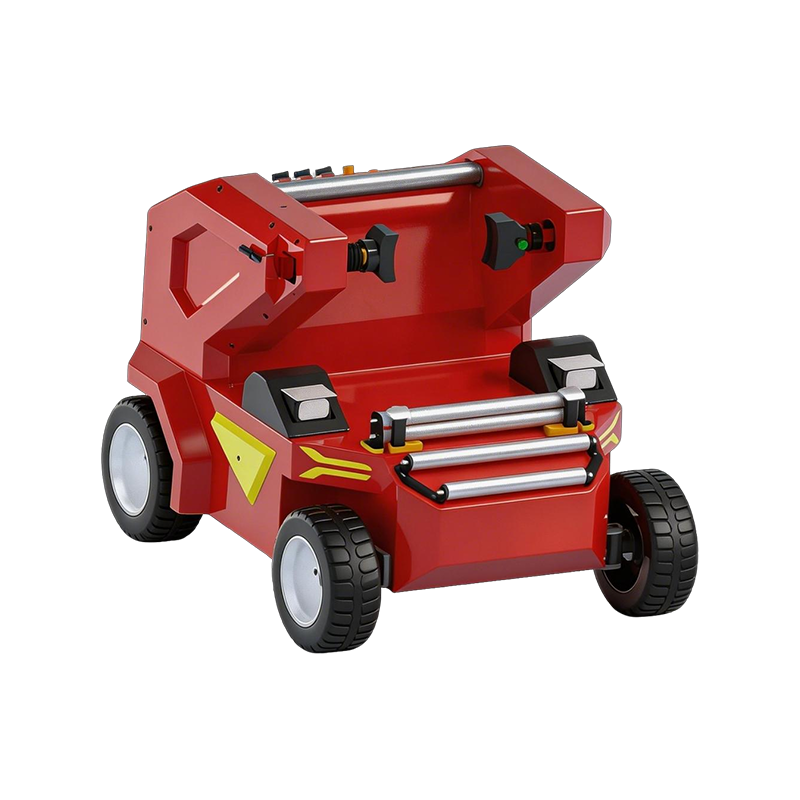
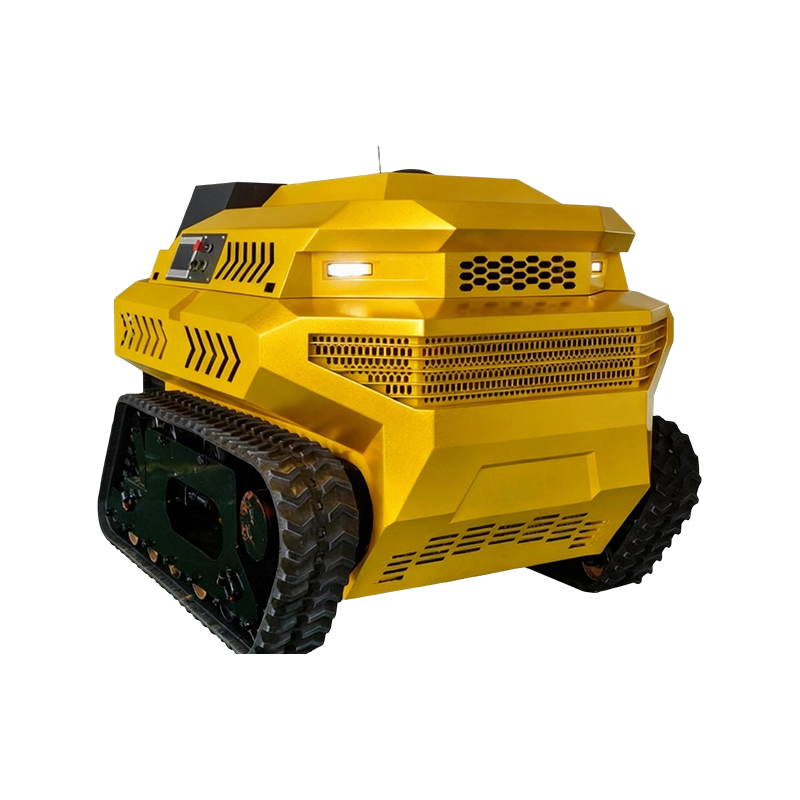
For confined access points such as narrow manholes and shallow basins, the compact tracked intelligent drainage robot is the version that fits where full-size machines cannot maneuver. The rule is to match the robot class to the access route first, then to the required flow, because a machine that cannot reach the water is useless regardless of pump capacity.
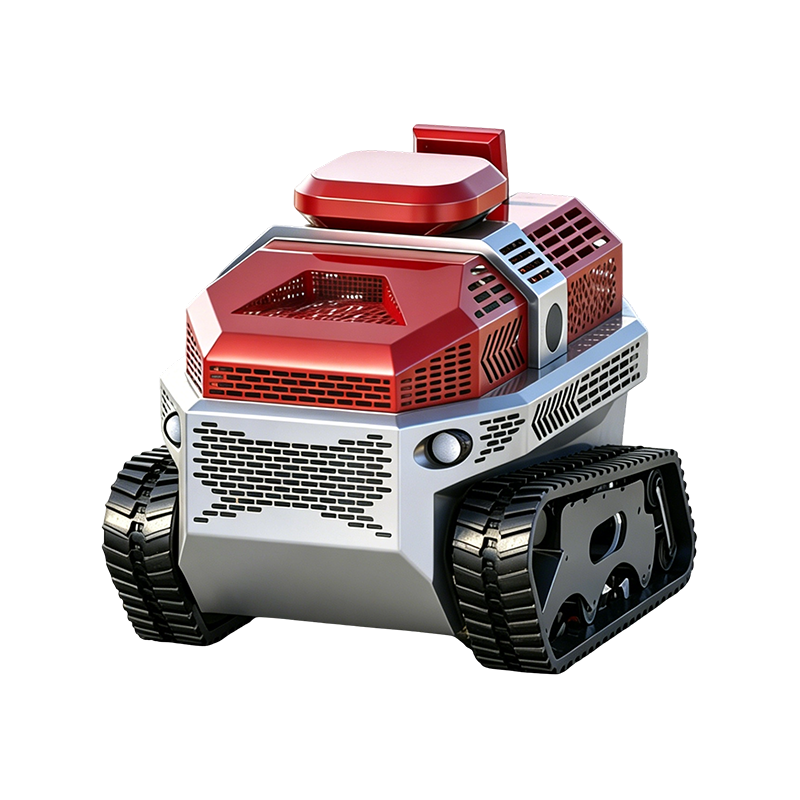 Wholesale Compact Tracked Intelligent Drainage Robot (600m³/h) Suppliers, CompanWuhu Qisheng Intelligent Equipment Co., Ltd. Is China Wholesale Compact Tracked Intelligent Drainage Robot (600m³/h) Suppliers, Exporter,...View Product →
Final Thoughts
The takeaway is practical. An intelligent drainage robot works because it combines proven pump technology with mobility, remote control, and sensor feedback, and the value shows up in setup time, crew safety, and hours saved during an active flood event. When comparing machines, evaluate the pump curve first, then the chassis, then the control link. If all three match the conditions at the sites you respond to, the robot becomes one of the most effective tools in the drainage fleet.