 English
 русский
Qisheng
Qisheng
Qisheng
Qisheng
Qisheng
Qisheng
Qisheng
Qisheng
Qisheng
Table of Contents
Why Sensors Are the Core of Intelligent Drainage Robot Performance
After a heavy storm, a drainage crew arrives at an underpass with more than a meter of standing water. The operator cannot see the bottom, debris hides beneath the surface, and the hose can snag at any moment. This is where an intelligent drainage robot earns its name: a networked set of sensors gives the machine, and the operator behind it, the information needed to clear water quickly without putting people at risk.
In practical terms, sensors are the difference between a remote-controlled pump and a genuinely intelligent drainage robot. They let the robot detect its own position in the water, measure the volume it is moving, recognize when an obstacle is too close, and report all of this back in real time. With that data, a single operator can manage the robot from a safe location and make adjustments that keep the pump in its most efficient operating range.
The trend in modern drainage equipment is not simply to attach a few gauges to a pump, but to fuse sensor data into the control logic of the whole machine. That is what turns a skid-mounted pump into a self-aware working unit.
Key Sensors and Their Impact on Drainage Tasks
The sensor package on a drainage robot is not a single component; it is an integrated set of devices that feed data into a control system. Each sensor addresses a different failure point in the drainage process.
| Sensor Type | What It Measures | Performance Benefit |
|---|---|---|
| Liquid level sensor | Water depth at the intake | Keeps the intake at the most efficient submersion depth and prevents air suction. |
| Flow meter | Actual pump discharge volume | Confirms that the pump is producing the expected flow rate and signals blockages early. |
| Pressure sensor | Suction and discharge pressure | Protects the pump from cavitation, overloading, and hose bursts. |
| Attitude and inertial sensor (IMU) | Robot tilt and orientation | Prevents the robot from rolling over on sloped ground or in fast-moving water. |
| Obstacle detection sensor | Distance to walls, debris, and other objects | Supports collision avoidance and keeps the hose or cable clear of sharp edges. |
| GPS or RTK position sensor | Absolute position in the worksite | Enables waypoint navigation, accurate reporting, and faster deployment in large areas. |
These sensors are not there merely to display numbers on a screen. Their real value appears when the control system uses them to adjust the robot’s behavior automatically. For example, a sensor that detects an unexpected rise in discharge pressure can trigger a temporary slowdown before the pump is damaged. Similarly, a depth reading can tell the robot to reposition itself so that the intake remains submerged.
The quality of these measurements also matters. A drainage robot operating in a sewer or floodwater environment needs sensors with appropriate ingress protection, reliable wiring, and the ability to maintain accuracy in murky conditions. When comparing machines, it is worth asking not just which sensors are installed, but how they are calibrated, how they are protected, and whether the control system acts on their data.
In more advanced robots, the control unit combines data from several sensors to distinguish between similar-looking conditions. High pump speed with low flow and high pressure points to a blocked discharge line, while high flow with low pressure may indicate that the intake has surfaced. This kind of sensor fusion reduces false alarms and helps the operator decide quickly.
How Sensor Data Improves Real-World Drainage Operations
Sensor data improves drainage work in three connected areas: navigation, pump control, and supervision.
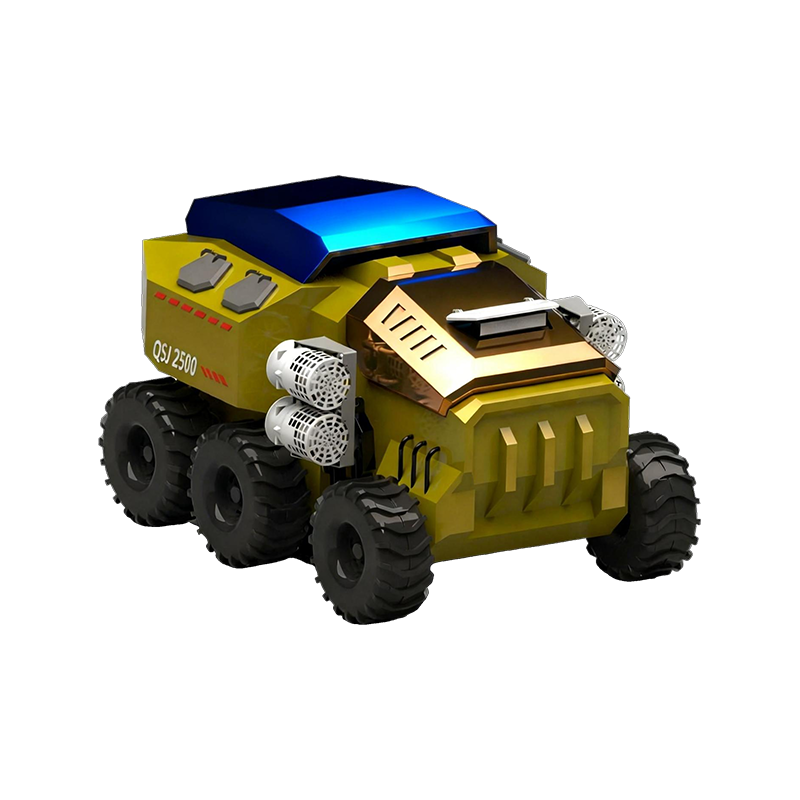
In an urban sewer or a flooded basement, the robot rarely has a clear, straight path. Obstacle detection sensors combined with the robot’s tracked or amphibious drive system allow it to move around debris while keeping the pump running. On a machine like the amphibious intelligent drainage robot, the transition from dry ground to shallow water is monitored by the same sensors that guide the pump intake. The result is a robot that operates as a partner to the crew rather than an additional thing to watch.
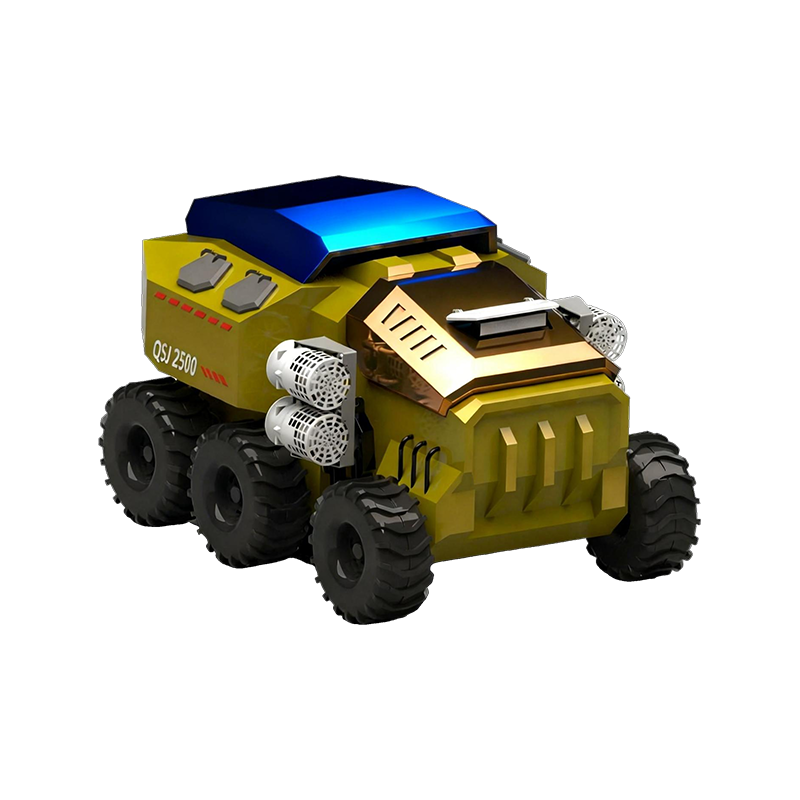 Wholesale Amphibious Intelligent Drainage Robot (20002500 m³/h) Suppliers, CompaWuhu Qisheng Intelligent Equipment Co., Ltd. Is China Wholesale Amphibious Intelligent Drainage Robot (20002500 m³/h) Suppliers, Exporter...View Product →
Operators also benefit from live positional data. With GPS or RTK input, the robot can be guided along a planned route, and the crew can confirm that the whole area has been swept. You can read more about how control range, obstacle avoidance, and live data affect handling in this guide to drainage robot control range and avoidance.
Automatic Pump and Hose Control
One of the biggest risks during pumping is running the pump dry or damaging the impeller with oversized debris. Flow meters and pressure sensors provide the feedback loop that prevents this. When the flow rate drops below a threshold, the robot can reduce speed, raise the intake, or alert the operator to check for blockage. When the pressure is too high, it can stop before the hose bursts.
This same principle applies to hose management. On machines with an automatic hose rolling mechanism, sensors monitor the tension and length of the hose, so it extends and retracts at the same speed as the robot moves. That prevents snagging and reduces the workload for the crew. For machines without this feature, sensor-based feedback on robot position still helps the operator judge when to stop and reposition.
Because these robots are commonly powered by a hydraulic system, sensor data also helps protect the power unit. When the pump is drawing heavy material or approaching runaway conditions, the control system can reduce flow from the hydraulic power unit before mechanical damage occurs. This coordination is an area where an experienced hydraulic equipment manufacturer adds real value.
Safety and Remote Supervision
Keeping personnel away from deep water, contaminated sewage, and unstable ground is the primary safety argument for using a drainage robot. Sensor data makes remote supervision practical. The operator can see the water level, the pump flow, and the robot’s orientation on a controller screen, without walking into the hazard zone.
In more advanced setups, the robot can compare its own position and sensor readings against a pre-set safe zone. If it detects that it is drifting toward an unsafe area or starting to slide, it can stop or warn the operator. This is particularly useful in flood conditions where the water level changes faster than a human can judge. More broadly, the ability to observe the situation remotely is one reason why urban sewer operators are adopting drainage robots for routine efficiency improvements in sewer systems.
Presentation matters as much as collection. If the operator must interpret a spreadsheet of raw readings, the sensor package becomes a burden rather than an aid. The best systems present data as a small set of clear indicators: current depth, flow rate, robot tilt, and a simple obstacle map. This makes remote decisions faster and reduces the risk of operator error.
What to Look for in a Sensor-Enabled Drainage Robot
Not all drainage robots are equally intelligent. The sensors and the control logic behind them vary significantly between models. When evaluating equipment for your own team, consider how the sensor package supports your specific working conditions.
First, check the ingress protection rating of the sensors and the main enclosure. Floodwater contains sediment, chemicals, and debris, so components must withstand submersion and particle ingress. A robot with weak sensor protection may lose its navigation or level-sensing ability in exactly the conditions where it is needed.
Second, look at how the sensors are integrated into the pump and drive system. A robot that merely records data but does not act on it is not truly intelligent. Ask whether the manufacturer has closed the loop between sensor readings and automatic control of the pump, the throttle, or the hose reel.
Third, match the robot’s flow capacity to the job. If your team works primarily in narrow sewer channels or building entrances, a shorter tracked platform is easier to position. The compact tracked intelligent drainage robot can reach confined spaces while still providing a useful 600 m³/h flow rate. For large-scale flood relief, on the other hand, a tracked high-flow pumping robot in the 1000–1300 m³/h range is designed to keep moving heavy volumes of water without sacrificing stability.
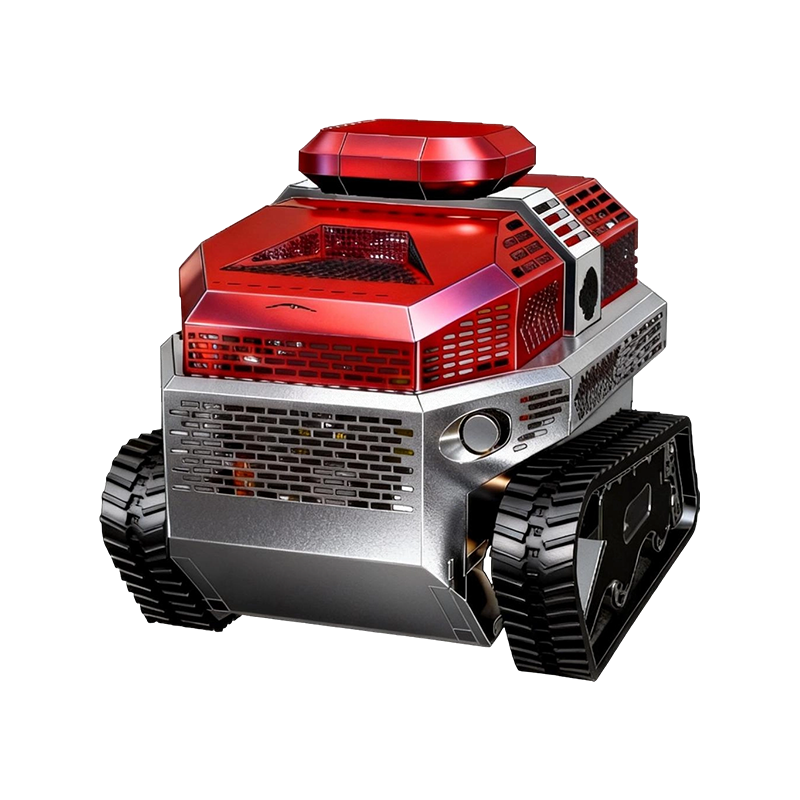
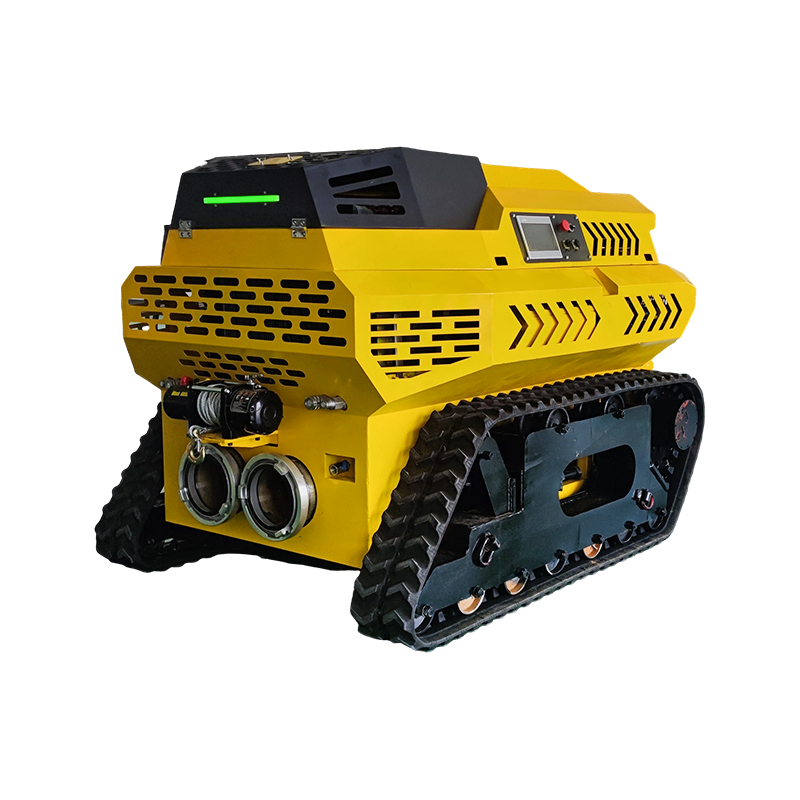 Wholesale Tracked HighFlow Pumping Robot (10001300 m³/h) Suppliers, Company, ExpWuhu Qisheng Intelligent Equipment Co., Ltd. Is China Wholesale Tracked HighFlow Pumping Robot (10001300 m³/h) Suppliers, Exporter, Compa...View Product →
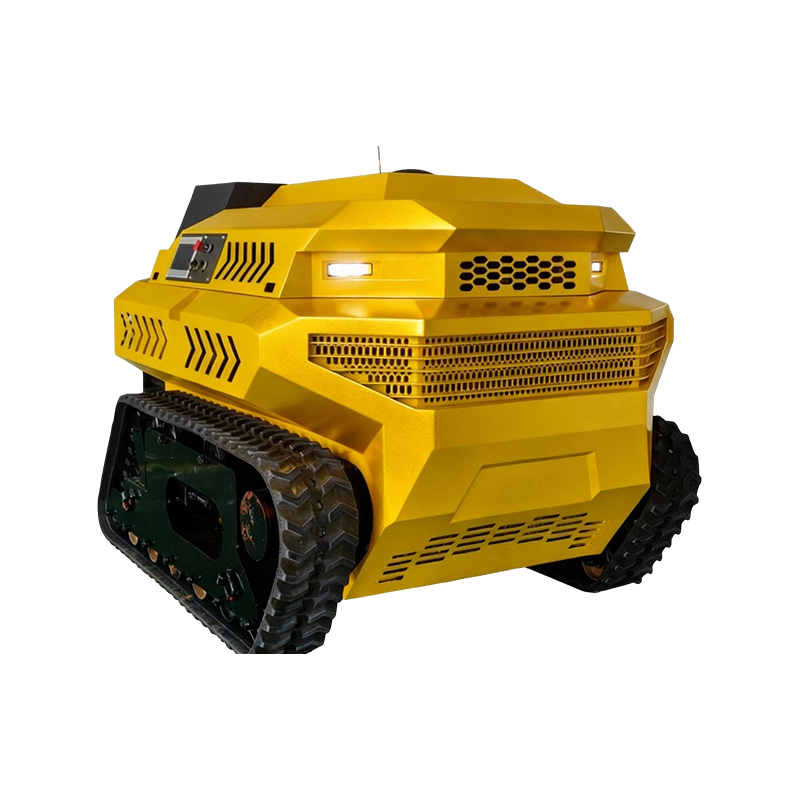
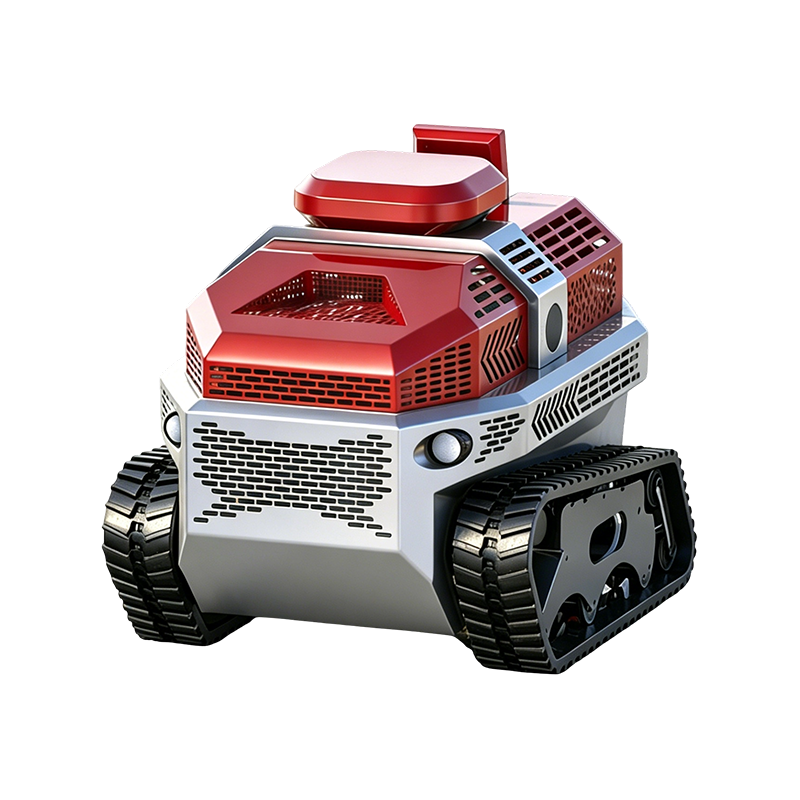 Wholesale Compact Tracked Intelligent Drainage Robot (600m³/h) Suppliers, CompanWuhu Qisheng Intelligent Equipment Co., Ltd. Is China Wholesale Compact Tracked Intelligent Drainage Robot (600m³/h) Suppliers, Exporter,...View Product →
Beyond the basic sensor set, check whether the robot has self-diagnostic capability. A good machine can display a warning when a sensor is reading abnormally, so the operator can arrange maintenance before a critical failure occurs.
Finally, ask about maintenance. Sensors exposed to sewage and sediment will need regular cleaning and calibration. A good manufacturer will provide clear instructions, accessible sensor locations, and spare parts that are easy to source. This keeps the robot reliable after years of use.
The Bottom Line
Sensors are what allow an intelligent drainage robot to see, react, and report. They reduce downtime, protect the pump, and keep operators at a safe distance. Whether you work in flood response, sewer maintenance, or agricultural drainage, the sensor package should be a deciding factor when choosing a robot. Match the flow capacity, verify the sensor protection, and confirm that automation is built into the control system. With those points checked, the robot becomes a dependable member of the response team.