 English
 русский
Qisheng
Qisheng
Qisheng
Qisheng
Qisheng
Qisheng
Qisheng
Qisheng
Qisheng
Table of Contents
- 1 Why Performance Testing Matters
- 2 What You Are Actually Testing
- 3 Set the Reference Conditions Before You Test
- 4 Core Performance Tests, Step by Step
- 5 Acceptance Criteria and Warning Thresholds
- 6 Lab Tests vs Field Tests: What Each One Proves
- 7 Common Mistakes That Invalidate a Drainage Robot Test
- 8 Frequently Asked Questions
Two drainage robots with identical spec sheets can deliver discharge figures 30 percent apart on the same site. Our application team has seen this in field comparisons more than once. The machines were not faulty. The acceptance procedure was incomplete. Performance testing is the only way to prove that a quoted flow rate, control range, or endurance figure will hold when a flooded underpass or collapsed culvert is waiting.
Why Performance Testing Matters
Intelligent drainage robot performance testing is the process of verifying a robot's hydraulic output, mobility, remote control, and hose-handling systems against its rated values under repeatable conditions. It is the evidence that separates a machine you can deploy from a machine you can only quote.
Flood response teams and municipal drainage departments usually compare spec sheets before purchase. Spec sheets describe what a robot can do at one reference point. They do not describe what it will do with a 60 m discharge hose, a partially loaded power unit, or wet clay under the tracks. Testing closes that gap. Engineers at Wuhu Qisheng Intelligent Equipment Co., Ltd., a professional high-end hydraulic equipment manufacturer based in Wuhu, China, run every drainage robot through this sequence before it is cleared for delivery.
What You Are Actually Testing
The pass decision rests on five performance domains, not on a single flow figure.
- Hydraulic output - delivered flow rate and total head, measured at a fixed reference condition.
- Mobility - track drive, ground clearance, and obstacle crossing on the terrain class the robot is rated for.
- Remote control and telemetry - operating range, command latency, and live feedback from the control console.
- Hose handling - automatic deploy, retract, and reel tension across the full hose length.
- Endurance - continuous runtime at rated load without hydraulic temperature or control-system failure.
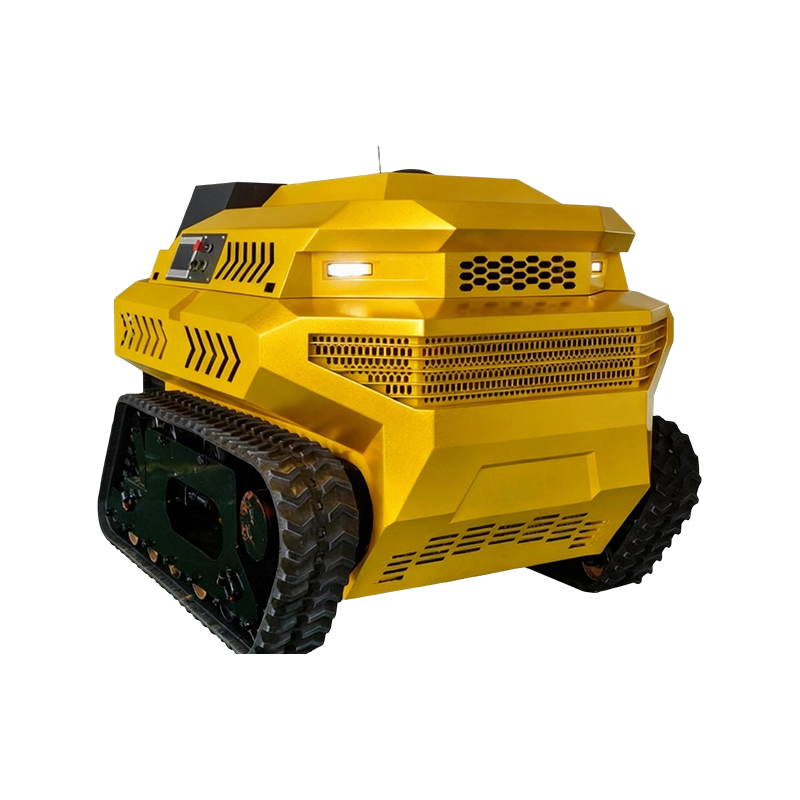
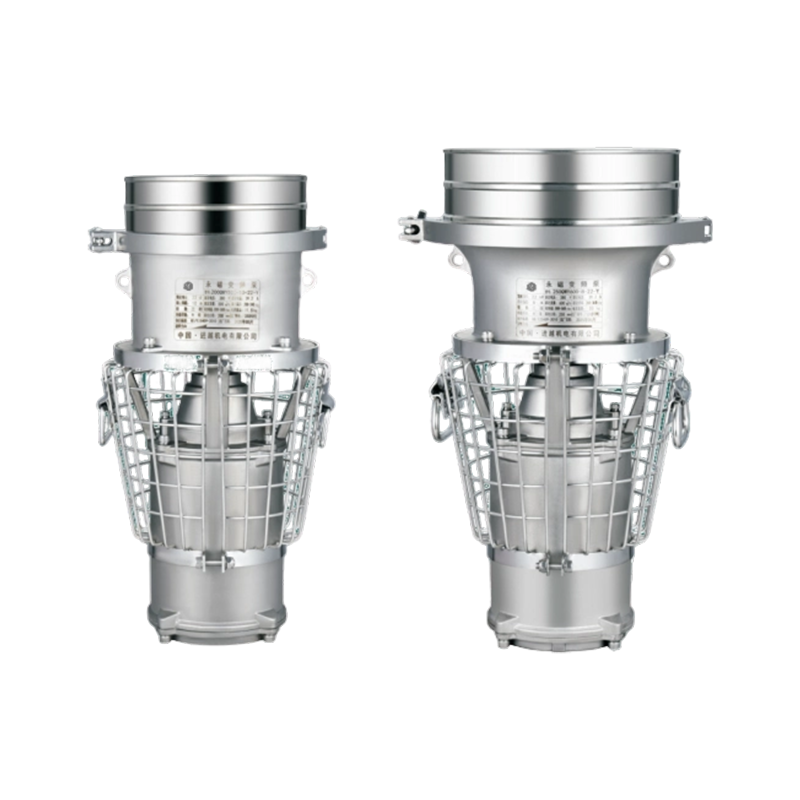
Each domain maps to a specific failure in real duty. A robot that loses control at 150 m is useless for a 300 m sewer run. A hose reel that jams at 50 percent extension turns a 10-minute evacuation into a 40-minute one. Flow acceptance on a tracked high-flow pumping robot in the 1,000-1,300 m3/h class depends on the hydraulic power unit holding pressure for the entire endurance window, so the power source is part of the test.
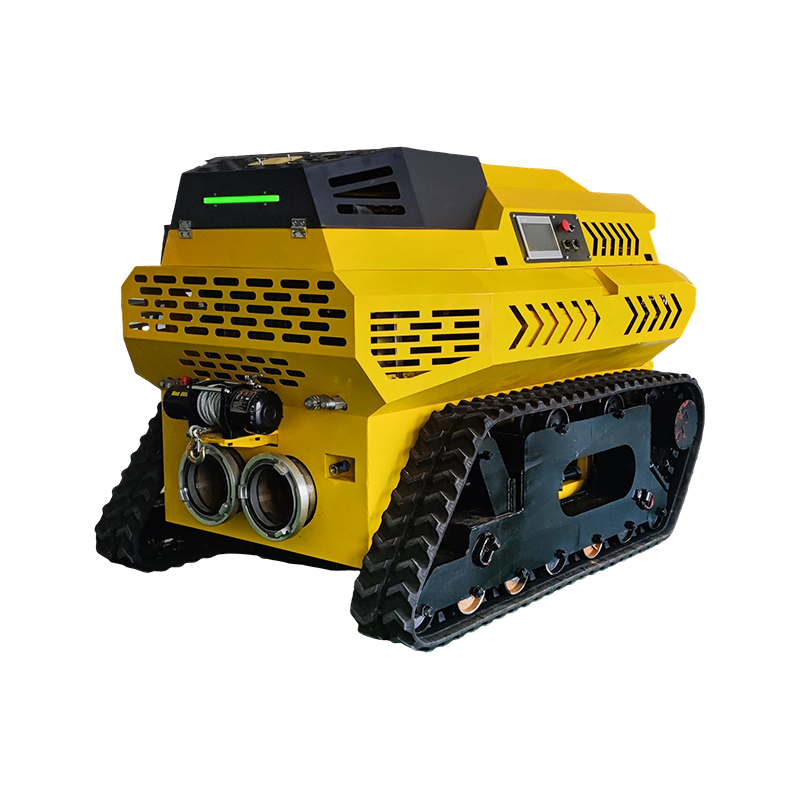 Wholesale Tracked HighFlow Pumping Robot (10001300 m³/h) Suppliers, Company, ExpWuhu Qisheng Intelligent Equipment Co., Ltd. Is China Wholesale Tracked HighFlow Pumping Robot (10001300 m³/h) Suppliers, Exporter, Compa...View Product →
Rated flow vs delivered flow: rated flow is the volume the pump moves per hour at a specified head with clean water and a defined pipe layout; delivered flow is what actually leaves the discharge outlet under the test layout. The gap between the two is the machine's real performance margin.
2,000-2,500 m3/h
Amphibious robot flow class tested at rated head
1,000-1,300 m3/h
Tracked high-flow pump robot class
600 m3/h
Compact tracked robot for pipe and facility duty
100%
Obstacle course pass required in acceptance
Set the Reference Conditions Before You Test
A test result without a reference condition is marketing material, not data.
Define and record these parameters before any measurement:
- Intake water depth and distance from the suction point
- Discharge pipe diameter and total equivalent length
- Delivery head - the vertical distance from pump centerline to outlet
- Power source state - for hydraulic-driven robots, record power unit flow and pressure
- Hose position - fully deployed, partially coiled, or on the reel
- Ground condition - concrete, soil, or water
Reference condition: a fixed, documented combination of head, pipe length, power input, and terrain that lets every flow, endurance, and remote-range result be compared against the rated value and against runs on other days.
Hydraulic-driven machines are especially sensitive to power input. If the high-flow portable hydraulic power unit feeding the robot delivers below its rated pressure, flow results drop immediately. Record power unit gauge readings on every test run.
Core Performance Tests, Step by Step
Run the six tests below in sequence; each takes between 20 minutes and two hours depending on robot class.
- Static inspection. Verify mass, dimensions, lifting points, and control functions before any powered test.
- Flow and head test. Install a magnetic flow meter on the discharge line, hold a fixed head, and record flow for 10 minutes. Compare with the rated curve.
- Remote range test. Drive the robot to its maximum controllable distance in an open field with the antenna vertical. Record the limit and command latency.
- Obstacle course test. Complete three runs on a 30 m course with eight obstacles. Any collision fails that run.
- Hose deployment test. Extend and retract the full hose length twice. Record cycle time and observe reel tension at full extension.
- Endurance run. Operate at rated load for two hours. Log hydraulic oil temperature, motor temperature, and control response every 15 minutes.
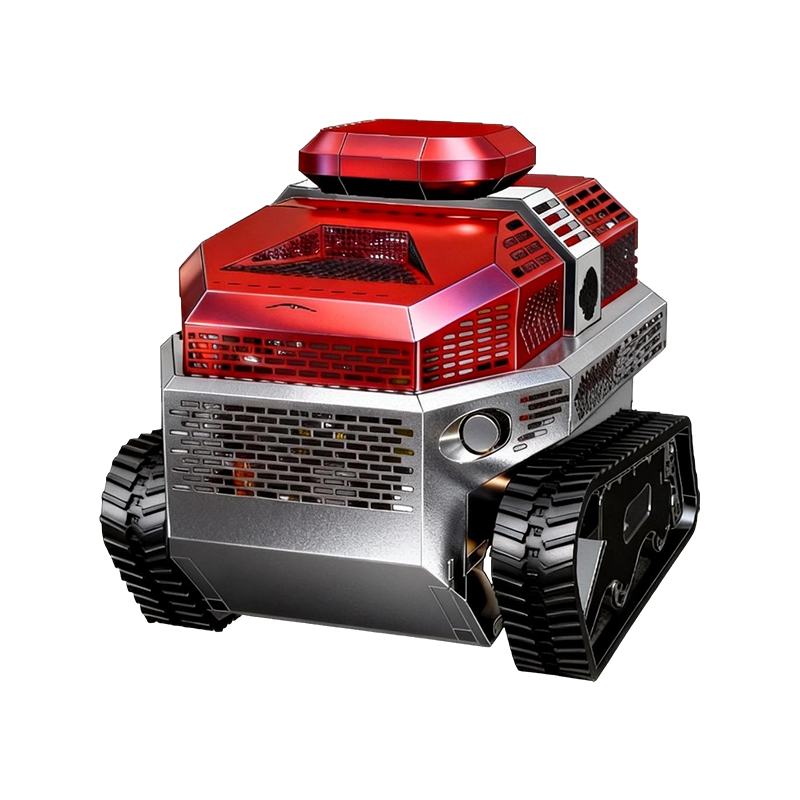
For a compact machine deployed inside pipe networks, the obstacle and hose tests matter most. A compact tracked intelligent drainage robot rated at 600 m3/h is typically evaluated with tighter turning radii and a shorter discharge run than a high-flow unit.
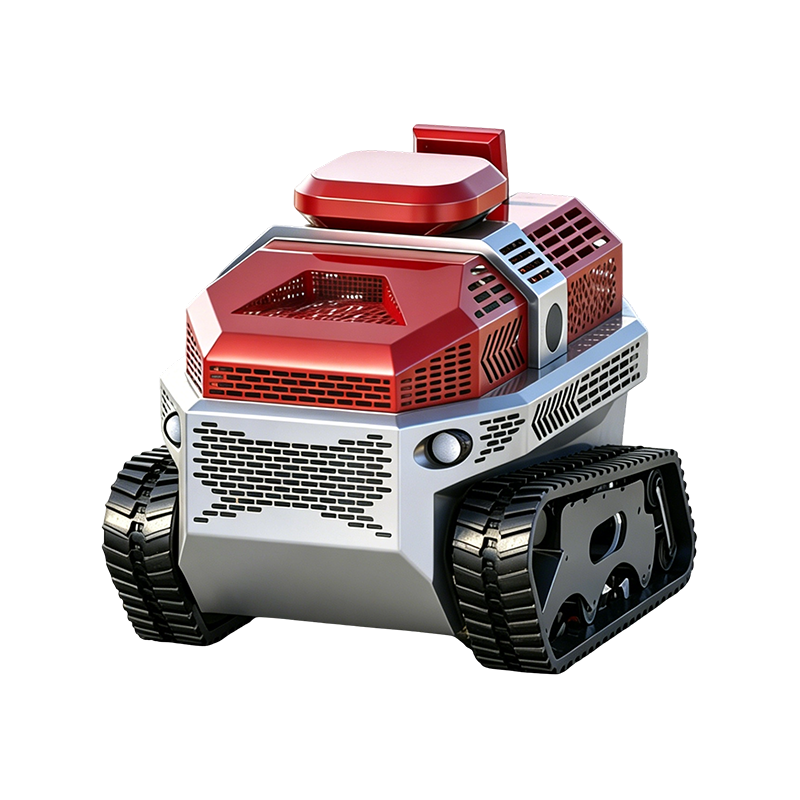 Wholesale Compact Tracked Intelligent Drainage Robot (600m³/h) Suppliers, CompanWuhu Qisheng Intelligent Equipment Co., Ltd. Is China Wholesale Compact Tracked Intelligent Drainage Robot (600m³/h) Suppliers, Exporter,...View Product →
Example results from a controlled field evaluation of a 600 m3/h-class compact tracked robot; values shown as a percentage of rated specification.
The remote range result should be cross-checked against the live data the robot returns. Our guide on intelligent drainage robot control range, obstacle avoidance, and live data explains how to read telemetry during these runs.
Acceptance Criteria and Warning Thresholds
A robot passes acceptance when every critical item reaches at least 90 percent of its rated value under a single documented reference condition.
| Test item | Method | Accept threshold | Critical issue |
| Flow rate | Magnetic flow meter on a 10 m discharge line at fixed head | 90% or more of rated | Below 80% |
| Max head | Pressure gauge at pump outlet | 95% or more of rated | Below 85% |
| Remote range | Open-field drive with antenna vertical | 90% or more of rated range | Below 70% |
| Obstacle course | 3 runs, 8 obstacles per run | Pass in all 3 runs | Any collision |
| Hose redeploy | Full extension and retract, 2 cycles | Cycle time within 15% of rated | Reel jam |
| Endurance | 2 hours at rated load | No thermal or control fault | Overheat shutdown |
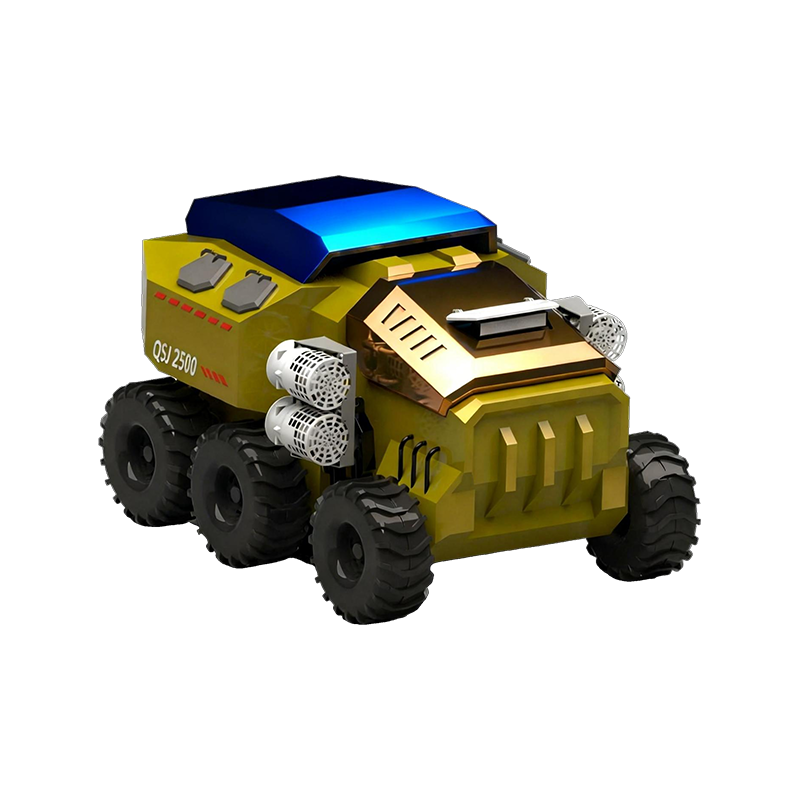
For larger machines, scale the thresholds to the rated curve. An amphibious intelligent drainage robot with a rated flow of 2,000-2,500 m3/h is tested at a riverbank or flooded flat where intake depth and bank slope match its rated deployment envelope.
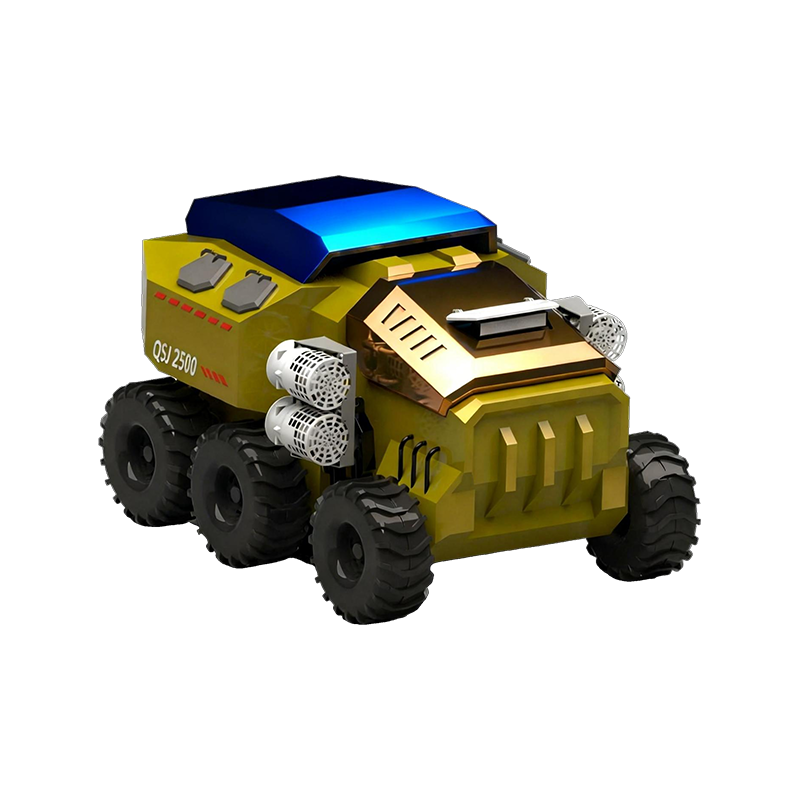 Wholesale Amphibious Intelligent Drainage Robot (20002500 m³/h) Suppliers, CompaWuhu Qisheng Intelligent Equipment Co., Ltd. Is China Wholesale Amphibious Intelligent Drainage Robot (20002500 m³/h) Suppliers, Exporter...View Product →
Lab Tests vs Field Tests: What Each One Proves
Lab tests prove the machine meets its rated curve; field tests prove the machine survives its working environment.
Lab or test-rig evaluation
- Controlled head and flow measurement
- Repeatable conditions from run to run
- Best for comparing two machines
- Does not expose track, terrain, or debris issues
Field deployment trial
- Real terrain, mud, debris, and bank slope
- Validates mobility and hose handling under load
- Reveals control interference from structures
- Results vary with weather and water level
A machine that passes the rig test but fails the field trial has a mobility, hose, or control problem. Stop the evaluation, identify the cause, and only then decide whether to repair or reject.
Municipal teams evaluating sewer deployment can review how the drainage robot improves efficiency in urban sewer systems to scope the right field exercise.
Common Mistakes That Invalidate a Drainage Robot Test
Most failed acceptance runs are caused by procedure errors, not machine faults.
- Testing flow without locking the delivery head - a 2 m rise changes the result more than batch tolerance
- Ignoring discharge hose friction, especially with 50 mm hoses on high-flow units
- Running the obstacle course only on dry concrete, which never reflects mud or wet grass
- Accepting a single obstacle run - track slip can hide a real defect
- Skipping the full-extension hose check, where reel jams actually occur
- Not logging hydraulic power unit pressure and flow during hydraulic-driven tests
Record every variable you can, even if you do not plan to use it. When a robot fails after delivery, the test log is the evidence that separates a machine defect from a changed deployment condition.
Frequently Asked Questions
Performance testing is judged by repeatability, not by a single lucky run.
Which performance metric matters most for an intelligent drainage robot?
Delivered flow at a fixed head is the primary acceptance metric because it determines evacuation time. Obstacle avoidance is the second priority: a robot that cannot reach the water reliably cannot drain anything.
How long does a full acceptance test take?
A complete program for a compact robot takes about six hours: one hour for static checks, two hours for flow and endurance, one hour for remote range, one hour for obstacle and hose tests, and one hour for records and teardown. High-flow machines need longer endurance windows.
Can a hydraulic-driven drainage robot be tested without grid power?
Yes. Hydraulic-driven robots are powered by a hydraulic power unit, so the test needs only fuel for that unit. This makes field testing possible at sites with no electrical supply, which is one of the main reasons flood teams choose hydraulic drive.
How often should performance testing be repeated?
Retest annually, and retest immediately after any hydraulic system repair, hose reel replacement, or control-system update. Machines stored for more than six months should complete at least the flow and remote-range tests before deployment.