 English
 русский
Qisheng
Qisheng
Qisheng
Qisheng
Qisheng
Qisheng
Qisheng
Qisheng
Qisheng
Table of Contents
Traditional drainage pumps need a crew to place, wire, and monitor them before a single liter moves. An intelligent drainage robot collapses that setup into minutes, moving itself into position and pumping under remote or autonomous control while crews focus on higher-risk parts of a flood response.
What an Intelligent Drainage Robot Is
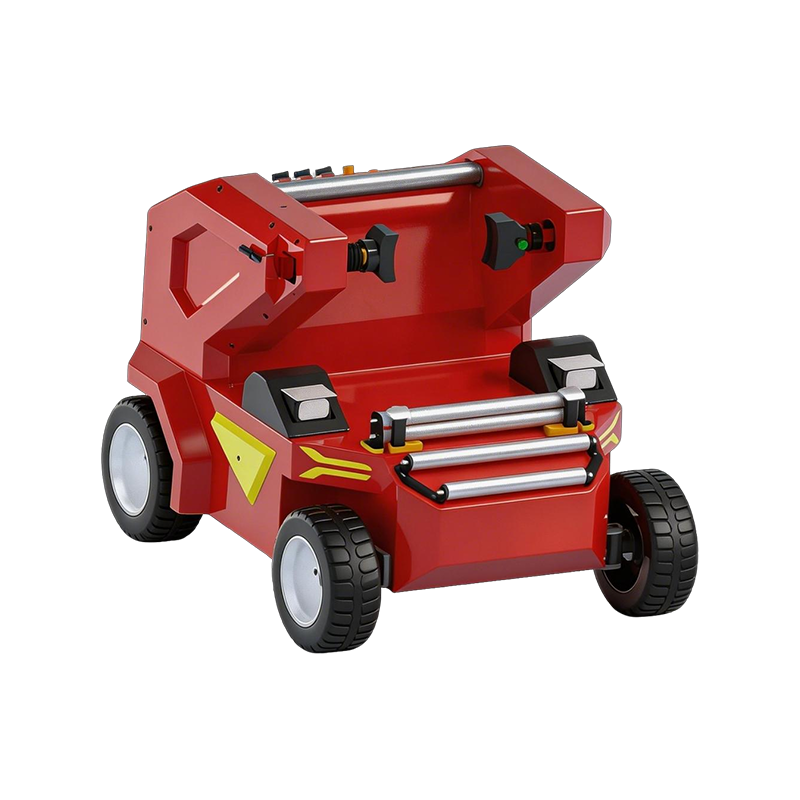
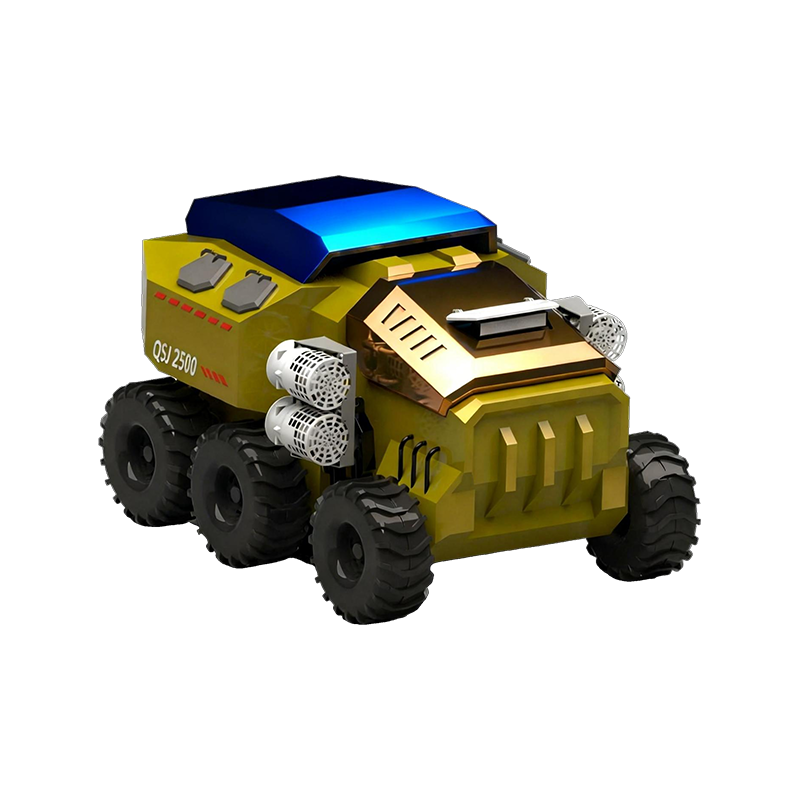
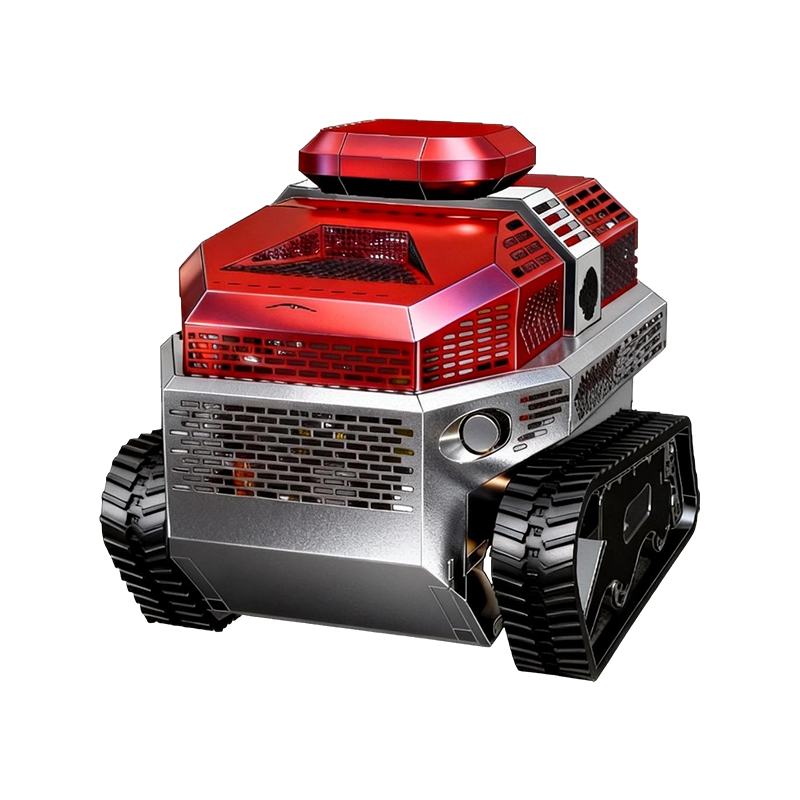
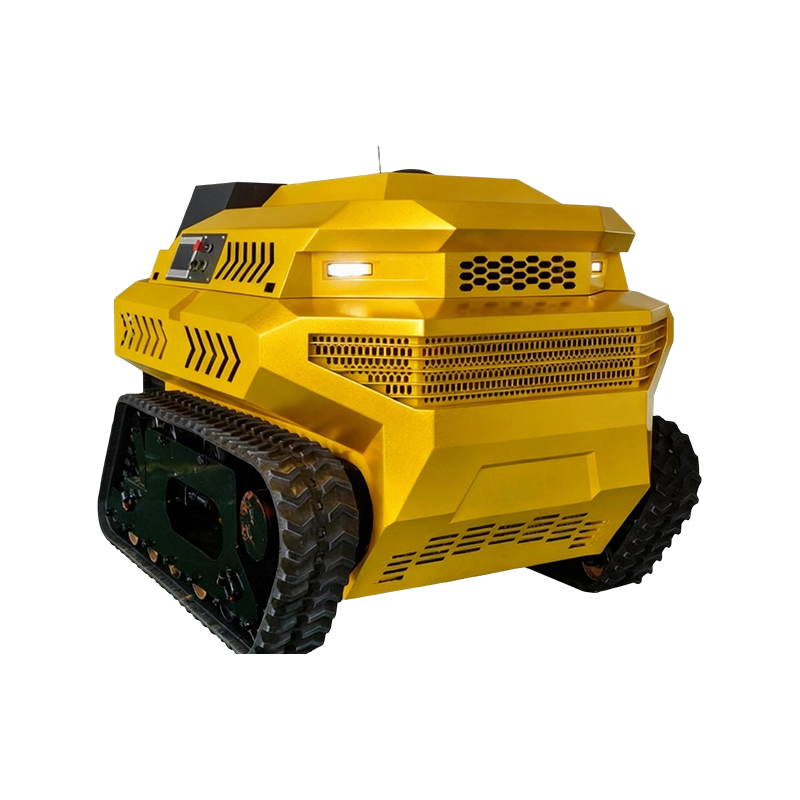
An intelligent drainage robot combines a mobile chassis, a high-flow pumping system, and an onboard control unit into one self-deploying unit that can be driven or dispatched into flooded areas without requiring personnel to enter the water.
Remote controlled Autonomous navigation Real-time monitoring All-terrain mobility
Capabilities That Define Performance
Autonomous operation
Operates via remote control or pre-set autonomous routines, keeping personnel out of hazardous flood water.
High-flow pumping
Moves large water volumes quickly, cutting response time in fast-rising flood scenarios.
Terrain mobility
Crosses debris, uneven ground, and shallow flooding that would stop a fixed pump installation.
Live monitoring
Sensors report water level and pump status continuously to the operating team.
Typical Performance Profile
FLOW RATEup to several thousand m³/h
CONTROL MODEremote / autonomous
DEPLOYMENT TIMEminutes, no fixed setup
OPERATING RANGEextended wireless control radius
Where Drainage Robots Are Deployed
Urban flood control
Clears stormwater from streets, underpasses, and low-lying city infrastructure.
Emergency flood rescue
Deploys rapidly into disaster zones without putting personnel directly in floodwater.
Construction sites
Removes standing water from excavation areas and temporary work zones.
Tunnels and underground facilities
Drains subway, tunnel, and basement flooding in confined access conditions.
Drainage Robot vs Traditional Drainage Pump
| Factor | Intelligent Drainage Robot | Traditional Pump |
| Deployment | Self-mobile, minutes to position | Manual placement and wiring |
| Operator exposure | Remote, out of floodwater | Often requires on-site presence |
| Mobility | Crosses debris and rough terrain | Fixed once installed |
| Monitoring | Real-time sensor data | Manual checks required |
Choosing the Right System
- Match pumping capacity to expected water volume and rise rate
- Confirm mobility rating against the site's terrain and debris conditions
- Check control range against the operating distance required for safe crew positioning
- Evaluate battery or power source runtime against expected deployment duration
- Confirm monitoring and reporting features match the response team's coordination needs
Frequently Asked Questions
How is an intelligent drainage robot different from a standard pump?
It moves itself into position and operates under remote or autonomous control, removing the need for personnel to manually place and monitor equipment in flood conditions.
Can drainage robots operate in debris-filled floodwater?
Yes, their mobile chassis is designed to navigate uneven ground and debris that would block or damage a fixed pump installation.
How quickly can an intelligent drainage robot be deployed?
Most units can be moved into position and operating within minutes, compared with the setup time needed for wiring and placing traditional pumps.
Are intelligent drainage robots suitable for industrial sites?
Yes, the same mobility and pumping capability apply to factory flooding, construction dewatering, and other industrial water management needs.