 English
 русский
Qisheng
Qisheng
Qisheng
Qisheng
Qisheng
Qisheng
Qisheng
Qisheng
Qisheng
Table of Contents
A drainage failure rarely announces itself. Water climbs through a culvert for hours before it reaches a road surface, and by the time a crew is dispatched, the event has usually become twice as expensive to handle. Automated drainage robots change that sequence: they carry sensing and telemetry hardware into the affected area and report what they measure in real time. Wuhu Qisheng Intelligent Equipment Co., Ltd., a professional high-end hydraulic equipment manufacturer, builds this detection capability directly into its intelligent drainage robot lineup.
Core Definition
Automated drainage robot: a self-propelled, remotely controlled pump platform equipped with water-level sensors, flow meters, and wireless telemetry that detects, locates, and transfers water in environments where fixed monitoring equipment is impractical.
How the Sensor Layer Detects Water Problems
Automated drainage robots detect water problems by correlating three sensor families: level sensors, flow meters, and water-quality probes.
Ultrasonic and pressure-based level sensing
Robots carry ultrasonic transducers that measure the distance from the chassis to the water surface, plus pressure transducers at the pump inlet that read hydrostatic head. Together they establish depth and position in dark culverts, flooded underpasses, and tunnels where cameras contribute nothing. Ultrasonic sensors hold typical accuracy of +/-1-2 cm in open conditions, while pressure sensors remain stable in foamy or turbid water where reflected sound degrades.
Flow measurement at the pump inlet
Flow data is the second detection layer. When a robot enters a sewer or channel, the flow reading at the pump inlet tells the operator whether water is moving, stagnant, or accelerating. A steady flow drop with a rising level indicates a downstream blockage; the opposite pattern points to an incoming surge. Because flow is reported in L/min or m3/h, the trend is quantifiable within the first minutes of deployment.
Turbidity and water-quality probes
Optional probes extend detection beyond water volume. Turbidity sensors measure suspended solids so operators can separate clear floodwater from slurry or sewage infiltration. Conductivity readings flag chemical contamination. In urban sewer service, that distinction separates routine pumping from environmental incidents that need special handling.
Rate-of-change rule: the strongest early-warning indicator is not a single water level but the speed at which the level moves. A rise of more than 10 cm per hour in a culvert produces an alarm before the absolute threshold is crossed, a lead time a static float switch cannot match.
From Sensor Reading to Operator Decision
A measured value becomes useful only when the right person receives it in time, which is why the telemetry chain is part of the detection system.
On-board decision thresholds
The robot's controller evaluates every reading against programmable thresholds. A depth value alone generates a status message; a depth value that crosses a rate-of-change limit generates an alarm. On-board logic lets the robot recognize a developing flood even when the network link is unstable.
Live data and remote intervention
Raw sensor values, pump status, and fuel or battery level are transmitted by radio or cellular telemetry to the operator terminal, where the commander can reposition the robot, raise pump speed, or send it back to base. Municipal teams managing multiple sites can read water level and flow status from a single screen, which changes how priorities are set. Control range, obstacle avoidance, and live-data features determine how far that coverage reaches.
SensorLevel, flow, quality
ControllerThreshold logic
TelemetryRadio or cellular
OperatorLive dashboard
40 mindeployment to first verified status
3-4 hearlier than a street-level visual alarm
Mobility Turns Detection into Coverage
A fixed sensor grid can miss an event just outside its coverage; a drainage robot creates coverage wherever it moves.
Coverage without infrastructure
Fixed stations need power, mounting, and communication lines. Tracked or amphibious robots reach the trouble area, complete a scan, and proceed to the next site, which makes them practical for flood plains, construction sumps, sewer branches, and mine dewatering where permanent instrumentation is uneconomic.
Obstacle avoidance and terrain adaptation
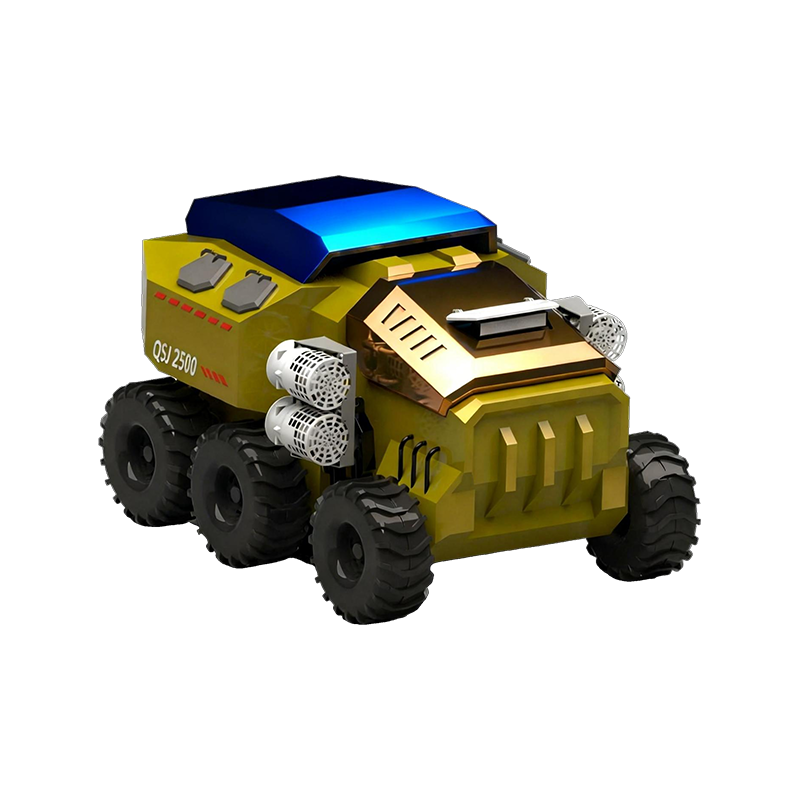
Ultrasonic proximity sensors and remote visibility allow operators to move a robot through narrow culverts and around debris. Amphibious variants, such as the amphibious intelligent drainage robot, extend the same sensor payload to open water while the unit swims toward the work point. For municipal sewer teams, this is the difference between sampling a fraction of the network and covering an entire branch line, which is why drainage robot efficiency in urban sewer systems has become a routine selection factor.
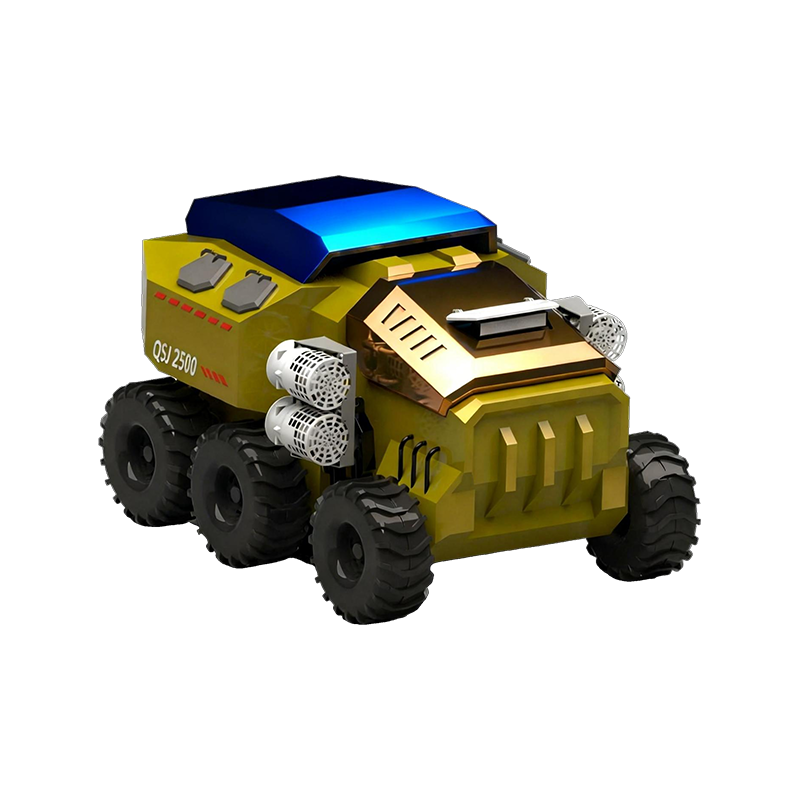 Wholesale Amphibious Intelligent Drainage Robot (20002500 m³/h) Suppliers, CompaWuhu Qisheng Intelligent Equipment Co., Ltd. Is China Wholesale Amphibious Intelligent Drainage Robot (20002500 m³/h) Suppliers, Exporter...View Product →
Fixed sensor network
Point coverage only. Needs power and communication infrastructure, with blind zones outside the installed radius.
Automated drainage robot
Coverage follows the machine. One unit serves multiple sites per shift with no permanent installation.
Detection and Pumping in One Operating Cycle
Drainage robots do not stop at detection: the same operating cycle that confirms the problem also begins moving water out of the affected zone.
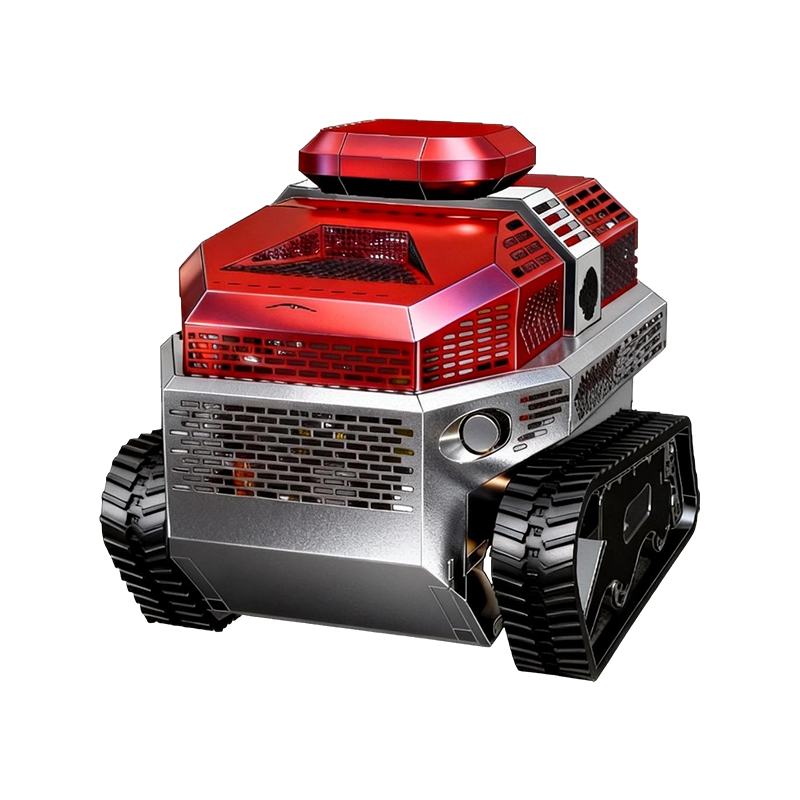
An intelligent drainage robot pairs its sensor suite with a submersible pump and a hydraulic or electric power source. When level and flow readings confirm flooding, the operator starts the pump without bringing a second machine to the site. The Qisheng lineup covers the practical response range, from a compact tracked unit in the 600 m3/h class for narrow access to the tracked high-flow pumping robot handling 1,000-1,300 m3/h and amphibious units reaching 2,000-2,500 m3/h.
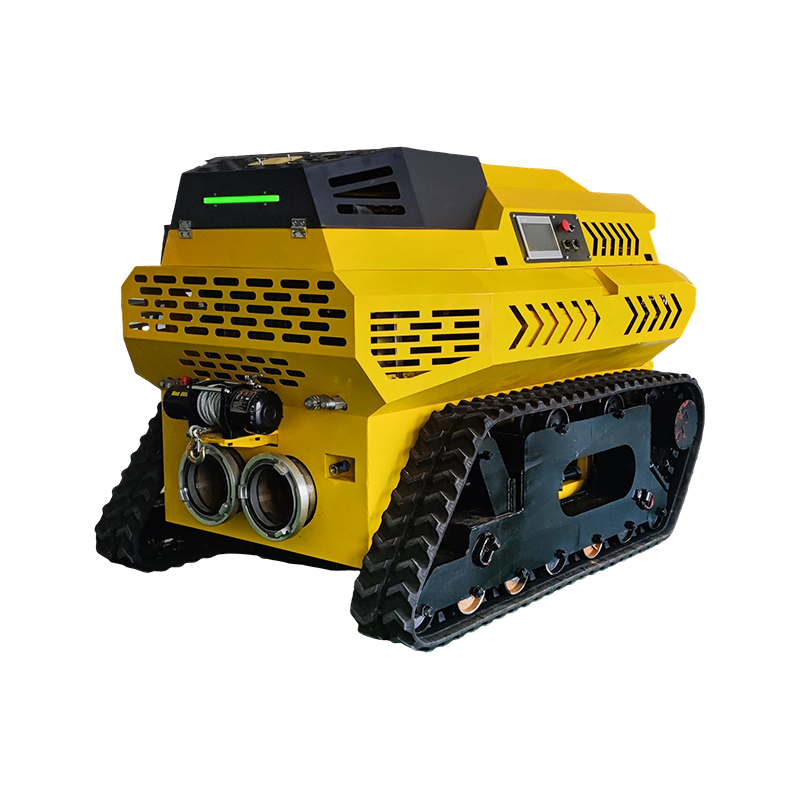 Wholesale Tracked HighFlow Pumping Robot (10001300 m³/h) Suppliers, Company, ExpWuhu Qisheng Intelligent Equipment Co., Ltd. Is China Wholesale Tracked HighFlow Pumping Robot (10001300 m³/h) Suppliers, Exporter, Compa...View Product →
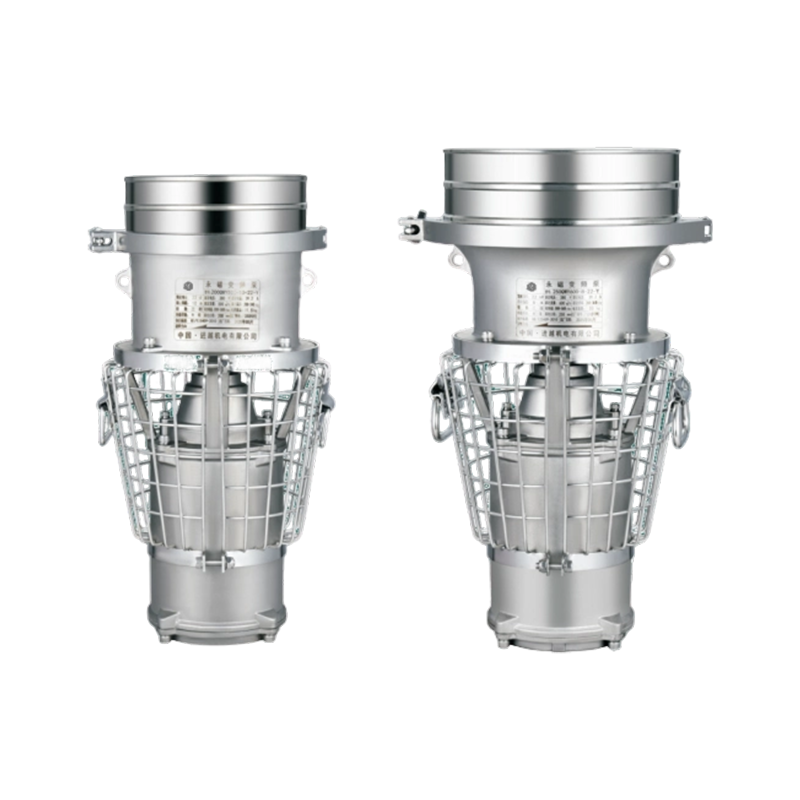
Because the pumps are hydraulically driven in most Qisheng machines, the robot operates without local mains electricity, which matters in flooded basements, pump stations, and farmland where power isolation is part of the safety procedure. For crews that need sustained output, the same machines connect to high-flow hydraulic drainage pumps rated and tested for extended duty.
What the Detection Benchmarks Show
The value of automated detection shows up in the time between water entering a system and the first reliable alarm.
Typical time from water entry to first reliable alarm
Manual rounds6-8 h
Fixed station2-4 h
Drainage robot20-40 min
Planning benchmarks for flood-response deployment. Actual times depend on site access, telemetry conditions, and crew readiness.
600 m3/hcompact tracked robot
1,000-1,300 m3/htracked high-flow robot
2,000-2,500 m3/hamphibious robot
How to Choose a Robot That Actually Detects
Choose a drainage robot by asking what it measures, not only what it pumps.
- Sensor payload: confirm level, flow, and optional quality probes; float-switch-only machines are pumps, not detectors.
- Telemetry range: verify the control and data distance against your site geography, and check whether live data is standard or optional.
- Flow class: match the rating to the event, from 600 m3/h for confined access up to 2,500 m3/h for open floodwater.
- Terrain compatibility: tracked, wheeled, or amphibious chassis changes which zones the robot can actually cover.
- Independent power: hydraulic or engine-driven operation keeps the robot functional during grid isolation.
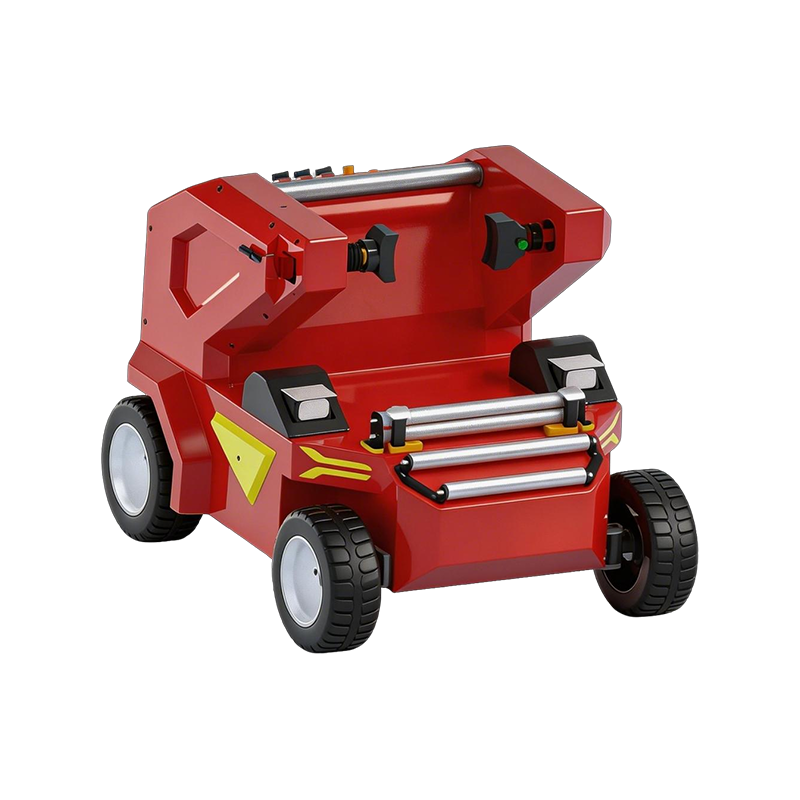
For confined entrances and underground structures, the compact tracked intelligent drainage robot combines a narrow footprint with the full detection suite.
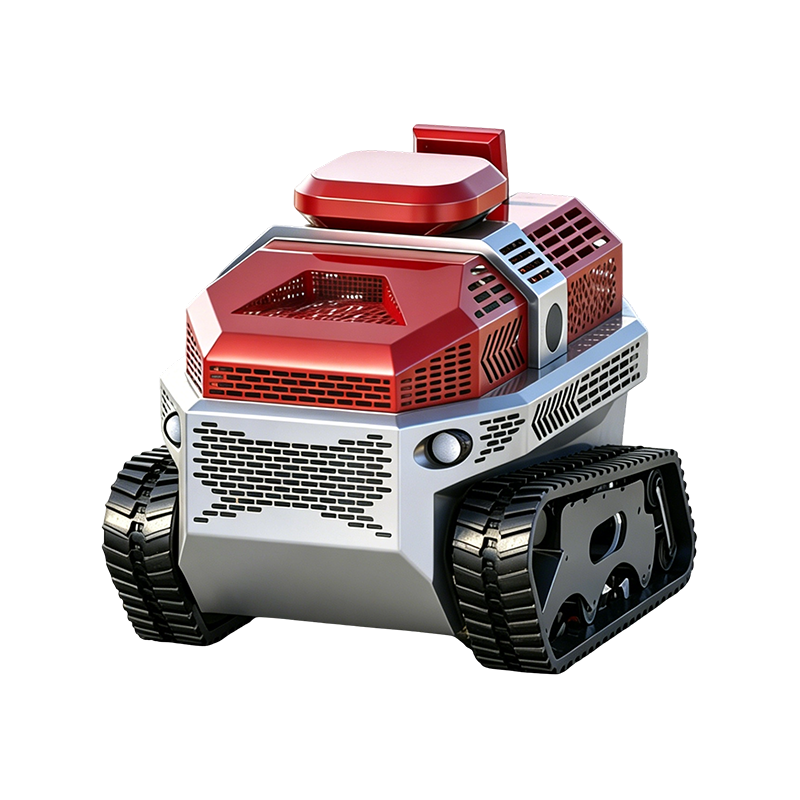 Wholesale Compact Tracked Intelligent Drainage Robot (600m³/h) Suppliers, CompanWuhu Qisheng Intelligent Equipment Co., Ltd. Is China Wholesale Compact Tracked Intelligent Drainage Robot (600m³/h) Suppliers, Exporter,...View Product →
In flood response, a missed reading is not a data problem. It is lost pumping hours. The chain of sensor, on-board logic, telemetry, and operator is what protects response time.
Frequently Asked Questions
Most drainage problems share one detection chain, and each robot model makes that chain measurable.
Selection rule of thumb: a useful detection robot is defined by three numbers - sensing accuracy, telemetry range, and flow rating. If a datasheet does not state all three, treat the detection claim as incomplete.
How do automated drainage robots detect water without an operator on site?
They combine ultrasonic or pressure level sensors, pump inlet flow meters, and optional turbidity or conductivity probes. The on-board controller applies threshold and rate-of-change logic, then transmits the result to the operator terminal over radio or cellular telemetry.
What is the control range of a drainage robot?
The control and data range depends on the telemetry link and the obstacles between the operator and the machine. Specification sheets state line-of-sight and practical ranges, and buyers should verify those distances against their job sites before deployment.
Can a drainage robot distinguish rising groundwater from surface flooding?
Yes, by correlating level and flow trends. Rapid level rise with low flow indicates surface water inflow; slow level rise while the pump runs points to groundwater seepage. The dashboard displays both curves so the operator can classify the event.
Do these robots work in slurry or contaminated water?
Robots fitted with wear-resistant hydraulic slurry pumps can move water with suspended solids, and turbidity monitoring reports the solids loading. Heavy-sediment configurations are available with discharge diameters from 50 mm to 150 mm.