 English
 русский
Qisheng
Qisheng
Qisheng
Qisheng
Qisheng
Qisheng
Qisheng
Qisheng
Qisheng
Table of Contents
- 1 What Is an Electric Hydraulic Power Unit
- 2 Why the Right Electric Hydraulic Power Unit Matters for Equipment Integration
- 3 Key Factors to Consider When Choosing an Electric Hydraulic Power Unit
- 4 Applications of Electric Hydraulic Power Units in Industrial Equipment
- 5 How Electric Hydraulic Power Units Improve Equipment Performance
- 6 How to Choose a Reliable Electric Hydraulic Power Unit Supplier
- 7 Common Mistakes When Selecting Electric Hydraulic Power Units
- 8 Frequently Asked Questions
Selecting the right Electric Hydraulic Power Unit determines whether an integrated machine runs smoothly for a decade or fails at the actuator within months. This guide breaks down the technical and commercial factors that industrial equipment manufacturers, hydraulic system integrators, and machinery builders should evaluate before specifying a unit.
3 core sizing factors: pressure, flow, tank capacity
80% of hydraulic failures trace back to incorrect flow or pressure matching
2x service life gain from correct reservoir and heat dissipation sizing
What Is an Electric Hydraulic Power Unit
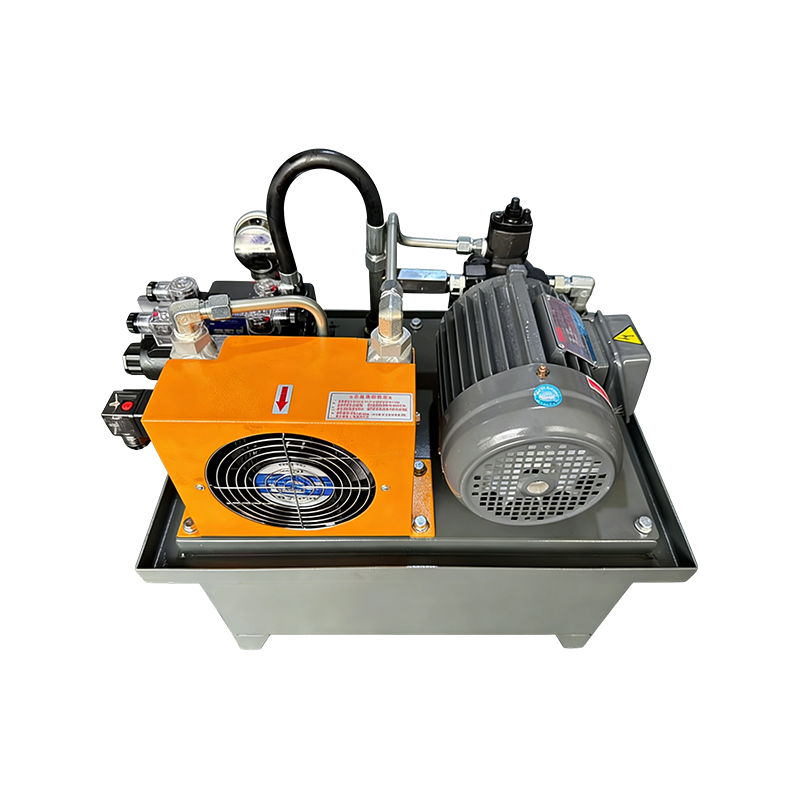
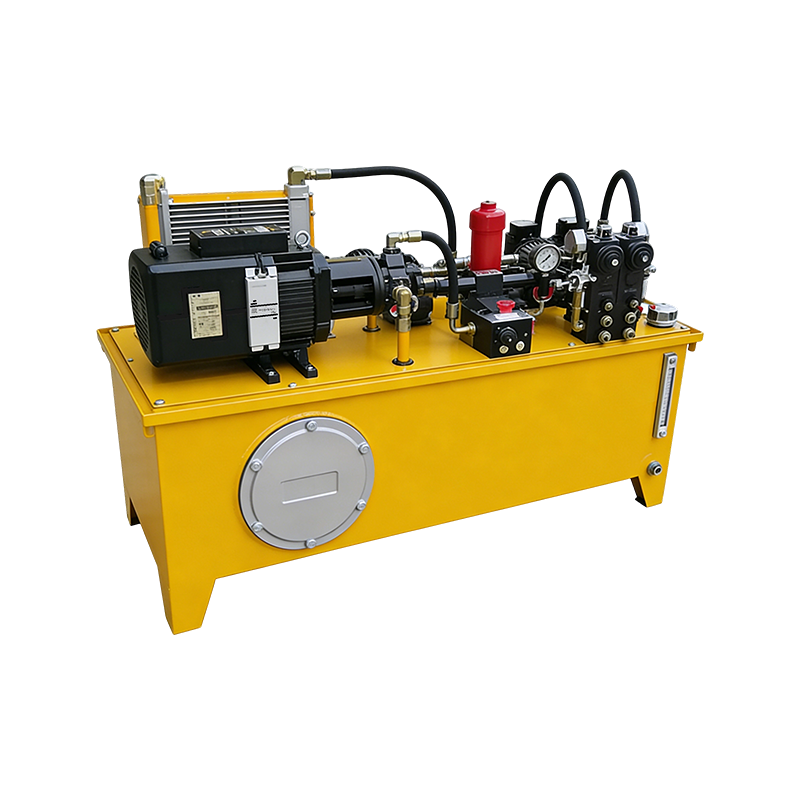
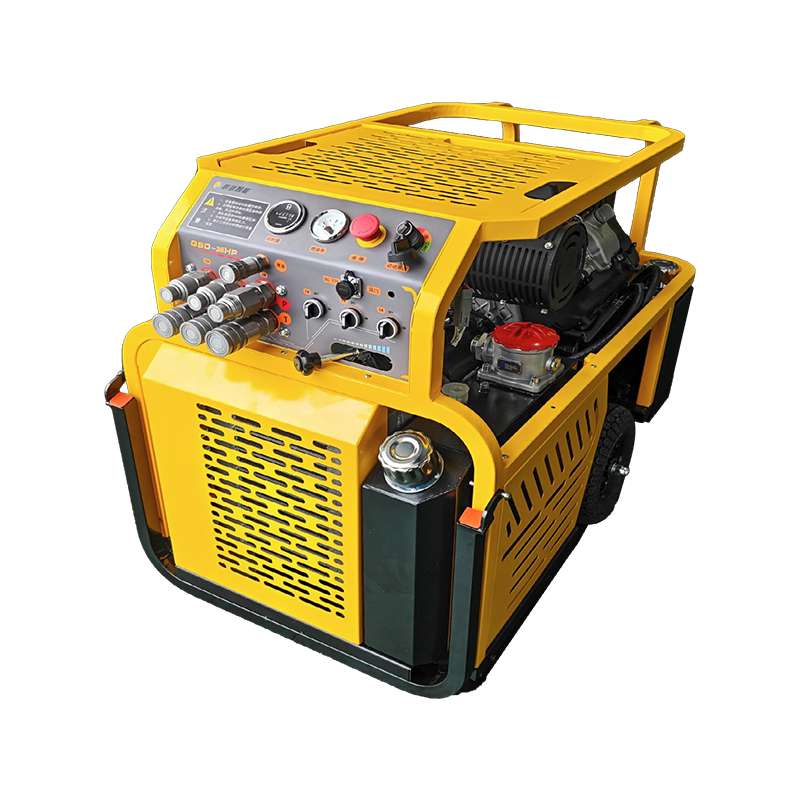
An Electric Hydraulic Power Unit is a self-contained assembly that pairs an electric motor, hydraulic pump, oil reservoir and control valves to deliver pressurized fluid to cylinders, motors and actuators. It replaces separate hydraulic components with a single, pre-engineered power source, which is why it sits at the center of lifting systems, presses, clamping equipment and automated material handling lines.
Why the Right Electric Hydraulic Power Unit Matters for Equipment Integration
Choosing correctly at the design stage prevents rework, downtime and warranty claims later in the equipment life cycle.
Providing Stable Hydraulic Power for Equipment Operation
A properly matched unit delivers consistent pressure and reliable output, which keeps cylinder movement smooth under variable load. This directly affects lifting equipment, industrial machinery and any application where jerky or inconsistent motion is unacceptable.
Improving Integration and System Efficiency
Compact, pre-engineered units simplify piping layout and reduce the number of separate components an integrator has to source, mount and commission, shortening build time and cutting installation errors.
Supporting Automated and Precision-Controlled Applications
Units built for electrical control integration allow precise, repeatable hydraulic movement, which is essential for automated lines where positioning accuracy and cycle repeatability drive throughput.
A hydraulic power unit is only as good as its match to the application. Oversizing wastes energy and space; undersizing shortens service life and risks actuator failure under peak load.
Key Factors to Consider When Choosing an Electric Hydraulic Power Unit
Evaluate Hydraulic Flow Rate and Pressure Requirements
Start with maximum working pressure, required flow capacity and cylinder specifications. These numbers set operating speed and load-handling capability, and they are the single most common source of mismatched equipment when skipped.
Select the Appropriate Motor Power and Electrical Configuration
Motor power rating, voltage requirements and energy efficiency must align with the available power supply and the working environment, whether that is a fixed industrial line or a mobile platform.
Consider Tank Capacity and Hydraulic System Design
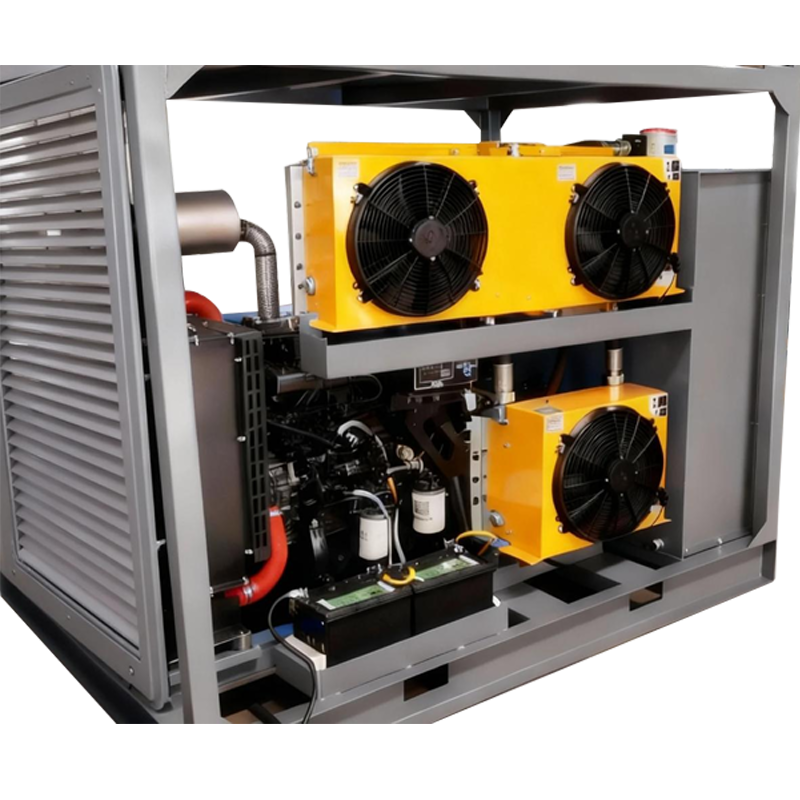
Oil reservoir capacity governs heat dissipation and continuous operation. Undersized tanks overheat fluid quickly, accelerating seal wear and shortening component life.
Check Size and Installation Compatibility
Mounting options and space limitations vary widely between mobile equipment, fixed industrial machinery and customized systems, so physical fit deserves the same rigor as hydraulic sizing.
Evaluate Control Options and Additional Functions
Solenoid valve control, remote operation, pressure adjustment and customized hydraulic circuits determine how well the unit fits into an automated or manually operated system.
| Selection Factor | What to Check | Risk If Ignored |
| Flow and pressure | Max pressure, flow capacity, cylinder specs | Slow cycle times, load failure |
| Motor and electrical | Power rating, voltage, efficiency | Overheating, incompatible supply |
| Tank capacity | Reservoir size, heat dissipation | Fluid degradation, seal wear |
| Size and mounting | Footprint, mounting orientation | Integration delays, rework |
| Controls | Solenoid valves, remote operation | Limited automation compatibility |
Applications of Electric Hydraulic Power Units in Industrial Equipment
Lifting Equipment
Lifting platforms, hydraulic lifts and material handling systems rely on stable lifting performance and reliable load control.
Industrial Machinery
Press machines, clamping systems and automation equipment need precise hydraulic control and continuous duty capability.
Mobile and Special Equipment
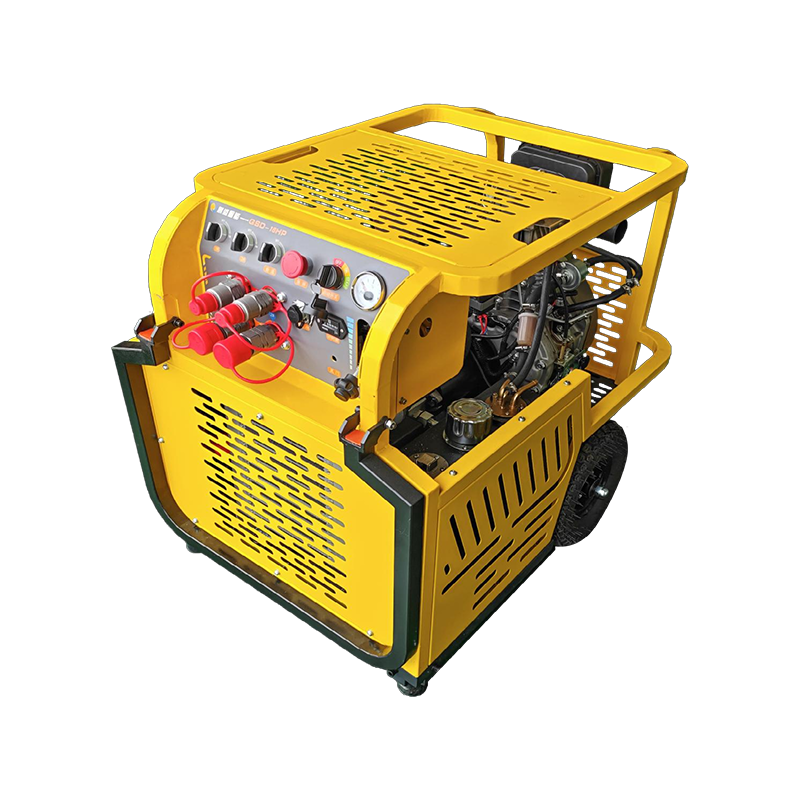
Service vehicles and small construction equipment favor compact design and flexible installation over raw output.
How Electric Hydraulic Power Units Improve Equipment Performance
Beyond raw hydraulic output, the right unit reduces design complexity by consolidating components into a single, integrated assembly, improves energy efficiency and operating costs through optimized motor operation, and enhances reliability by lowering component wear across the service life of the machine.
How to Choose a Reliable Electric Hydraulic Power Unit Supplier
Technical fit is only half the decision. Evaluate a supplier's hydraulic engineering and customization capability, manufacturing quality and testing procedures, production capacity against your project schedule, and the depth of technical and after-sales support, including spare parts availability.
Common Mistakes When Selecting Electric Hydraulic Power Units
- Choosing based only on motor power while ignoring hydraulic pressure, flow requirements and overall system matching
- Ignoring working environment conditions such as temperature, dust, outdoor exposure and continuous duty demands
- Overlooking future equipment expansion needs, including additional functions, higher load requirements and system upgrades
Looking for reliable electric hydraulic power unit solutions for industrial equipment integration? Contact us for customized hydraulic system support.
Frequently Asked Questions
What size electric hydraulic power unit do I need?
Size is determined by required flow rate, working pressure and cylinder specifications, not motor horsepower alone. Calculate these from your actuator's duty cycle and load before selecting a unit.
Can an electric hydraulic power unit be customized for mobile equipment?
Yes. Compact reservoirs, alternate mounting orientations and voltage configurations allow units to be adapted for service vehicles and small construction machinery.
How does tank capacity affect performance?
Larger reservoirs dissipate heat more effectively and support continuous operation, while undersized tanks cause fluid overheating and accelerated wear on seals and pumps.
What is the biggest mistake in power unit selection?
Selecting based on motor power alone, without matching hydraulic flow and pressure to the actual application, is the most common and costly error.