
 English
 русский
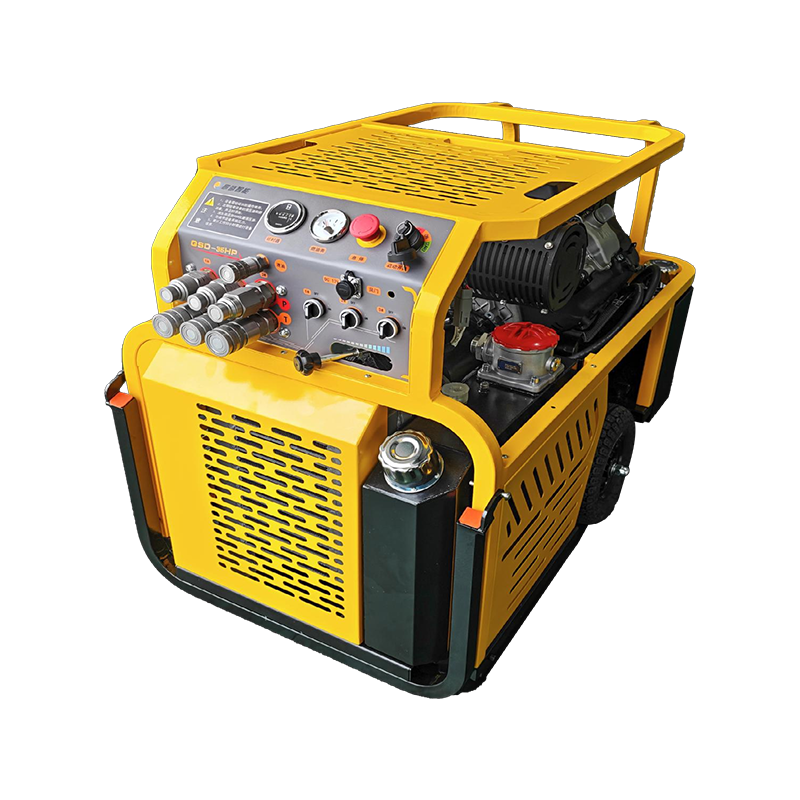

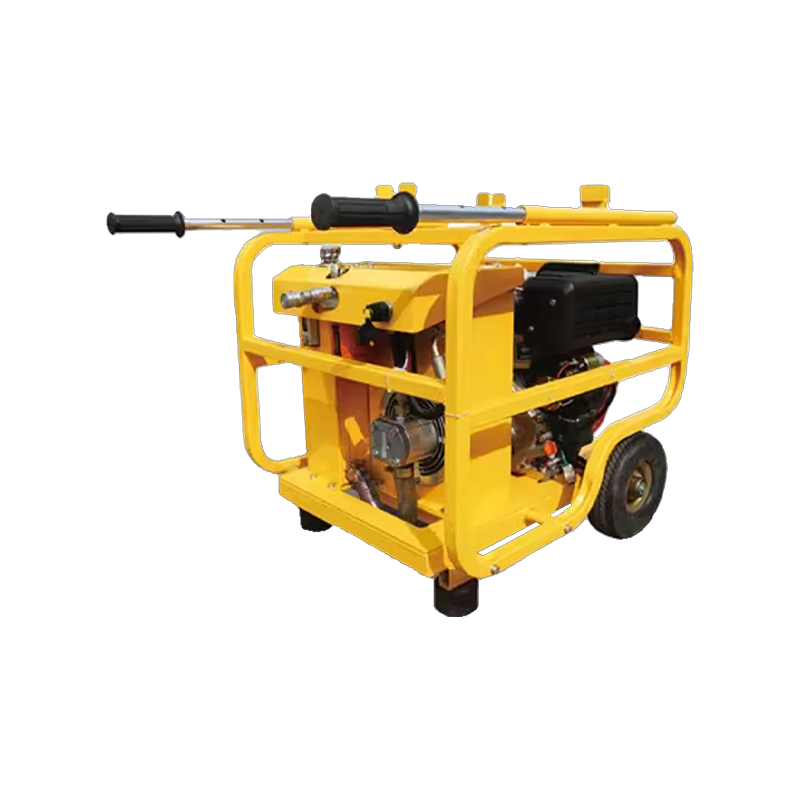
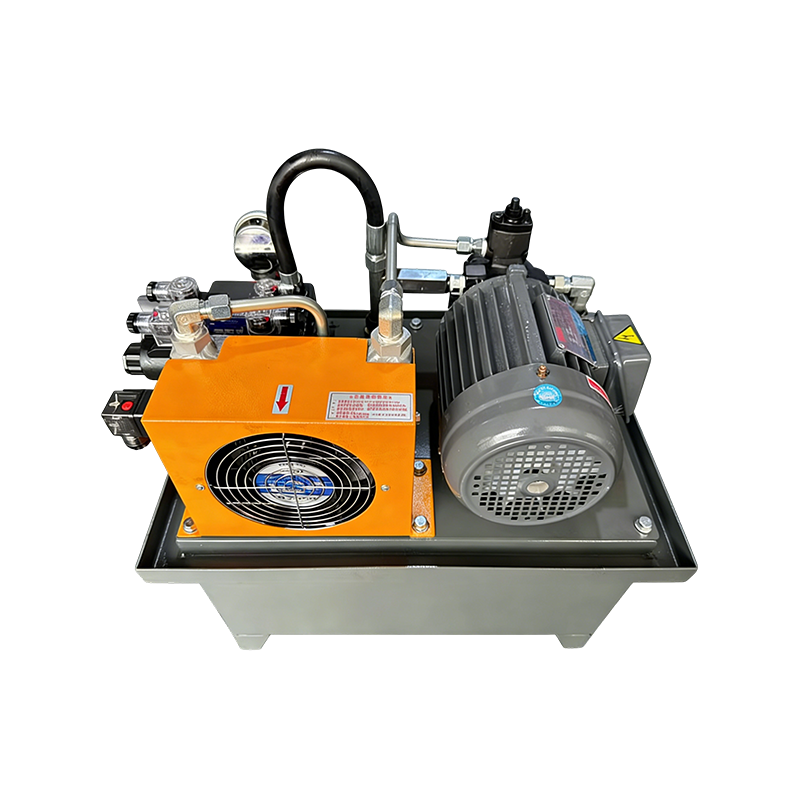
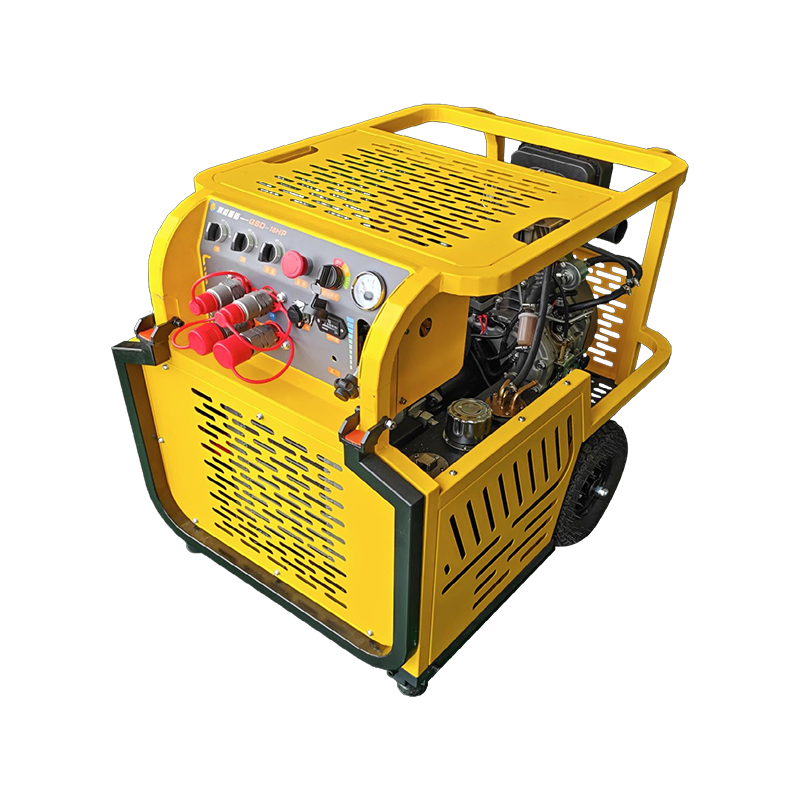
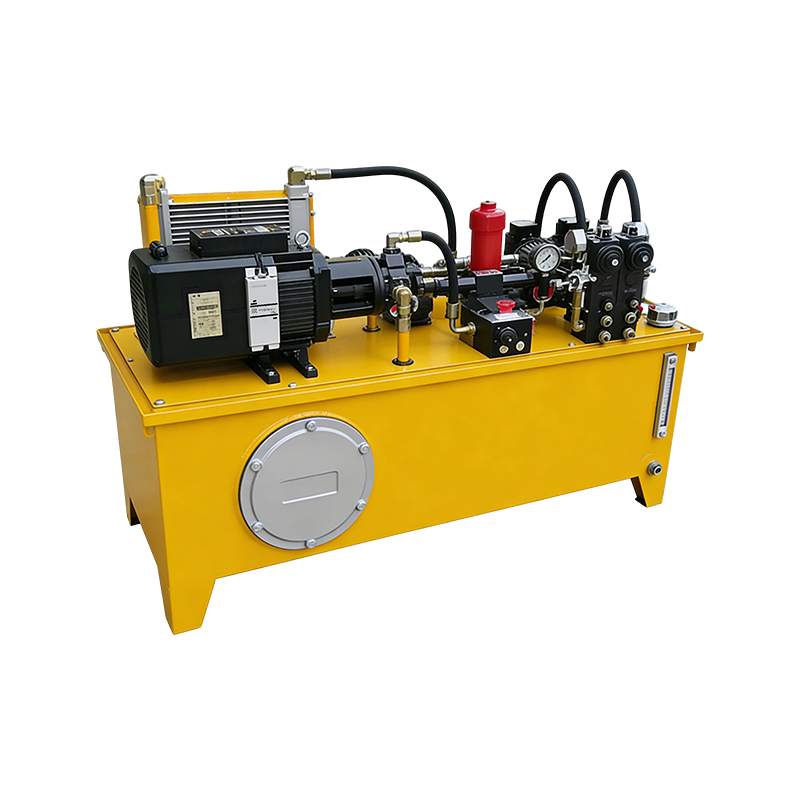
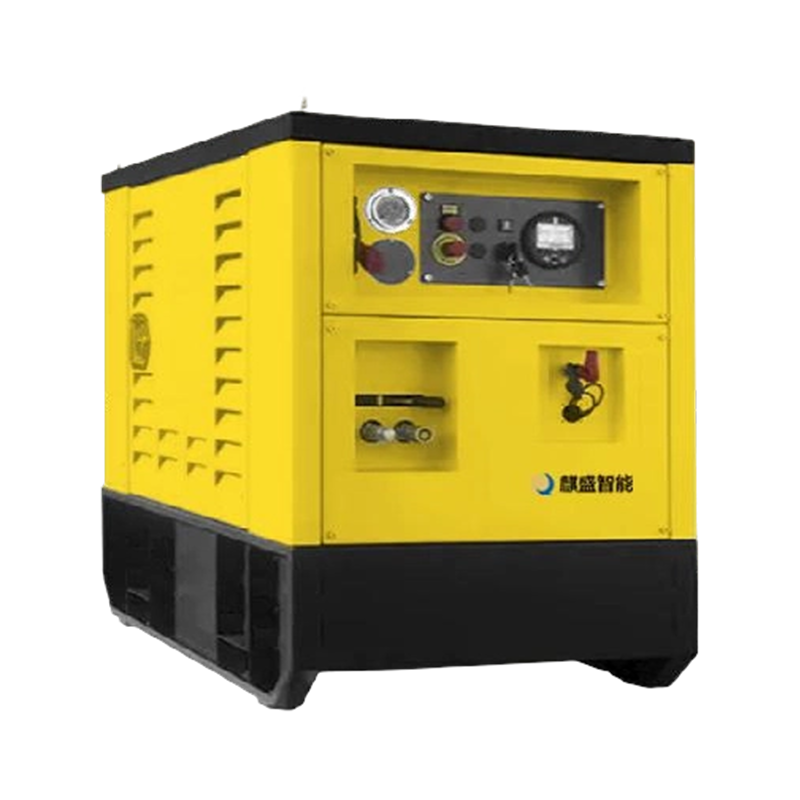
High Pressure Hydraulic Power Pack
Hydraulic power source engineered for high-pressure circuits up to 280 bar, supplying hydraulic tools, cylinders, and test equipment where elevated pressure is required at the working point
The High Pressure Hydraulic Power Pack is a hydraulic power source designed for circuits requiring elevated working pressure up to 280 bar. The unit integrates a 9.0 kW air-cooled gasoline engine with a high-pressure variable-displacement hydraulic pump, a 12-litre reservoir with 10-micron filtration, and two sets of high-pressure flat-face couplers rated for the circuit pressure. The high-pressure configuration suits applications where the working point requires more force from a given cylinder area, or where pressure losses in long hose runs must be overcome without increasing flow. The pressure-compensated pump adjusts displacement to maintain the set pressure as downstream demand varies, and the relief valve is set at 320 bar to protect the circuit. The frame is constructed from heavy-gauge steel with lifting eyes and forklift pockets, reflecting the higher stresses present in high-pressure operation. All hydraulic lines, fittings, and couplers are rated above the maximum working pressure with a safety margin. The unit is suited to procurement by maintenance contractors, testing service providers, and industrial plants using high-pressure hydraulic tooling.
The unit supplies 18 L/min at 280 bar, which suits high-force clamping cylinders, hydraulic torque and tensioning tools, small-bore cylinders requiring high thrust, pressure testing equipment, and hydraulic presses. Tools must be rated for the working pressure. Buyers should provide the tool pressure rating and flow requirement at inquiry stage so the relief setting and circuit components can be confirmed against the application.
Pressure and flow together determine the force and speed available at the tool. This unit delivers 18 L/min at 280 bar, which is a lower flow than standard-pressure power packs of similar engine output. The lower flow means cylinder extension speed is slower, but the higher pressure delivers greater force from the same cylinder area. Buyers should confirm whether their application prioritises force or speed before selecting this pressure-focused configuration.
Standard-pressure hoses and couplers must not be used with this unit. Hoses, fittings, and couplers must be rated above the 280 bar working pressure, and the unit is supplied with high-pressure rated components. If buyers extend hose length or connect existing hoses, they should confirm the pressure rating of those components before use. Substituting standard-pressure components creates a failure risk at high pressure.
The relief valve is set at 320 bar, which is above the 280 bar working pressure but below the rating of the circuit components. This protects the pump, hoses, and couplers if the circuit is deadheaded or if pressure rises due to thermal expansion. The relief setting should not be adjusted without confirming the pressure rating of all connected components, and any adjustment should be recorded in the maintenance documentation.
The 6.5-litre fuel tank provides approximately 2.8 hours at rated load, depending on engine load and operating conditions. Because the pump is pressure compensated, fuel consumption falls when the circuit is holding pressure or when tools are idle, and runtime can extend beyond this figure in intermittent use. Buyers should confirm refuelling arrangements for their expected duty cycle.
Check engine oil level before each use, and clean or replace the air filter according to the operating environment. Inspect high-pressure hoses for abrasion, kinks, or damage to the outer cover, and check couplers for wear or leakage. Hydraulic oil and return filter should be replaced at the interval specified in the maintenance schedule, and the relief valve setting should be verified during scheduled inspection. For units in standby, run the engine briefly each month.
A complete inquiry should include: the tools or equipment to be driven, with required pressure and flow; the pressure rating of existing hoses and couplers if they are to be used; the required coupler type and hose length; the expected duty cycle and runtime per shift; and whether pressure test documentation is required for site or regulatory purposes. For fleet procurement, indicate the estimated quantity and whether the specification must remain fixed across repeat orders.