
 English
 русский

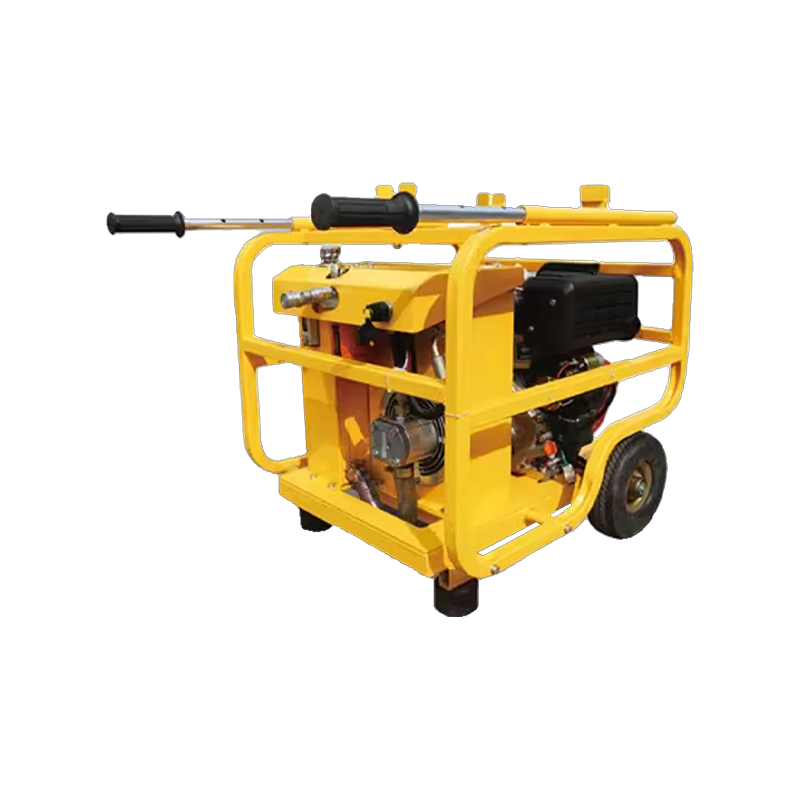
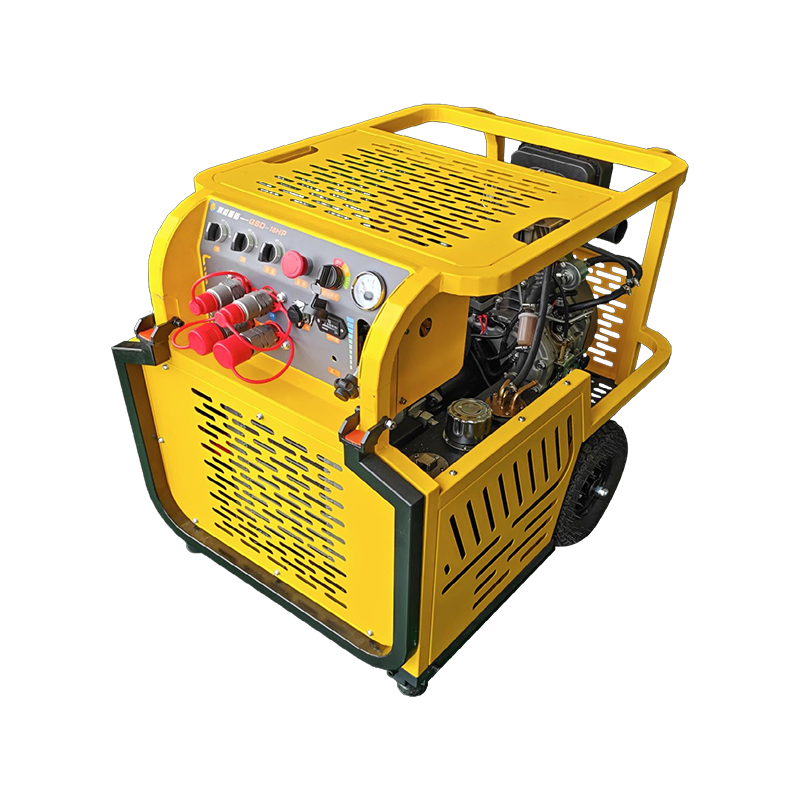
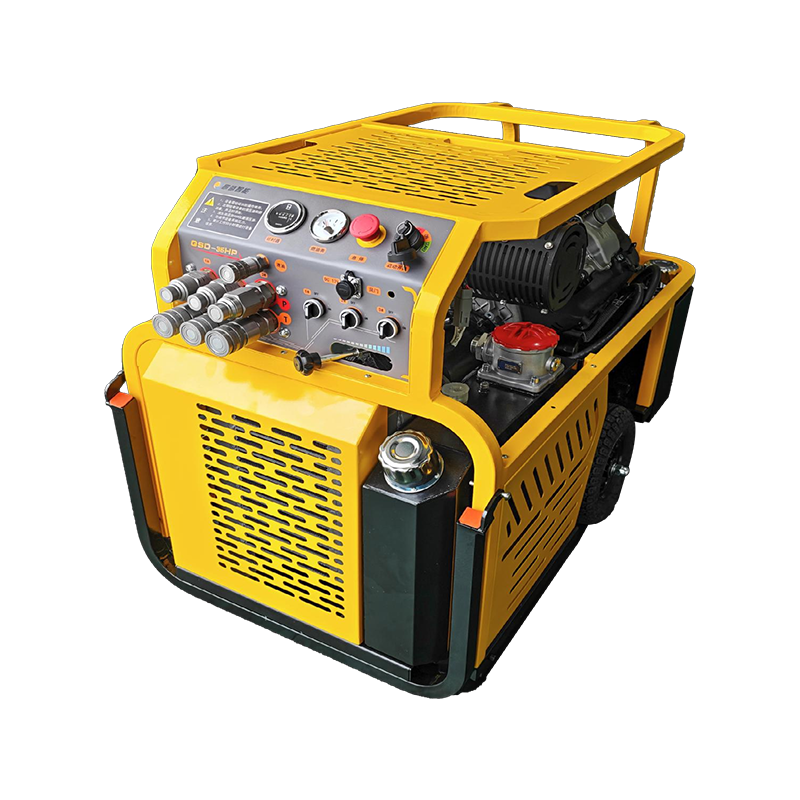
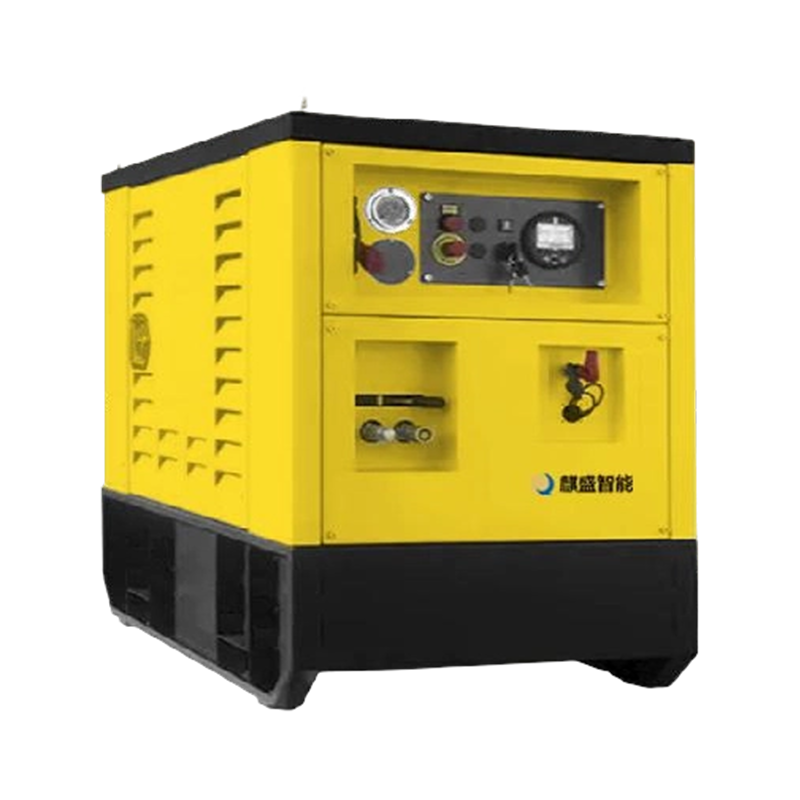
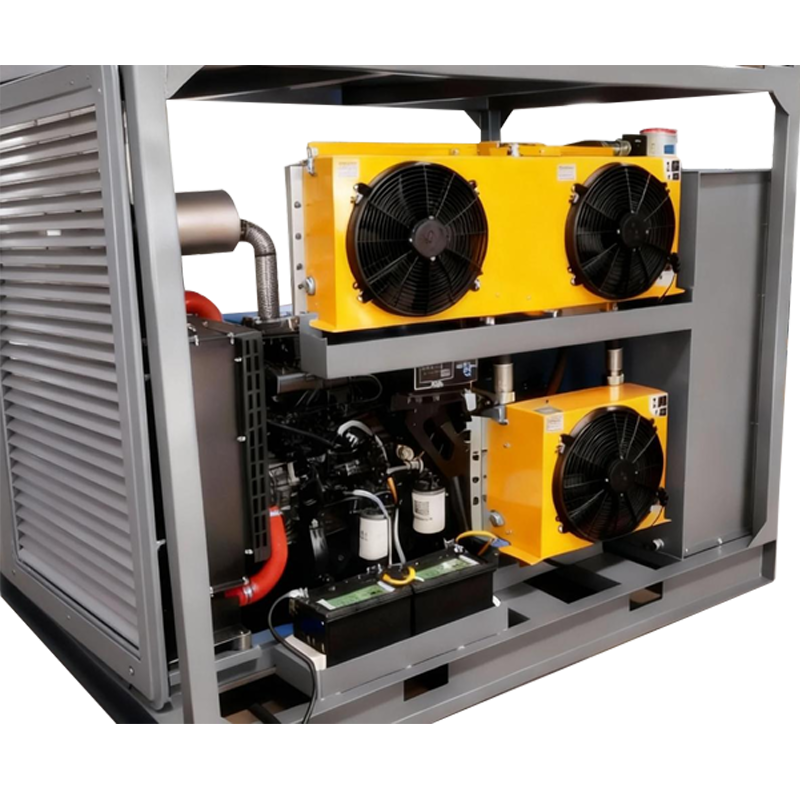
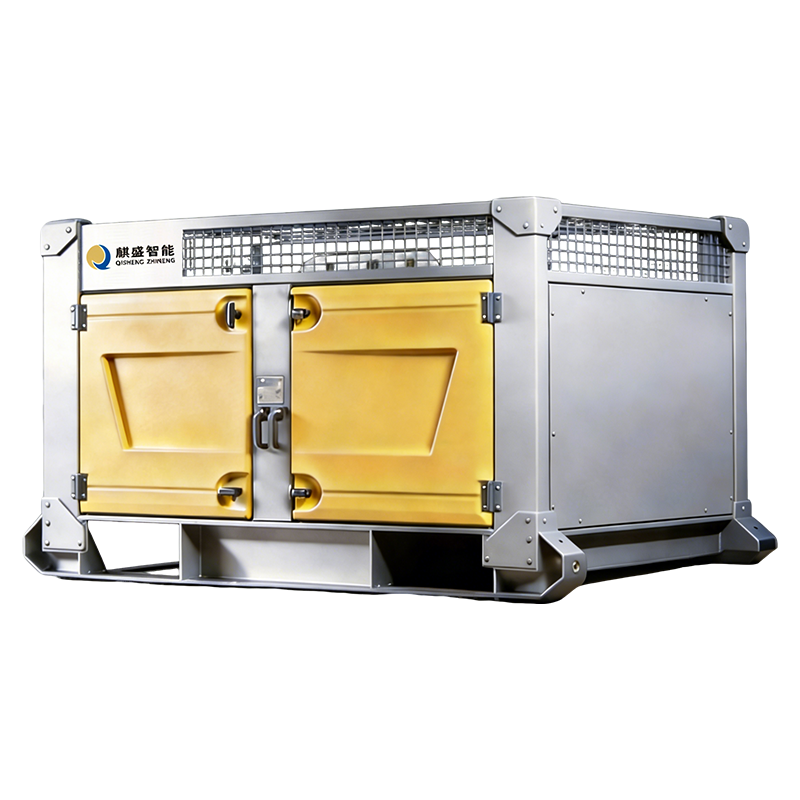
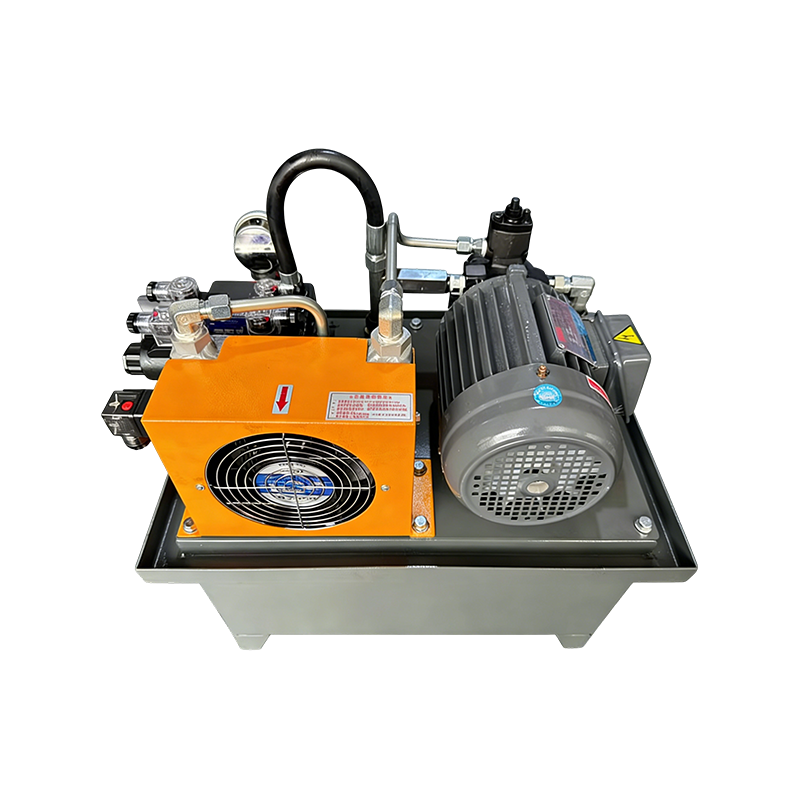
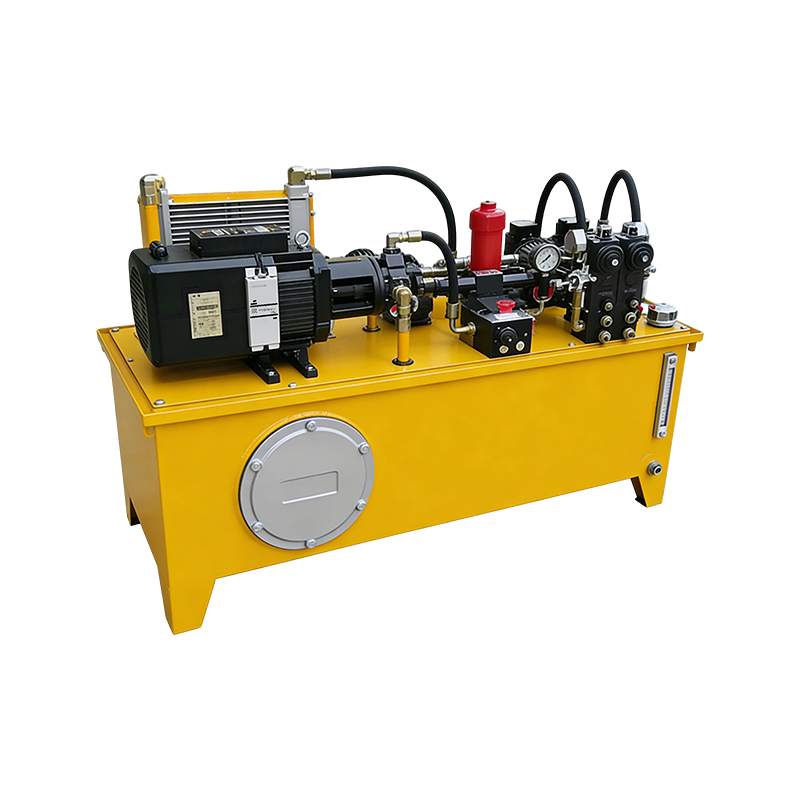
Engine Driven Hydraulic Power Pack
Self-contained hydraulic power source driven by an internal combustion engine, supplying hydraulic flow and pressure to tools, cylinders, and attachments at sites without electrical infrastructure
The Engine Driven Hydraulic Power Pack is a self-contained hydraulic power source that uses an internal combustion engine to drive a hydraulic pump, supplying pressurised oil to connected tools and equipment. The unit integrates an 8.0 kW air-cooled gasoline engine, a variable-displacement hydraulic pump rated at 32 L/min and 210 bar, a 14-litre reservoir with 10-micron filtration, and two sets of flat-face quick couplers. Because the power source is an engine rather than an electric motor, the unit operates independently of mains electricity and can be deployed at construction sites, remote maintenance locations, and emergency scenes where electrical supply is unavailable or impractical. The pressure-compensated pump adjusts displacement to match downstream demand, reducing fuel consumption and heat generation when tools are idle. The complete assembly is mounted on a steel skid with lifting eyes, forklift pockets, and a foldable handle for site transport. The unit is suited to procurement by contractors, plant hire companies, and maintenance departments requiring a mobile hydraulic power source for tools, cylinders, and attachments.
The unit supplies 32 L/min at 210 bar, which matches hydraulic breakers up to 25 kg class, cutters, spreaders, torque wrenches, cylinders, shears, compactors, and pullers operating within that flow and pressure range. Tools requiring higher flow or pressure cannot be driven correctly, and tools requiring much lower flow may need a flow control arrangement. Buyers should provide the tool specification at inquiry stage so the pump displacement and relief setting can be confirmed.
The 5.5-litre fuel tank provides approximately 2.6 hours at rated load, at a consumption of about 2.1 litres per hour. Because the pump is pressure compensated, fuel consumption falls when tools are idle or operating at partial demand, and runtime can extend beyond this figure in intermittent use. Buyers planning extended shifts should confirm refuelling arrangements on site.
The unit has two sets of flat-face couplers, allowing two tools or circuits to be connected. However, the combined flow demand must not exceed the rated 32 L/min. If both tools require full flow simultaneously, a flow divider may be needed to maintain stable operation. Buyers intending to run two tools together should confirm the flow requirement of each tool so the arrangement can be specified.
The gasoline engine produces exhaust emissions, so the unit must be operated in ventilated areas or outdoors. For enclosed spaces, basements, and tunnels, an exhaust extraction arrangement or an alternative power source should be considered. Buyers should confirm the ventilation conditions at the intended working area before specifying this unit for indoor use.
Check engine oil level before each use, and clean or replace the air filter according to the operating environment. Inspect hydraulic hoses and couplers for abrasion or leakage, and check the reservoir oil level. Hydraulic oil and return filter should be replaced at the interval specified in the maintenance schedule, which depends on duty hours and operating conditions. For units in standby, run the engine briefly each month.
A complete inquiry should include: the tools or equipment to be driven, with flow and pressure requirements; the required coupler type and hose length; the working environment, including whether the area is enclosed or ventilated; the expected duty cycle and runtime per shift; and whether the buyer requires standard or custom configuration. For fleet procurement, indicate the estimated quantity and whether the specification must remain fixed across repeat orders.