
 English
 русский
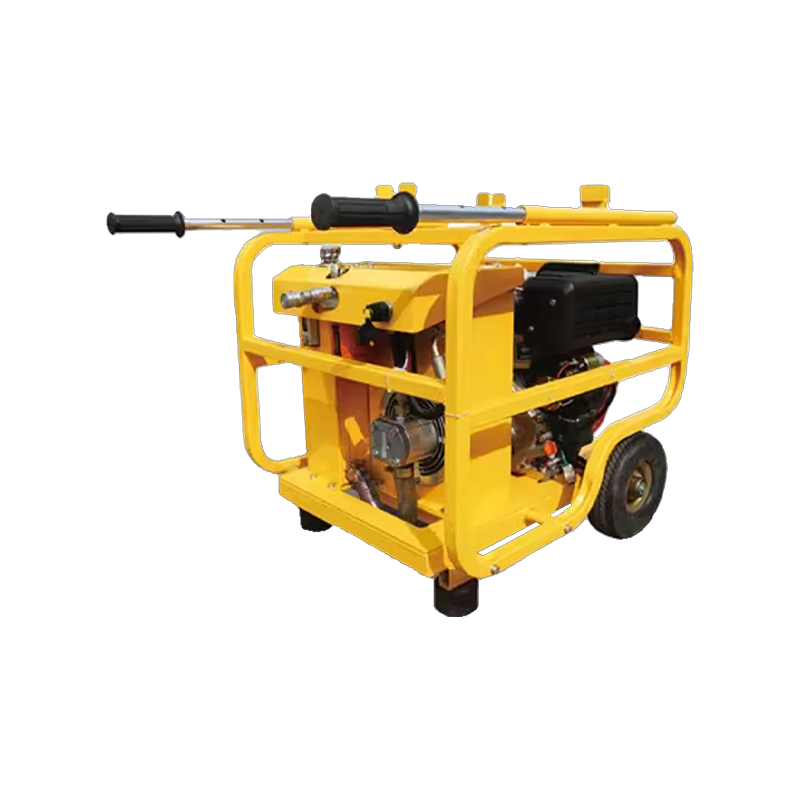

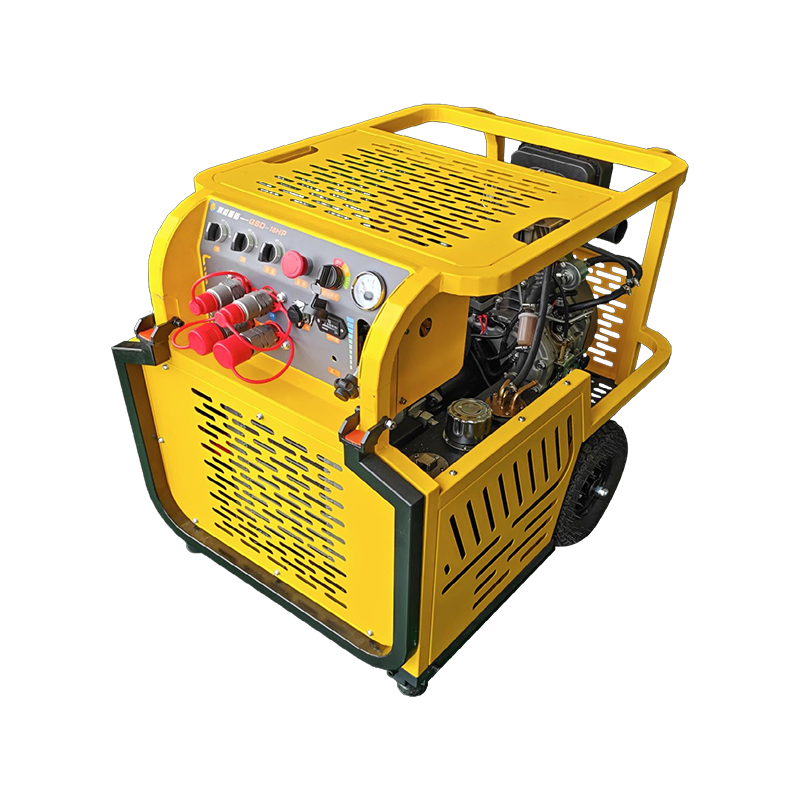
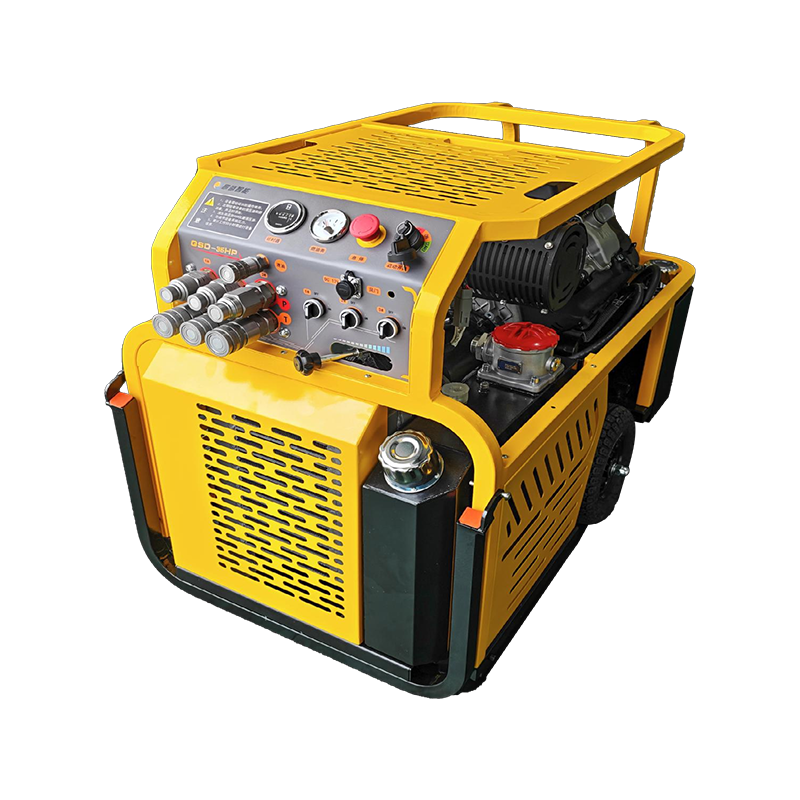
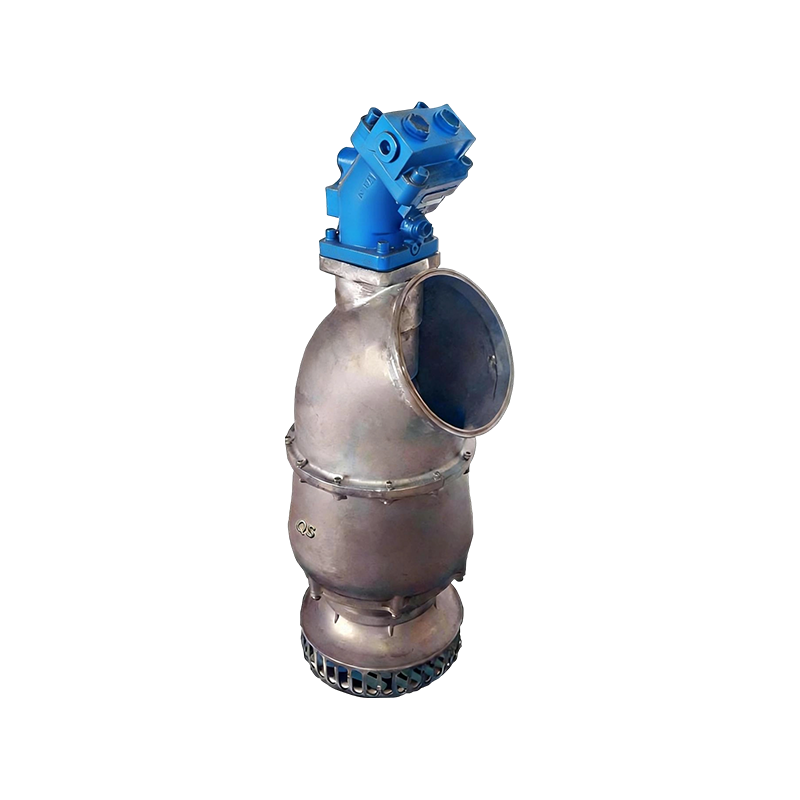
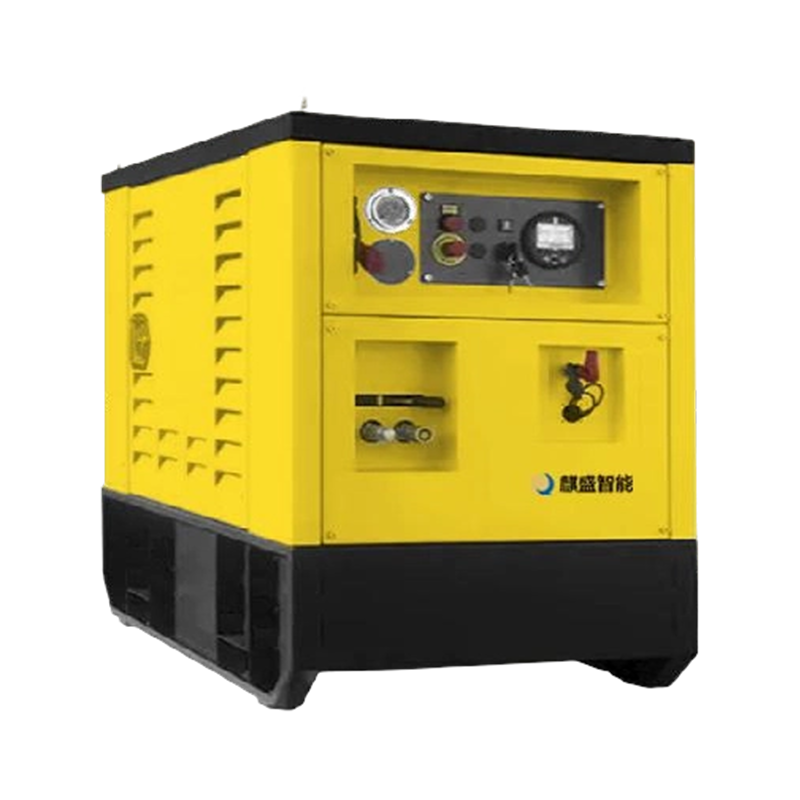
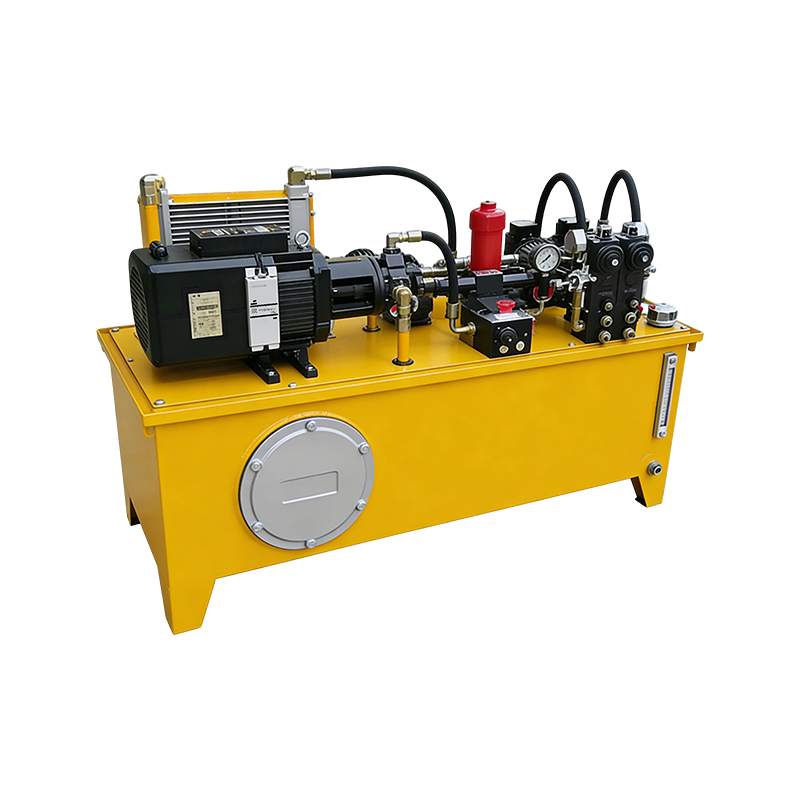
Hydraulic Power Pack for Dredging
Hydraulic power unit configured to drive dredge pumps, cutter heads, and winch systems in sand, silt, and sediment removal operations where high torque and continuous duty are required
Dredging places different demands on a hydraulic power unit than dewatering or drainage work. The driven equipment typically includes a dredge pump handling high-density slurry, a cutter head requiring high torque at low speed, and winch or ladder systems that need controlled holding force. These duties call for sustained pressure, thermal stability under continuous load, and hydraulic motor matching based on torque rather than flow alone. The power unit must also tolerate dust, sand, and vibration at the pontoon or bank position, and its hydraulic circuit must be configured so that the dredge pump and cutter head can be operated without one duty starving the other. The unit described here is specified for these conditions and is intended for buyers configuring dredging equipment, dredge pump packages, or cutter suction arrangements.
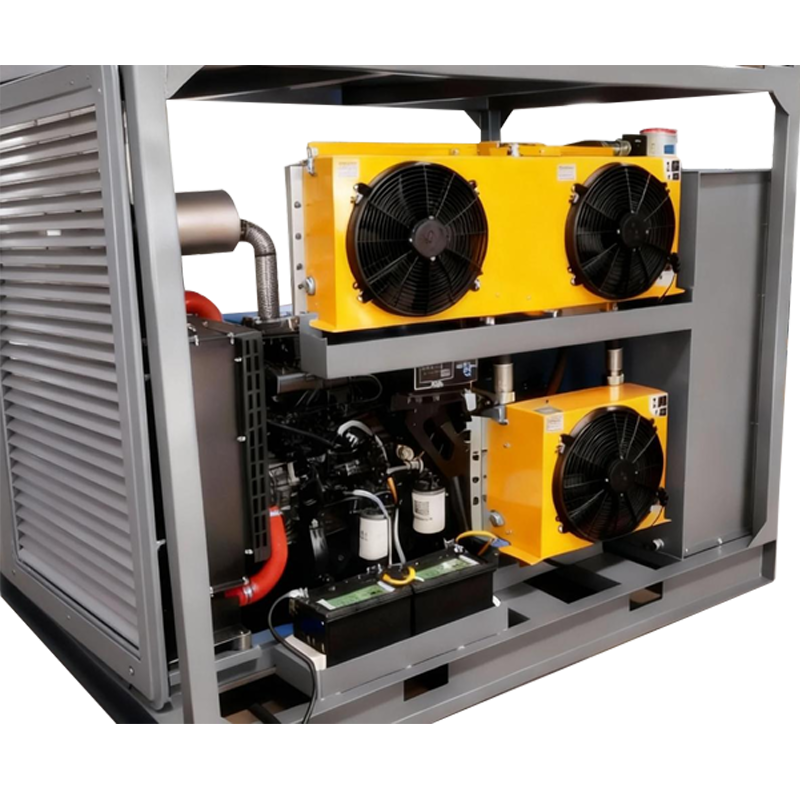
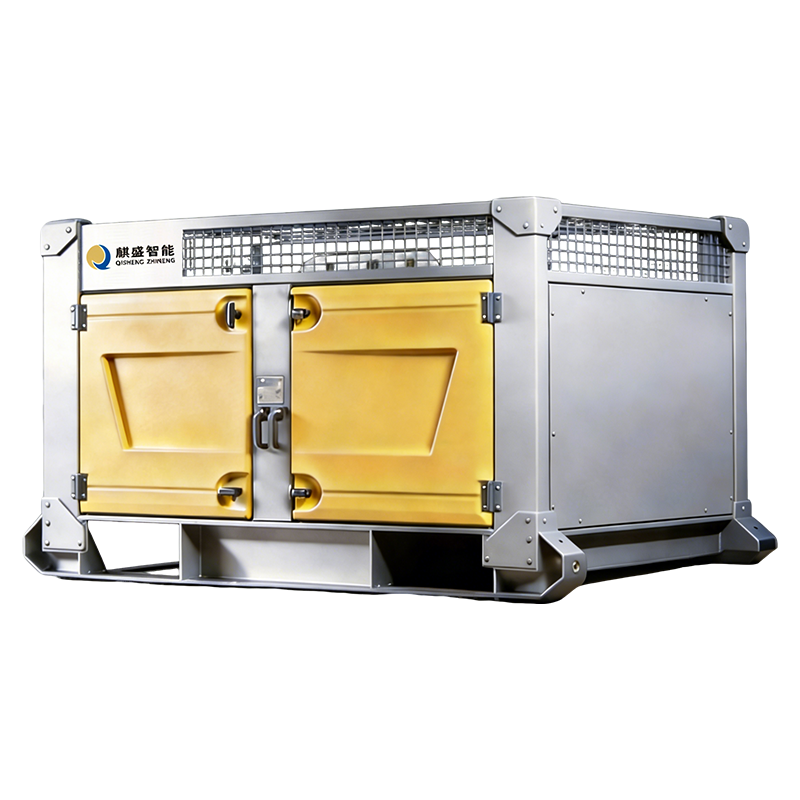
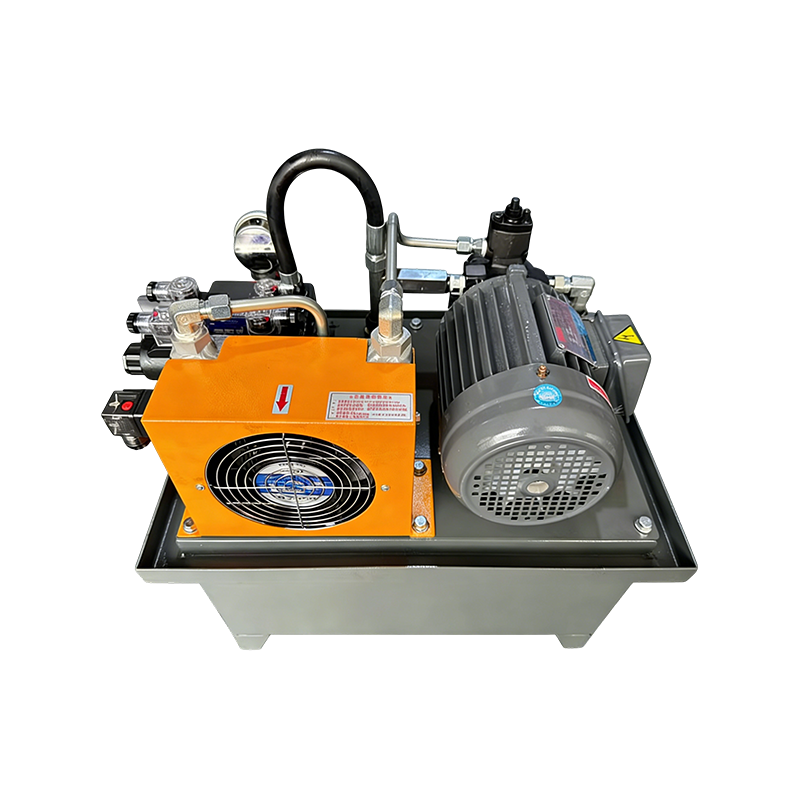
The Hydraulic Power Pack for Dredging is a diesel-driven hydraulic power unit built to supply dredge pumps, cutter heads, and winch systems in sediment removal operations. The unit pairs a water-cooled 18.5 kW diesel engine with a variable-displacement axial piston pump delivering 45 L/min at 250 bar, and includes a 28-litre reservoir with both return-line and kidney-loop filtration plus a thermostatic oil cooler to hold oil temperature under continuous load. Three sets of high-pressure flat-face couplers allow the dredge pump circuit, cutter head circuit, and a winch or auxiliary circuit to be connected without repeated hose changes. The frame is a steel skid with lifting eyes and forklift pockets, reflecting the handling conditions at a dredging pontoon or bank position. The unit is intended for buyers specifying dredging equipment packages, dredge pump drives, or cutter suction arrangements, and for operators replacing aging hydraulic power sources on existing dredging plant.
Matching is based on the hydraulic motor specifications of the dredge pump and cutter head, including displacement, required torque, and operating speed. The pump displacement and relief setting are selected so the available flow and pressure produce the required motor torque and speed for each circuit. Buyers should provide both motor specifications at inquiry stage. If the motors are already installed on existing plant, the motor nameplate data and any known torque requirements should be supplied.
Simultaneous operation depends on the combined flow demand of the two circuits. If both motors require full flow at the same time, the total may exceed the unit's 45 L/min output, in which case a flow-sharing arrangement or a larger power unit is required. Buyers should state the intended operating combination and the flow demand of each circuit, so the configuration can be confirmed before shipment.
The unit uses a 10-micron return-line filter for main circuit protection and a 3-micron kidney-loop filter for continuous oil polishing. This dual-stage arrangement is intended for dredging environments where fine sand and silt are present. Buyers should confirm the replacement interval for filter elements based on operating hours, and hold spare elements so that filtration is not interrupted during a dredging campaign.
A thermostatic oil cooler and a 28-litre reservoir are specified to hold oil temperature under sustained pressure. The cooler activates as oil temperature rises, and the reservoir volume provides thermal mass for load variations during the shift. Buyers should confirm the ambient temperature at the site and the airflow available around the unit, as restricted airflow or high ambient temperature may require additional cooling capacity.
The unit can be specified as a replacement power source provided the existing dredge pump and cutter head motor specifications are available. Buyers should provide motor displacement, required torque and speed, coupler type, and hose connection arrangement. Where the existing coupler standard differs, alternative couplers can be specified at order stage. The frame dimensions and lifting points should also be checked against the space available on the existing pontoon or platform.
Runtime depends on engine load, which in turn depends on the number of circuits in operation and the pressure at which they run. The fuel tank capacity and consumption figures should be confirmed for the specific engine configuration at order stage, since dredging duty varies considerably between light silt removal and heavy sand or gravel work. Buyers should plan refuelling arrangements for the shift pattern at the site.
A complete inquiry should include: the dredge pump motor and cutter head motor specifications, including displacement, required torque, and speed; whether the circuits operate simultaneously; the winch or auxiliary functions to be connected; the material being dredged, including density and abrasive content; the ambient temperature and operating hours per shift; the lifting and handling arrangements at the site; the coupler type and hose length required; and whether the unit is for new plant or replacement on existing equipment.