
 English
 русский

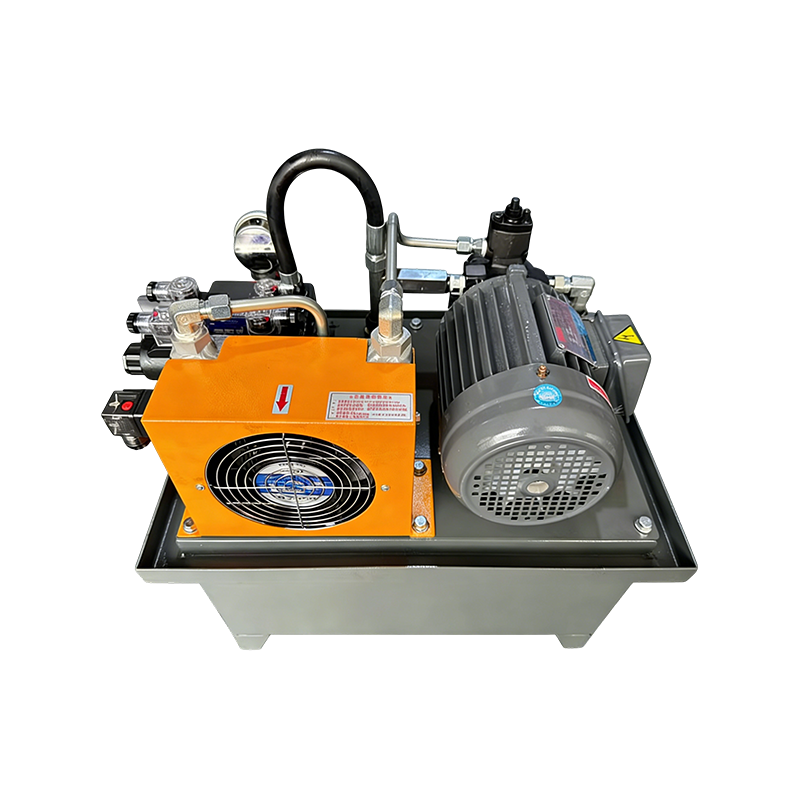
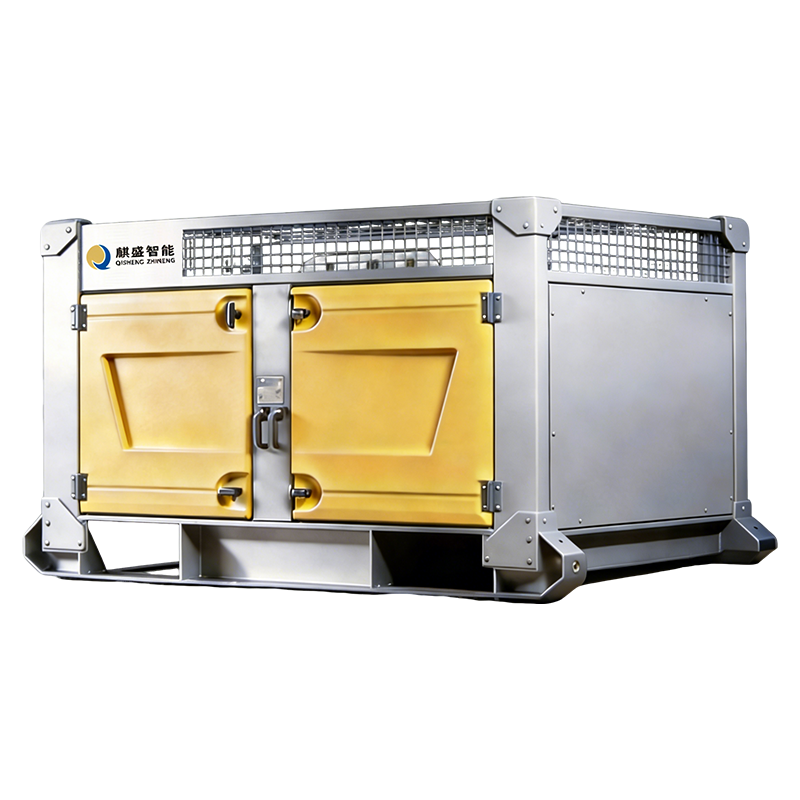
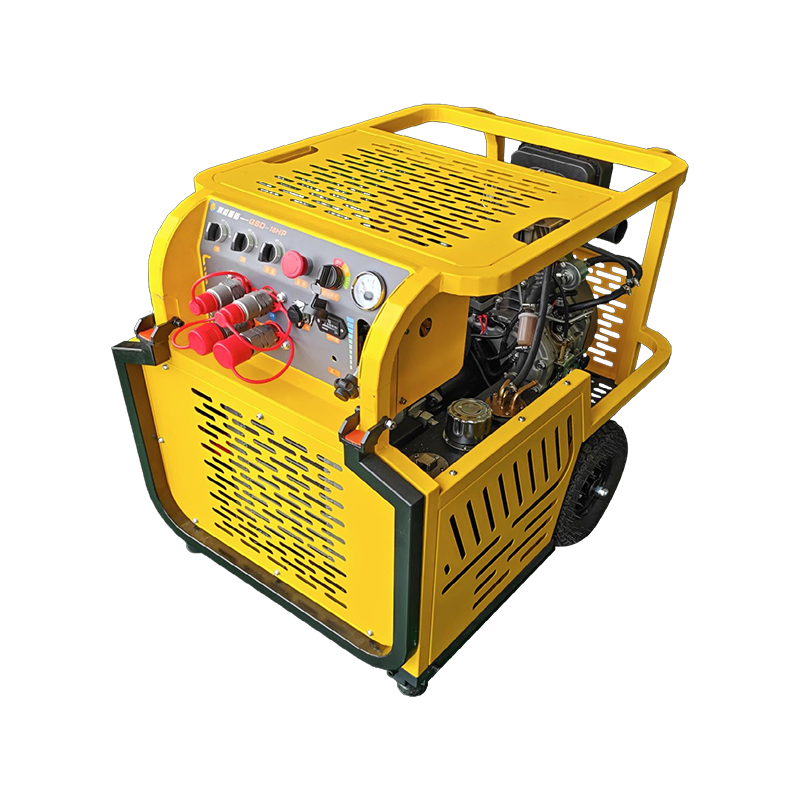
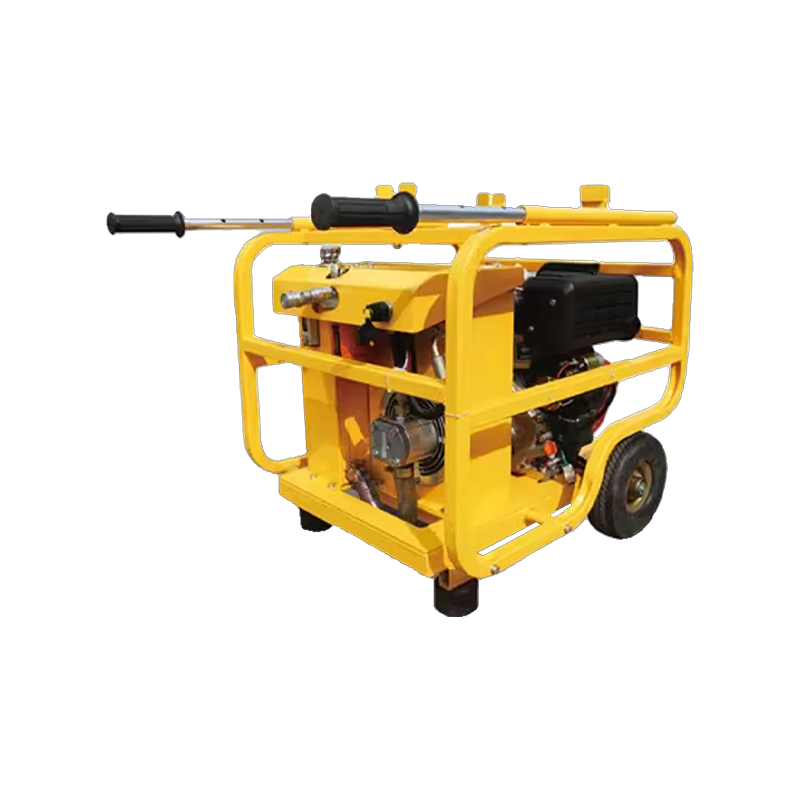
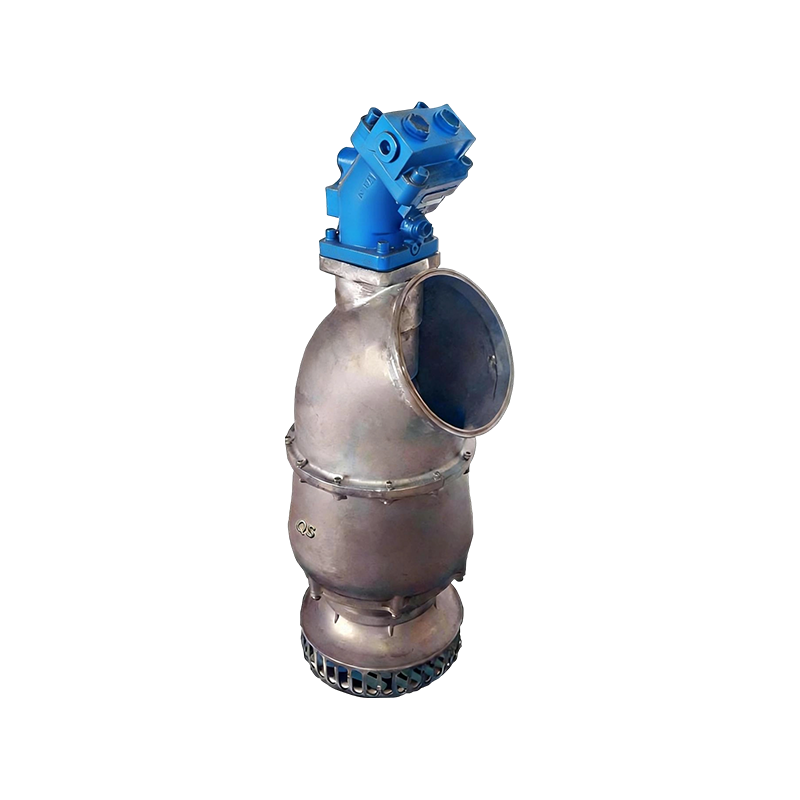
Hydraulic Power Unit for Rescue Equipment
Hydraulic power unit configured to drive rescue spreaders, cutters, rams, and lifting bags where rapid deployment and dependable pressure supply are critical
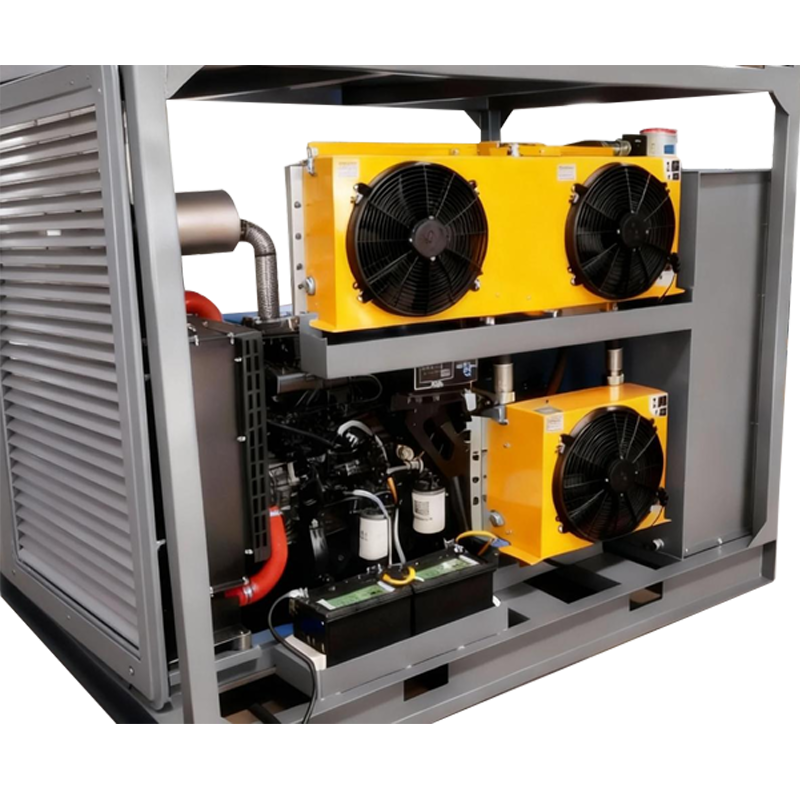
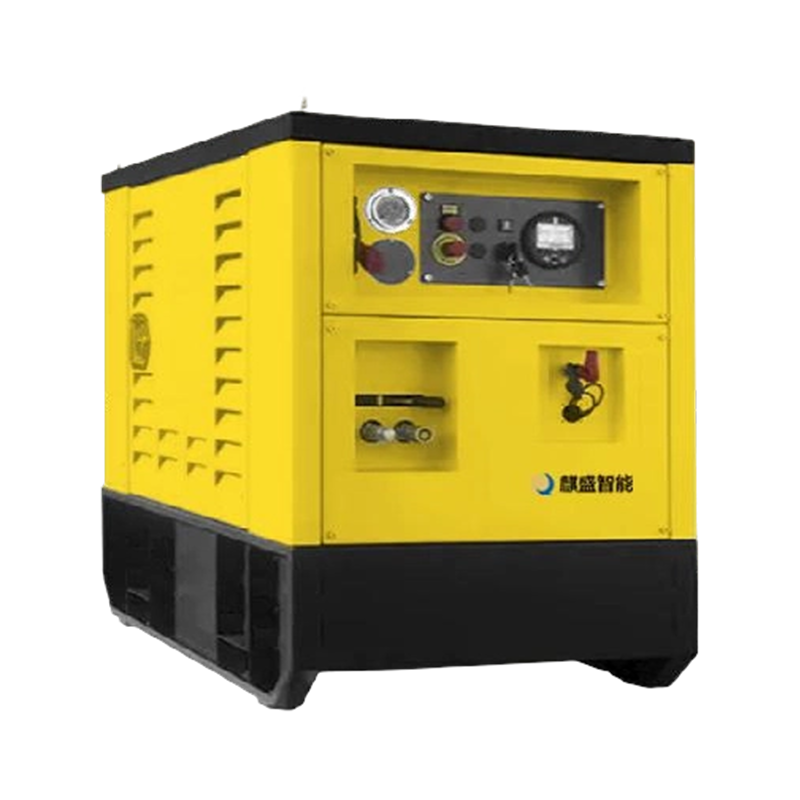
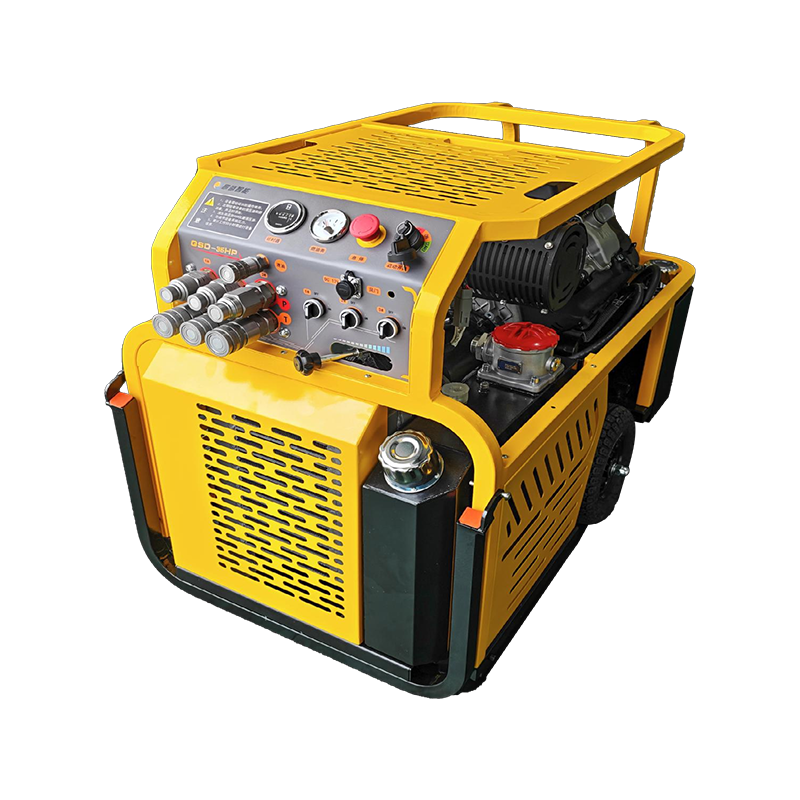
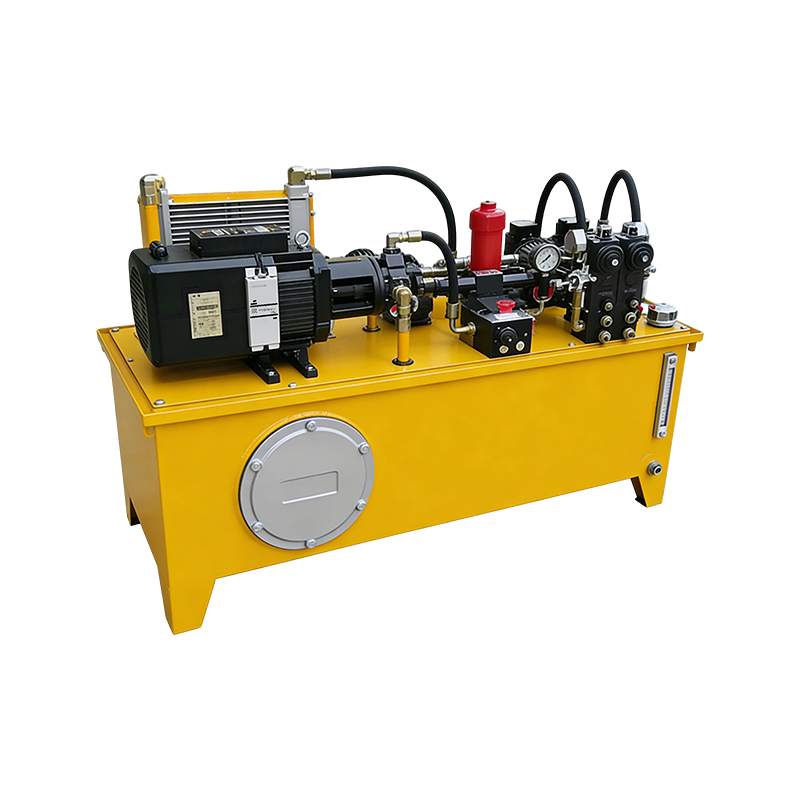
The Hydraulic Power Unit for Rescue Equipment is a hydraulically driven power source configured to supply rescue spreaders, cutters, rams, and lifting bags during emergency operations. The unit integrates a 7.5 kW gasoline engine with a variable-displacement hydraulic pump rated at 28 L/min and 210 bar, a 10-litre reservoir with 10-micron filtration, and two sets of flat-face quick couplers matched to common rescue tool connections. The engine drive removes dependence on mains electricity or vehicle power, allowing the unit to be deployed at incident scenes where power infrastructure is unavailable or unsafe. The pressure-compensated pump maintains stable output as tool demand changes, and the compact frame with two-person carry handles allows the unit to be positioned close to the working area. The unit is suited to procurement by fire services, civil defense agencies, and rescue equipment distributors requiring a standalone power source for hydraulic rescue tooling.
The unit supplies 28 L/min at 210 bar, which suits hydraulic spreaders, cutters, rams, cylinders, lifting bags, and combi-tools operating within that flow and pressure range. Couplers are matched to the agency's tool connections at order stage. Buyers should provide the tool inventory, including coupler type and flow requirement for each tool, so compatibility can be confirmed before shipment.
The unit has two sets of flat-face couplers, allowing two tools to be connected. However, the combined flow demand must not exceed the rated 28 L/min. If both tools require full flow simultaneously, a flow divider may be needed to maintain stable operation of each tool. Buyers intending to connect two tools should confirm the flow requirement of each so the arrangement can be specified.
The unit uses a recoil start with decompression, so it can be started without an external power source. Starting time depends on the engine condition, fuel supply, and ambient temperature. With matched couplers, connecting tools takes under two minutes. Total time from arrival to tool operation depends mainly on positioning the unit and routing hoses to the working area, and crews should be trained on the specific starting and connection procedure.
The 4.5-litre fuel tank provides approximately 2.5 hours at rated load, depending on engine load and operating conditions. Because the pump is pressure compensated, fuel consumption falls when tools are idle or holding pressure, and runtime can extend beyond this figure in intermittent use. Agencies should confirm refuelling arrangements for extended operations.
For units in standby, run the engine briefly at defined intervals to confirm starting and hydraulic output. Check engine oil level, fuel condition, and hydraulic oil level, and inspect hoses and couplers for damage or leakage. Replace filters and hydraulic oil according to the maintenance schedule. Agencies should confirm the recommended standby interval and hold spare filters, spark plugs, and hydraulic oil for routine upkeep.
A complete inquiry should include: the rescue tools to be driven, with coupler type and flow requirement for each; whether two tools will be connected simultaneously; the required hose length and routing arrangement; whether the unit will be vehicle-mounted or carried separately; the expected standby and deployment pattern; and whether pressure test documentation is required for agency procurement. For fleet procurement, indicate the quantity and whether the specification must remain fixed across repeat orders.