 English
 русский
Qisheng
Qisheng
Qisheng
Qisheng
Qisheng
Qisheng
Qisheng
Qisheng
Qisheng
Table of Contents
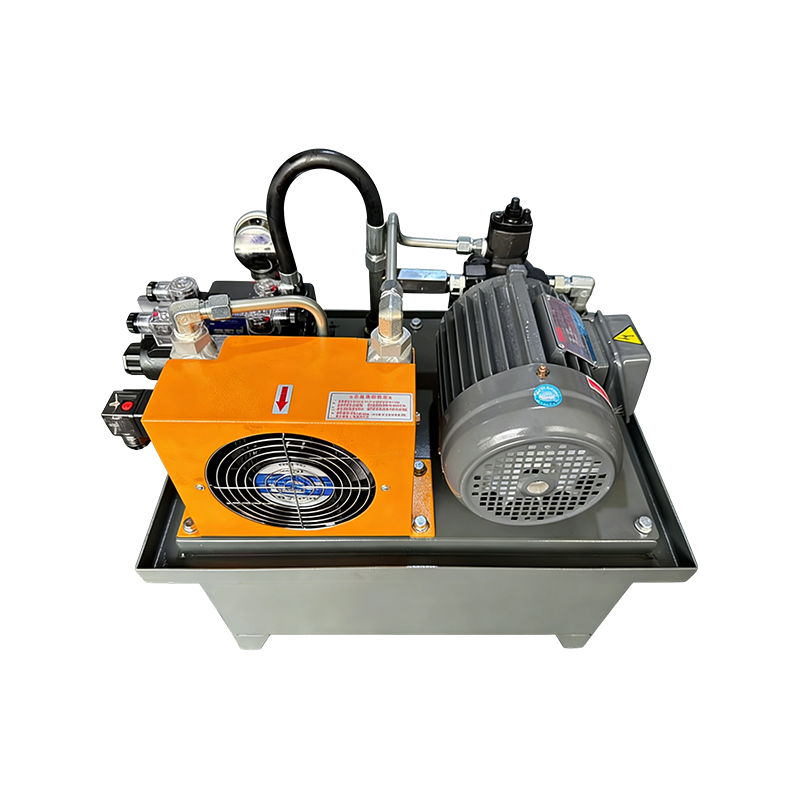
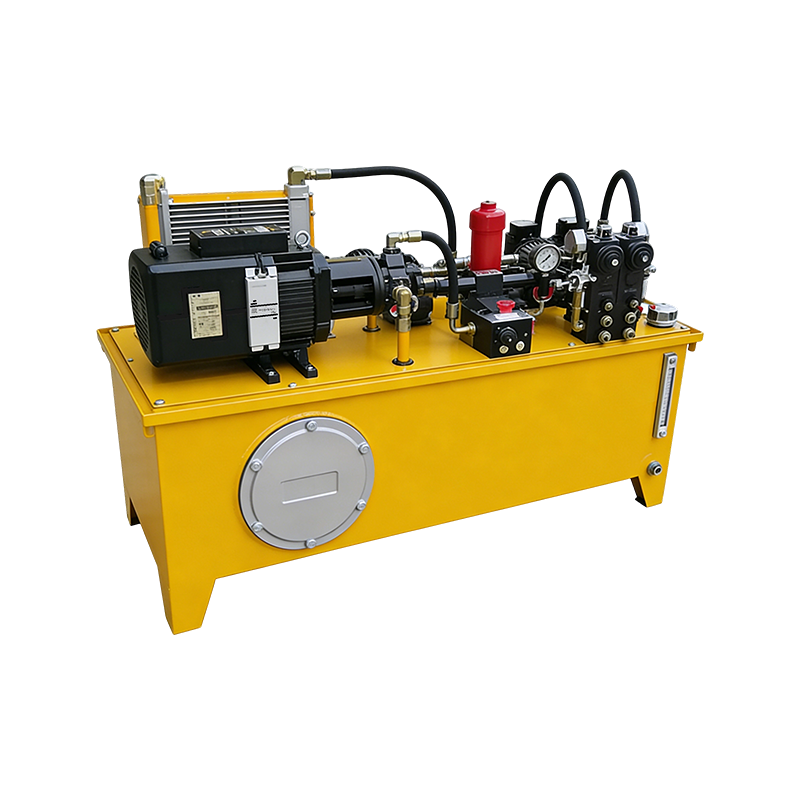
An electric hydraulic power pack is the heart of any electrically driven hydraulic system — combining a motor, pump, reservoir, and control valves into a self-contained unit that converts electrical energy into controlled fluid power. Getting the specification right determines whether a system runs reliably for 20,000 hours or fails within months. This guide works through the four engineering decisions that matter most: how to size the unit, what pressure range to expect, which motor type to specify, and how to compare hydraulic power units for your exact application.
700 bar
Maximum pressure in high-force industrial packs
0.37–75 kW
Typical motor power range for standard units
90%+
Efficiency of modern variable-displacement piston pumps
How to Size a Hydraulic Power Pack Correctly
Sizing a hydraulic power pack begins with two non-negotiable inputs: the required flow rate (L/min) and the system operating pressure (bar). Every other specification — motor power, reservoir volume, pump displacement — follows from these two figures.
1
Calculate required flow rate
Flow rate (Q) equals actuator volume divided by the desired cycle time. For a hydraulic cylinder with a 50 mm bore and 300 mm stroke completing one cycle in 10 seconds: Q = (pi x 0.025² x 0.3) / 10 = 0.589 L/min. Always add 15–20% for internal leakage and system losses.
2
Determine system pressure
System pressure equals the maximum load force divided by the actuator effective area. A 50 kN force on a 50 mm bore cylinder requires 25.5 MPa (255 bar). Add 10–15% for pressure drops across valves, fittings, and hose runs before selecting pump rated pressure.
3
Calculate motor power
Motor power (kW) = (flow in L/min x pressure in bar) / 600. For 10 L/min at 200 bar: P = (10 x 200) / 600 = 3.33 kW. Divide by pump efficiency (typically 0.85–0.92) to get the shaft power requirement: 3.33 / 0.88 = 3.78 kW. Select the next standard motor size above this figure.
4
Size the reservoir
The standard rule of thumb is reservoir volume (litres) = 3 to 5 times the pump flow rate per minute. A 10 L/min pump requires a 30–50 L reservoir for adequate thermal management. Applications with high duty cycles or elevated ambient temperatures should target the upper end of this range.
Definition
An electric hydraulic power pack is a self-contained fluid power unit that integrates an electric motor, hydraulic pump, fluid reservoir, pressure relief valve, and directional control valves into a single assembly — delivering controlled hydraulic flow and pressure to actuators without the need for external power transmission components.
What Pressure Does a Hydraulic Power Pack Deliver
Hydraulic power packs span a wide pressure range depending on application category. Light-duty units for automotive lifts and workshop equipment typically operate at 150–250 bar. Industrial presses, construction equipment, and offshore systems run at 300–700 bar using high-pressure piston pump configurations.
| Application Category | Typical Pressure Range | Pump Type | Flow Range |
| Workshop / vehicle lifts | 150–250 bar | Gear pump | 2–15 L/min |
| Industrial machinery | 200–350 bar | Vane or piston pump | 10–100 L/min |
| Heavy press / forming | 300–500 bar | Axial piston pump | 20–200 L/min |
| Offshore / subsea tools | 500–700 bar | Radial piston pump | 5–50 L/min |
| Rescue / portable tools | 700–720 bar | High-pressure piston pump | 0.5–4 L/min |
The pressure relief valve — factory set to the system design pressure — is the critical safety component that prevents overpressure damage. It must be set no higher than 110% of the maximum working pressure of the weakest component in the circuit. Under-setting the relief valve wastes power through continuous bypass; over-setting it creates structural risk in hoses, fittings, and actuator seals.
Which Motor Type Suits an Electric Hydraulic Power Pack
Motor selection determines starting behavior, duty cycle capability, speed control flexibility, and total energy cost over the unit's service life. Three motor types are used in the majority of hydraulic power pack installations.
AC Induction Motor
Most Common
- Fixed speed (1,450 or 2,900 rpm at 50 Hz)
- Robust, low maintenance, low cost
- Standard for intermittent duty cycles
- Requires star-delta or soft starter above 4 kW
- IE3 efficiency class standard in EU markets
AC Inverter-Driven (VFD) Motor
Energy Optimized
- Variable speed matched to demand
- Reduces energy use by 30–50% on variable-load systems
- Eliminates inrush current on start
- Requires VFD-rated motor windings
- Best for 24/7 duty or pressure-on-demand systems
DC Motor (Brush or Brushless)
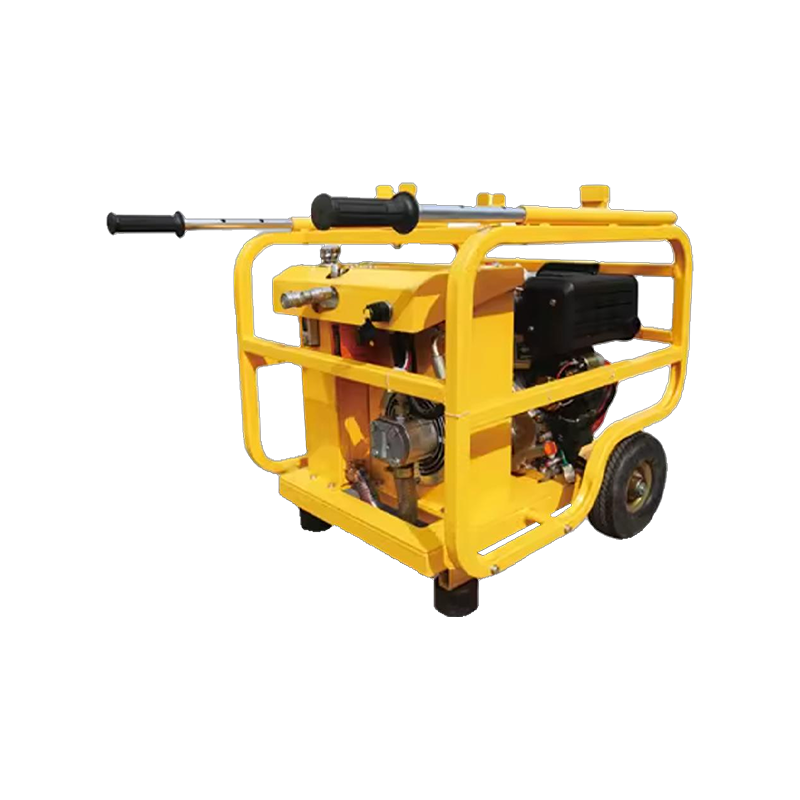
Portable / Battery
- 12V, 24V, or 48V DC supply
- Used in mobile, vehicle-mounted, and battery-powered packs
- Brushless DC (BLDC) offers 90%+ efficiency
- Compact and lightweight for portable applications
- Duty cycle limited by battery capacity and thermal rating
How to Choose a Hydraulic Power Unit for Your Application
Choosing the right electric hydraulic power pack for a specific application comes down to matching six parameters to the operating requirements. Units that meet all six criteria will perform reliably within their service interval; units that miss even one become the weakest point in the entire hydraulic circuit.
Flow Rate
Match pump output to actuator speed requirements. Excess flow wastes energy through the relief valve; insufficient flow extends cycle times and reduces productivity.
Pressure Rating
Select a unit rated at least 15% above calculated system pressure. Never operate a pack continuously at its maximum rated pressure — design the system so normal operating pressure is 80–85% of the pump's rated limit.
Duty Cycle
Intermittent duty (S2 or S3 per IEC 60034) suits presses and actuators that load and unload. Continuous duty (S1) is required for conveyors, clamps, and systems where the pump runs without a rest period.
Fluid Compatibility
Standard units use ISO VG 46 mineral oil. Food-grade, fire-resistant (HFA, HFB, HFC, HFD), or biodegradable fluid applications require compatible seals, coatings, and pump materials specified at the time of order.
Mounting Configuration
Horizontal tank units suit fixed installations with ample floor space. Vertical tank units save footprint. L-bracket and subplate-mounted compact packs are used in machine-integrated and mobile applications where overall envelope is critical.
Control Valve Integration
Determine whether solenoid-operated directional control valves, manual levers, or proportional valves are needed at the power pack level. Pre-integrated valve manifolds reduce plumbing complexity and contamination risk compared to separate component assemblies.