 English
 русский
Qisheng
Qisheng
Qisheng
Qisheng
Qisheng
Qisheng
Qisheng
Qisheng
Qisheng
Table of Contents
Large-scale hydraulic power units are the driving force behind heavy machinery across steel plants, mining operations, marine vessels, and construction equipment, converting mechanical or electrical input into the pressurized fluid power that moves cylinders, motors, and actuators under extreme load. For OEM buyers and industrial operators, selecting the right power unit configuration directly affects system reliability, energy efficiency, and long-term maintenance cost. This guide covers the unit types available, the heavy-duty applications they serve, the performance properties worth evaluating during sourcing, and the design considerations that keep a hydraulic circuit running safely under continuous industrial demand.
Types of Large-Scale Hydraulic Power Units
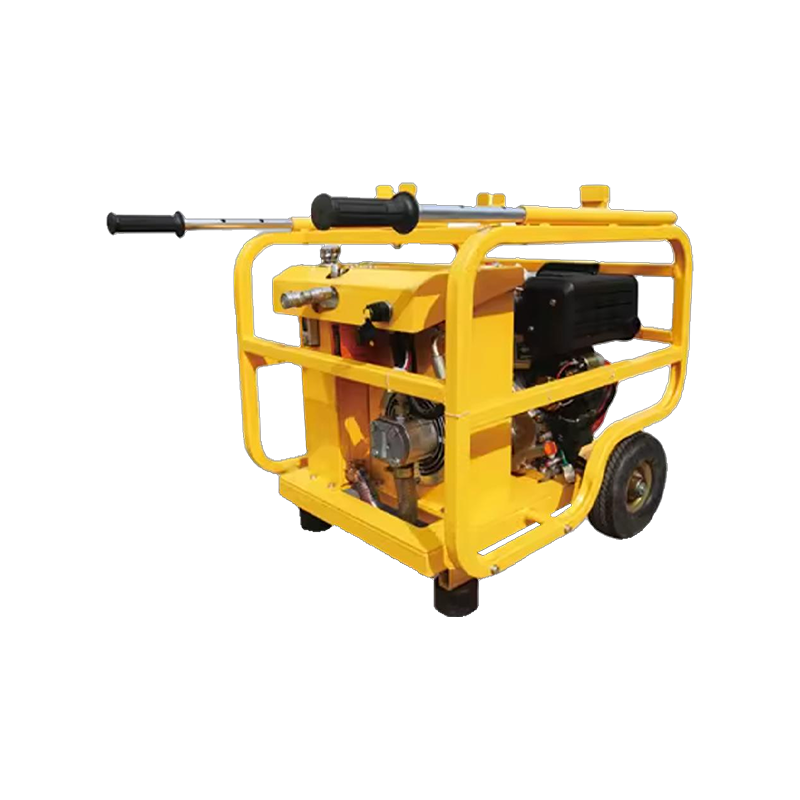
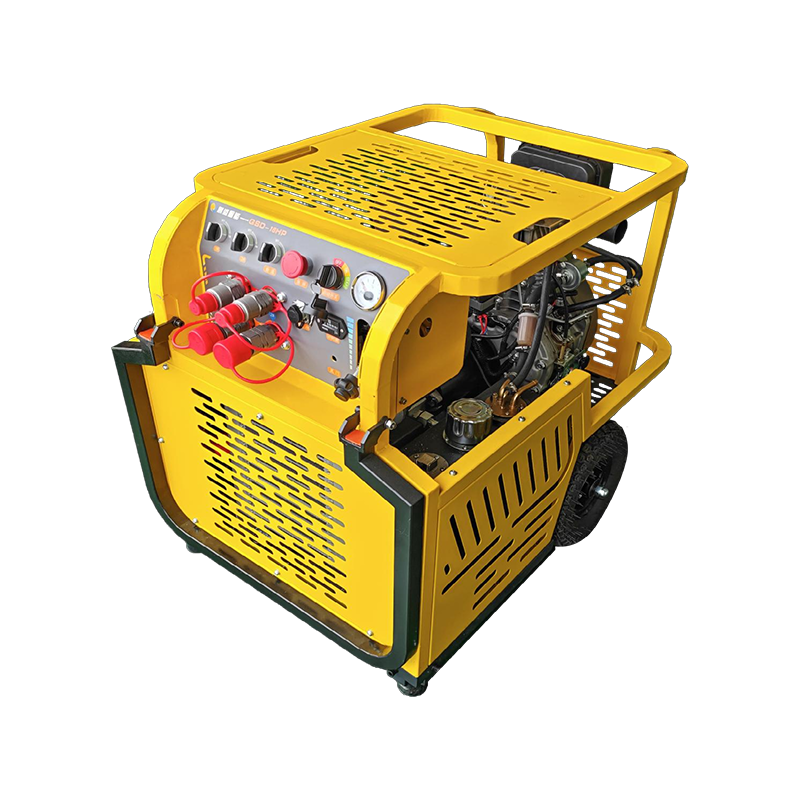
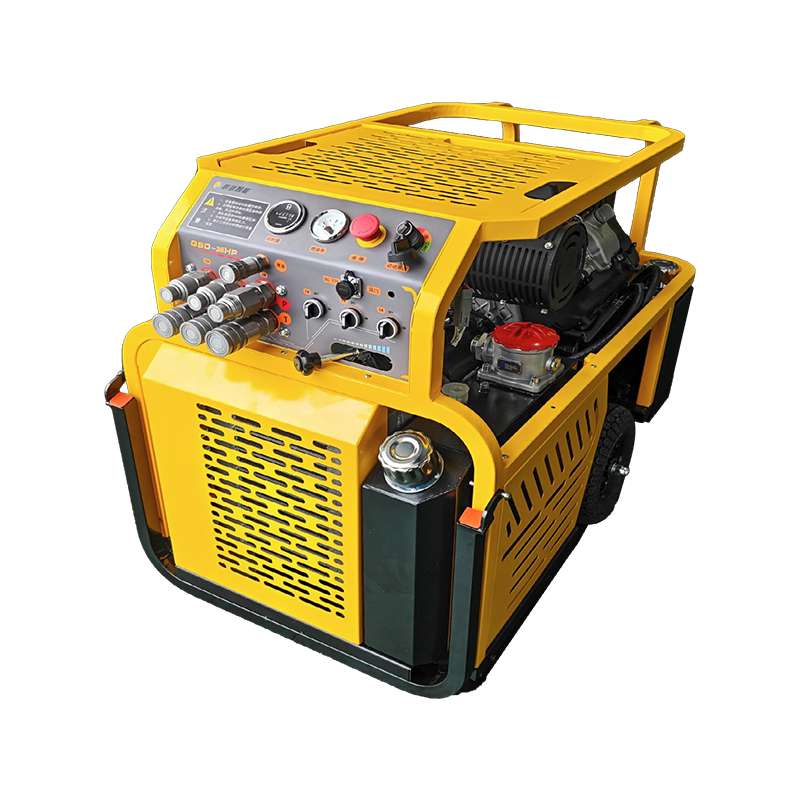
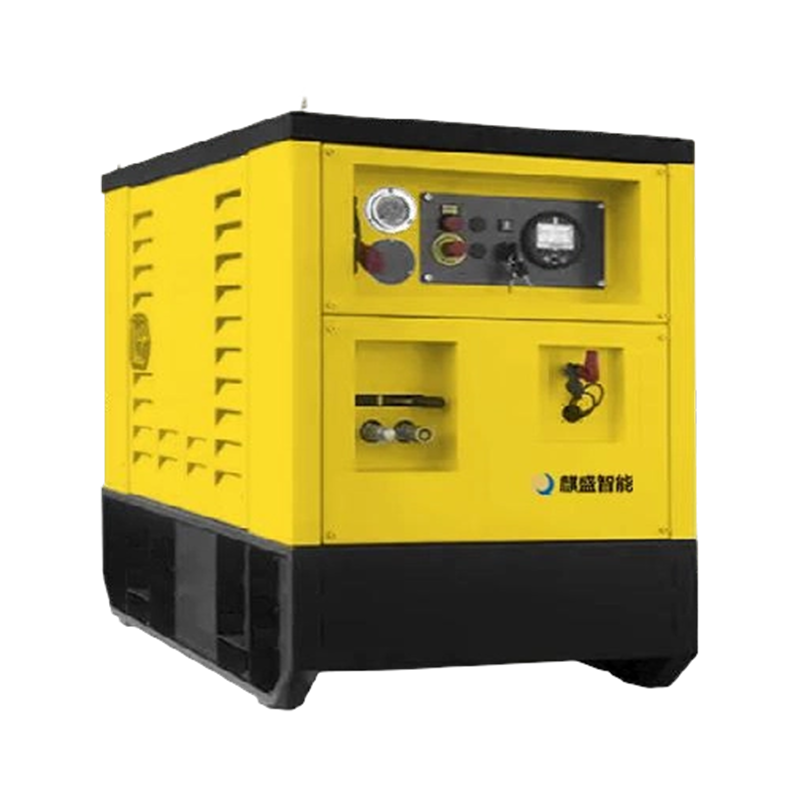
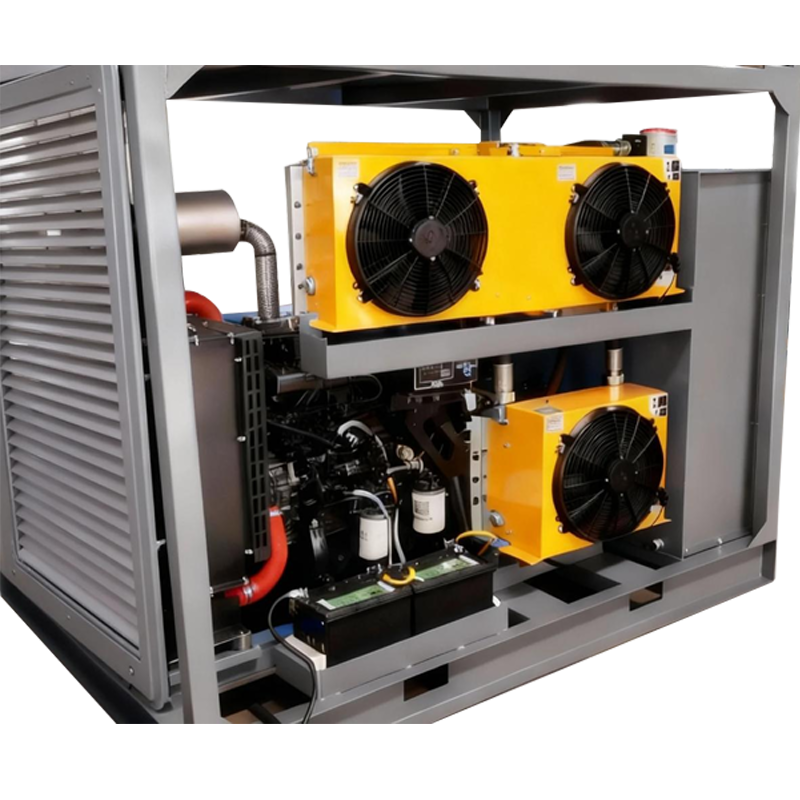
Large-scale hydraulic power units are built around a core architecture of pump, motor, reservoir, and valve assembly, but the specific configuration varies significantly depending on power source, control complexity, and the physical footprint available at the installation site. An industrial hydraulic power pack typically integrates all core components into a single skid-mounted or enclosed unit, simplifying installation and maintenance access compared to systems with dispersed components.
The most fundamental branch point in unit selection is power source. An electric driven hydraulic power unit uses an electric motor to drive the pump, offering quieter operation, lower emissions, and generally simpler integration with facility power infrastructure, making it the standard choice for indoor industrial settings such as steel plants and manufacturing lines. A diesel hydraulic power unit, by contrast, provides power independence from grid electricity, which is essential for mobile or remote applications such as mining sites and construction equipment operating away from fixed infrastructure.
Electric Driven
- Lower noise and emissions profile
- Simpler integration with facility power
- Preferred for indoor industrial settings
- Lower operating cost where grid power is stable
VS
Diesel Driven
- Independent of grid electricity supply
- Suited to remote and mobile applications
- Common on mining and construction sites
- Requires fuel logistics and emissions controls
A high pressure hydraulic unit is engineered for applications demanding significant force output from a compact cylinder or actuator footprint, common in heavy press equipment and structural handling systems. A modular hydraulic power system takes a different approach entirely, building capacity from standardized component blocks that can be scaled up, reconfigured, or serviced independently, which appeals to operators managing multiple installations who want to standardize spare parts and maintenance procedures across their equipment fleet.
Reservoir capacity and configuration also factor into unit selection, since larger reservoirs allow hydraulic fluid more time to cool and settle before recirculating through the pump, which improves both thermal management and contamination control in continuous duty applications. Buyers sourcing units for high-cycle or high-heat environments should treat reservoir sizing as a meaningful specification rather than an incidental detail, since undersized reservoirs are a common root cause of premature overheating in field installations.
Applications of Large-Scale Hydraulic Power Units
Large-scale hydraulic power units serve as the mechanical backbone across some of the most demanding industrial environments, and the specific application shapes which performance characteristics matter most. Heavy machinery systems, including large presses, forming equipment, and material handling systems, depend on hydraulic power units for the precise, high-force actuation that electric motors alone cannot efficiently deliver at comparable scale.
A hydraulic power unit is defined as a self-contained system that generates, regulates, and delivers pressurized hydraulic fluid to power cylinders, motors, and actuators throughout a connected machine or fleet of equipment.
Steel plant equipment represents one of the most demanding application environments, where hydraulic power units operate continuously under high thermal loads and must maintain consistent pressure output to support rolling mills, continuous casting equipment, and material handling systems that cannot tolerate unplanned downtime without significant production losses. The combination of heat, dust, and continuous duty cycles in this environment places particular emphasis on cooling system design and filtration reliability.
Marine hydraulic systems face a distinct set of environmental demands, operating in corrosive salt air conditions while powering steering gear, winches, and deck machinery aboard vessels where system failure carries safety implications beyond simple production loss. Mining equipment hydraulics must withstand constant vibration, dust ingress, and remote operating conditions where service access is limited, making component durability and extended maintenance intervals especially valuable design priorities.
- Heavy machinery: presses, forming equipment, and material handling systems
- Steel plants: rolling mills and continuous casting support systems
- Marine vessels: steering gear, winches, and deck machinery
- Mining equipment: excavators, crushers, and haul truck hydraulics
- Construction machinery: cranes, excavators, and heavy lifting systems
Construction machinery power systems round out the major application categories, where hydraulic power units must deliver reliable performance across a wide range of ambient conditions and duty cycles, from continuous operation on active job sites to intermittent use during specific lifting or excavation tasks. Across every one of these environments, matching unit capacity and configuration to the actual duty cycle and environmental exposure of the application is what separates a system built for reliable long-term operation from one prone to premature component wear.
Cross-industry sourcing patterns also matter for buyers managing equipment across multiple sectors, since a hydraulic power unit specified for one application category can often be adapted for another with appropriate configuration changes rather than requiring an entirely different product line. Suppliers capable of supporting this kind of platform flexibility, while still meeting the specific pressure, flow, and environmental requirements of each application, offer meaningful value to buyers standardizing procurement across diverse equipment fleets.
Key Performance Properties Buyers Should Evaluate
Specifying a hydraulic power unit correctly requires evaluating several interconnected performance properties rather than focusing on a single headline specification. Four factors deserve particular attention: hydraulic pressure capacity, flow rate stability, cooling system efficiency, and pump efficiency rating.
Hydraulic pressure capacity determines the maximum force a system can deliver to its connected actuators, and this rating must be matched not just to the peak load requirement but to how frequently the system operates near that peak, since units running consistently near their maximum rated pressure experience accelerated component wear compared to those with reasonable operating margin built in.
| Property | What It Affects | Buyer Consideration |
| Pressure Capacity | Maximum force delivered to actuators | Match to peak load with adequate margin |
| Flow Rate Stability | Actuator speed consistency under load | Critical for precision-controlled operations |
| Cooling Efficiency | Fluid temperature and viscosity control | Directly tied to continuous duty reliability |
| Pump Efficiency | Energy consumption per unit of output | Affects long-term operating cost |
Flow rate stability governs how consistently the system delivers hydraulic fluid volume to connected actuators, which directly affects actuator speed control and repeatability. Applications requiring precise, coordinated movement, such as synchronized press operations or positioning systems, are particularly sensitive to flow rate variation, since inconsistent flow translates directly into inconsistent actuator motion.
Cooling system efficiency becomes increasingly important as system duty cycle and ambient temperature increase, since hydraulic fluid that runs too hot loses viscosity and lubricating properties, accelerating wear on pumps, valves, and seals throughout the system. Units specified for continuous duty applications in hot environments, such as steel plants, generally require more robust cooling capacity than units intended for intermittent use in temperature-controlled indoor settings.
Pump efficiency rating reflects how effectively the unit converts input power into usable hydraulic output, with higher efficiency translating directly into lower energy costs over the system's operating life. Because large-scale hydraulic power units typically run for extended periods across years of service, even modest efficiency differences between competing units can produce a meaningful difference in total operating cost once compounded across the system's full service life.
These four properties do not operate independently of one another in practice. A unit with strong pressure capacity but inadequate cooling efficiency will still experience accelerated wear under sustained load, while a highly efficient pump paired with poor flow stability will still produce inconsistent actuator performance. Buyers evaluating competing quotes benefit from requesting performance data across all four properties together rather than comparing units on a single headline specification, since an incomplete comparison can obscure meaningful differences in real-world reliability.
System Design and Operational Considerations
Understanding how a large-scale hydraulic power unit actually operates helps buyers evaluate system design quality and anticipate maintenance requirements before installation. At its core, the unit draws hydraulic fluid from a reservoir, pressurizes it through a pump, and routes it through a network of valves and lines to deliver controlled force to connected actuators, with fluid returning to the reservoir to complete the circuit.
Reservoir & Filtration
Fluid stored and filtered to remove contaminants before entering the pump
Pump & Pressurization
Mechanical or electric drive pressurizes fluid to system requirements
Valve Control
Directional and pressure control valves route flow to actuators
Cooling & Return
Fluid cooled and returned to reservoir to complete the circuit
Hydraulic circuit design determines how efficiently the system routes fluid between components, with poorly designed circuits introducing unnecessary pressure drops, turbulence, or heat generation that reduce overall system efficiency. Oil filtration system quality is equally critical, since contaminated hydraulic fluid is one of the leading causes of premature pump and valve wear, making filtration specification a detail worth close attention rather than an afterthought during system design.
Cooling and heat dissipation strategy needs to match the unit's expected duty cycle and ambient operating environment, with options ranging from simple air-cooled heat exchangers to more robust liquid cooling systems for continuous high-load applications. Control valve integration determines how precisely and responsively the system can be operated, with more sophisticated valve arrangements enabling finer control over actuator speed and positioning at the cost of additional system complexity and component count.
Serviceability is a related design consideration that is often underweighted during initial specification but becomes significant over the equipment's operating life. Units designed with accessible service points for filter changes, valve inspection, and fluid sampling reduce both the time and the risk associated with routine maintenance, particularly in installations where the power unit is integrated into a larger machine and difficult to access once installed.
FAQ
What is a large-scale hydraulic power unit?
It is a self-contained industrial system that generates and delivers pressurized hydraulic fluid to power cylinders, motors, and actuators across heavy machinery, typically integrating a pump, motor, reservoir, and control valves into a single installation.
How does a hydraulic power pack work?
A pump driven by an electric motor or diesel engine pressurizes hydraulic fluid drawn from a reservoir, which is then routed through control valves to deliver force to connected actuators before returning to the reservoir to complete the circuit.
What industries use hydraulic power units?
Industries relying on hydraulic power units include steel manufacturing, mining, marine engineering, construction, and heavy equipment manufacturing, wherever high-force actuation is required beyond what standard electric motors can efficiently deliver.
What is the difference between a hydraulic pump and a power unit?
A hydraulic pump is a single component that pressurizes fluid, while a power unit is a complete system integrating the pump alongside a reservoir, motor, valves, and cooling components needed to deliver usable, controlled hydraulic power.
How to maintain a hydraulic power unit?
Routine maintenance typically includes fluid and filter inspection, checking for leaks or pressure irregularities, monitoring cooling system performance, and following the manufacturer's schedule for component inspection based on the unit's actual duty cycle.
How long do hydraulic systems last?
Service life depends heavily on duty cycle, fluid contamination control, and cooling system performance, since well-maintained systems operating within their rated capacity generally experience significantly longer service life than units run consistently near their maximum ratings.
Final Thoughts
Selecting the right large-scale hydraulic power unit requires balancing pressure capacity, flow stability, and cooling and pump efficiency against the specific duty cycle and environmental conditions of the intended application. Buyers who evaluate these performance properties alongside sound circuit design and filtration practices are best positioned to source systems that deliver reliable performance and manageable operating costs across years of demanding industrial service.