 English
 русский
Qisheng
Qisheng
Qisheng
Qisheng
Qisheng
Qisheng
Qisheng
Qisheng
Qisheng
Table of Contents
- 1 Hydraulic Drainage Pump Flow Rate Determines Job Speed
- 2 Hydraulic Drainage Pump Performance Under Real Site Conditions
- 3 Hydraulic Drainage Pump Durability in Abrasive and Submerged Conditions
- 4 Hydraulic Drainage Pump for Dewatering Mines, Tunnels, and Excavations
- 5 Hydraulic Drainage Pump Maintenance to Extend Service Intervals
- 6 Hydraulic Drainage Pump vs Electric Pump: Choosing the Right Power Source
- 7 Frequently Asked Questions
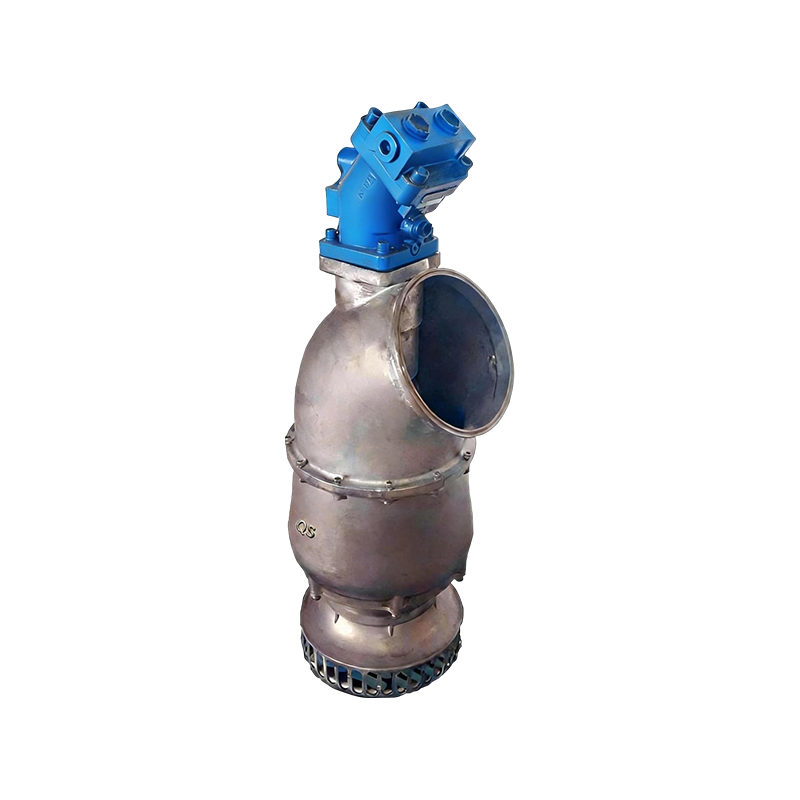
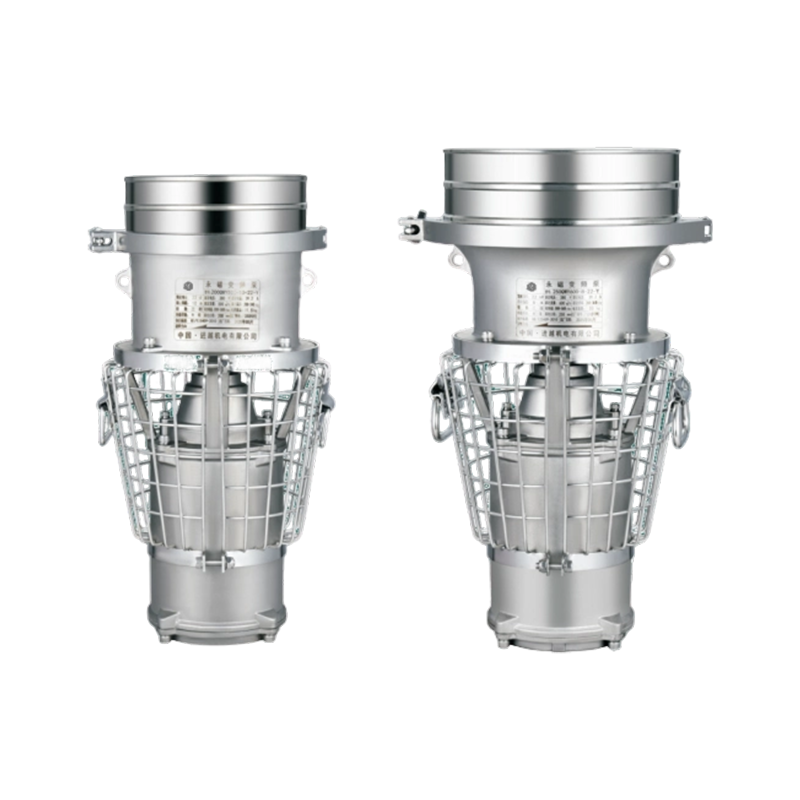
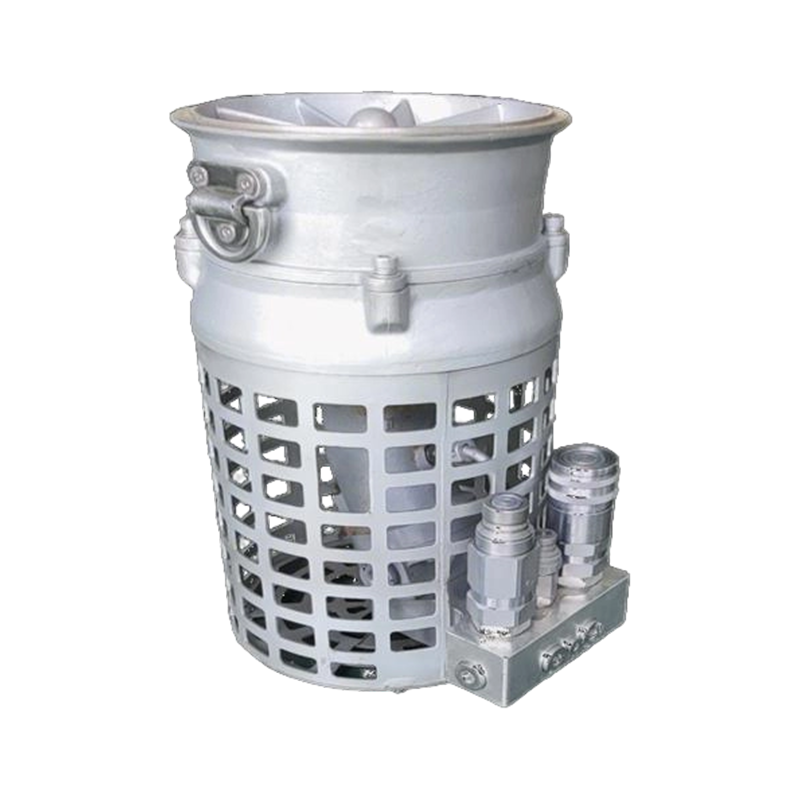
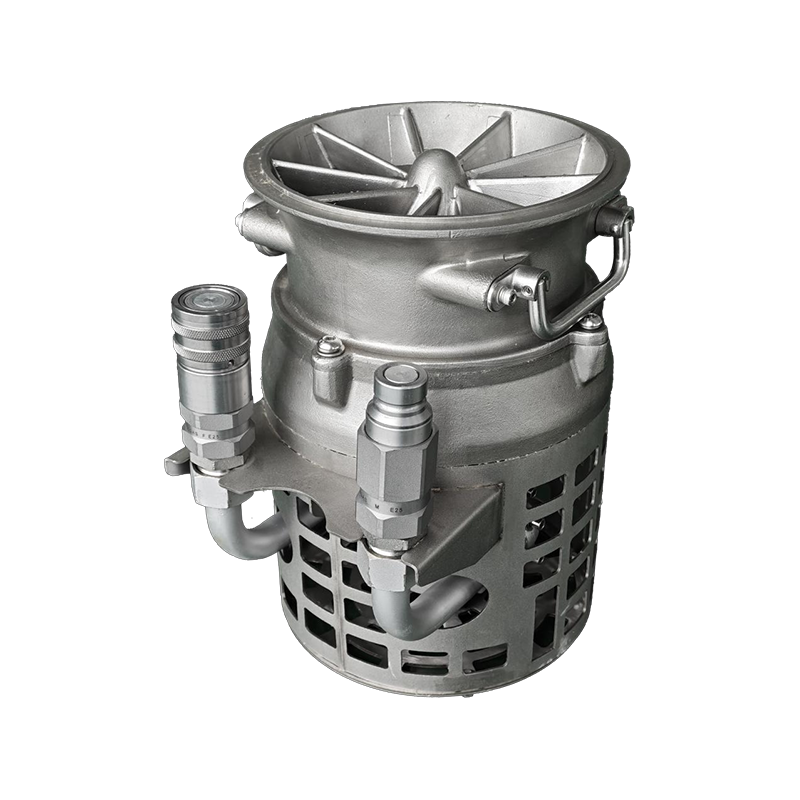
A hydraulic drainage pump moves water using power supplied through a hydraulic hose rather than an onboard electric motor, which makes it the standard choice anywhere dewatering has to happen in conditions electric pumps cannot survive: submerged pits, flooded mine faces, construction excavations, or remote sites with no power grid access. Matching flow rate, build durability, and maintenance routine to the actual jobsite determines whether a hydraulic drainage pump keeps a site dry or becomes the bottleneck that shuts work down.
7m Typical submersion depth rating for hydraulic dewatering pumps
2x Power density advantage over comparable electric submersibles
0 Electrical components exposed to standing water in the pump end
Hydraulic Drainage Pump Flow Rate Determines Job Speed
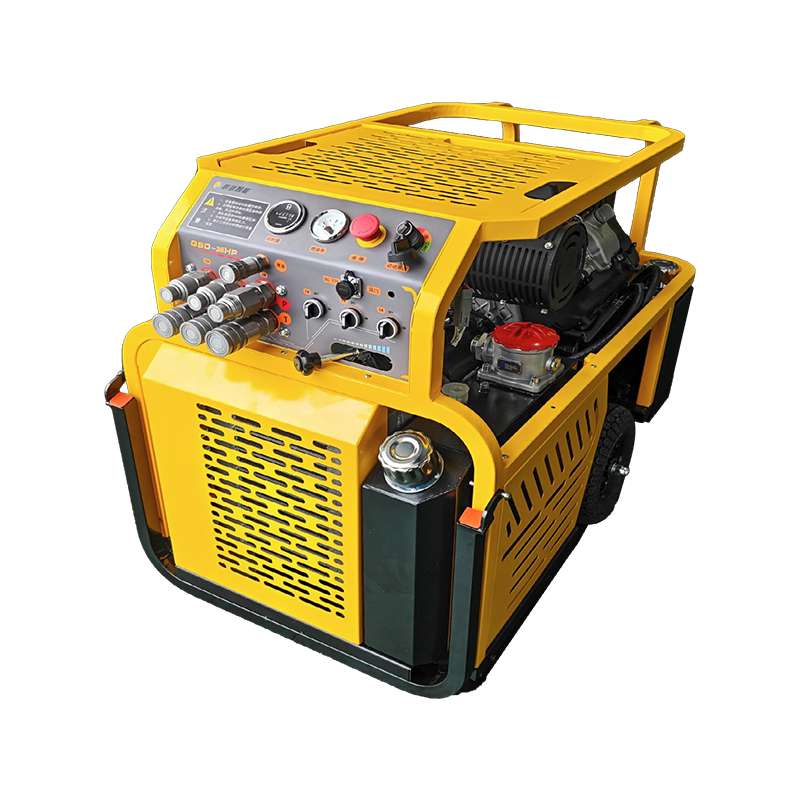
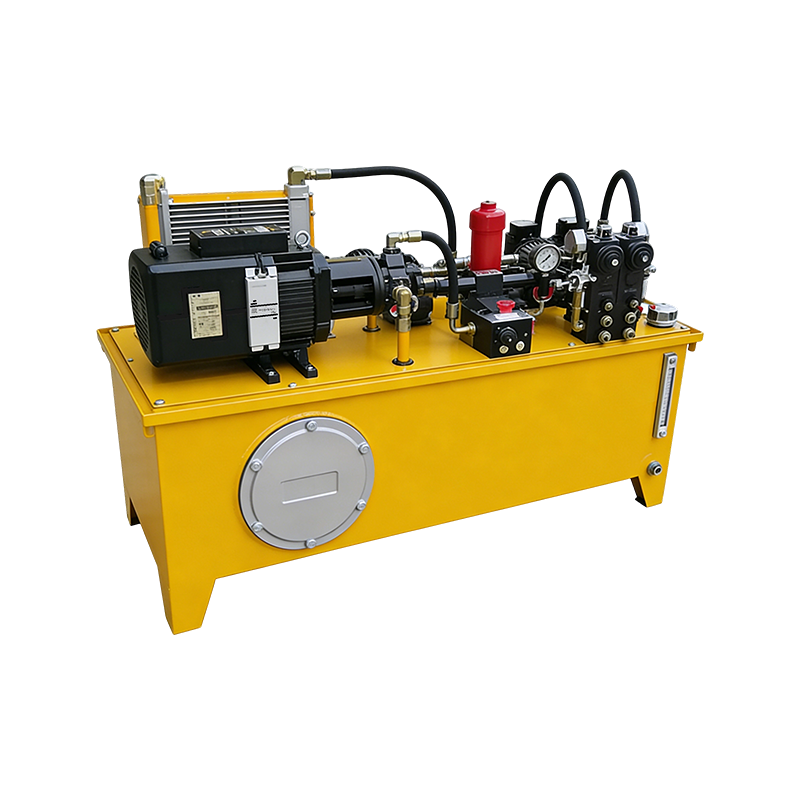
Hydraulic drainage pump flow rate is the number contractors check first, and it is usually expressed in liters per minute or gallons per minute against a given hydraulic input flow and pressure. A pump rated for 800 liters per minute at full hydraulic supply will deliver far less if the power unit driving it cannot sustain the required input flow, so matching the pump to the actual hydraulic power pack is just as important as the pump's own rating.
Flow rate also drops as total dynamic head increases, meaning the vertical lift plus friction losses through hose length and fittings. A pump that handles 600 liters per minute at 5 meters of head may fall to 350 liters per minute at 15 meters, so site-specific head calculation matters more than the headline flow figure on a spec sheet.
Hydraulic Drainage Pump Performance Under Real Site Conditions
Hydraulic drainage pump performance in catalog testing rarely matches performance in mud, debris-laden water, or water carrying abrasive sediment. Solids handling capacity, measured as the maximum particle size the pump can pass without clogging, separates pumps suited to clean water transfer from those built for genuine dewatering work.
- Open or semi-open impeller designs pass larger solids and stringy debris with less clogging risk than closed impeller designs optimized purely for clean-water efficiency.
- Wear-resistant components at the impeller and volute reduce performance degradation as abrasive sediment passes through the pump over repeated duty cycles.
- Hydraulic motor displacement and pressure rating must align with the pump's design point, since an undersized hydraulic motor starves the pump and an oversized one risks cavitation damage.
A hydraulic drainage pump disconnected from its power source stops instantly with zero risk of motor burnout, while an electric pump left running dry can destroy its windings within minutes, a difference that matters most during unattended overnight dewatering.
Hydraulic Drainage Pump Durability in Abrasive and Submerged Conditions
Hydraulic drainage pump durability depends heavily on seal design, housing material, and how well the unit tolerates running dry or handling debris-heavy water without immediate damage. Because hydraulic pumps have no electrical motor windings to protect, they tolerate full submersion and even momentary dry running far better than electric submersibles, which is why they dominate mining, tunneling, and quarry dewatering applications.
Cast iron or ductile iron housings resist abrasion better than aluminum in high-sediment water, while tungsten carbide or ceramic mechanical seals outlast standard elastomer seals when pumping water carrying fine grit. Hydraulic hose quality and fitting selection matter just as much as the pump body, since hose failure under pressure is a common cause of unplanned downtime on hydraulic dewatering fleets.
Hydraulic Drainage Pump for Dewatering Mines, Tunnels, and Excavations
A hydraulic drainage pump for dewatering applications in mining and tunneling is typically deployed where ventilation, confined space, or explosion risk rules out diesel or electric equipment running near the work face. Hydraulic power units can sit at a safe distance, with only the hose and pump end entering the hazardous or submerged zone.
Construction site dewatering favors hydraulic pumps for similar reasons: excavation pits flood unpredictably, often without a stable power supply nearby, and a hydraulic pump can run directly off an excavator's auxiliary hydraulic circuit, eliminating the need for a separate generator or power pack entirely.
Hydraulic Drainage Pump Maintenance to Extend Service Intervals
Hydraulic drainage pump maintenance centers on three areas: hydraulic fluid cleanliness, seal condition, and impeller wear inspection. Contaminated hydraulic fluid is the leading cause of premature hydraulic motor failure inside the pump, so filtration quality on the supply circuit deserves as much attention as the pump itself.
Routine Field Checks
Inspect hose fittings for leaks after every relocation, flush the pump with clean water after pumping abrasive or contaminated water, and check hydraulic fluid level and condition at each shift change.
Scheduled Shop Service
Replace mechanical seals and inspect impeller clearance on a fixed hours-of-operation interval, change hydraulic fluid and filters per the manufacturer schedule, and pressure-test the hydraulic motor for internal leakage.
Hydraulic Drainage Pump vs Electric Pump: Choosing the Right Power Source
| Factor | Hydraulic Pump | Electric Pump |
| Power source flexibility | Runs off excavator or power pack, no grid needed | Requires generator or grid power on site |
| Dry-run tolerance | High, no motor winding risk | Low, risks motor burnout |
| Initial equipment cost | Higher if power pack must be purchased separately | Generally lower for standalone units |
| Best suited for | Mining, tunneling, excavation, remote sites | Stable power sites, continuous fixed installations |
Frequently Asked Questions
What flow rate is needed for a typical construction dewatering job
Most mid-size excavation dewatering jobs use pumps rated between 300 and 800 liters per minute, though actual delivered flow depends heavily on total head and the hydraulic power pack's sustained input flow.
Can a hydraulic drainage pump run dry without damage
Brief dry running causes far less damage to a hydraulic pump than to an electric submersible, since there are no motor windings to overheat, though extended dry running still risks seal and bearing wear.
How often should hydraulic fluid be checked on a drainage pump
Fluid level and visual condition should be checked at every shift change, with full fluid and filter changes following the manufacturer's hours-of-operation schedule to prevent contamination-related motor failure.
Why choose a hydraulic pump over an electric pump for mine dewatering
Hydraulic pumps allow the power source to sit outside hazardous or confined zones, tolerate submersion and debris better, and can run directly off existing hydraulic equipment without a separate electrical supply.