 English
 русский
Qisheng
Qisheng
Qisheng
Qisheng
Qisheng
Qisheng
Qisheng
Qisheng
Qisheng
Table of Contents
- 1 What Portable Hydraulic Power Units Are Used For in Field and Mobile Applications
- 2 How a Portable Hydraulic Power Unit Generates and Controls Hydraulic Pressure
- 3 Electric vs Diesel Portable Hydraulic Power Units: When to Use Each
- 4 How to Choose the Right Portable Hydraulic Power Unit for Industrial and Repair Work
- 5 How to Maintain Portable Hydraulic Power Units for Long-Term Reliable Operation
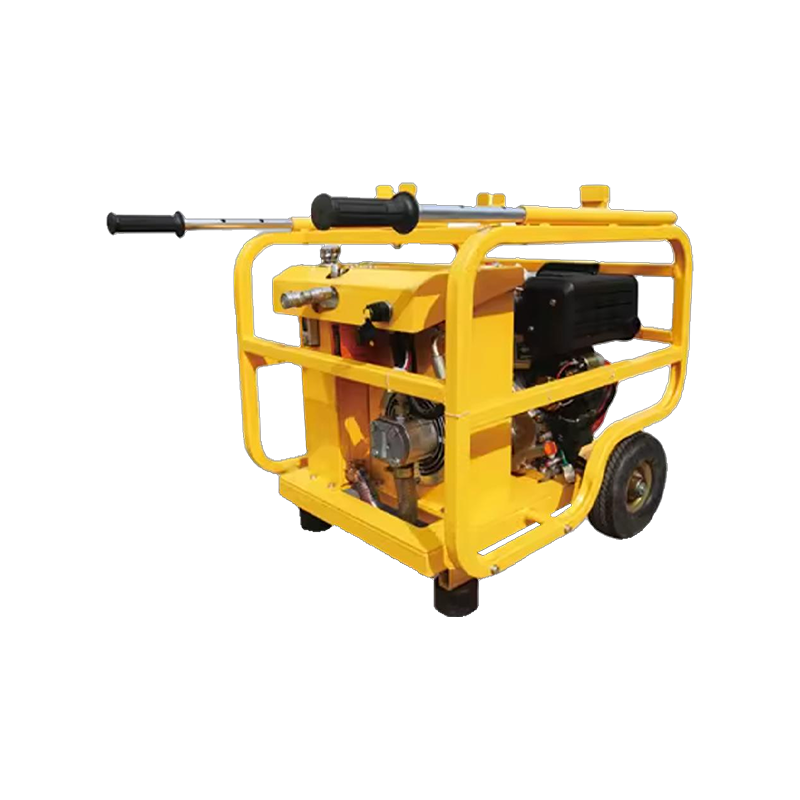
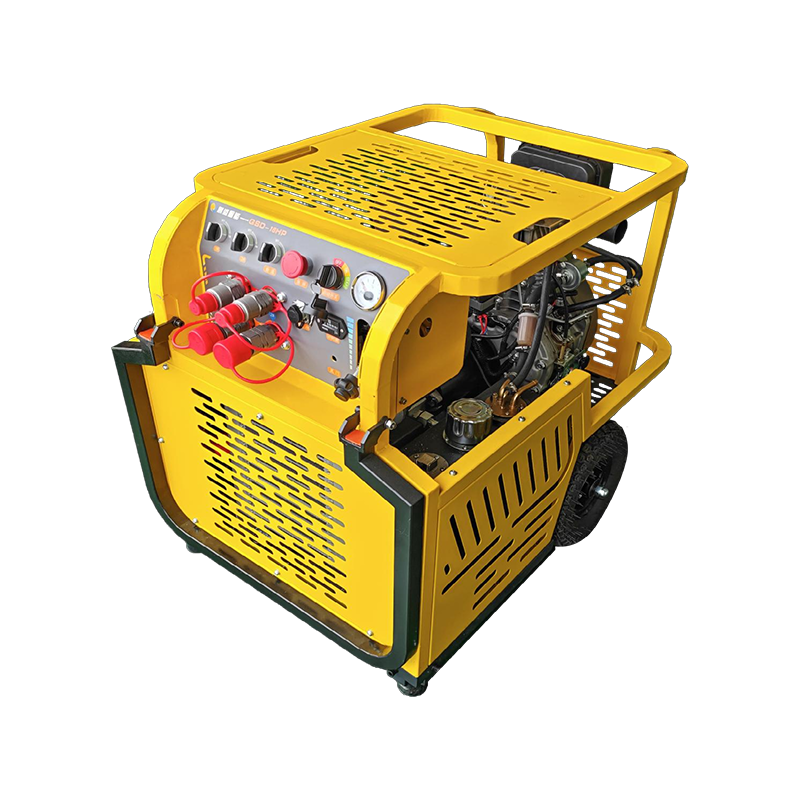
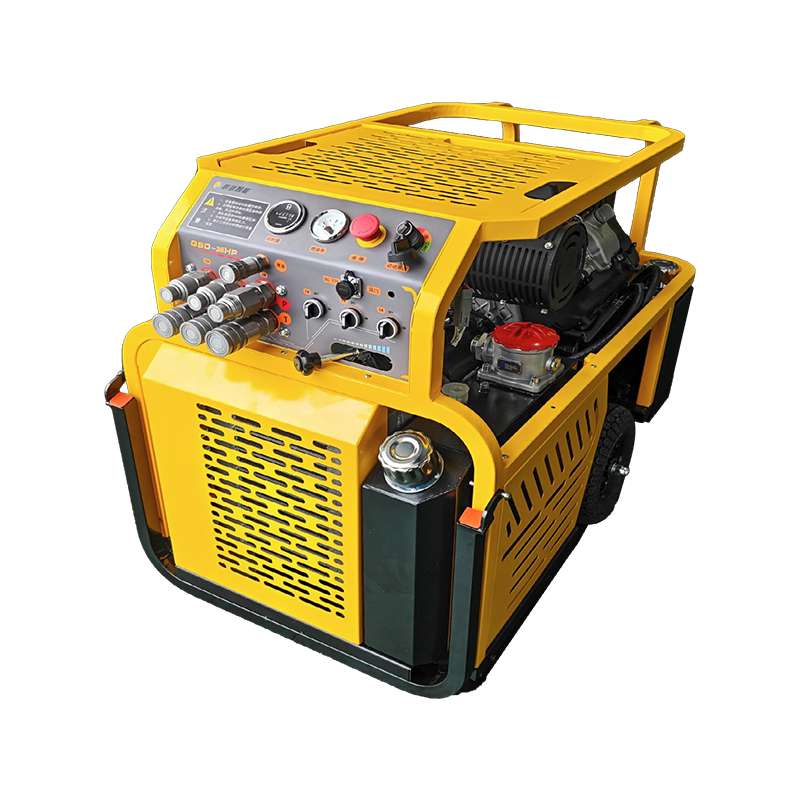
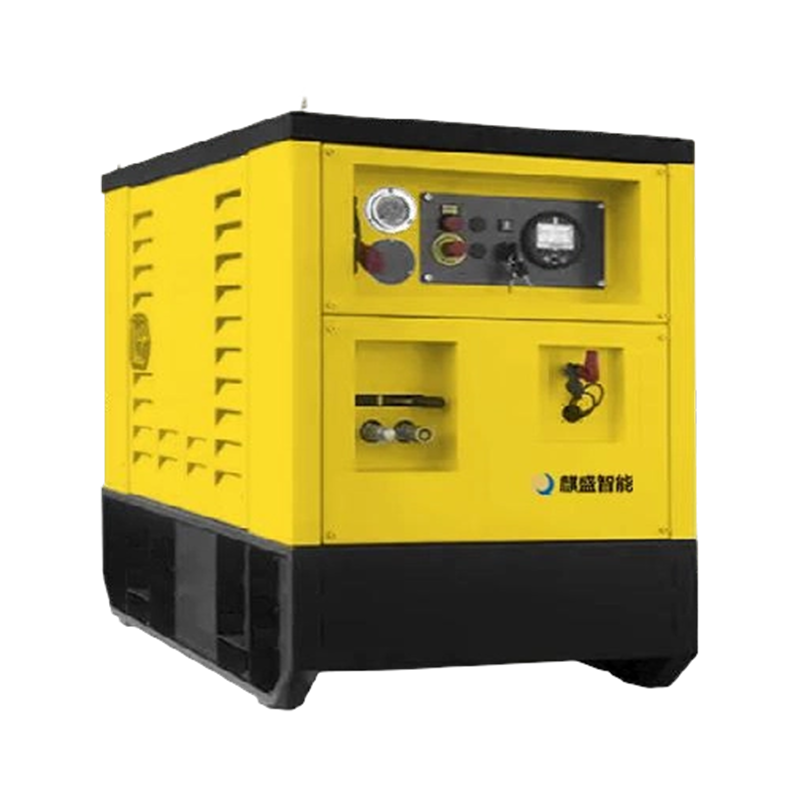
Portable hydraulic power units are self-contained systems that generate, store, and deliver pressurised hydraulic fluid to drive tools, cylinders, motors, and actuators wherever a fixed hydraulic infrastructure is unavailable. From roadside rescue cutting equipment to offshore pipeline repair, underground mining props to bridge bearing replacement, these units solve one fundamental problem: delivering industrial hydraulic power precisely where and when it is needed, without a permanent installation. This guide covers how they work, what they power, how to select between fuel and electric variants, and how to keep them running reliably across years of demanding field service.
700 bar
Maximum operating pressure available from high-pressure portable hydraulic units
0.4 – 60 L/min
Typical flow rate range across light-duty to heavy industrial portable units
IP65+
Enclosure rating required for reliable outdoor and wet-environment operation
What Portable Hydraulic Power Units Are Used For in Field and Mobile Applications
Portable hydraulic power units are the enabling technology behind mobile industrial work — they replace the need for fixed hydraulic circuits in temporary, remote, or emergency settings. Any task requiring controlled linear force, rotational torque, or sustained clamping pressure in a location without fixed power infrastructure is a candidate for portable hydraulic power.
01
Emergency Rescue and Extrication
Fire and rescue services use petrol-powered portable units to drive hydraulic cutters, spreaders, and rams at road traffic collision and structural collapse scenes. Units must deliver full operating pressure within 5 seconds of start and sustain it under repeated tool cycling across a rescue sequence lasting 20 to 40 minutes.
02
Construction and Civil Engineering
Hydraulic breakers, compactors, post drivers, pile extractors, and concrete splitters are all driven from portable units on sites without three-phase power. Battery or diesel variants handle remote rural infrastructure projects — pipeline laying, bridge abutment work, and road sub-base compaction — where grid power is weeks or months away.
03
Industrial Maintenance and Repair
Bolt tensioning, flange spreading, bearing pressing and pulling, and controlled structural lifting all require precise hydraulic pressure that portable units deliver directly at the repair point. Maintenance engineers in petrochemical, marine, and power generation facilities use portable units to avoid the cost of rigging fixed hydraulic lines to in-situ equipment.
04
Offshore and Subsea Operations
Hydraulic torque wrenching, valve actuation, and structural testing on offshore platforms and vessels uses explosion-proof electric portable units rated for Zone 1 and Zone 2 hazardous areas. These applications require units certified to ATEX or IECEx standards with stainless steel reservoirs and marine-grade paint systems.
How a Portable Hydraulic Power Unit Generates and Controls Hydraulic Pressure
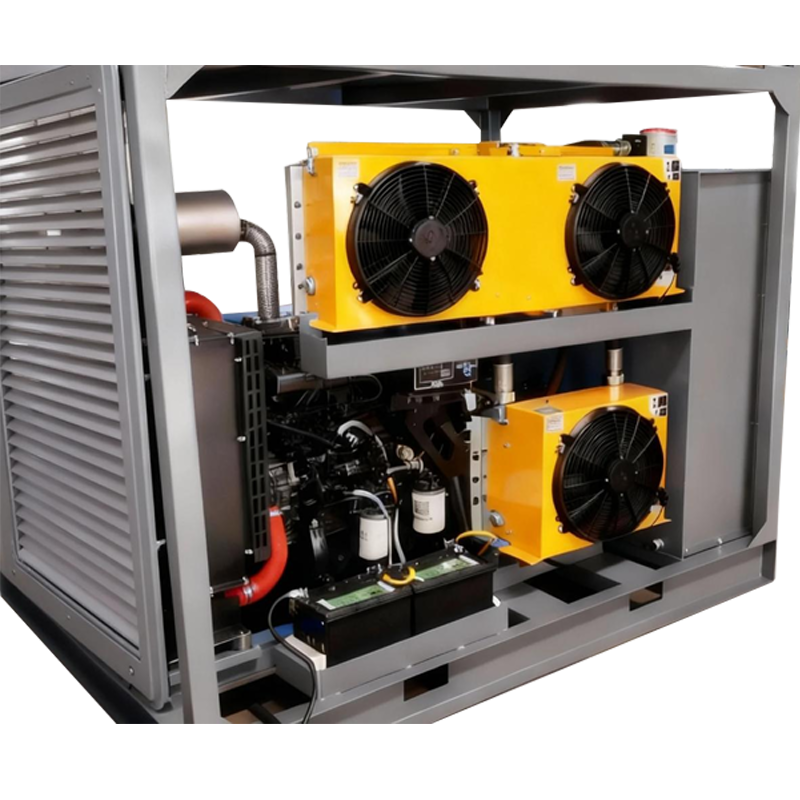
A portable hydraulic power unit converts mechanical energy — from an electric motor or combustion engine — into controlled fluid pressure through a fixed-displacement or variable-displacement pump. The hydraulic circuit then routes that pressurised fluid to a connected tool or actuator and returns spent fluid to the reservoir for re-circulation.
System Architecture
Reservoir
Stores hydraulic fluid (typically ISO VG 46 mineral oil), allows air and contaminants to separate out, and acts as a thermal buffer. Reservoir capacity ranges from 2 litres in compact rescue units to 200 litres in trailer-mounted industrial units.
Pump
Gear pumps dominate portable applications for their compactness and robustness. Piston pumps are specified where variable flow or very high pressure (above 350 bar) is required. The pump is directly coupled to the prime mover shaft with a flexible coupling or bell housing adapter.
Relief Valve
Sets the maximum system pressure, protecting both the unit and the connected tool. Factory-set to the rated pressure and sealed against field adjustment in rental and emergency-service units. Adjustable on industrial maintenance units where varying pressure is part of the work sequence.
Directional Control Valve
Routes pressurised fluid to the extend or retract port of a cylinder, or the forward or reverse port of a hydraulic motor. Manually operated spool valves are standard on field units; solenoid valves controlled by a pendant or remote controller are used on powered access and industrial tooling units.
Filter and Return Line
Return-line filters rated at 10 micron absolute are standard on industrial units, protecting the pump from contamination in the return fluid. Bypass indicators signal when elements require replacement — a critical maintenance point that is frequently missed on site-deployed units.
Electric vs Diesel Portable Hydraulic Power Units: When to Use Each
The choice between electric and diesel portable hydraulic power units determines where the unit can operate, what safety certifications it carries, and what the total operating cost will be over its service life. Neither type is universally superior — the application environment makes the decision.
Electric Portable Units
- Zero local exhaust emissions — mandatory for confined spaces, tunnels, and indoor facilities
- Lower noise output (65 to 75 dB) — suitable for urban sites and noise-restricted environments
- Available in ATEX/IECEx certified variants for hazardous area use
- Lower fuel cost per operating hour than diesel equivalents
- Requires 110V, 230V, or 400V three-phase supply — limits deployment in remote areas without a generator
- Battery-powered variants (24V or 48V DC) enable fully cordless operation for rescue and confined-space work
Diesel / Petrol Portable Units
- Fully self-contained — operates anywhere with no external power supply required
- Higher continuous power output available (up to 75 kW on trailer units)
- Cold-weather starting requires glow plugs or block heaters below -10 C
- Exhaust emissions prohibit use in enclosed spaces without forced ventilation
- Higher noise (85 to 100 dB) — requires hearing protection and site noise management
- Fuel and oil management adds logistical complexity on remote or multi-day deployments
How to Choose the Right Portable Hydraulic Power Unit for Industrial and Repair Work
Selecting a portable hydraulic power unit requires matching four technical parameters to the connected tool or actuator requirements: operating pressure, flow rate, cycle duty, and power source availability. Oversizing wastes capital; undersizing produces slow cycle times or inability to reach working pressure under load.
| Selection Parameter | How to Determine It | Common Mistake |
| Operating Pressure (bar) | Match to the maximum rated pressure of the connected tool — typically 700 bar for bolt tensioning, 300–350 bar for hydraulic cylinders and breakers | Selecting by pump pressure alone without checking tool inlet pressure requirements |
| Flow Rate (L/min) | Determines cycle speed — faster cycle times require higher flow. Check tool manufacturer's recommended flow rate for optimal performance | Underspecifying flow; unit reaches pressure but tool cycles too slowly for productive work |
| Reservoir Capacity (L) | Must accommodate full tool extension plus a 20–30% thermal buffer. Calculate total system volume: cylinder bore area x stroke x number of simultaneous circuits | Undersized reservoir causes rapid oil temperature rise and accelerated fluid degradation |
| Motor Power (kW) | Derived from pressure x flow: P(kW) = (bar x L/min) / 600. Add 20% margin for mechanical and volumetric losses | Underpowered motor stalls under load, trips thermal protection, and extends work time |
| Duty Cycle | Intermittent duty (S2/S3) units suit rescue and maintenance work. Continuous duty (S1) is required for production processes and sustained construction tasks | Using intermittent-rated units on continuous tasks overheats oil and burns out motor windings |
How to Maintain Portable Hydraulic Power Units for Long-Term Reliable Operation
Portable hydraulic power units operated in the field accumulate contamination, vibration fatigue, and fluid degradation faster than fixed hydraulic systems because they are transported, stored outdoors, and connected to varying tools under variable load conditions. A structured maintenance schedule eliminates 80% of the failure modes that sideline units during critical operations.
Before Each Use
- Check fluid level — top up with correct ISO grade oil only; never mix grades or brands
- Inspect all hose couplings and fittings for weeping or thread damage
- Check filter bypass indicator — red indicator means replace before operating
- Start unit and verify pressure gauge reads correct set point within 10 seconds
Every 250 Hours
- Replace return-line filter element regardless of bypass indicator status
- Sample and test hydraulic fluid for ISO cleanliness code — target ISO 4406 Class 17/15/12 or better
- Inspect pump coupling for wear; check shaft seal for weeping
- Diesel units: change engine oil and air filter per engine manufacturer schedule
Every 1,000 Hours / Annually
- Drain and refill reservoir with fresh hydraulic fluid — flush reservoir interior
- Verify relief valve set pressure with calibrated gauge; re-seal after verification
- Inspect and test all directional control valve seals; replace if spool movement is sluggish
- Megger test electric motor windings; check terminal tightness and earth continuity
Contamination is the primary cause of premature pump failure in portable hydraulic power units. Keeping hydraulic fluid at ISO cleanliness Class 17/15/12 or better — through disciplined filter maintenance and covered fluid storage — will extend pump service life from a typical 2,000 hours to 6,000 hours or more under equivalent operating conditions.