 English
 русский
Qisheng
Qisheng
Qisheng
Qisheng
Qisheng
Qisheng
Qisheng
Qisheng
Qisheng
Table of Contents
- 1 Introduction: The Rising Demand for Mobile Hydraulic Power Solutions
- 2 What Is a Highflow Portable Hydraulic Power Unit?
- 3 Core Working Principle of High Flow Hydraulic Systems
- 4 Key Technical Specifications Overview
- 5 Key Features of High Flow Portable Hydraulic Power Units
- 6 Diesel Driven High Flow Portable Hydraulic Power Unit Systems
- 7 Compact High Flow Portable Hydraulic Power Unit for Field Use
- 8 Mobile High Flow Hydraulic Power Unit in Heavy-Duty Applications
- 9 High Flow Hydraulic Power Unit with Adjustable Pressure Control
- 10 Advantages Over Traditional Fixed Hydraulic Systems
- 11 Industry Applications of Highflow Portable Hydraulic Power Unit
- 12 Selection Criteria for High Flow Portable Hydraulic Power Units
- 13 Common Operational Challenges and Solutions
- 14 Conclusion
- 15 FAQ
Introduction: The Rising Demand for Mobile Hydraulic Power Solutions
Modern industrial operations are increasingly dependent on flexible, high-output power systems that can be deployed quickly in dynamic environments. Traditional fixed hydraulic stations, while reliable, often lack the adaptability required for field-based operations, emergency maintenance, and distributed industrial sites. This shift in operational demand has accelerated the adoption of the highflow portable hydraulic power unit as a critical solution for mobile hydraulic energy supply.
Across construction, mining, marine maintenance, infrastructure repair, and heavy machinery servicing, operators are prioritizing equipment that delivers both high hydraulic output and mobility. In this context, high flow hydraulic systems are no longer optional—they are becoming essential infrastructure for continuous and efficient operations.
The evolution of portable hydraulic technology reflects a broader industrial trend: decentralization of power systems and increased reliance on modular, transportable energy units that can perform under harsh and variable working conditions.
What Is a Highflow Portable Hydraulic Power Unit?
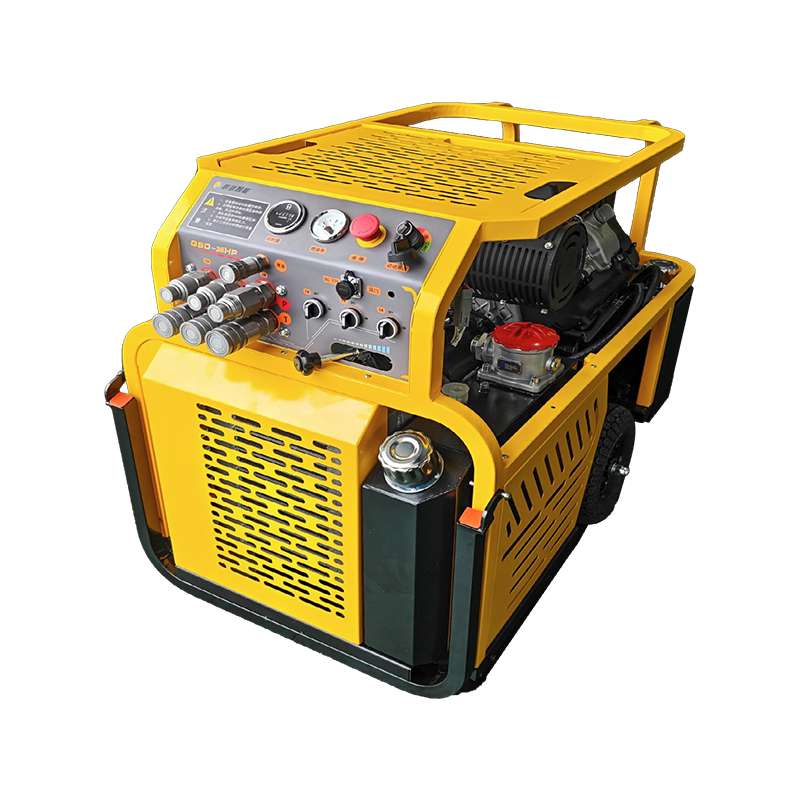
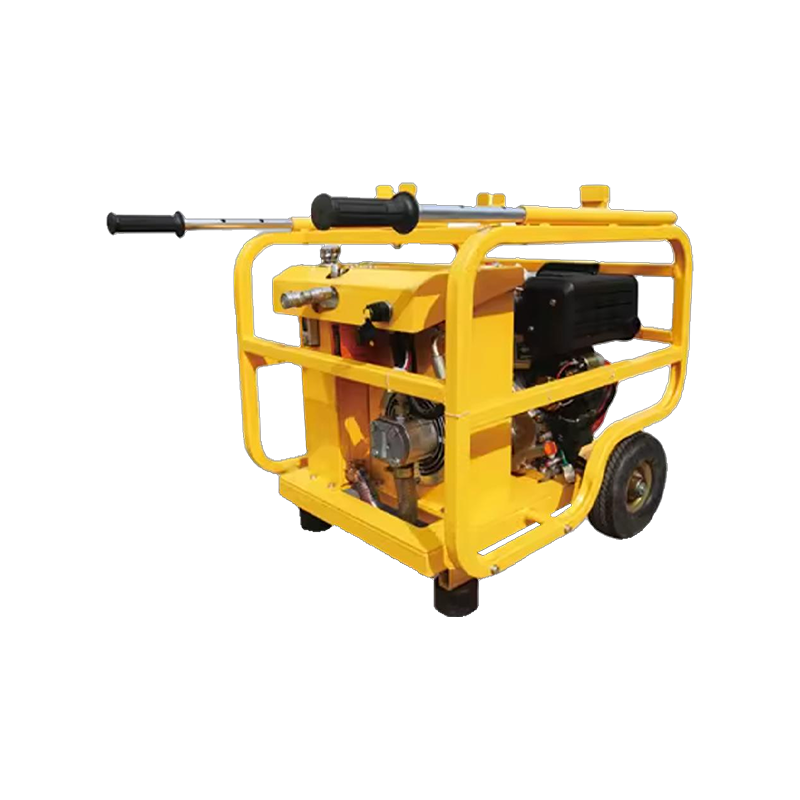
A highflow portable hydraulic power unit is a mobile hydraulic energy system designed to generate and supply high-volume hydraulic flow and pressure to operate external hydraulic equipment. Unlike stationary hydraulic power packs, this system is engineered for transportability, rapid deployment, and multi-environment adaptability.
The term "high flow" refers to the system’s ability to deliver a large volume of hydraulic fluid per minute, which directly influences the speed and efficiency of hydraulic actuators, motors, and tools. The "portable" aspect emphasizes mobility, typically achieved through skid-mounted frames, trailer configurations, or compact integrated structures.
These systems are widely used to power hydraulic tools in environments where grid electricity is unavailable or insufficient, making them essential for field operations and remote industrial applications.
Core Working Principle of High Flow Hydraulic Systems
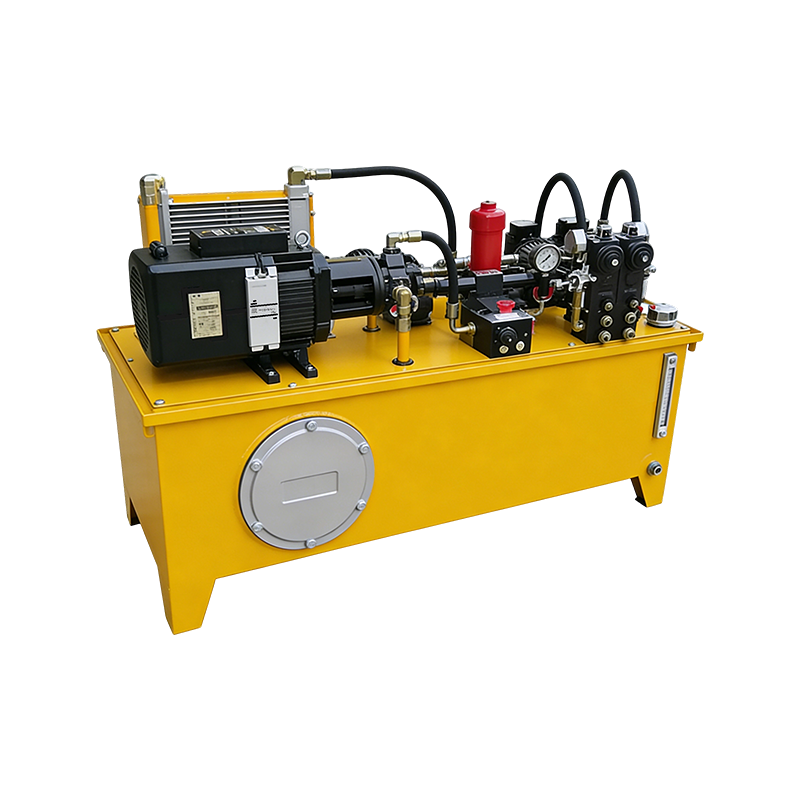
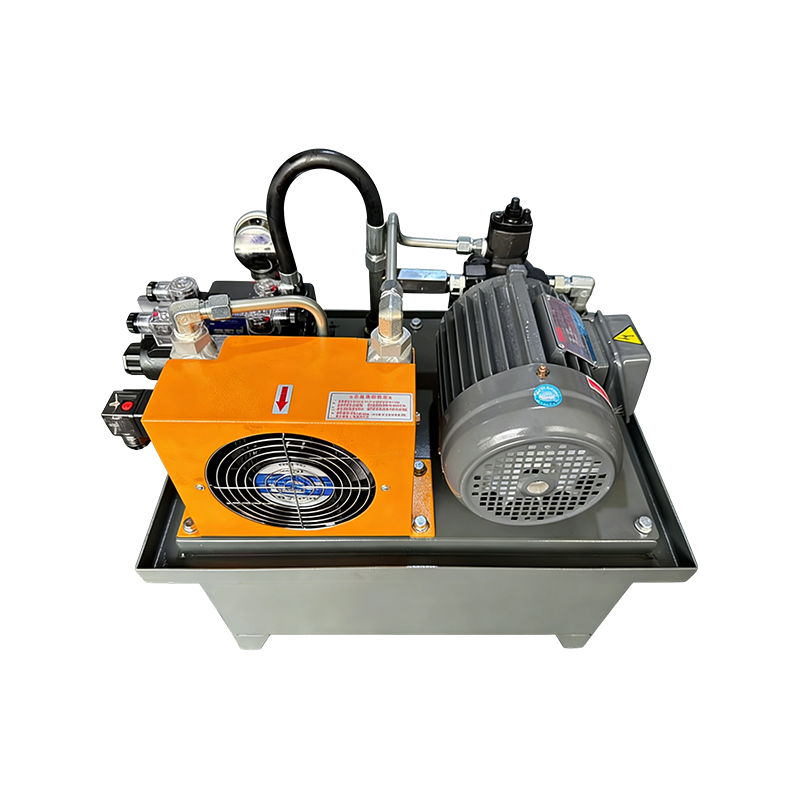
The working principle of a highflow portable hydraulic power unit is based on the conversion of mechanical energy into hydraulic energy. This process is typically achieved through the following components:
- Prime mover (diesel engine or electric motor)
- Hydraulic pump system
- Reservoir for hydraulic fluid storage
- Control valves for flow and pressure regulation
- Cooling system for thermal management
- Filtration system for contamination control
When the prime mover activates the hydraulic pump, mechanical energy is converted into hydraulic energy by pressurizing the hydraulic fluid. The system then delivers this pressurized fluid to connected equipment, enabling mechanical motion such as lifting, pushing, rotating, or cutting.
The performance of high flow hydraulic power systems depends on the balance between flow rate and pressure stability. Higher flow enables faster actuator movement, while controlled pressure ensures operational safety and equipment protection.
Key Technical Specifications Overview
| Parameter | Description | Typical Range |
|---|---|---|
| Flow Rate | Hydraulic oil output capacity | 50–500 L/min |
| Working Pressure | System operating pressure | 100–350 bar |
| Power Source | Engine or motor type | Diesel / Electric |
| Portability Design | Structural mobility | Skid mounted / Trailer mounted |
| Cooling System | Heat dissipation method | Air / oil cooling |
| Control System | Operational control interface | Manual / PLC control |
| Application Scope | Usage environments | Industrial / field / emergency |
Key Features of High Flow Portable Hydraulic Power Units
One of the defining advantages of a highflow portable hydraulic power unit is its ability to deliver stable high-flow output under varying load conditions. This ensures consistent performance even when multiple hydraulic tools are operating simultaneously.
Key features include:
- High flow stability for continuous operation
- Modular system design for easy maintenance
- Rapid deployment capability for emergency response
- Heavy-duty construction for industrial environments
- Integrated safety systems for pressure and temperature control
These features make the system suitable for both planned industrial operations and unplanned field interventions where downtime must be minimized.
Diesel Driven High Flow Portable Hydraulic Power Unit Systems
In many field applications, diesel driven high flow portable hydraulic power unit systems are preferred due to their independence from external power grids. Diesel engines provide strong torque output and sustained operation capability, making them ideal for remote or off-grid environments.
Such systems are commonly used in:
- Remote construction sites
- Mining operations
- Pipeline installation and maintenance
- Disaster recovery operations
The key advantage of diesel-powered units lies in their fuel efficiency under heavy load conditions and their ability to operate continuously for extended periods without interruption. This makes them a reliable choice for critical field operations where power consistency is essential.
Compact High Flow Portable Hydraulic Power Unit for Field Use
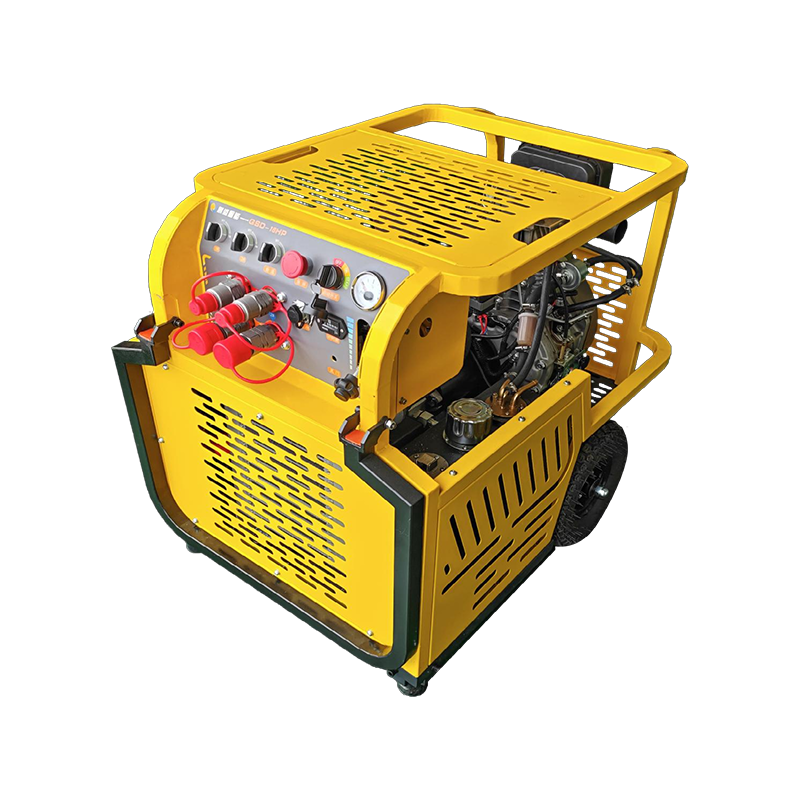
As industrial sites become more constrained and mobile, compact high flow portable hydraulic power unit designs are gaining importance. These systems prioritize space efficiency without compromising hydraulic output.
Compact units are typically designed with:
- Reduced footprint structures
- Lightweight frame materials
- Integrated hydraulic components
- Simplified transport configurations
Despite their smaller size, these systems are capable of delivering sufficient hydraulic power for medium-duty applications, making them suitable for maintenance teams, mobile repair units, and temporary installation projects.
Mobile High Flow Hydraulic Power Unit in Heavy-Duty Applications
In heavy-duty industrial environments, a mobile high flow hydraulic power unit plays a crucial role in supporting large-scale hydraulic operations. These systems are often deployed to drive multiple hydraulic tools simultaneously, ensuring synchronized performance across different equipment.
Typical applications include:
- Heavy machinery servicing
- Structural lifting operations
- Industrial demolition support
- Marine equipment maintenance
The ability to provide high-volume hydraulic output makes these systems indispensable in environments where multiple high-load operations must be performed simultaneously.
High Flow Hydraulic Power Unit with Adjustable Pressure Control
Advanced hydraulic systems often integrate adjustable pressure control mechanisms, allowing operators to fine-tune output according to operational requirements. This feature is particularly important in applications where precision and safety are critical.
Adjustable pressure systems provide:
- Enhanced operational safety
- Improved equipment compatibility
- Reduced mechanical stress on tools
- Greater adaptability across applications
By controlling pressure independently of flow, operators can achieve optimized performance across different hydraulic tasks, improving both efficiency and equipment lifespan.
Advantages Over Traditional Fixed Hydraulic Systems
Compared to traditional stationary hydraulic systems, highflow portable hydraulic power unit systems offer several distinct advantages:
- Mobility: Easily transported to different job sites
- Flexibility: Compatible with multiple hydraulic tools
- Reduced downtime: Rapid deployment capability
- Operational independence: No reliance on fixed infrastructure
These advantages make portable systems more suitable for modern industrial workflows, where operations are increasingly distributed and time-sensitive.
Industry Applications of Highflow Portable Hydraulic Power Unit
The application scope of highflow portable hydraulic power unit systems spans multiple industries:
- Construction: powering hydraulic tools and lifting systems
- Mining: supporting drilling and material handling equipment
- Marine operations: enabling ship maintenance and offshore repair
- Emergency response: providing hydraulic power during infrastructure failure
Each application benefits from the system’s ability to deliver consistent hydraulic energy in environments where traditional power systems are unavailable or impractical.
Selection Criteria for High Flow Portable Hydraulic Power Units
When selecting a high flow portable hydraulic power unit, several factors must be evaluated:
- Required flow rate and pressure compatibility
- Type of power source (diesel or electric)
- Environmental operating conditions
- Mobility requirements and transport method
- Maintenance accessibility and lifecycle cost
Proper selection ensures operational efficiency, reduces downtime, and improves overall system reliability in long-term use.
Common Operational Challenges and Solutions
Despite their advantages, portable hydraulic systems may face operational challenges such as:
- Overheating during continuous operation
- Flow instability under variable loads
- Pressure fluctuations in complex systems
- Wear and contamination in hydraulic components
These issues are typically addressed through improved cooling systems, advanced filtration technology, and intelligent control systems that monitor real-time performance parameters.
Conclusion
The highflow portable hydraulic power unit represents a critical evolution in hydraulic power technology, combining high-output performance with mobility and adaptability. As industries continue to demand more flexible and efficient power solutions, these systems are becoming central to both planned operations and emergency response scenarios.
With continuous advancements in control systems, energy efficiency, and structural design, high flow portable hydraulic power units will remain a key enabling technology for modern industrial and field operations, supporting a wide range of applications where reliability and mobility are essential.
FAQ
Q1: What is a highflow portable hydraulic power unit used for?
A highflow portable hydraulic power unit is used to provide high-volume hydraulic power to operate external hydraulic equipment such as cylinders, motors, cutters, and lifting systems. It is commonly applied in construction, mining, marine maintenance, and field repair operations where fixed hydraulic systems are not available.
Q2: What is the difference between a standard hydraulic power unit and a high flow model?
The main difference is the output capacity. A high flow portable hydraulic power unit delivers a significantly larger hydraulic fluid flow rate, allowing faster operation of hydraulic tools and supporting multiple devices simultaneously. Standard units typically focus more on moderate flow and stationary applications.
Q3: Why is portability important in hydraulic power systems?
Portability allows the hydraulic power unit to be transported directly to the job site. This is essential for field operations, emergency repairs, and remote environments where fixed infrastructure is unavailable or impractical. It significantly improves operational flexibility and reduces downtime.
Q4: Can a diesel driven high flow portable hydraulic power unit run continuously?
Yes, diesel driven high flow portable hydraulic power unit systems are designed for continuous operation in demanding environments. With proper cooling and maintenance, they can run for extended periods, making them suitable for heavy-duty and off-grid applications.
Q5: How do you choose the right high flow portable hydraulic power unit?
Selection depends on required flow rate, working pressure, power source type, and application environment. For heavy-duty or remote field use, higher flow and diesel-powered units are often preferred, while compact electric models are suitable for controlled indoor or urban applications.