 English
 русский
Qisheng
Qisheng
Qisheng
Qisheng
Qisheng
Qisheng
Qisheng
Qisheng
Qisheng
Table of Contents
- 1 Start with the Deployment Site, Not the Datasheet
- 2 Translate Field Conditions into Pumping Performance
- 3 Evaluate the Robot as a Complete Work Platform
- 4 Compare Common Robot Configurations Before Requesting Quotes
- 5 Intelligent Drainage Robot vs. Traditional Pump: When Does the Upgrade Pay Off?
- 6 Use a Checklist When You Compare Proposals
- 7 Work With the Manufacturer to Confirm Real-World Performance
Start with the Deployment Site, Not the Datasheet
Engineers and rescue crews often begin a procurement conversation with one number: maximum flow rate. That number feels objective until the drainage robot reaches a site it cannot climb into, or sits in the wrong spot because no one checked the distance from the road to the water. The right intelligent drainage robot is the one that can physically reach the flooded area, stay stable while pumping, and remain controllable under local conditions. The first step is not to compare datasheets; it is to map the site and the task.
Assess Access Paths and Surface Conditions
A flooded construction pit, an urban underpass, and an agricultural canal demand different chassis designs. Look at how crews will get the robot to the water. Wide tracks handle soft soil and mud better than small wheels. If the path includes stairs, narrow manholes, or tight corners, a compact tracked intelligent drainage robot may be the most practical machine because it can be carried or lowered into position. On the other end, a site with a gradual riverbank and shallow floodplain benefits from a machine that can transition from dry land to water without a crane or a pontoon. The chassis should therefore be chosen after you walk the site, not before.
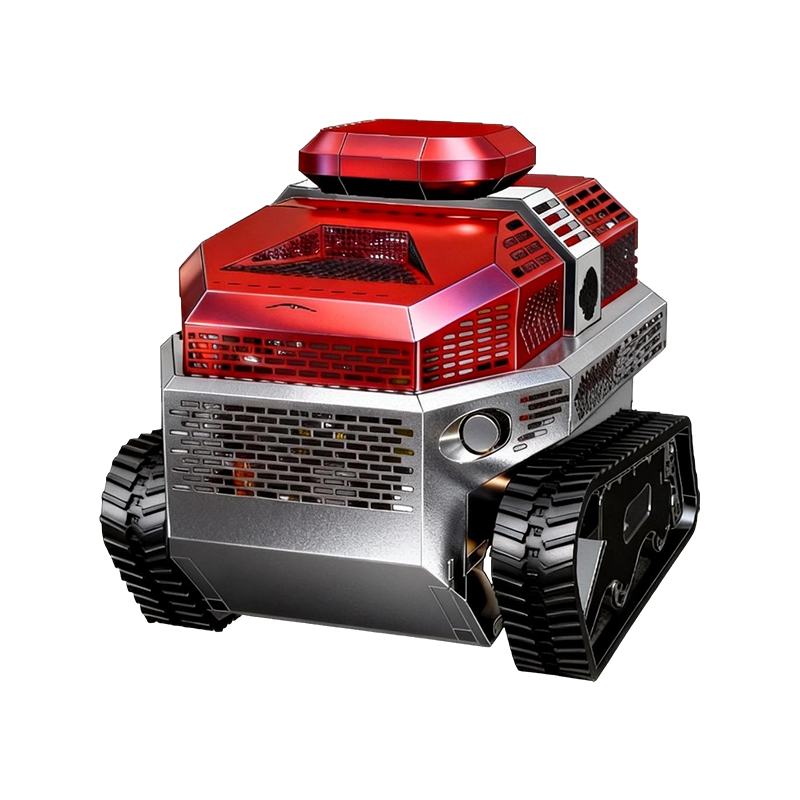
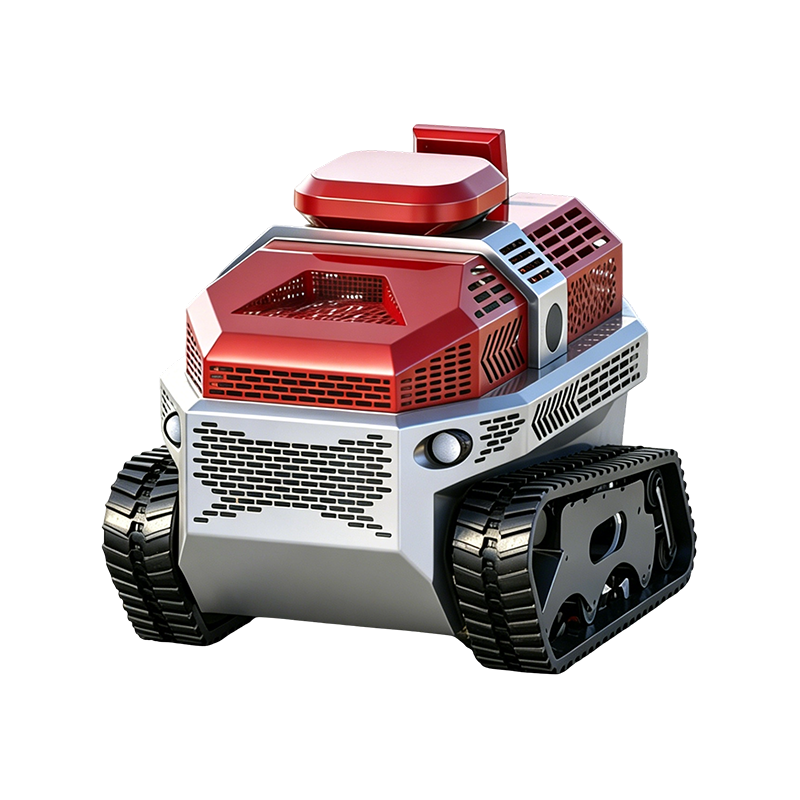 Wholesale Compact Tracked Intelligent Drainage Robot (600m³/h) Suppliers, CompanWuhu Qisheng Intelligent Equipment Co., Ltd. Is China Wholesale Compact Tracked Intelligent Drainage Robot (600m³/h) Suppliers, Exporter,...View Product →
Identify Debris and Water Quality Early
Floodwater rarely arrives clean. Sand, vegetation, plastic film, and construction debris can plug an impeller or jam a pump inlet. A robot rated for high flow in clean water may still stall in a muddy canal if its intake clearances are too tight. Ask the supplier about impeller type, suction screen design, and wear-resistant materials. For slurry-heavy conditions, a pump designed for solids-laden water is more important than a slightly higher flow number. This is also the stage to decide whether you need a floating, semi-submersible, or fully submerged unit.
Translate Field Conditions into Pumping Performance
Once the site is clear, translate the flood volume into two hydraulic numbers: flow rate and total head. Flow rate tells you how quickly water is moved; total head tells you the vertical distance the pump can overcome. If you only compare flow rates at zero head, you may end up with a robot that cannot push water over a levee or into a distant discharge hose.
Match Flow Rate to Inflow, Not to the Full Flood Volume
Estimate the rate at which water enters the work area. A basement filling at 700 m3/h needs a robot with more than 700 m3/h of practical capacity just to keep the water level stable. Add a safety margin of 20 to 30 percent when the inflow can rise quickly. Manufacturers often list performance in ranges such as 600 m3/h, 1,000 to 1,300 m3/h, or 2,000 to 2,500 m3/h. A separate flow-rate and durability guide for drainage pumps explains how these numbers behave under sustained load and real-world head conditions.
Confirm the Power Source and Hydraulic Compatibility
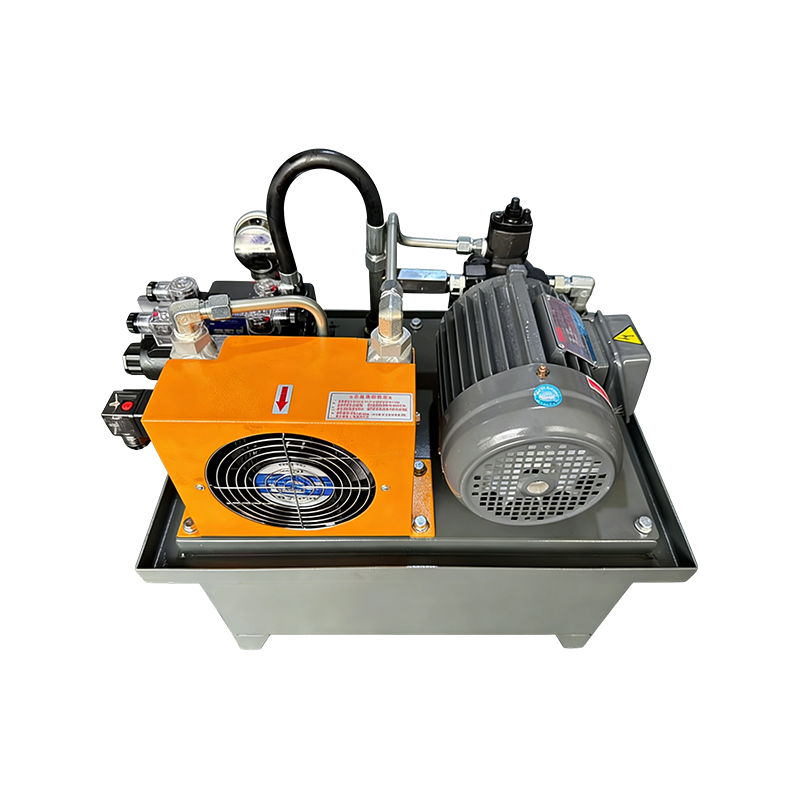
Most intelligent drainage robots are hydraulic because hydraulic motors tolerate overload and operate safely around water. That creates an extra decision: the hydraulic power unit must deliver the robot’s required flow and pressure. A portable hydraulic power unit can stay on dry ground while the robot works near the water’s edge. If you already own large-scale power units, verify that the robot’s pressure rating and coupling size are compatible. Before finalizing a proposal, review the hydraulic power unit selection guidance to avoid mismatched systems that cause poor performance or field breakdowns.
Evaluate the Robot as a Complete Work Platform
Pump performance is only half of the equation. The robot’s traction, control distance, and onboard monitoring determine whether the pump can be put in the right place quickly and kept there safely.
Mobility, Flotation, and Traction
An intelligent drainage robot is only useful if it can reach the water. For riverside and floodplain work with a gradual shoreline, an amphibious intelligent drainage robot can move from soft mud into shallow water without special launching equipment. For drier or rougher terrain, tracked models provide better grip and let the operator reposition the machine without entering the flood zone. Pay attention to ground pressure and obstacle clearance: a machine that sinks into wet soil or catches on a curb will waste more time than its flow advantage saves.
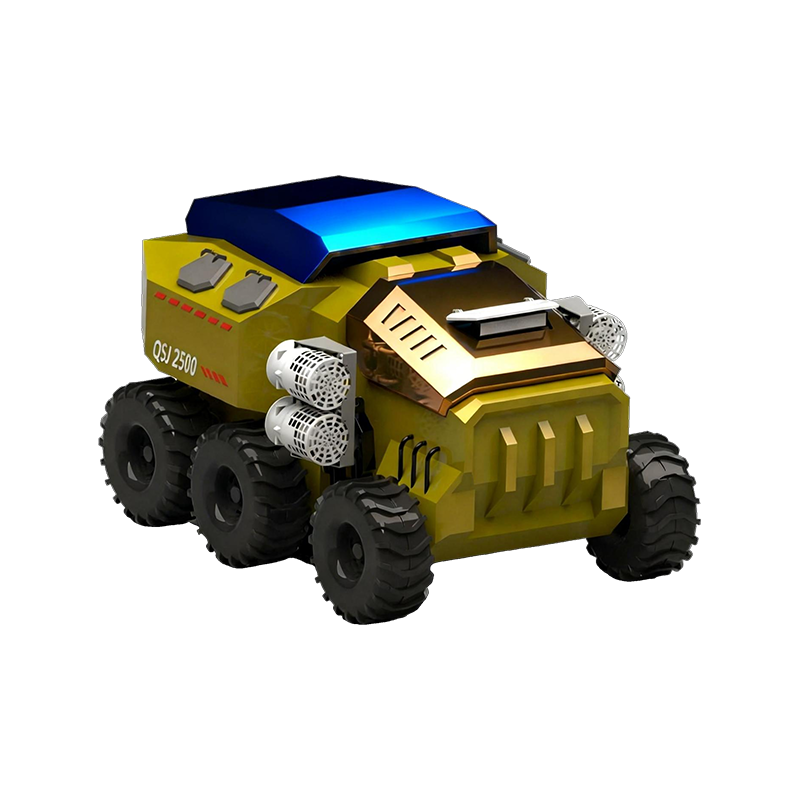
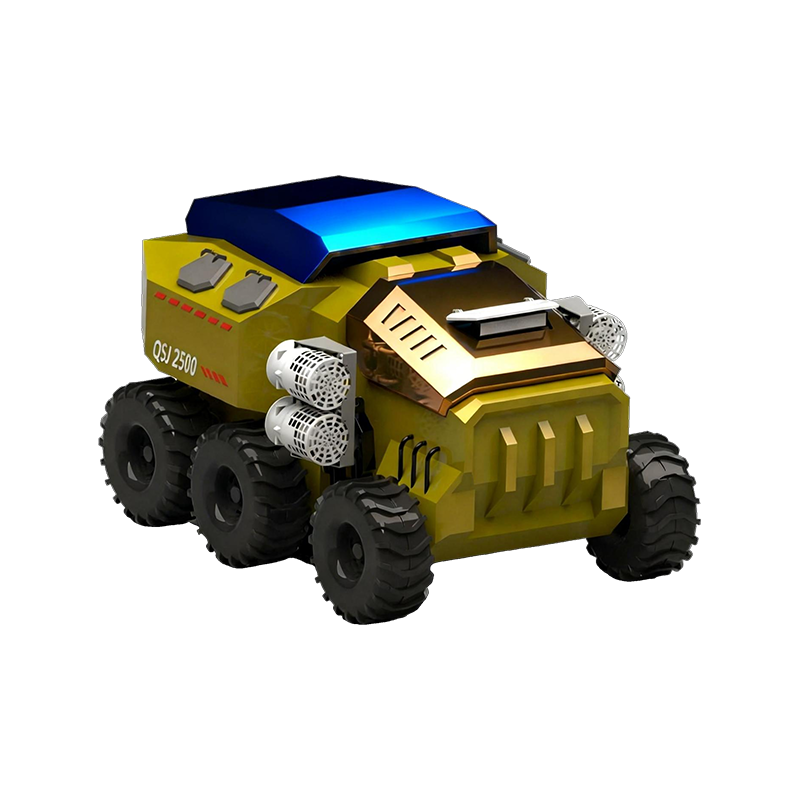 Wholesale Amphibious Intelligent Drainage Robot (20002500 m³/h) Suppliers, CompaWuhu Qisheng Intelligent Equipment Co., Ltd. Is China Wholesale Amphibious Intelligent Drainage Robot (20002500 m³/h) Suppliers, Exporter...View Product →
Control Range, Autonomy, and Live Monitoring
Long control distance and clear video make the difference between an efficient remote-controlled job and a risky one. Ask the supplier for effective range in the environment where you work, not just the radio system’s theoretical maximum. Structures, metal barriers, and underground settings can cut range sharply. A robot should also give you live feedback on pump load, water level, and positioning. Use the control-range and live-data guidance to set realistic acceptance tests for signal reliability and response time before you sign off on a model.
Deployment Speed and Crew Size
Flood response is time-sensitive. Count how many people and pieces of lifting equipment the robot requires for setup and repositioning. Some tracked models can be driven off a trailer and down a ramp; others may need a crane or a second vehicle. Smaller tracked machines are easier to move by hand into indoor parking structures or underground utility spaces. The goal is to choose a system that your existing emergency crews can deploy without adding a specialized team.
Compare Common Robot Configurations Before Requesting Quotes
After the site assessment, most flood-response teams can narrow the choice to one of three configurations. The table below is a quick comparison, not a substitute for performance testing.
| Configuration | Typical Flow Range | Strongest Suit | Limits to Check |
|---|---|---|---|
| Amphibious robot | 2,000 to 2,500 m3/h | Open floodplains, riverside areas, and gradual bank transitions | Inlet submergence in deep water; operator training for floating operation |
| Compact tracked robot | Up to 600 m3/h | Urban basements, narrow tunnels, and sites with stairs or lifts | Lower flow; verify control range in enclosed concrete environments |
| Tracked high-flow robot | 1,000 to 1,300 m3/h | Large-area pumping from solid ground, levee roads, and open pits | Heavier weight; less suitable for very soft mud or deep water |
Intelligent Drainage Robot vs. Traditional Pump: When Does the Upgrade Pay Off?
A traditional drainage pump is still a defensible choice when the intake point is easy to reach, the pump can stay in one position, and a person can monitor it throughout the operation. The intelligent robot starts to pay for itself when one of those conditions fails. If floodwater is rising faster than crews can safely respond, or if the pump must be moved repeatedly across a large site, remote-controlled mobility changes the risk profile completely. A tracked high-flow pumping robot can be repositioned by the operator without entering the water, and it keeps pumping while being steered to a better intake position. For smaller confined spaces, a compact machine may be enough; for open-water events, an amphibious model offers reach and speed. The rule is simple: choose a conventional pump when the surroundings are simple, and choose a robot when terrain, distance, or safety makes manual pump handling the bottleneck.
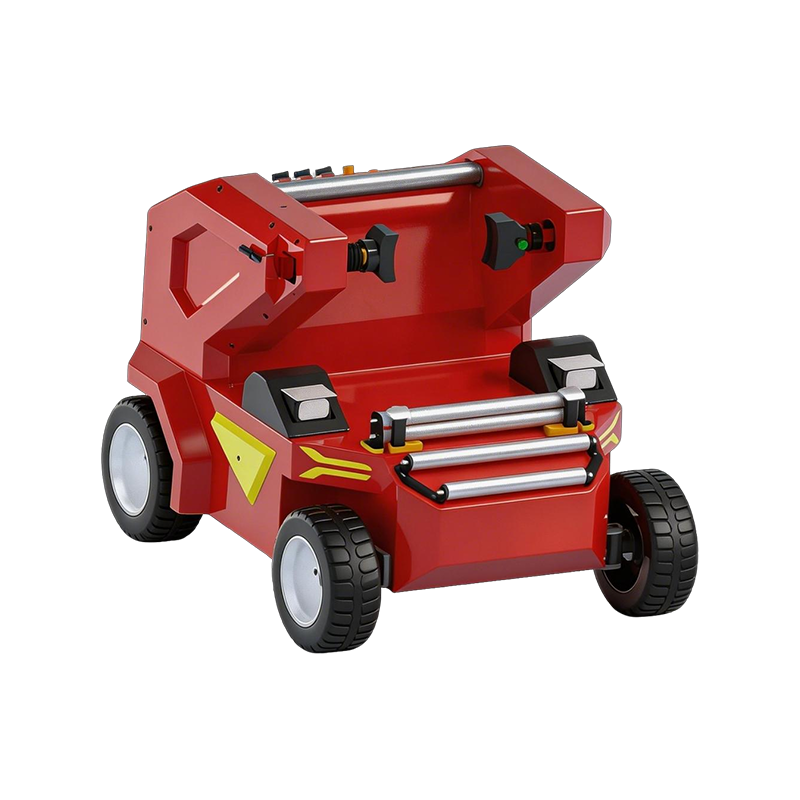
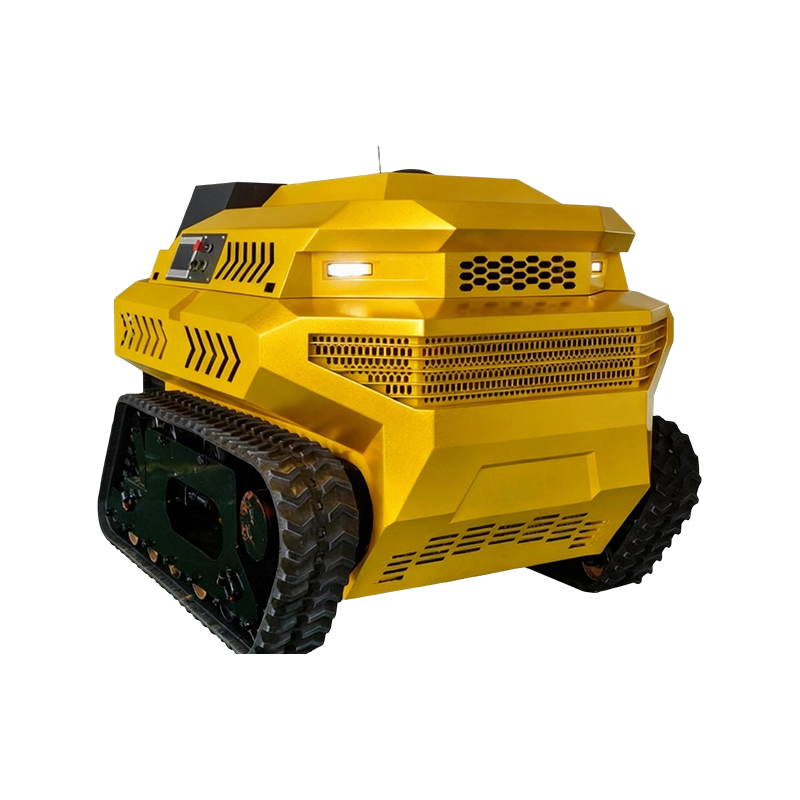
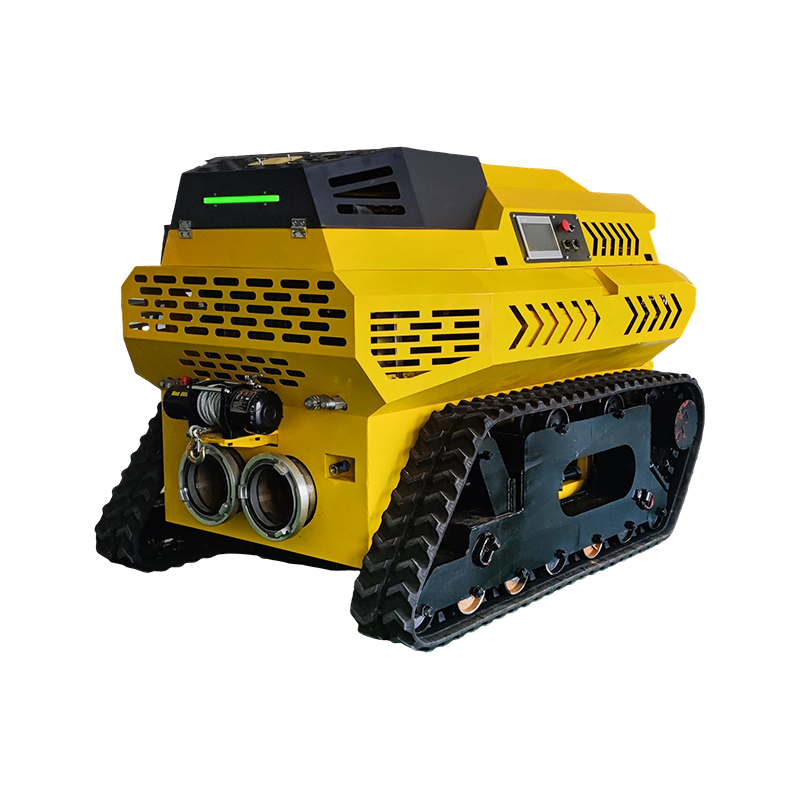 Wholesale Tracked HighFlow Pumping Robot (10001300 m³/h) Suppliers, Company, ExpWuhu Qisheng Intelligent Equipment Co., Ltd. Is China Wholesale Tracked HighFlow Pumping Robot (10001300 m³/h) Suppliers, Exporter, Compa...View Product →
Use a Checklist When You Compare Proposals
To compare different suppliers fairly, use a written checklist that starts with field constraints and ends with support commitments.
- Flow and head: confirm that the robot maintains the required flow at the actual discharge head, not only at zero head.
- Site access: verify that the chassis can reach the water over the expected terrain and fit through entry points.
- Power compatibility: check the hydraulic flow, pressure range, and coupling size against your existing power unit or the supplier’s proposed unit.
- Control range: ask for the effective remote-control distance and clarify how walls, metal structures, or underground spaces affect it.
- Live data: decide which parameters you need, such as pump status, water level, GPS, and video, and confirm the robot provides them in real time.
- Maintenance and spare parts: ask about wear parts, cold-weather operation, and how quickly components can be replaced in the field.
Work With the Manufacturer to Confirm Real-World Performance
The last step is to bring the manufacturer into the site discussion. A supplier that only recites product specifications is not giving you much information. Ask for performance curves under partial load, information about materials and wear parts, and the results of factory tests that simulate muddy water, slopes, or radio interference. Confirm how the robot will be supplied with power, whether that means a portable hydraulic power unit, an existing large-scale power unit, or a custom hydraulic package, and verify the delivery schedule, spare parts availability, and service procedures. The right intelligent drainage robot is not a minor purchase; it becomes part of your emergency response infrastructure. Taking time to match it to your real sites will save far more time during the next flood.