
 English
 русский
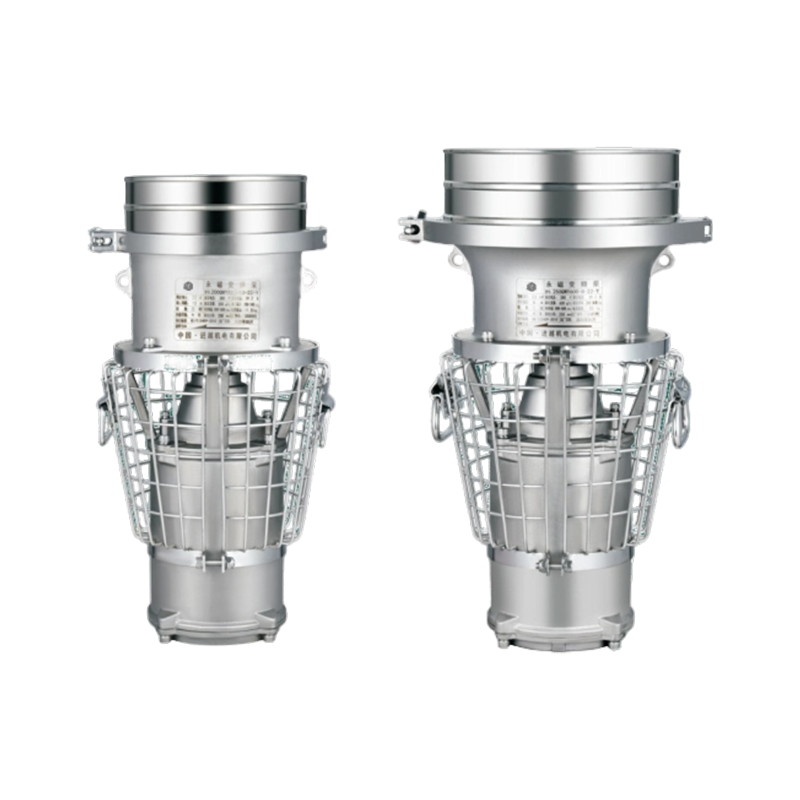

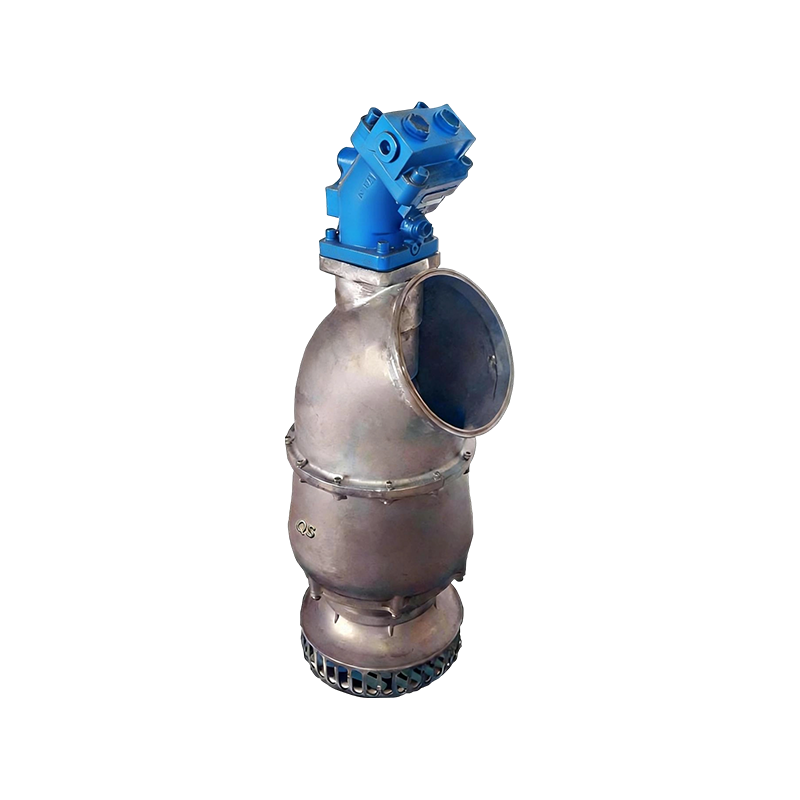
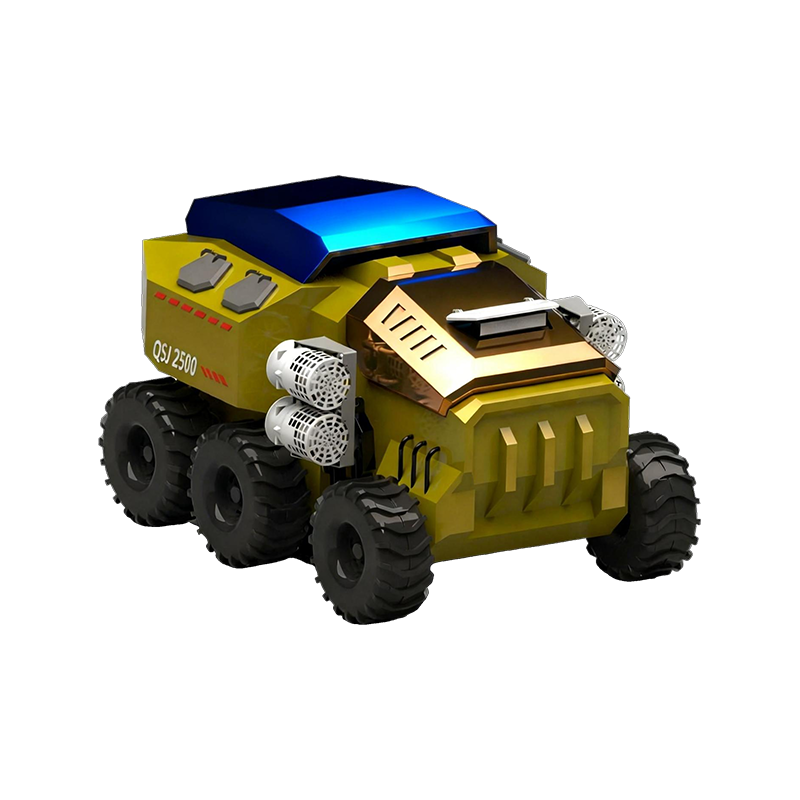
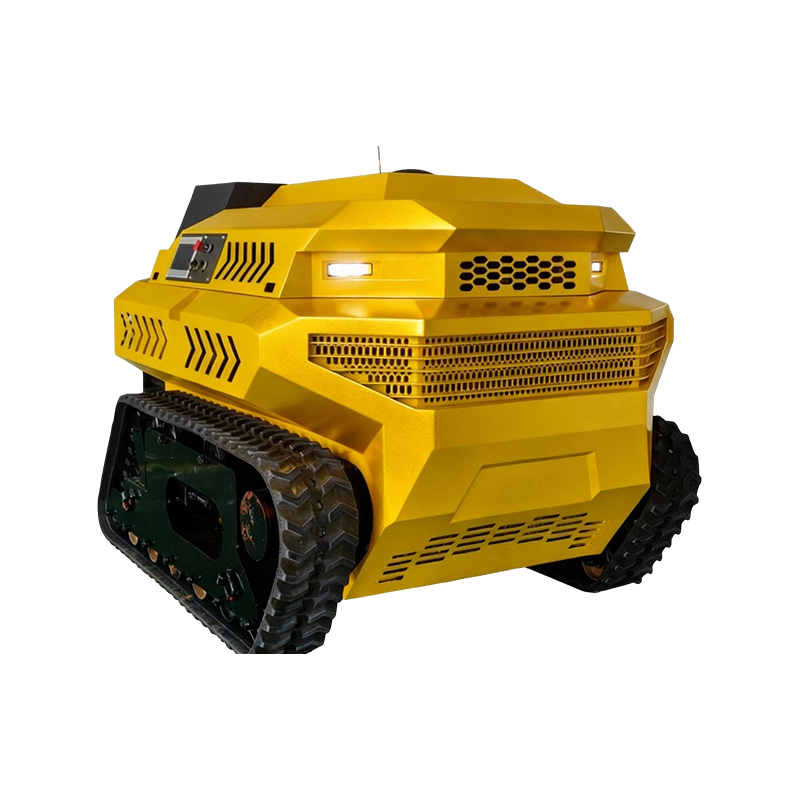
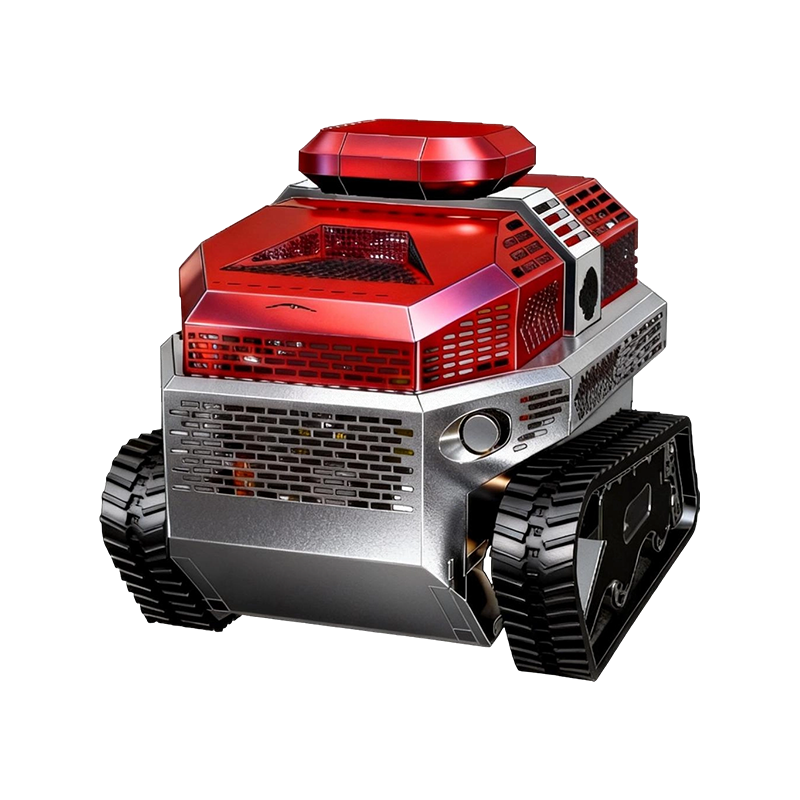
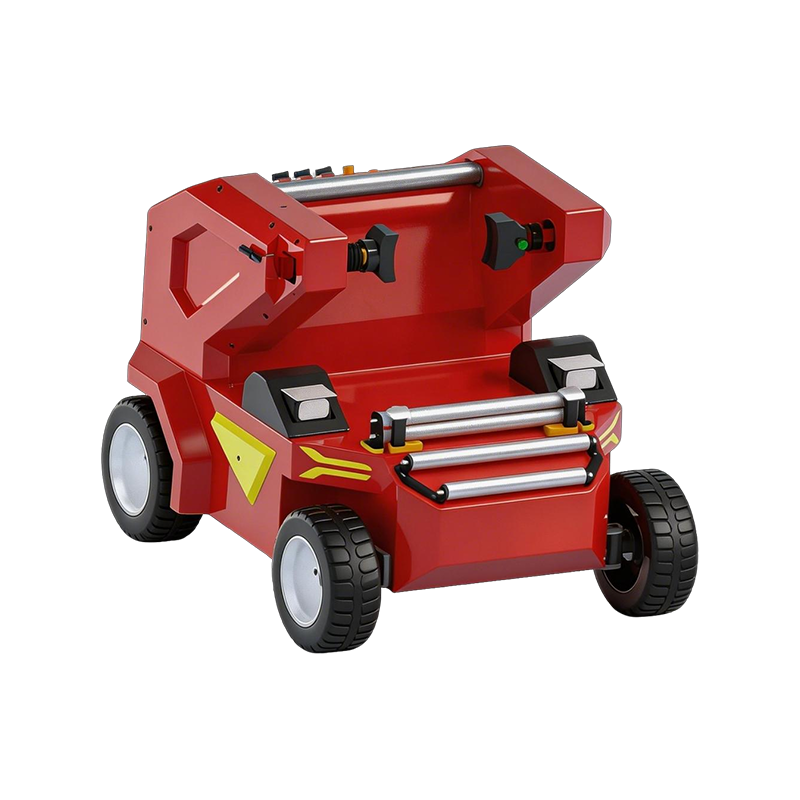


Heavy Duty Flood Drainage Pump
Industrial-grade dewatering system engineered for sustained high-volume flood response, municipal emergency operations, and large-scale construction dewatering where continuous duty and debris tolerance are critical.
The pump is rated for continuous 24/7 operation at up to 85 percent of maximum flow and head. The wear liner and mechanical seal are selected for sustained abrasive service. For intermittent operation at full rated capacity, the duty cycle should not exceed 20 hours per day with 4 hours of cooling. The engine is rated for continuous duty and the fuel tank provides 12 hours of operation at full load.
The pump is equipped with a high-chrome cast iron wear liner in the casing and a semi-open impeller with hardened leading edges. This combination provides resistance to abrasive wear from sand, gravel, and mineral particles. For extremely abrasive applications, an optional ceramic-coated wear liner is available. The double mechanical seal is isolated from the pumped medium by a buffer fluid chamber, protecting it from abrasive contact.
Yes. With the float switch input connected, the pump starts and stops automatically based on water level. The engine protection system shuts down the unit in case of low oil pressure, high coolant temperature, or overspeed. The dry run protection system monitors seal chamber temperature and shuts down the pump if safe limits are exceeded. For fully unattended operation, the optional 4G telemetry module transmits status and fault codes to a remote monitoring platform.
The pump requires a 250 mm suction hose with a strainer having 100 mm openings. The suction line should be as short and straight as possible, with a maximum length of 10 meters for optimal performance. The suction strainer must be fully submerged at all times during operation. For sites with significant debris, a floating suction strainer is recommended to draw water from below the surface while avoiding floating debris.
For units in standby, run the engine for 30 minutes every two weeks to maintain battery charge, circulate lubricants, and exercise the fuel system. Rotate the pump shaft by hand monthly to prevent seal sticking. Inspect the suction and discharge hoses for cracking or UV degradation every six months. Test the automatic start function and float switch quarterly. Maintain the fuel tank at 90 percent capacity to minimize condensation.