 English
 русский
Qisheng
Qisheng
Qisheng
Qisheng
Qisheng
Qisheng
Qisheng
Qisheng
Qisheng
Table of Contents
- 1 Why intelligent drainage robots matter
- 2 What exactly is an intelligent drainage robot?
- 3 The main benefits of intelligent drainage robots
- 4 Intelligent drainage robot versus traditional pump setup
- 5 Where intelligent drainage robots are used
- 6 How to choose an intelligent drainage robot
- 7 Final thoughts
Why intelligent drainage robots matter
When a torrential storm floods an underground parking garage, or a sump pit fills with contaminated process water, the first hour decides whether the damage stays manageable or becomes a major liability. A conventional drainage crew must transport heavy pumps to the scene, run cables and discharge hoses, and send workers into standing water to connect everything. An intelligent drainage robot changes that sequence completely: it drives to the water, positions its own intake, and starts pumping while one operator works from a safe distance.
The benefits of intelligent drainage robots are measurable rather than cosmetic. In emergency response, they cut deployment time from hours to minutes. On the jobsite, they reduce a crew of four to six people down to one or two operators. In hazardous environments, they keep personnel away from floodwater that may carry sewage, chemicals, or submerged electrical hazards. This article breaks down each of those advantages in practical terms and then outlines what to check before you buy.
What exactly is an intelligent drainage robot?
An intelligent drainage robot is a self-propelled pumping platform that combines a high-capacity pump core with tracked or amphibious mobility and remote control. It is not a replacement for a traditional pump; it is a complete pumping system that can move itself into position. The chassis carries the pump, the hose connections, and often the hydraulic or electric power interface, so the machine arrives on site ready to work.
Different models cover different operating envelopes. Compact tracked robots fit through doorways and work in narrow urban spaces. Amphibious units can roll into shallow water and pump while partially submerged. Larger tracked platforms carry high-flow pumps for open-area flood relief. In every case, the operator stays at a distance and manages the machine with a handheld controller, which is the core idea behind the word "intelligent."
The main benefits of intelligent drainage robots
Faster emergency response
The biggest single advantage is time. A robot can be off the transport vehicle and moving within minutes. A tracked chassis climbs curbs, pushes through mud, and negotiates stair edges that would stop a hand-carried pump. In a rainstorm or a reservoir incident, the water level rises quickly, so every minute saved at the start directly reduces property damage and shortens the overall recovery window.
Smaller crews and less physical work
A traditional deployment is manpower-heavy. You need people to carry the pump, lay the discharge hose, bring the power source, and connect everything by hand. With an intelligent drainage robot, one operator controls travel and pumping, and a second person can handle site safety or logistics if needed. Automated hose management on some models removes the heaviest manual task entirely, which reduces fatigue during long shifts and leaves fewer opportunities for injury.
A safer distance from hazards
Floodwater is rarely clean. In urban areas it contains sewage; in industrial plants it can carry chemicals; in farming regions it may include fuel or agricultural runoff. The remote control link keeps the operator out of the water and away from unstable ground. For chemical spills and sewer work, that distance is not a convenience; it is the difference between a routine operation and a serious safety incident.
Higher drainage output per deployment
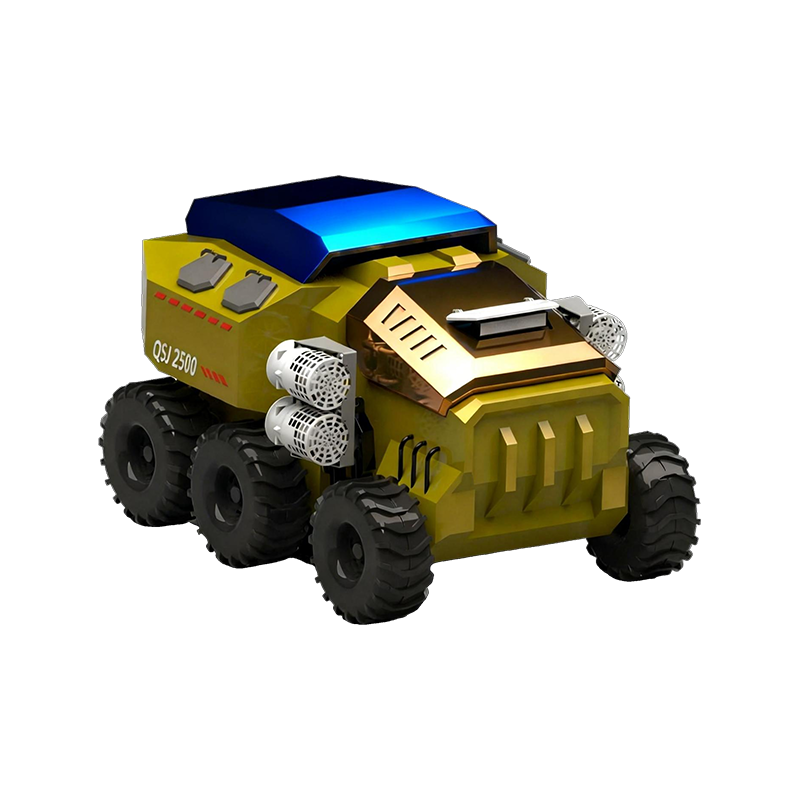
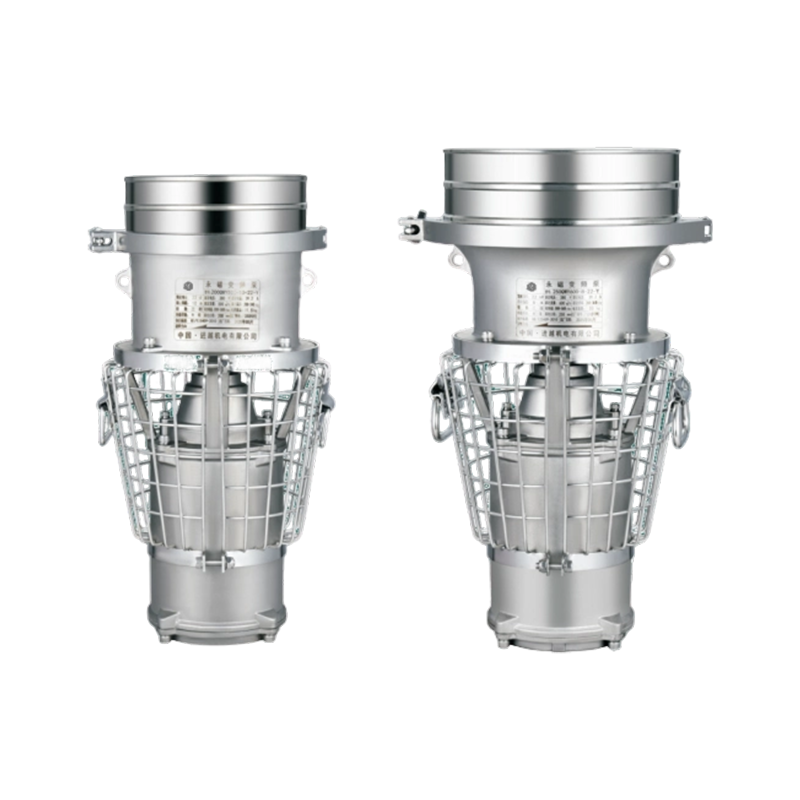
Independent of crew size, the pumping capacity is substantial. Compact tracked units move around 600 cubic meters per hour, high-flow tracked platforms handle 1,000–1,300 m³/h, and amphibious configurations can reach 2,000–2,500 m³/h with a large hydraulic axial pump. These numbers are not theoretical. Our amphibious intelligent drainage robot, for example, is built around a high-flow hydraulic axial pump and is rated for the 2,000–2,500 m³/h class, which covers most large-scale flood-relief jobs.
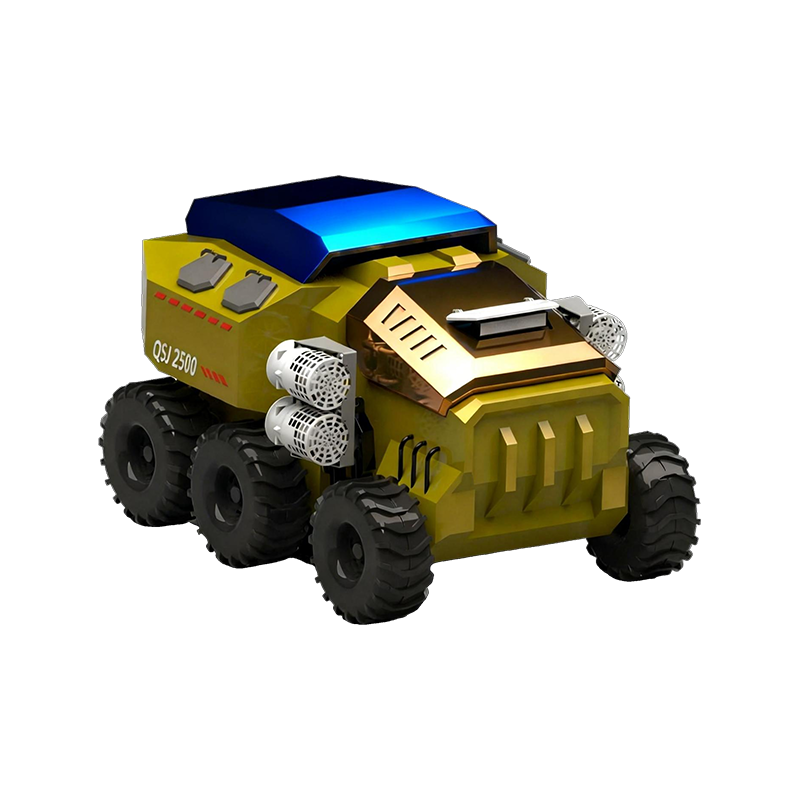 Wholesale Amphibious Intelligent Drainage Robot (20002500 m³/h) Suppliers, CompaWuhu Qisheng Intelligent Equipment Co., Ltd. Is China Wholesale Amphibious Intelligent Drainage Robot (20002500 m³/h) Suppliers, Exporter...View Product →
Remote control and live operating data
The intelligent part also means feedback. Modern robots transmit pump status, flow data, and in some cases obstacle-avoidance information to the operator, so you know what the machine is doing even when you cannot see the water. That matters in municipal sewer operations where visibility is zero and where the operator has to judge pump performance from data instead of eyesight. For a closer look at what this telemetry layer can do, read our breakdown of control range, obstacle avoidance, and live data in drainage robots.
Intelligent drainage robot versus traditional pump setup
The following comparison reflects the same flood-response task performed with an intelligent drainage robot and with a conventional portable pump arrangement.
| Consideration | Intelligent drainage robot | Traditional portable pump |
|---|---|---|
| Deployment time | 5–15 minutes after arrival | 30–90 minutes with rigging |
| Crew size | 1–2 operators | 4–6 workers |
| Operator location | Remote, away from water | Beside or inside water |
| Terrain adaptation | Curbs, stairs, mud, shallow water | Limited to level access |
| Hose handling | Integrated or automated | Manual carrying and connection |
| Safety exposure | Low | High from contamination and electricity |
| Data feedback | Remote status and flow monitoring | None |
Where intelligent drainage robots are used
The applications follow directly from the benefits. In urban flood response, robots are deployed in underground car parks, underpasses, and building basements where diesel-powered pumps cannot operate and where electric pumps create shock risk in standing water. The compact footprint and remote control let crews work in spaces that would otherwise require confined-space entry procedures.
Municipal teams that run regular maintenance on aging pipe networks also benefit. The same mobility that crosses curbs and mud lets a robot move from manhole to manhole without a crane, which shortens the time each jobsite is blocked. The article on efficiency gains in urban sewer systems explains how this improves maintenance schedules in real operations.
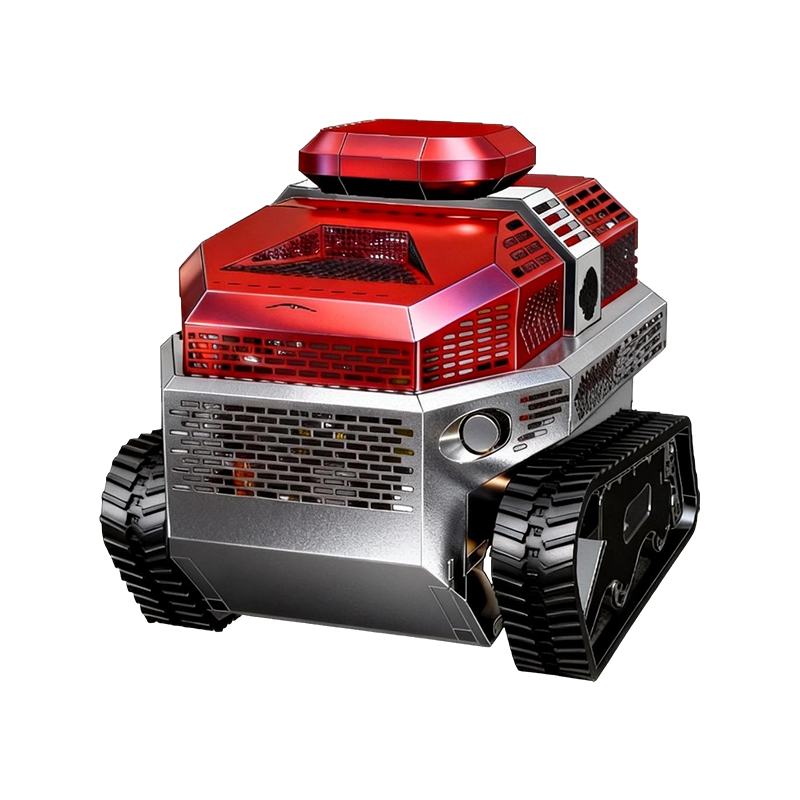
Industrial plants are another major use case. When a chemical spill or a flooded sump contains liquid that should not be touched, crews need to keep their distance. For that scenario, a tracked high-flow pumping robot can relocate 1,000–1,300 m³/h while the operator stays well away from the spilled material.
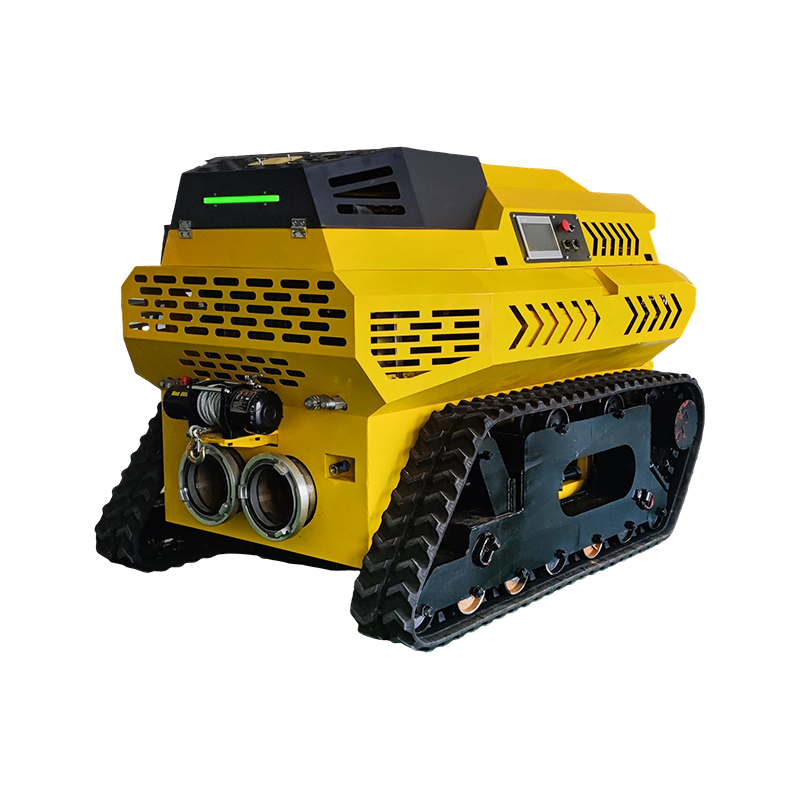 Wholesale Tracked HighFlow Pumping Robot (10001300 m³/h) Suppliers, Company, ExpWuhu Qisheng Intelligent Equipment Co., Ltd. Is China Wholesale Tracked HighFlow Pumping Robot (10001300 m³/h) Suppliers, Exporter, Compa...View Product →
Agriculture and water conservancy round out the list. Irrigation canals, retention ponds, and farmland drainage ditches are exactly the kind of outdoor locations where a self-propelled pump saves significant setup time.
How to choose an intelligent drainage robot
Buyers usually look at flow rate first, and that is a reasonable starting point. The minimum rating should match the peak water volume you expect per hour, not the average. If a jobsite regularly collects 500 m³ of water, a 600 m³/h robot clears it in about one hour, while a 1,300 m³/h unit does the same job in under 30 minutes. The faster machine costs more but pays back during repeated deployments.
Mobility and footprint
Consider the worst terrain the robot will see. Tracked platforms handle mud, rubble, and stairs; amphibious models handle shallow water and soft bottoms. When the jobsite is a narrow underground car park or a pedestrian underpass, a compact tracked intelligent drainage robot is easier to position than a full-size platform, and its smaller footprint also simplifies transport and storage.
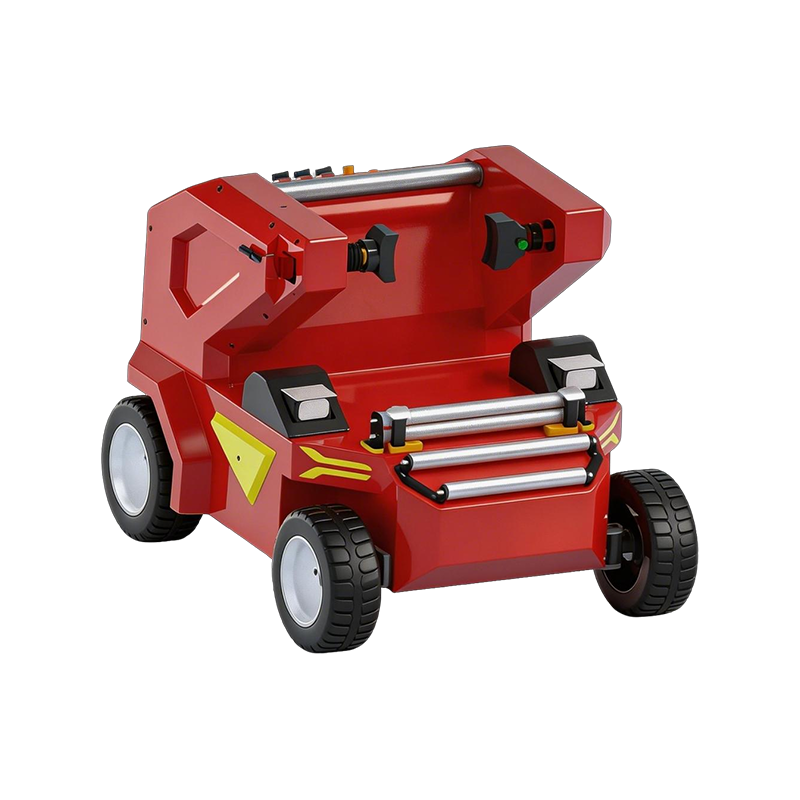
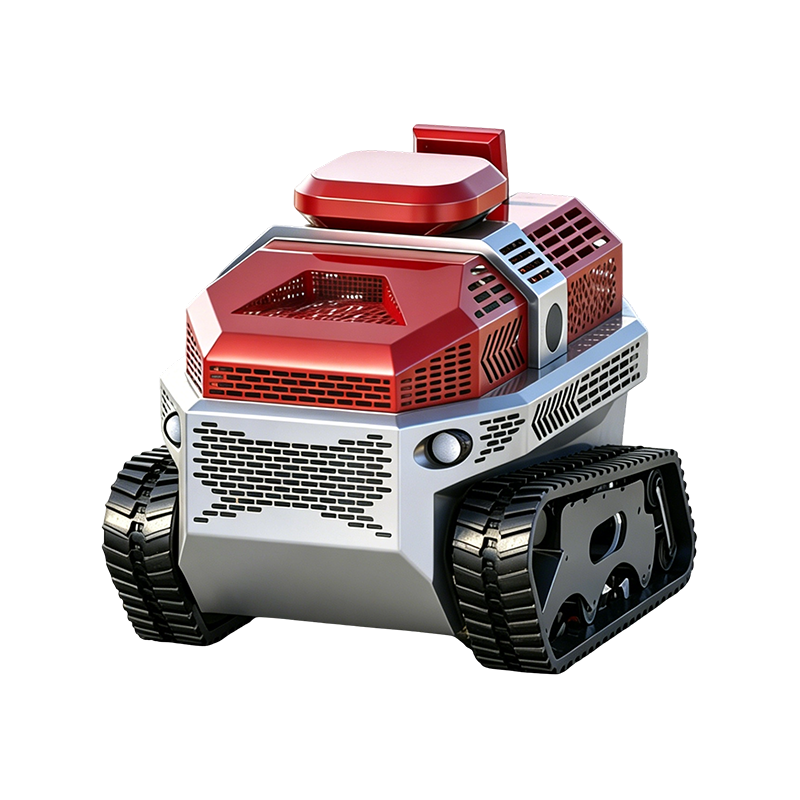 Wholesale Compact Tracked Intelligent Drainage Robot (600m³/h) Suppliers, CompanWuhu Qisheng Intelligent Equipment Co., Ltd. Is China Wholesale Compact Tracked Intelligent Drainage Robot (600m³/h) Suppliers, Exporter,...View Product →
Hose handling and autonomy
Ask how the discharge hose is deployed and recovered. Manual hose laying is the main reason a so-called mobile pump still needs several workers. Integrated or automatic hose management keeps the crew small, so the robot can work through the night with a single operator.
Control system and telemetry
Verify the control range in your real operating conditions, not just in ideal one. A system that loses signal inside a concrete basement is not useful for sewer work. Live data on pump speed, flow rate, and fault codes is worth paying for because it turns a remote machine into a managed asset.
Durability and power source
The pump core must survive the water it handles. Stainless steel construction and submersible sealing protect against corrosion and leakage, while slurry-resistant impellers handle silt and sand. In flood and emergency scenarios, a hydraulic drive is often preferable to electric because it avoids shock hazards in standing water and keeps working when grid power is unavailable.
Final thoughts
The benefits of intelligent drainage robots come down to five practical outcomes: faster deployment, smaller crews, safer working distance, higher pumping output, and useful operating data. Each one has a direct cost effect. Shorter response times reduce property damage, smaller crews lower labor cost, and remote control reduces the risk of injuries that can stop a project for weeks.
When you evaluate a machine for your fleet, check the flow rate against your real peak demand, choose the mobility platform for the worst terrain you expect, and confirm the control system performs where you actually work. Get those details right, and an intelligent drainage robot will earn its place in almost any flood-response or industrial-drainage operation.