 English
 русский
Qisheng
Qisheng
Qisheng
Qisheng
Qisheng
Qisheng
Qisheng
Qisheng
Qisheng
Table of Contents
- 1 What drainage robot and manual sewer inspection actually involve
- 2 The safety gap is the largest operational difference
- 3 Speed and coverage: robots extend every inspection shift
- 4 Data quality: structured records versus human judgment
- 5 Cost comparison: upfront investment versus recurring crew time
- 6 Where manual sewer inspection remains the right choice
- 7 Decision framework: drainage robot versus manual sewer inspection
- 8 Adding a drainage robot to your sewer inspection operation
- 9 Frequently asked questions
Standing at a manhole in front of an aging brick sewer, a crew leader faces a decision that sets the tone for the whole shift: prepare a confined-space entry team, or lower a remotely operated drainage robot into the line. The two methods look similar on a work order, but they differ sharply in safety exposure, inspection speed, data quality, and long-term cost. This guide explains the differences between drainage robot and manual sewer inspection so you can match each method to the right job.
What drainage robot and manual sewer inspection actually involve
Manual sewer inspection is any condition assessment that relies on a person entering the pipe or on a camera crew working from the surface. Drainage robot inspection uses a remotely controlled, camera-equipped machine that travels through the sewer and collects visual, positional, and hydraulic data while the operator remains at ground level.
Core definition
A drainage robot is a remotely operated inspection platform designed to enter live or partially flooded sewer lines, capture structured condition data, and in many cases pump water as it advances, so no one has to enter the confined space.
Manual methods still dominate many networks, but they come in two distinct forms. Entry inspection sends a trained worker into the pipe for direct visual and tactile assessment. Surface CCTV pushes or tows a camera through a line that has already been bypassed or dewatered. Both approaches stop whenever the atmosphere or flow exceeds safe limits.
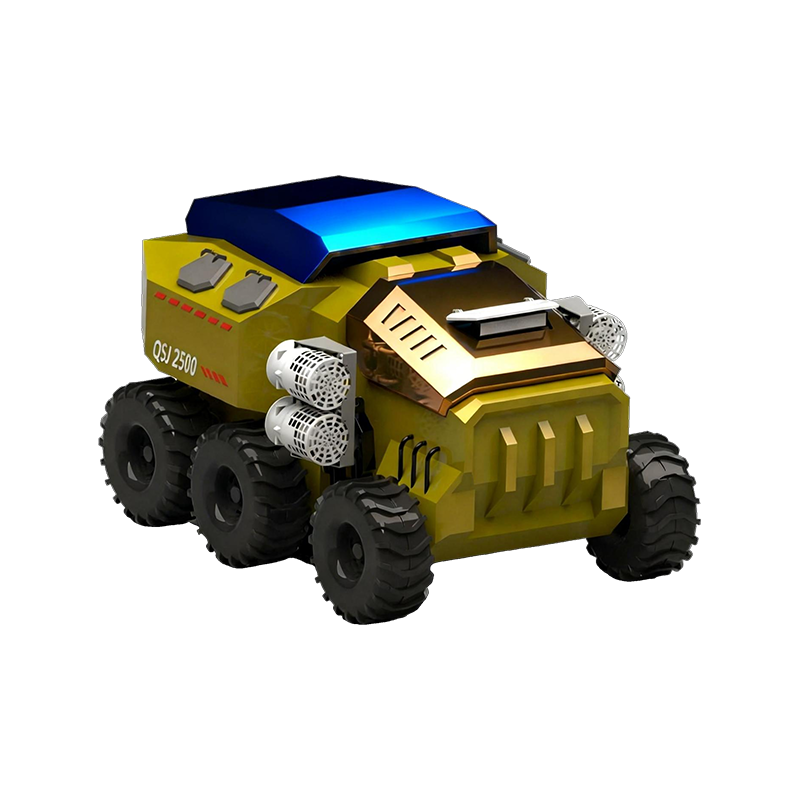
A drainage robot removes that constraint. Tracked and amphibious platforms such as the amphibious intelligent drainage robot can roll through sediment, float in water, and keep the camera and sensors moving while the line is still running. That single capability explains most of the operational differences covered below.
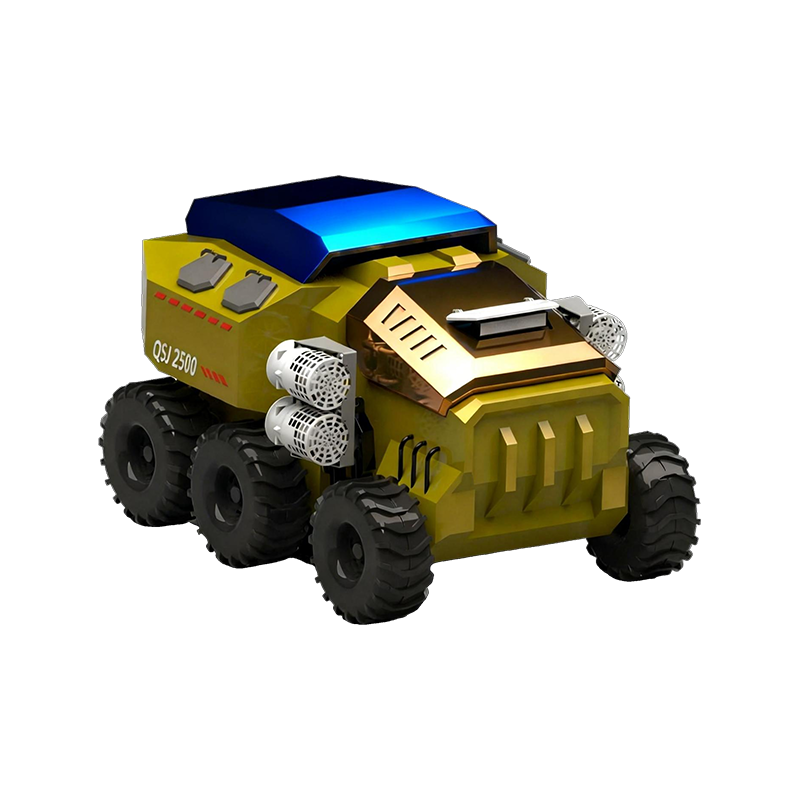 Wholesale Amphibious Intelligent Drainage Robot (20002500 m³/h) Suppliers, CompaWuhu Qisheng Intelligent Equipment Co., Ltd. Is China Wholesale Amphibious Intelligent Drainage Robot (20002500 m³/h) Suppliers, Exporter...View Product →
The safety gap is the largest operational difference
The single most important difference between a drainage robot and manual sewer inspection is that the robot removes the human being from the hazardous atmosphere.
Sewer atmospheres routinely contain hydrogen sulfide, methane, and oxygen-deficient pockets. In the United States, permit-required confined-space entry demands a written permit, continuous gas monitoring, forced-air ventilation, a tripod and winch, and a standby rescuer. Even with those controls, the rescue team remains exposed.
That is why manual inspection runs on a rhythm of preparation and rotation: gas checks, ventilation, short work intervals, and crew changeovers. A robot removes nearly all of those steps. The operator stands at the surface, the machine carries the sensors into the risk zone, and the hazardous atmosphere never touches a person.
The controls that a robot takes out of the workflow:
- Permit-to-enter authorization and rescue plan review
- Continuous four-gas atmosphere monitoring
- Forced-air ventilation before and during entry
- A standby rescuer with retrieval winch and tripod
- Entry time limits and crew rotation
The crew difference is concrete: entry inspection typically needs four trained people, while a robot operation can manage with two.
Speed and coverage: robots extend every inspection shift
A drainage robot covers three to four times more linear sewer per shift than a surface CCTV crew, and far more than an entry team, because it does not stop for permit checks, ventilation, or entry rotation.
The reasons are practical. Entry inspection is limited by physical endurance and air supply. CCTV survey is limited by the need to drain the line and reposition the truck. A robot that moves through partially flooded pipe, climbs over sediment, and pumps as it goes simply keeps moving until the fuel supply or battery runs out.
For a network owner, this converts into planning power: 950 meters per shift instead of 250 means an entire catchment can be surveyed in one season.
Data quality: structured records versus human judgment
Robot inspection produces consistent, repeatable records (synchronized video, position, depth, and flow readings), while manual inspection depends on what the individual inspector notices and writes down.
A trained human eye remains excellent at spotting subtle cracking, infiltration, and root intrusion. The problem is standardization. Two inspectors can record the same defect differently, and handwritten field notes rarely carry the precise location data that a maintenance planning team needs.
What a modern drainage robot records in a single pass:
- Continuous video with timestamps synchronized to position
- Distance and depth readings tied to a stable reference point
- Obstacle detection and avoidance data from onboard sensors
- Flow and pumping performance data while the unit operates
Operators can monitor control range, obstacle avoidance, and real-time records from the surface, a capability covered in detail in our guide to intelligent drainage robot control range, obstacle avoidance, and live data.
Why records matter
A trained human eye is hard to replace but also hard to audit. Structured robotic records let you compare a pipe against its own history, season after season.
For maintenance planning, that comparability is decisive: a robot survey run next year produces directly comparable numbers; a manual report does not.
Cost comparison: upfront investment versus recurring crew time
A drainage robot costs more to purchase than one inspection shift, but it changes the financial model of sewer inspection from paying for crew time again and again to paying once for a reusable asset.
$1,200-$2,500 typical cost of one entry-inspection shift, including crew, permits, gas detection, and traffic control
4 trained workers required for one confined-space entry crew
20-40 shifts needed for a robot to break even against entry-crew rates
The recurring costs of manual inspection are easy to underestimate: medicals, confined-space training, calibration gas, permits, vehicle time, and setup hours. A tracked or amphibious robot has its own purchase price and maintenance schedule, but it works across thousands of meters of line and doubles as an emergency flood pumping unit during storms.
The arithmetic therefore depends on utilization. A utility inspecting 20 kilometers of sewer per season will usually reach break-even within the first year of robot operation. An operator that inspects a handful of manholes per year may still find a hired survey crew cheaper.
Where manual sewer inspection remains the right choice
Manual inspection is still the practical option for small-diameter laterals, unmapped private lines, and any pipe that requires entry for repair regardless of the inspection method.
Where drainage robots win
- Live and partially flooded lines
- Long linear runs and repeat annual surveys
- Standardized data for asset management
- No confined-space entry or rescue plan
Where manual crews still win
- Small-diameter pipes below robot clearance
- One-off spot checks at single manholes
- Direct hand probing for structural assessment
- Lines with no safe surface access for launching a robot
The realistic model is not robotic versus manual across the whole network; it is robotic versus manual per pipe segment. Most well-run utilities operate both: robots for trunk sewers and repeat surveys, entry crews for repairs and small-bore work.
Decision framework: drainage robot versus manual sewer inspection
The decision between the two methods comes down to six criteria: safety, throughput, data format, setup burden, cost profile, and job type. The table below compares them directly.
| Criteria | Drainage robot | Manual or CCTV crew |
| Safety exposure | No personnel enter the confined space; operator stays at the surface | Permit-required entry with gas monitoring, ventilation, and rescue standby |
| Throughput per 8-hour shift | Typically 800-1,200 m in urban lines | Entry: 30-100 m; CCTV: 150-300 m |
| Data format | Timestamped video, position, depth, and flow logs | Inspector or CCTV operator notes, variable in detail |
| Setup burden | Lower the unit and connect the hose and power supply | Gas checks, permits, ventilation, traffic control, and rescue plan |
| Cost profile | Higher upfront cost, low marginal cost per meter | Low startup cost, high recurring crew cost |
| Best-suited jobs | Trunk sewers, repeat surveys, flood response, live lines | Small laterals, repair support, unmapped private pipes |
Adding a drainage robot to your sewer inspection operation
A drainage robot delivers its full value when it is managed as part of a deployable system (robot, hydraulic power unit, hose, and an experienced operator team) rather than as a standalone gadget.
Manufacturers such as Wuhu Qisheng Intelligent Equipment Co., Ltd. build robots around the same hydraulic pumping components used in their flood and slurry pumps, so the machine can move water while it inspects. That dual role changes the economics: the same platform that documents a failing pipe in the morning can pump a flooded underpass in the afternoon. Because the machine moves water as it works, flow performance matters as much as image quality, a point we develop in our hydraulic drainage pump flow rate and durability guide.
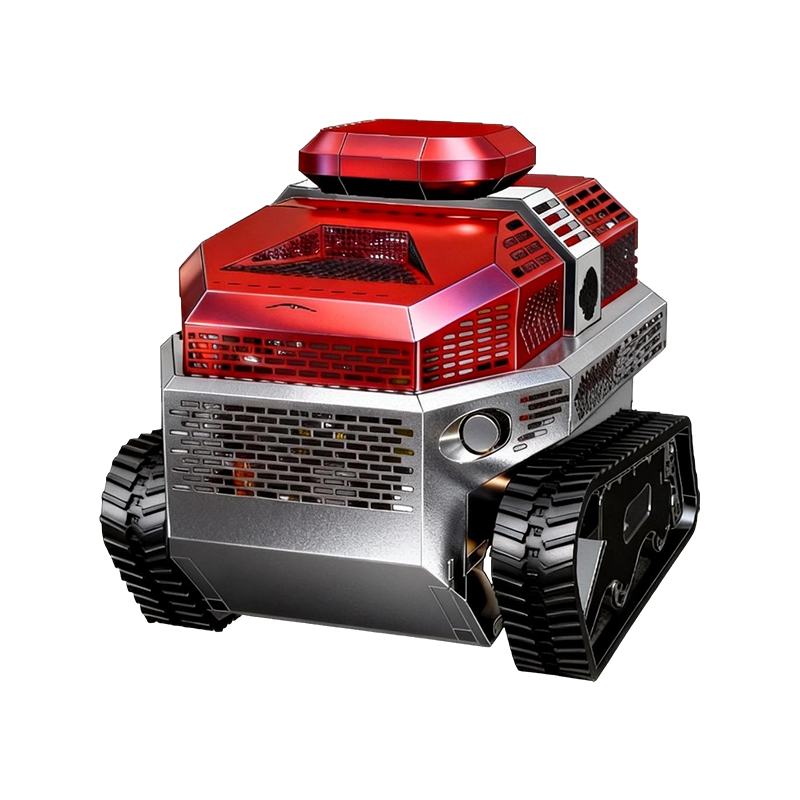
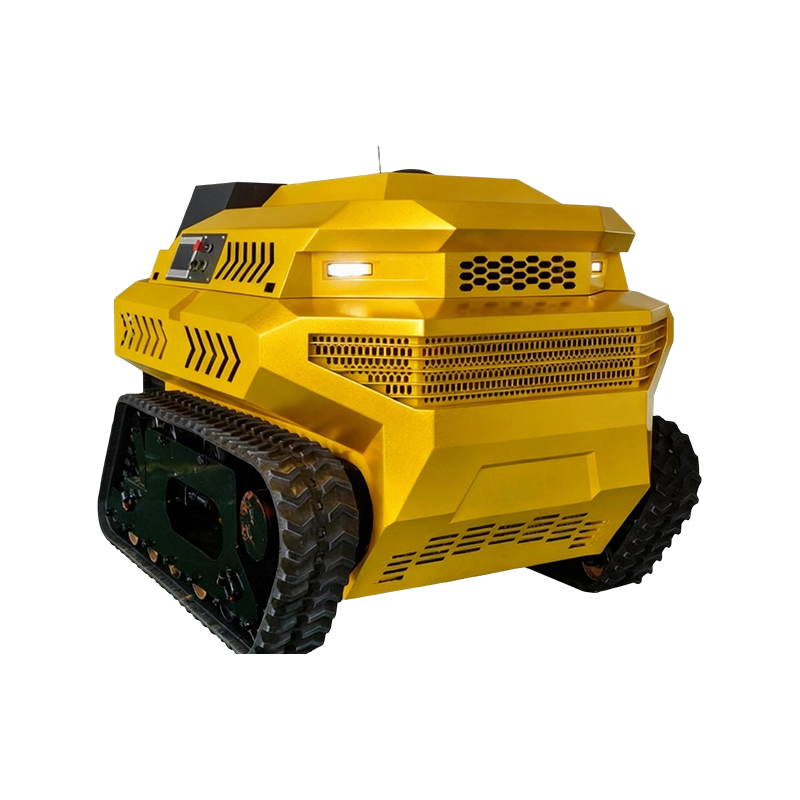
For standard manholes and tight sections, a compact tracked intelligent drainage robot gives utilities a practical entry point for their first robotic inspection program. Where the job demands high-volume water removal alongside inspection, a tracked high-flow pumping robot combines mobility with the output of a full-size pump. Municipal experience summarized in our article on how drainage robots improve urban sewer system efficiency shows that the largest gains come from repeat surveys rather than occasional use.
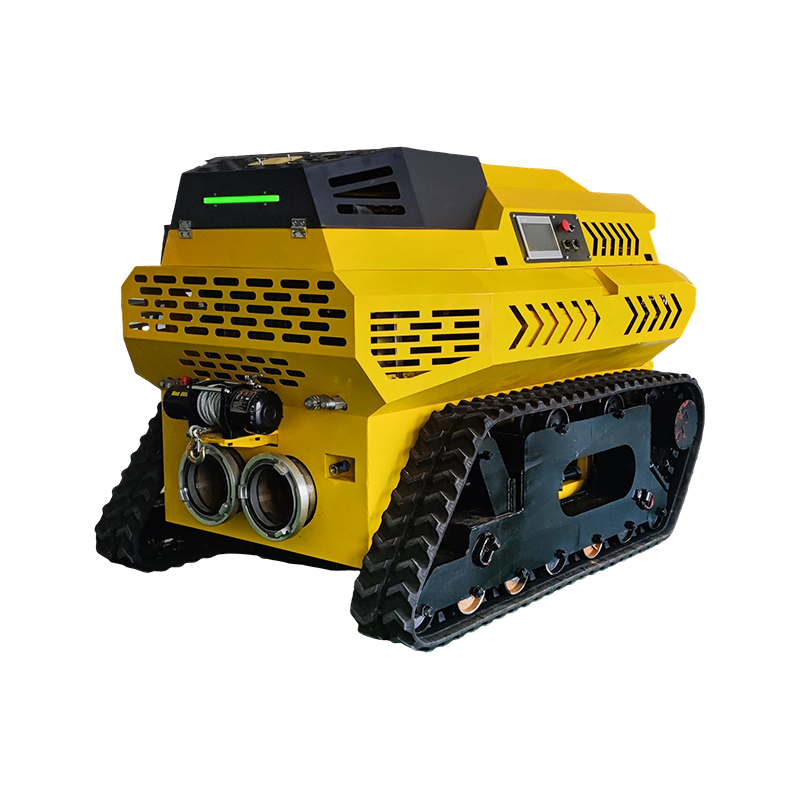 Wholesale Tracked HighFlow Pumping Robot (10001300 m³/h) Suppliers, Company, ExpWuhu Qisheng Intelligent Equipment Co., Ltd. Is China Wholesale Tracked HighFlow Pumping Robot (10001300 m³/h) Suppliers, Exporter, Compa...View Product →
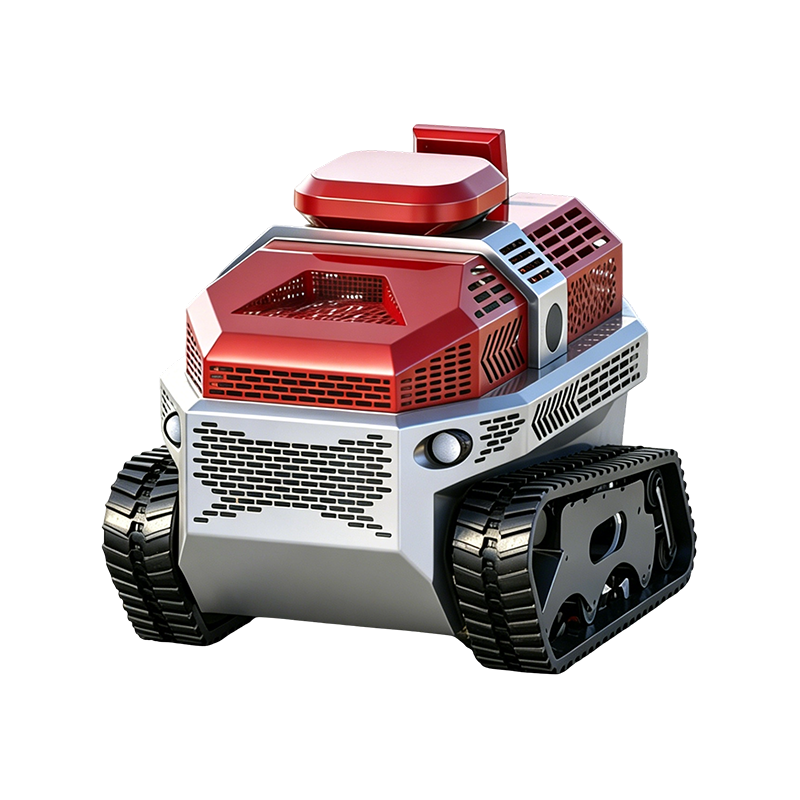 Wholesale Compact Tracked Intelligent Drainage Robot (600m³/h) Suppliers, CompanWuhu Qisheng Intelligent Equipment Co., Ltd. Is China Wholesale Compact Tracked Intelligent Drainage Robot (600m³/h) Suppliers, Exporter,...View Product →
A typical robotic inspection run follows a short sequence:
Lower the robot through the manhole. Set it on the pipe invert and confirm the camera feed.
Connect the discharge hose and hydraulic power supply at the surface.
Drive the robot through the line while recording video and telemetry.
Pump accumulated water and sediment as the unit advances.
Retrieve the robot, download the survey file, and mark defects for repair.
Teams that follow this sequence find that the robot becomes a planning instrument, not just a camera, because the data it returns tells them which pipes to repair first and which can wait.
Frequently asked questions
Is a drainage robot safe to use in a sewer with gas?
Yes for the operator, because no one enters the atmosphere. The robot itself is built for corrosive and potentially explosive environments, but the surface team should still monitor the atmosphere at the access point, since gas can accumulate around an open manhole.
Can a drainage robot replace a CCTV camera truck?
For trunk sewers and repeat surveys, yes. For small-diameter laterals that a robot cannot physically enter, a camera truck or push camera remains necessary. Most operators use robots for the network backbone and cameras for smaller branches.
How long does it take to deploy a drainage robot?
A trained two-person crew can set up a compact tracked robot and start inspecting within 15 to 30 minutes of arrival. A confined-space entry team typically needs one to two hours of preparation before anyone goes down.
Do drainage robots only inspect, or can they pump as well?
High-flow and amphibious drainage robots carry integrated pumping capability, so they remove water and sediment while advancing. This is the key difference from a passive CCTV crawler, which requires a dry line.