 English
 русский
Qisheng
Qisheng
Qisheng
Qisheng
Qisheng
Qisheng
Qisheng
Qisheng
Qisheng
Table of Contents
- 1 CoreWhat an Intelligent Drainage Robot Adds to the Job
- 2 ControlAutomation Versus Manual Operation
- 3 MobilityFixed Points Versus Flexible Deployment
- 4 SafetyKeeping Workers Out of Hazardous Water
- 5 CostUpfront Investment Versus Long-Term Operating Cost
- 6 DecideMatching the Equipment to the Job
- 7 Frequently Asked Questions
When a parking garage floods at 2 a.m., the difference between a crew driving out a pump and a unit already rolling into position is measured in minutes that matter. Comparing an intelligent drainage robot against traditional drainage equipment on automation, mobility, and safety shows exactly where each solution earns its place.
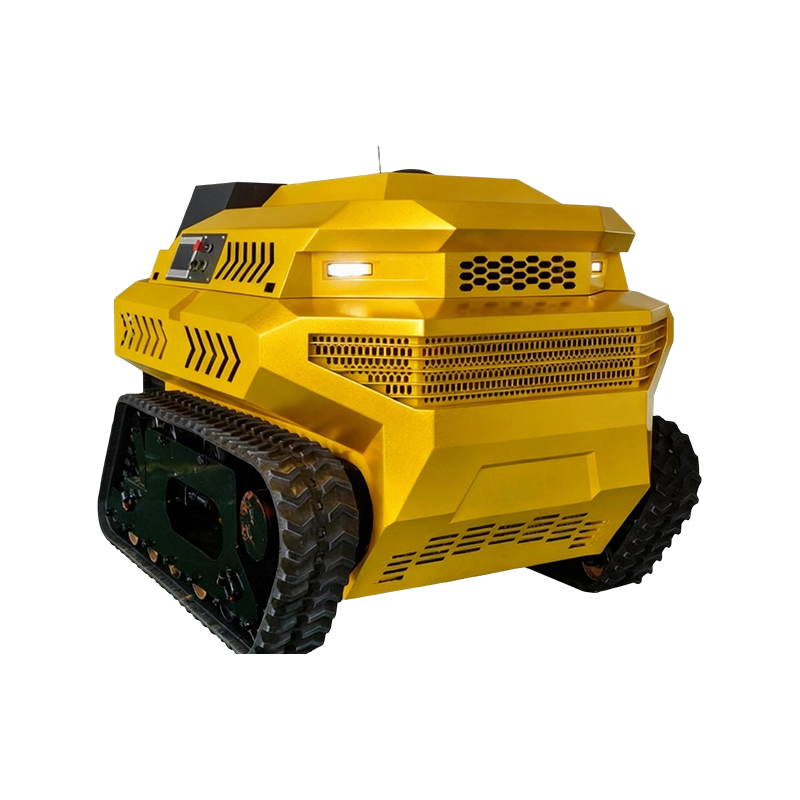
Remote operation keeps workers out of flooded and hazardous zones entirely
CoreWhat an Intelligent Drainage Robot Adds to the Job
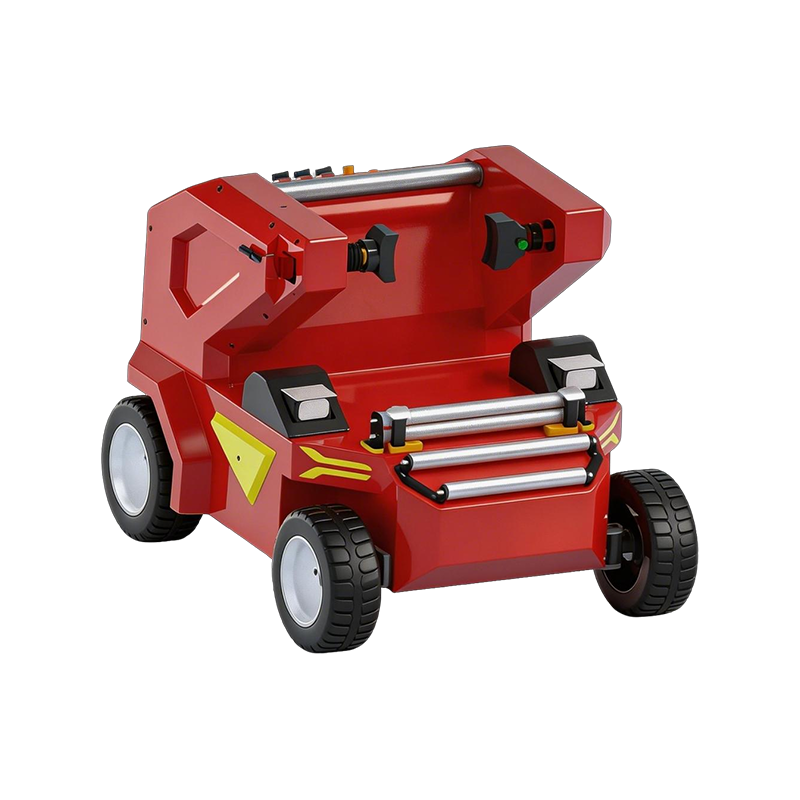
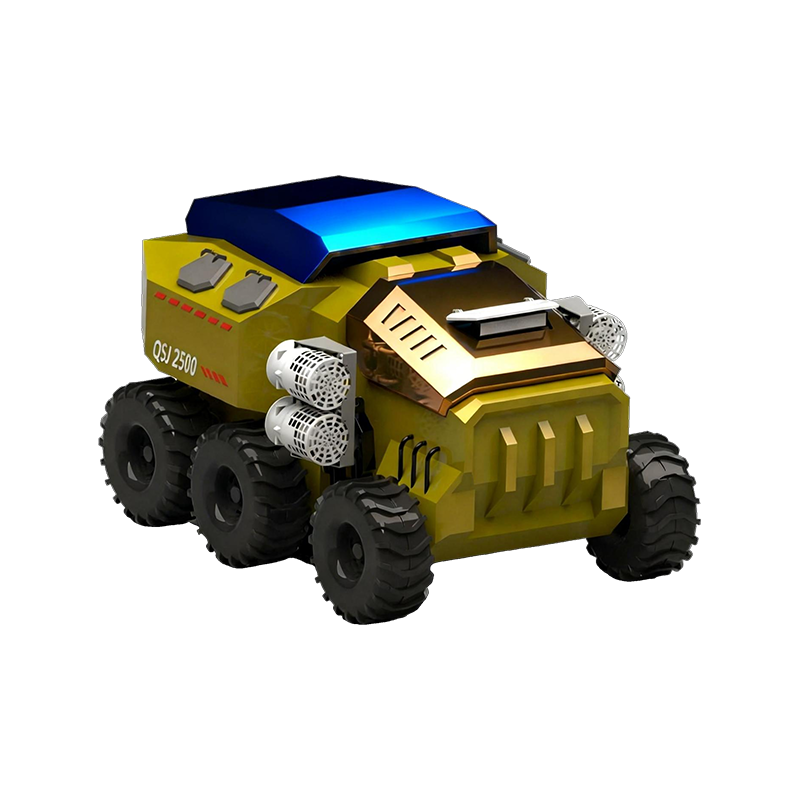
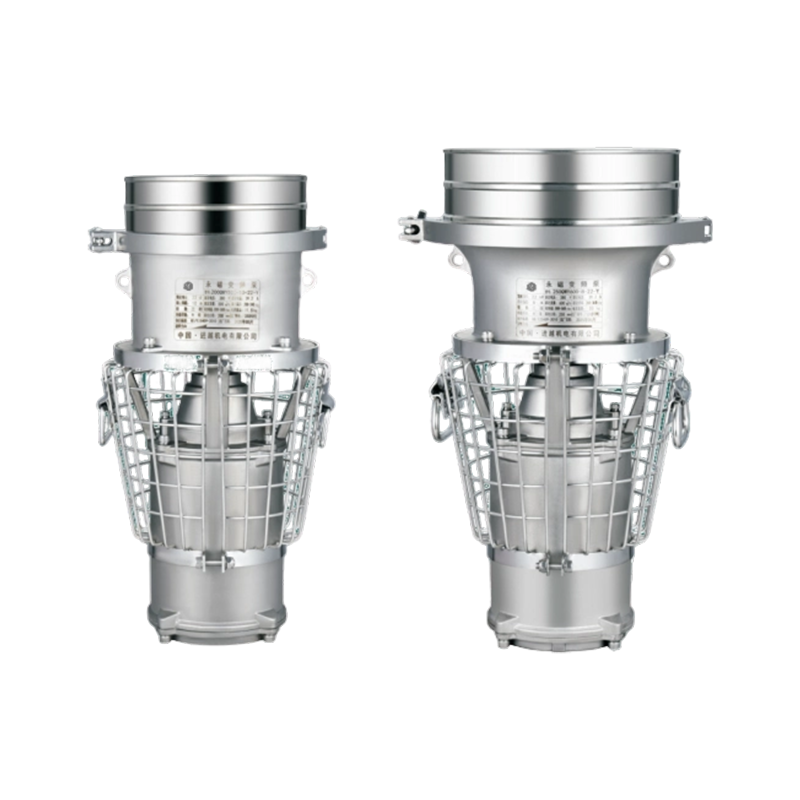
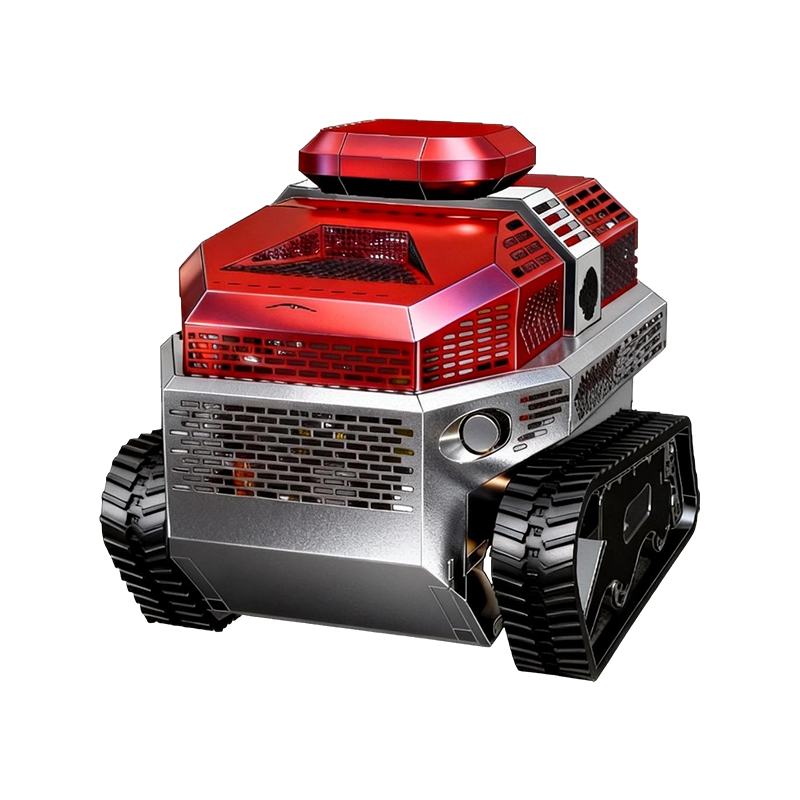
An intelligent drainage robot combines automatic movement, intelligent control, real-time water level monitoring, and remote operation into one mobile unit, unlike traditional drainage equipment such as submersible pumps and fixed pumping systems that depend on manual installation and on-site operation at a permanent drainage point.
ControlAutomation Versus Manual Operation
The clearest split between the two approaches is control. An intelligent drainage robot runs on automatic operation with remote monitoring, intelligent scheduling, and real-time status feedback, cutting manual intervention and improving response speed during a flood event. Traditional drainage equipment depends on manual startup, on-site inspection, and operator experience, which means slower response and higher labor demand exactly when speed matters most.
Intelligent Drainage Robot
Automatic operation, remote monitoring, mobile deployment, lower labor need, faster emergency response, higher upfront cost.
Traditional Drainage Equipment
Manual startup, fixed installation, proven pumping capacity, lower initial cost, slower response, higher labor requirement.
MobilityFixed Points Versus Flexible Deployment
Traditional drainage equipment is generally installed at a fixed point and stays there, which suits permanent pumping stations and stable environments well. An intelligent drainage robot is built to move between locations, adapting to flooded underground parking areas, construction zones, and emergency rescue sites without the setup delay a fixed system requires at a new location.
- Mobile deployment across changing environments and temporary sites
- Continuous monitoring that reduces downtime during active drainage
- Lower operational risk since personnel stay out of hazardous water
- Faster relocation compared with reinstalling fixed pumping systems
SafetyKeeping Workers Out of Hazardous Water
Traditional drainage equipment often puts operators near water accumulation, electrical equipment, and difficult terrain during exactly the conditions that make those areas dangerous. An intelligent drainage robot reduces that exposure directly, since remote control lets a single operator manage drainage from a safe distance rather than standing in a flooded basement or tunnel.
CostUpfront Investment Versus Long-Term Operating Cost
Traditional drainage equipment wins on initial purchase price, simple installation, and easy operation, which keeps it the default for small-scale, cost-sensitive, routine drainage projects. An intelligent drainage robot costs more upfront due to its sensors, control systems, and automation technology, but that investment can pay back through reduced labor, faster emergency response, and less downtime across repeated deployments.
| Feature | Intelligent Drainage Robot | Traditional Drainage Equipment |
| Operation Mode | Automated and intelligent | Manual or fixed control |
| Mobility | Mobile deployment | Mostly fixed |
| Labor Requirement | Lower | Higher |
| Emergency Response | Faster | Depends on setup |
| Initial Cost | Higher | Lower |
DecideMatching the Equipment to the Job
Choosing the right approach comes down to how the drainage need actually behaves day to day.
Check Response Time Requirements
Emergency flood response favors an intelligent drainage robot over equipment that needs manual setup first.
Assess Environment Stability
Permanent, stable sites suit fixed traditional pumping systems better than mobile deployment.
Weigh Labor Availability
Limited on-site staff makes remote-operated robots more practical during active events.
Compare Total Operating Cost
Factor labor, downtime, and response speed against the higher upfront cost of automation.
Frequently Asked Questions
Is an intelligent drainage robot better for emergency flooding?
Yes. Automatic operation, remote monitoring, and mobile deployment let an intelligent drainage robot respond faster than equipment that requires manual setup at a fixed point.
Does traditional drainage equipment still make sense for most projects?
Yes, especially for permanent pumping stations and standard drainage systems where lower initial cost and simple operation outweigh the need for mobility or automation.
How does an intelligent drainage robot improve worker safety?
Remote operation keeps personnel out of flooded areas, hazardous environments, and locations near electrical equipment, lowering the operational risk traditional manual drainage work carries.
Is the higher cost of an intelligent drainage robot worth it long term?
For organizations facing frequent emergency drainage needs, reduced labor requirements and faster response can offset the higher initial investment over repeated deployments.
 |
 |