 English
 русский
Qisheng
Qisheng
Qisheng
Qisheng
Qisheng
Qisheng
Qisheng
Qisheng
Qisheng
Table of Contents
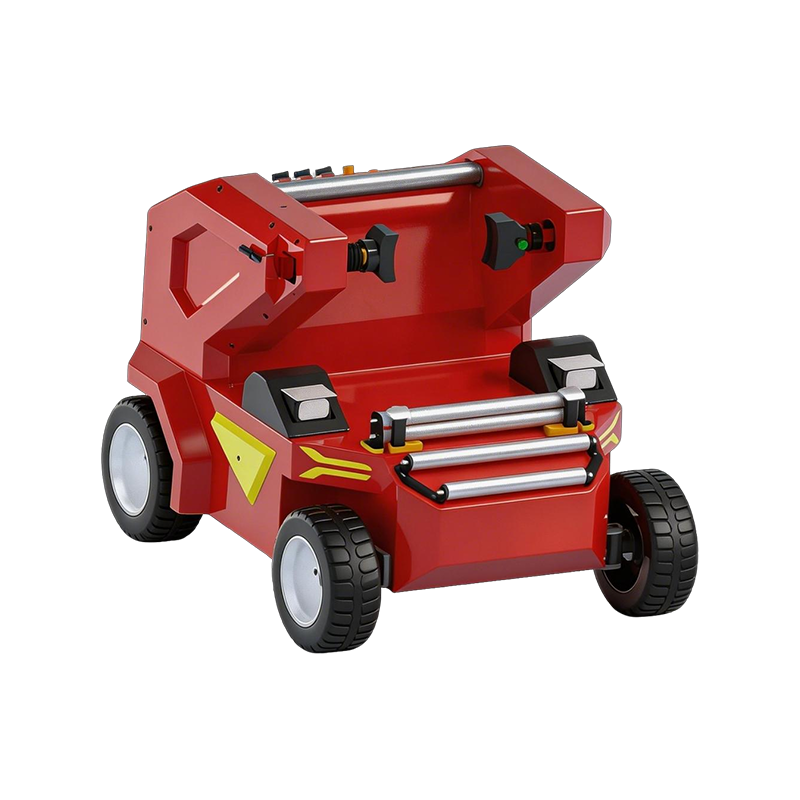
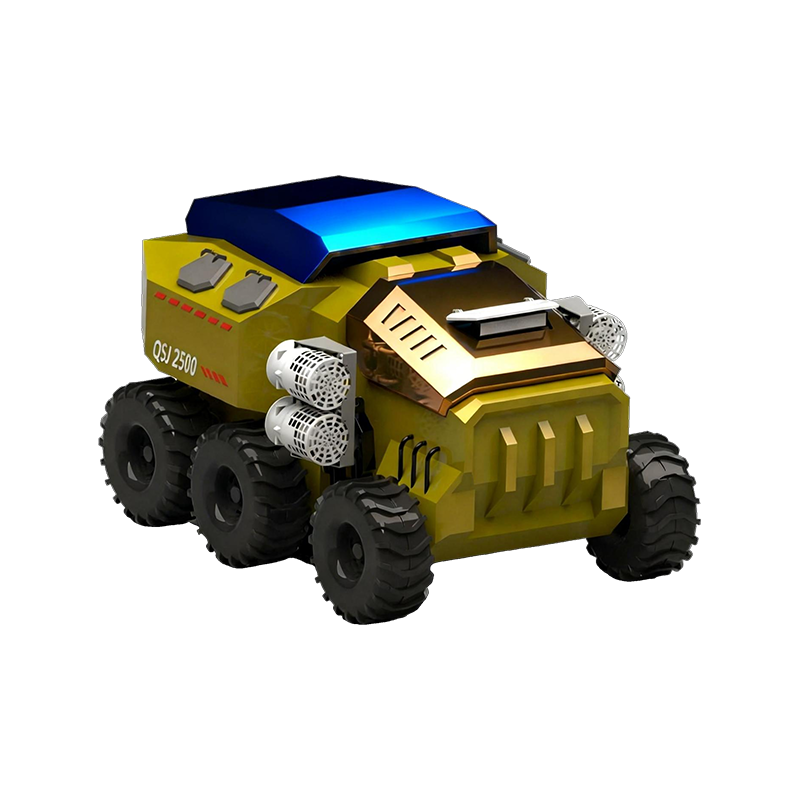
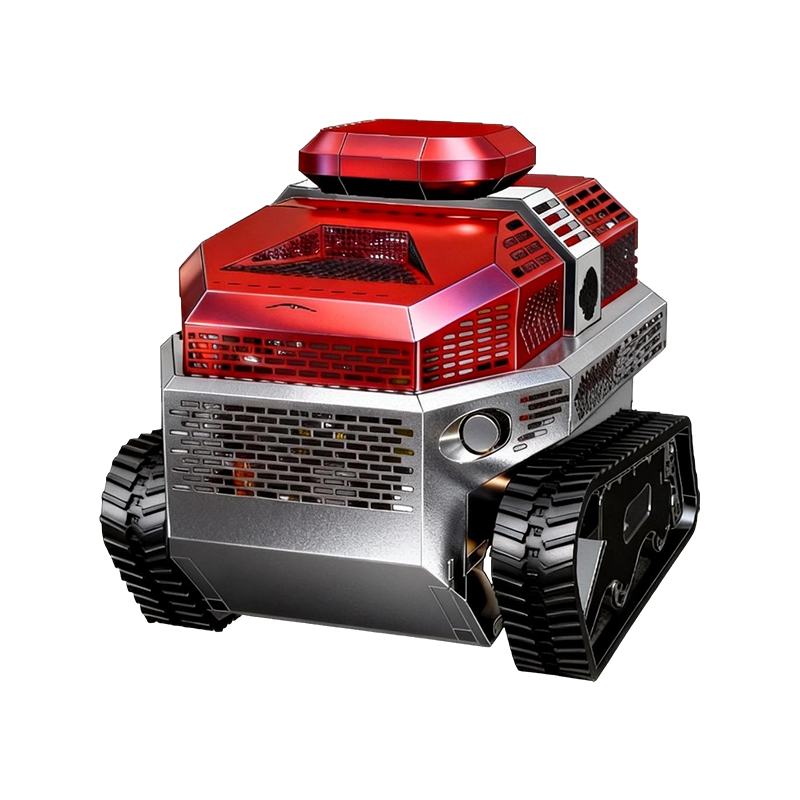
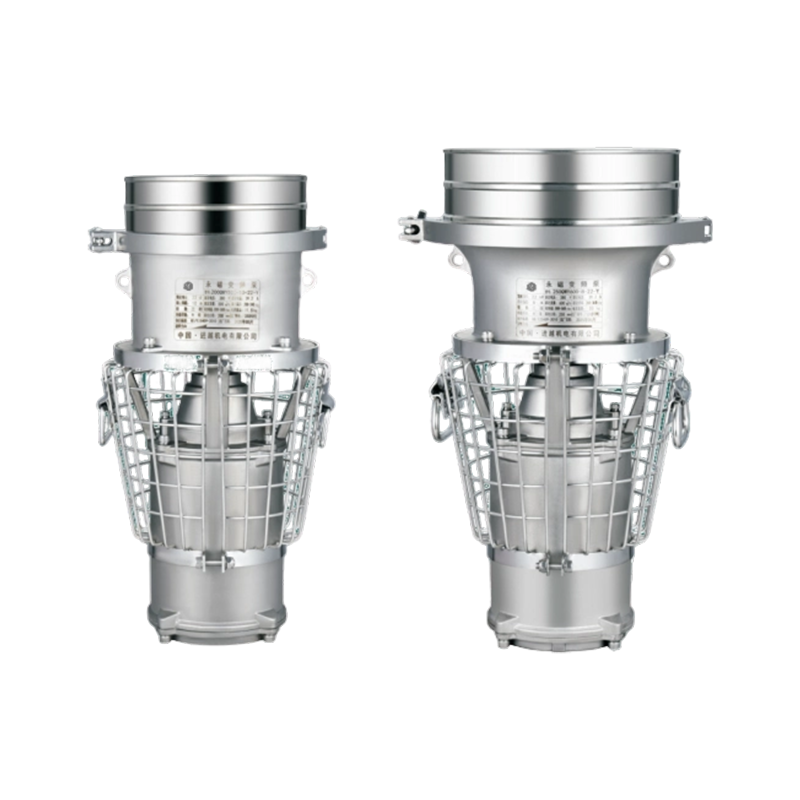
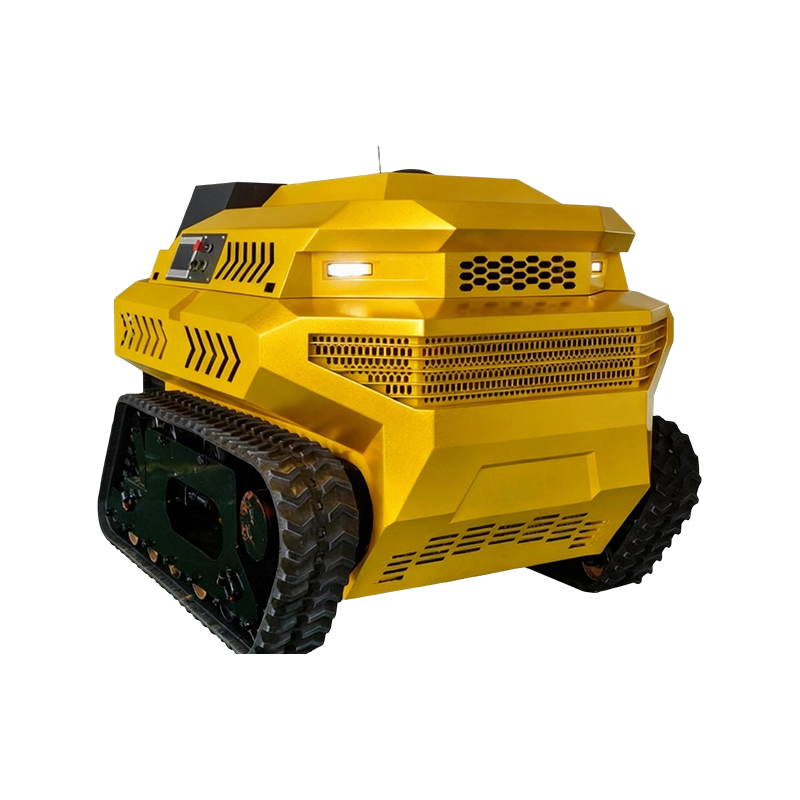
Urban flooding does not wait for a scheduled maintenance window, which is exactly why an Intelligent Drainage Robot is increasingly the equipment municipalities and facility managers reach for first. Unlike fixed pump installations, these systems move to wherever water is accumulating, run unattended, and report status in real time. Here is where they are actually being deployed across industries today.
Urban Flood Control and Municipal Roads
City streets, underpasses, and low-lying public squares flood fastest during heavy rainfall, and a mobile Intelligent Drainage Robot can reach these zones without waiting for a fixed pump station to be cleared or repaired. Because the unit deploys directly to the affected road segment, response time drops sharply compared with manually hauling portable pumps into place.
Underground Parking Garages
Parking structures sit below grade, which makes them one of the first areas to flood when a drainage pump fails or rainfall intensity spikes. Robots operating remotely in these structures can begin water removal before standing water reaches parked vehicles or electrical infrastructure.
Construction Sites
Foundation pits and excavation areas need drainage equipment that relocates as work zones shift, without repeated fixed installation.
Tunnels and Underground Infrastructure
Road and railway tunnels rely on reliable drainage to protect traffic safety and equipment, often in spaces unsafe for manual entry.
Industrial Facilities
Pipeline failures and equipment leakage inside factories and workshops call for fast, targeted water removal near sensitive machinery.
Warehouses and Logistics Centers
Storm-driven leaks near stored inventory demand rapid response to limit product damage and reduce facility downtime.
Commercial Buildings and Transportation Hubs
Shopping malls, office towers, and hotels use basement-level drainage to protect building structures and electrical systems, while subway stations and transit tunnels depend on fast response to avoid service interruption. In both settings, an Intelligent Drainage Robot reduces the time between detecting standing water and actively removing it.
"
The value of a mobile drainage robot is not raw pumping capacity, it is how fast that capacity can reach the exact point where water is accumulating.
Emergency Rescue and Disaster Response
During typhoons, flash floods, and large-scale urban flooding, emergency response teams use drainage robots to enter affected zones quickly, reduce manual workload, and operate safely in environments that would otherwise put personnel at risk. Municipal rescue teams increasingly treat this equipment as standard disaster-response infrastructure rather than a specialty tool.
Agricultural and Rural Water Management
Farmland flooding and irrigation zone management also benefit from mobile drainage technology, letting operators clear waterlogged fields without the labor cost of relocating fixed pump systems between plots.
Application Comparison at a Glance
| Application Area | Main Challenge | Robot Advantage |
| Urban roads | Rainwater accumulation | Fast emergency deployment |
| Parking garages | Basement flooding | Flexible water removal |
| Tunnels | Underground water risks | Safer remote operation |
| Warehouses | Product protection | Reduced damage risk |
| Disaster response | Large-scale flooding | Mobile, rapid coverage |
Why Adoption Is Accelerating
Four forces are pushing more industries toward an Intelligent Drainage Robot instead of fixed pump infrastructure alone.
- Climate-driven increases in extreme rainfall and flash flooding events
- Rising safety requirements that limit worker exposure to flooded zones
- City-wide demand for automated, digitally monitored infrastructure
- Operational pressure to cut deployment time versus manual pump handling
Where is an Intelligent Drainage Robot most commonly deployed?
The most common deployments are urban roads, underground parking garages, and construction sites, where flooding is frequent and fixed drainage infrastructure is limited or unavailable.
Can these robots operate during active storm events?
Yes. They are designed for remote and automated operation specifically so they can be deployed and monitored while a storm or flooding event is still in progress.
Are drainage robots only useful in cities?
No. While urban flood control is a primary use case, agricultural water management and industrial facility protection are also growing application areas.
What is the main safety benefit over traditional drainage equipment?
Remote operation means workers no longer need to enter flooded, low-lying, or structurally risky areas to manage water removal manually.