 English
 русский
Qisheng
Qisheng
Qisheng
Qisheng
Qisheng
Qisheng
Qisheng
Qisheng
Qisheng
Table of Contents
- 1 Defining Quality in Drainage Robot Manufacturing
- 2 Design Validation: Quality Is Decided Before Metal Is Cut
- 3 Hydraulic Testing: The Core of Robot Quality Control
- 4 Component Sourcing and Material Control
- 5 Factory Assembly and Production Control
- 6 Documentation, Certification, and Buyer Verification
- 7 Frequently Asked Questions
A flood-response supervisor in a coastal municipality watches a crane lower a tracked drainage robot onto a submerged road. The rubber tracks bite into wet asphalt, the hose reel feeds out, and the remote operator pushes the throttle to full. Within minutes the water level starts to fall. The machine repeats that performance through the rest of the shift, then starts again the next morning. Exactly this repeatability is what separates a well-built drainage robot from an assembled one.
Quality in this product category is not a matter of opinion. It is engineered through design validation, hydraulic circuit testing, material selection, and assembly discipline. This article explains how drainage robot manufacturers such as Wuhu Qisheng Intelligent Equipment Co., Ltd. build those four pillars into every unit, and what a buyer should check before signing an acceptance report.
Defining Quality in Drainage Robot Manufacturing
A drainage robot is quality-certified only when it delivers its published flow and head ratings continuously in debris-laden water without unplanned stops.
A drainage robot is not a consumer appliance. It is a hydraulic system on a tracked or amphibious chassis, combining a pump end, a power source, hose management, and remote controls. It must survive mud, sand, submergence, repeated repositioning, and cold starts. The quality standard therefore includes flow accuracy, hydraulic leak integrity, thermal stability, and mechanical toughness.
Core concept: Duty cycle
The complete sequence of operating conditions a drainage robot will encounter: start, loaded run, repositioning, cool-down, and shutoff, defined with fluid characteristics, duration, and ambient conditions before the machine is built.
At Wuhu Qisheng Intelligent Equipment, usable flow, not peak flow, drives the design. Published ratings across the intelligent drainage robot line are verified against pump curves rather than marketing targets. Three metrics matter most to buyers:
600 m³/h Compact tracked robot rated flow
1000-1300 m³/h Tracked high-flow robot range
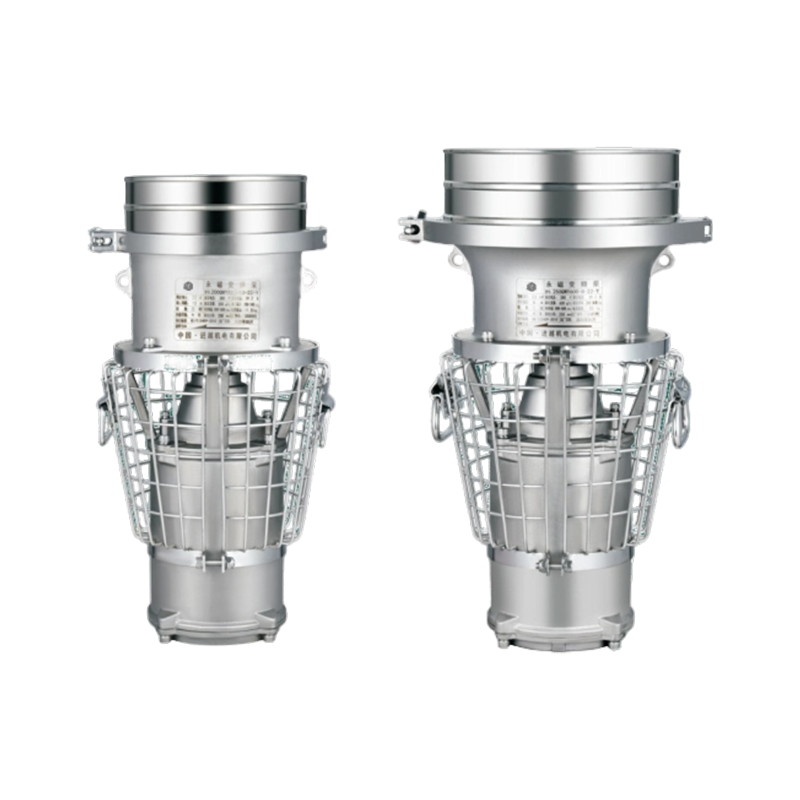
5072 L/min Largest submersible pump end in the robot family
Published capacity range (upper bound) by Qisheng drainage robot platform
Compact tracked
Tracked high-flow
Amphibious
These figures mean nothing without test evidence. The following sections show where that evidence is created and how a buyer can verify it.
Design Validation: Quality Is Decided Before Metal Is Cut
Responsible manufacturers complete duty-cycle analysis and hydraulic component derating before prototyping begins.
At Wuhu Qisheng Intelligent Equipment, design engineers with field experience in hydraulic equipment map the intended workload first: water temperature, solids concentration, discharge head, and operating schedule. These parameters determine pump end selection, hose diameter, oil cooler capacity, and chassis configuration.
- Pump end type: axial-flow geometry for high-volume flood water, slurry-pump geometry for sand and abrasives
- Hydraulic oil cooling: sized for continuous rated operation, not short bursts
- Chassis form: tracked, amphibious, or wheeled, matched to access terrain
- Control system: remote range, obstacle avoidance, and hose-reel automation
Control-range and obstacle-avoidance behavior is documented separately in Qisheng's live field-control research.
The total cost of a drainage robot is dominated by downtime. A machine that stops once in the middle of a flood response costs more than the entire purchase price.
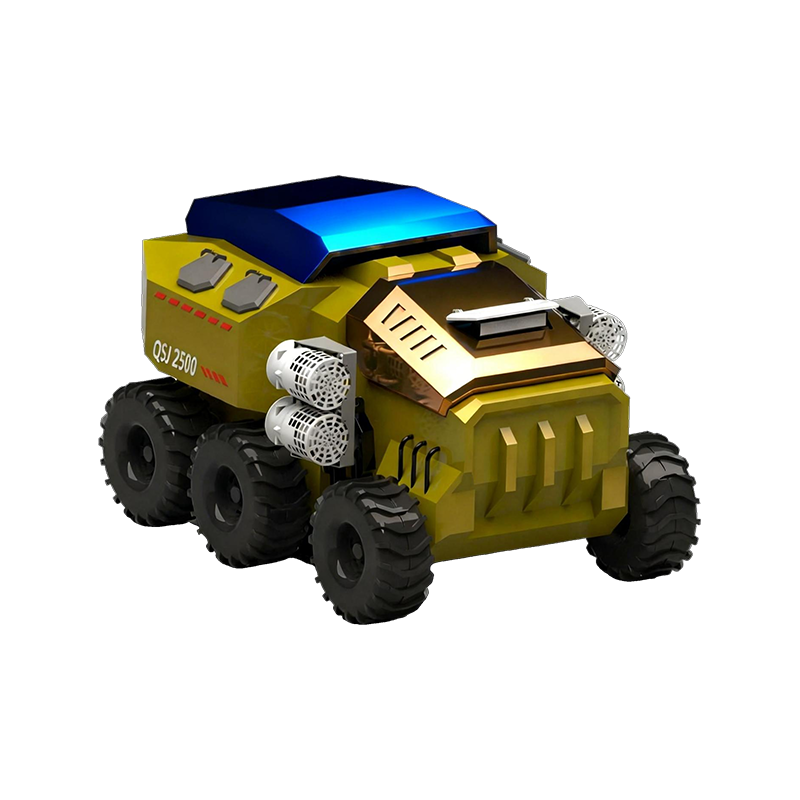
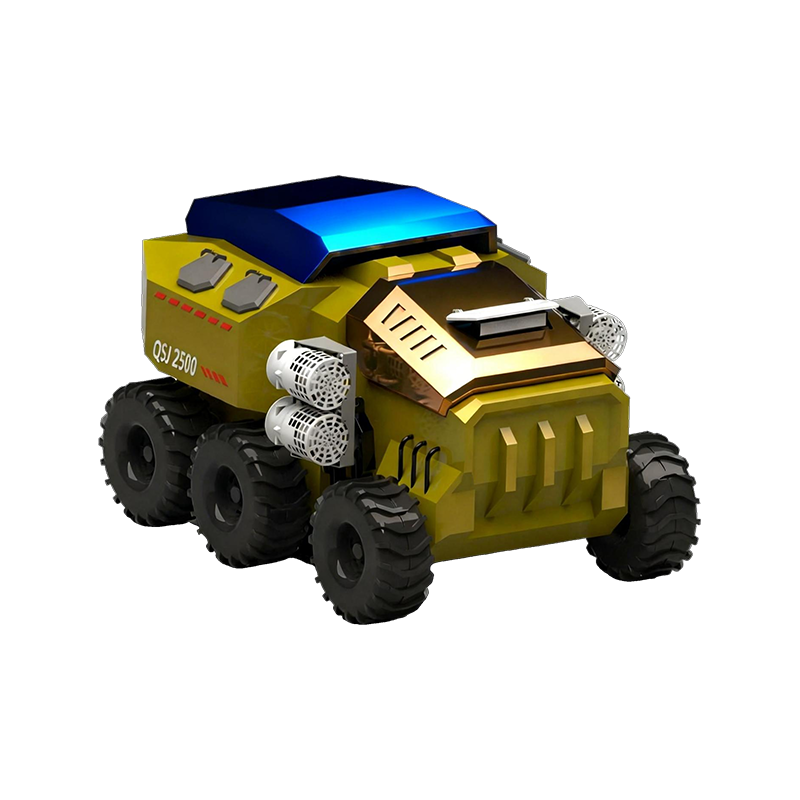 Amphibious Drainage Robot with 2000–2500 m³/h CapacityThis six-wheel-drive drainage robot transitions between land and water, powered by four hydraulic pumps for high-volume water removal. Its modular hydraulic ports and winch options make it a versatile choice for complex rescue and engineering operations.View Product →
Hydraulic Testing: The Core of Robot Quality Control
Flow, pressure, and endurance testing on every assembled unit separates certified robots from simply assembled ones.
Hydraulic robots convert engine power into pump work through a pump, valve block, hoses, and actuators. A single leaking fitting destroys performance. Leak-free circuits and stable flow are verified by four tests in Qisheng's production quality system:
| Test | What It Verifies | Typical Acceptance |
| Flow output at rated speed | Pump end matches nameplate | within +/-5% of rated flow |
| Pressure hold test | Seals and hose integrity | zero drop over 10 minutes |
| Continuous endurance run | Thermal stability of the full system | 24-100 hours without stop |
| Oil temperature rise | Cooling circuit sizing | rise below 60C at rated load |
The highest-capacity platform in Qisheng's robot line carries the largest pump end, and it receives the longest endurance validation before release.
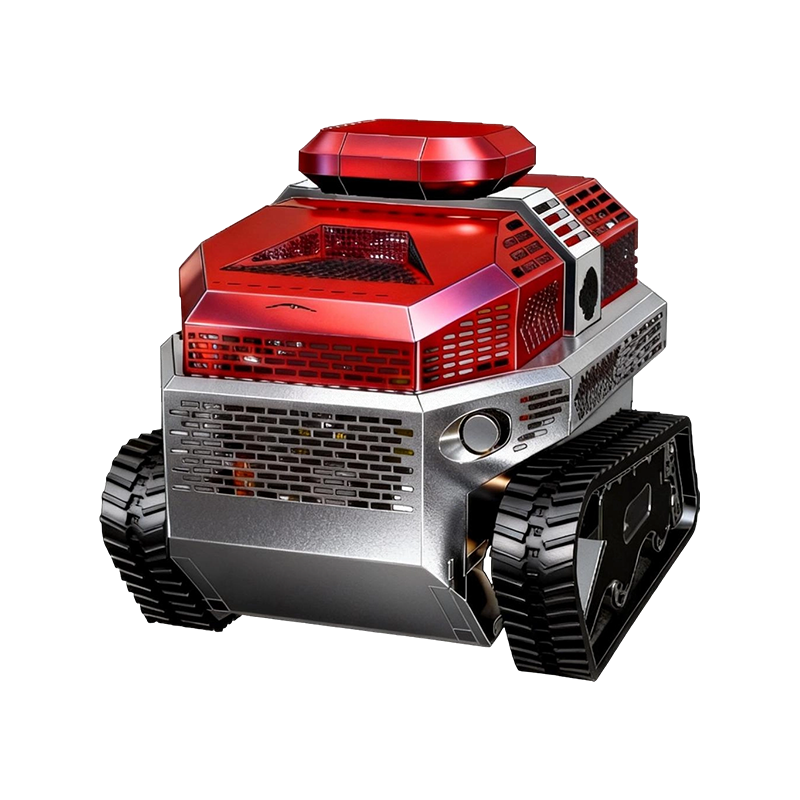
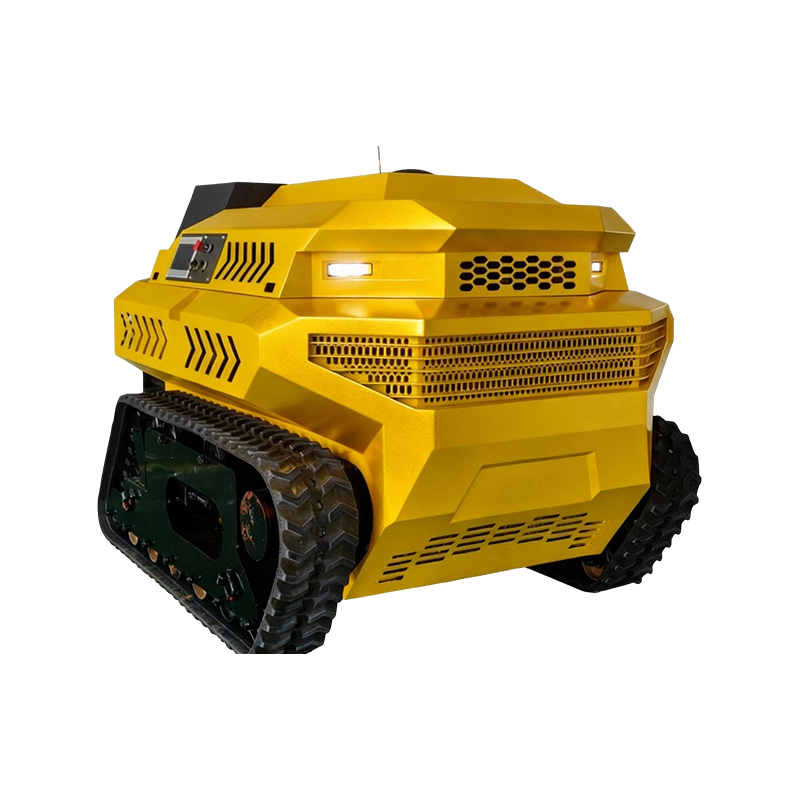
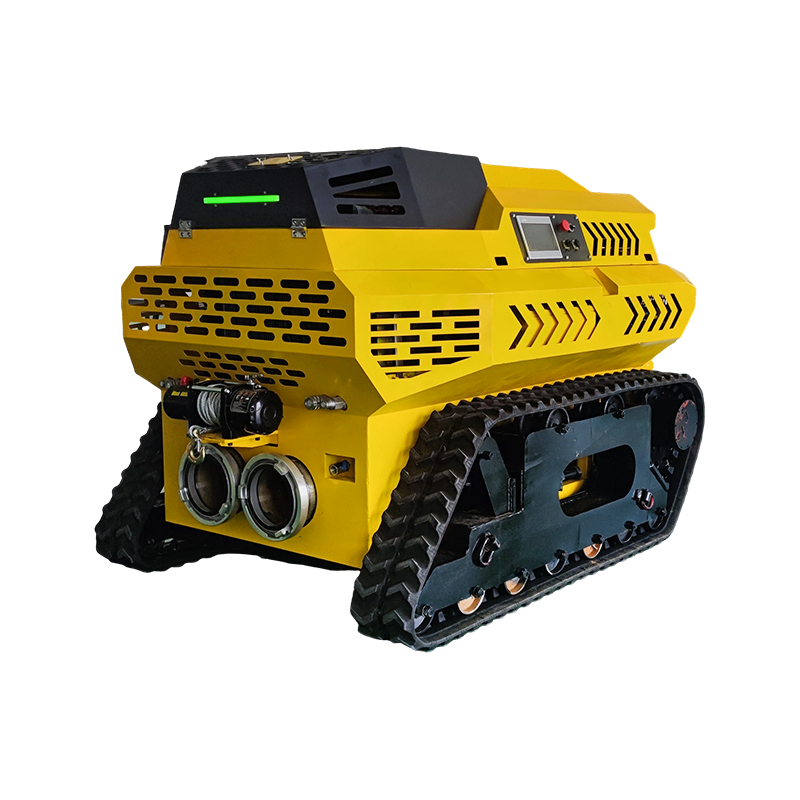 Tracked High-Flow Pumping Robot with Dual Pump ControlThis diesel-powered tracked robot delivers 1000–1300 m³/h through independently controlled hydraulic pumps. Its remote control and off-road mobility suit long-distance drainage in mud or rugged terrain, while auxiliary hydraulic outputs can power other tools.View Product →
Every robot is pressure-tested at 1.5x rated operating pressure before leaving the factory.
Component Sourcing and Material Control
Abrasion resistance and corrosion resistance are locked in by material choices long before assembly starts.
Floodwater carries sand, gravel, silt, and chemical residue. A pump casing that erodes or a hose that softens in fuel contact ruins the machine. Quality-focused manufacturers specify materials by function:
- Pump casing, impeller, and wear plates: stainless steel or abrasion-resistant alloy for solids-laden water
- Mechanical seals: double-sealed configurations where abrasive particles are expected
- Hydraulic hoses: steel-reinforced, rated above peak system pressure with a safety margin
- Valve manifolds: machined blocks instead of threaded-tee assemblies, reducing leak paths
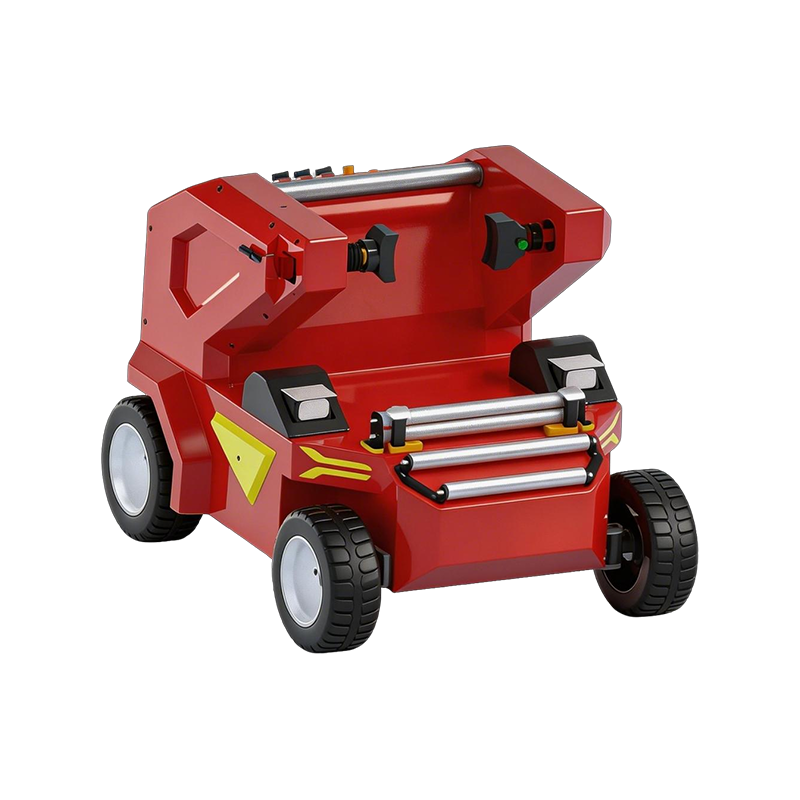
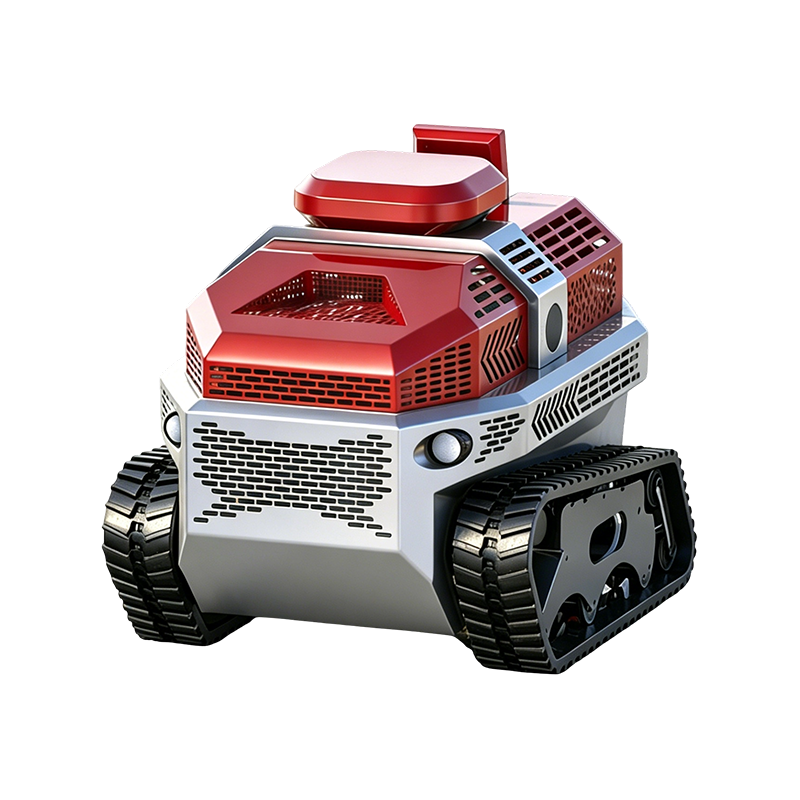 Compact Tracked Drainage Robot for Confined SpacesThis compact tracked unit fits through standard doorways and narrow passages, offering up to 600 m³/h from a single hydraulic pump. Its wireless remote and optional auxiliary hydraulics expand its usefulness in basements, tunnels, and urban flood response.View Product →
A threaded tee between a valve and a hose is a future leak. A machined manifold block is not. The difference is visible on the factory floor, not in the brochure.
Factory Assembly and Production Control
Consistent quality is achieved on the assembly line through torque control, calibration, and staged leak tests.
The Factory Tour and Certification sections of Qisheng's website document an assembly flow where every robot passes five checkpoints:
- Torque-controlled fastening of every hydraulic fitting
- Calibrated tensioning of rubber tracks to specification
- Staged pressure test at 1.5x operating pressure
- Hose routing verification against chafing points
- Full-throttle run test before crating
Five staged checkpoints, one verified machine. No robot skips a checkpoint.
Documentation, Certification, and Buyer Verification
Buyers confirm quality by requesting hydraulic test reports, certification documents, and warranty terms before payment.
A quality system is only useful when it leaves a paper trail. Qisheng's Certification page lists the standards the factory operates to, and the Factory Tour section shows the production floor. A purchasing team should ask for:
- Factory test certificate for each delivered robot
- Hydraulic schematic with component part numbers
- Spare parts list with wear-item intervals
- Warranty terms covering the pump end, hydraulic hoses, and chassis
When those documents match the tested performance, the machine on the truck is the same machine that was designed, validated, and approved.
A factory test certificate is legal evidence of the machine's performance. Demand it before shipment, not after a failure.
Frequently Asked Questions
How do you verify a drainage robot's flow rating?
Request the factory test certificate and compare the reported flow at rated speed with the nameplate value. A tolerance of +/-5% is typical. If the manufacturer cannot produce a pump curve for the exact robot model, treat the rating as unverified.
What is the difference between hydraulic and electric drainage robots in quality terms?
Hydraulic robots use an engine-driven power unit to drive a submersible pump end, which keeps high-voltage electrical components away from water. Electric robots depend on cable management and watertight connectors. Hydraulic systems are generally preferred for debris-laden floodwater because they tolerate stalled pump conditions better.
What should a buyer audit during a drainage robot factory visit?
Check the pressure-test station, the pump test bench, torque tools, and the endurance test log. Ask to see a unit mid-assembly rather than only finished machines. Verify that certification documents match actual production practices.
What warranty and spare parts should a drainage robot manufacturer provide?
A professional manufacturer offers at least a 12-month warranty, published wear-part intervals for seals, impellers, and hoses, and spare parts availability for at least five years after purchase.
One signature on an acceptance report is worth more than a hundred marketing slides - verify before you sign.